
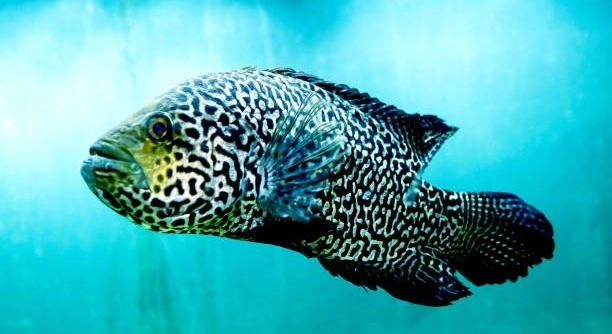
Have you ever watched Dempsey fish in an aquarium and noticed how they act around other fish? These cichlids are lively and full of personality, often showing strong reactions when they feel a space belongs to them.
Dempsey fish claim territory through a combination of behaviors, including chasing, fin-flaring, and displaying aggressive postures. They may also rearrange gravel, rocks, or decorations to mark boundaries, signaling ownership and maintaining control over their chosen area within the tank.
Observing these behaviors provides insight into their natural instincts and helps aquarium owners create a balanced environment for their fish. Proper management ensures peaceful interactions and fish well-being.
How Dempsey Fish Establish Their Space
Dempsey fish are naturally territorial, especially in aquariums with limited space. They begin by selecting a preferred area, often near rocks or decorations that provide shelter. Once a spot is chosen, they patrol it regularly, swimming back and forth and monitoring any movement nearby. These fish will flare their fins and display bright colors to warn others. Chasing smaller fish or intruders is common, as this reinforces their claim. Sometimes, they dig in the substrate to move gravel or small objects, further marking the area. This behavior is instinctive, helping them feel secure and in control. Consistent observation will show how a Dempsey evaluates threats and responds accordingly. Their territorial displays are not constant but increase when other fish approach closely. Over time, these actions create a clear boundary that other fish learn to respect. Owners may notice shifts in aggression depending on tank size, hiding spots, and the number of fish present.
Their space-claiming behavior is primarily about security and dominance, not constant aggression.
Understanding how Dempsey fish manage territory helps in planning tank layout. Providing multiple hiding spots reduces conflict, while observing interactions allows adjustments to prevent stress. It is essential to recognize signs of tension early, such as prolonged chasing or constant fin-flaring. Maintaining clean water, adequate space, and a structured environment supports natural behaviors. Adjusting decorations or rearranging rocks periodically can prevent stagnation and minimize disputes. By respecting their instincts, the fish remain active and healthy. Additionally, separating overly aggressive individuals or providing larger tanks ensures that all inhabitants coexist peacefully. Monitoring their behavior closely helps owners intervene before fights escalate.
Signs That a Dempsey Is Protecting Its Territory
Territorial behavior shows in visible displays, chasing, and occasional substrate movement.
When Dempsey fish are defending a territory, they rely on several visual and physical cues. Fin-flaring is one of the first signs, making them appear larger and more threatening to intruders. They may swim directly toward other fish with short bursts, chasing them away from the area. Color intensification also signals dominance, often appearing brighter during confrontations. Some fish dig or move gravel and objects to mark boundaries clearly. The level of aggression varies based on tank population, size, and structure. Understanding these behaviors helps owners reduce stress and prevent fights. Providing ample space and visual barriers can diffuse tension, while observing interactions allows adjustments to tank setup for smoother coexistence. Recognizing these patterns makes it easier to manage Dempsey fish in a home aquarium while keeping all fish healthy and safe.
Common Aggressive Behaviors
Dempsey fish often chase, nip, and flare fins at other fish. They may dig in the substrate or rearrange decorations to reinforce their territory. These actions are instinctive ways to assert control and protect their chosen area in the tank.
Aggression in Dempsey fish usually increases when tank space is limited or hiding spots are scarce. They patrol their territory constantly, approaching any fish that enters the area. Chasing is often short but frequent, and color intensifies during these interactions. Fin-flaring makes them appear larger and more dominant. Recognizing these behaviors early allows owners to reduce stress, rearrange the tank, or separate fish if necessary.
Some Dempsey fish may also block entrances to caves or shelter, preventing other fish from accessing key areas. This behavior ensures dominance and gives them control over resources like food and safe resting spots. Observing these patterns helps manage aquarium dynamics effectively.
Managing Territorial Disputes
Providing multiple hiding places reduces stress and aggression in Dempsey fish. Rocks, plants, and decorations help break line of sight and give fish personal space.
Territorial disputes can escalate if fish feel trapped or crowded. Separating aggressive individuals or enlarging the tank often resolves conflicts. Introducing new fish gradually, allowing the Dempsey to adjust, helps minimize chasing and fin-flaring. Rearranging decorations occasionally prevents fixed boundaries that may provoke fights. Monitoring interactions daily ensures issues are caught early. Healthy water conditions and consistent feeding also reduce stress-related aggression.
Understanding each fish’s personality and monitoring behavior allows owners to adjust tank setups efficiently. This ensures all fish have room to establish territories without constant conflict, promoting a calmer, balanced aquarium environment.
Signs of Territory Expansion
Dempsey fish often expand their territory gradually by exploring nearby areas. They may linger longer in certain spots while observing other fish and marking boundaries with substrate movement or fin displays.
This expansion is usually measured and deliberate. Fish avoid unnecessary risk but assert control over preferred spaces. Observing these signs helps manage tank layout effectively.
Preventing Stress in Tank Mates
Providing visual barriers and sufficient hiding spots reduces tension among fish. Avoid overcrowding and maintain proper water conditions to keep all inhabitants calm and healthy.
Understanding Substrate Digging
Dempsey fish dig to create nests or adjust territory boundaries. This behavior helps them feel secure and in control of their environment, especially when multiple fish share the tank.
Recognizing Color Changes
Brightened colors in Dempsey fish often indicate heightened territorial awareness. Color intensification signals dominance and readiness to defend a chosen area.
FAQ
How can I tell if my Dempsey fish is being territorial?
Dempsey fish show territory through fin-flaring, chasing, and color changes. They may also move gravel or rearrange decorations to mark their space. Regular patrolling of a specific area and blocking access to hiding spots are common signs. Observing these behaviors helps you identify their boundaries.
Is it normal for Dempsey fish to chase other fish constantly?
Short bursts of chasing are typical when they assert dominance. Constant chasing, however, can indicate stress or overcrowding. Providing more space, visual barriers, and hiding spots can reduce excessive aggression and help maintain peace in the aquarium.
Why does my Dempsey dig in the substrate?
Digging is part of territory establishment and nest preparation. They may move gravel or small decorations to create a sense of control. This behavior is instinctive and helps them feel secure in their environment.
Can Dempsey fish live peacefully with other species?
Yes, if the tank is large enough and has plenty of hiding spots. Choose compatible species that are not overly passive or small enough to become targets. Introducing new fish gradually reduces territorial conflicts.
Do color changes indicate aggression in Dempsey fish?
Brightened or intensified colors usually signal territorial awareness or dominance. When a Dempsey feels challenged, these color changes act as warnings to other fish. Observing these signs helps in anticipating and managing disputes before they escalate.
Should I rearrange the tank if my Dempsey is aggressive?
Rearranging decorations periodically can prevent fixed boundaries that may provoke constant disputes. Rocks, plants, and caves break line of sight and give fish personal space, helping reduce aggressive encounters.
How much space does a Dempsey need to establish territory?
A single adult Dempsey typically needs at least a 55-gallon tank. Sufficient space allows them to claim areas without feeling threatened. Larger tanks reduce conflicts and provide room for multiple fish to coexist peacefully.
Do Dempsey fish become less aggressive over time?
Aggression may decrease as they become familiar with tank mates and their environment. However, some individuals maintain strong territorial instincts, so monitoring interactions and adjusting tank setup remains important.
Can stress increase territorial behavior?
Yes. Poor water conditions, overcrowding, or insufficient hiding spots can increase aggression. Keeping water clean, providing ample space, and maintaining a stable environment reduces stress-related disputes.
How do I safely separate an aggressive Dempsey?
If aggression escalates, use a tank divider or move the fish to another aquarium temporarily. Ensure both tanks maintain similar water parameters to prevent stress. Separating individuals prevents injuries and allows the tank to return to a calmer state.
Are males more territorial than females?
Generally, males display stronger territorial behavior, especially when establishing dominance or during breeding periods. Females may also show aggression but usually to a lesser degree. Understanding gender differences helps plan tank dynamics and prevent conflicts.
What are the risks if territorial disputes go unchecked?
Unchecked disputes can lead to injuries, stress, and even death. Fish may suffer fin damage, weakened immunity, or constant stress, which affects overall health. Intervening early and managing territory prevents serious problems.
Can Dempsey fish share territory with another Dempsey?
Two Dempseys may share a tank if it is large and has multiple hiding spots. However, conflicts often arise when boundaries overlap. Close observation and adjustments are essential to maintain harmony between them.
How can I encourage peaceful coexistence?
Provide visual barriers, rearrange decorations, maintain proper tank size, and introduce new fish gradually. Ensuring all fish have access to food and hiding areas reduces competition and stress. Consistent observation allows quick intervention if issues arise.
Does feeding affect territorial behavior?
Yes. Dempsey fish may become more aggressive around feeding time, protecting food sources. Feeding in multiple locations and ensuring all fish have access reduces disputes and promotes calmer interactions.
Are juvenile Dempseys less territorial than adults?
Juveniles usually display lower levels of territorial aggression. As they grow, their instincts strengthen, and territorial behaviors become more apparent. Adjusting tank setup as they mature helps manage emerging aggression effectively.
Can decorations reduce conflicts permanently?
Decorations help but do not eliminate aggression entirely. They provide hiding spots and break sight lines, reducing disputes. Periodic rearrangement is necessary to prevent fixed territories from creating constant tension among fish.
Is it necessary to monitor Dempsey behavior daily?
Yes. Daily observation allows early detection of stress, aggression, or health issues. Catching problems early prevents injuries and ensures a balanced, calm aquarium environment.
Do Dempsey fish defend their territory at all times?
Not constantly. They defend only when other fish approach or challenge their space. Between these interactions, they may patrol or rest, conserving energy for necessary displays of dominance.
What are signs that my Dempsey is stressed from territorial disputes?
Signs include constant chasing, fin damage, hiding, reduced appetite, or color fading. Stress affects immunity and behavior, making early intervention important. Adjusting tank layout, adding hiding spots, or separating aggressive fish reduces stress and maintains well-being.
Final Thoughts
Dempsey fish are fascinating and colorful cichlids that bring personality and energy to an aquarium. Their territorial behavior is a natural part of who they are and reflects instincts that help them feel secure. Watching a Dempsey assert its space can be both impressive and educational. These fish establish boundaries through chasing, fin-flaring, color changes, and sometimes digging in the substrate. Each of these behaviors serves a purpose, whether it is defending a preferred area, signaling dominance, or creating a sense of control over their environment. Understanding these actions helps aquarium owners provide the right conditions for their fish and prevents unnecessary stress or conflict.
Managing a tank with Dempsey fish requires attention to detail and careful planning. Providing sufficient space is one of the most important steps in maintaining peace. A tank that is too small can increase aggression, as fish feel crowded and threatened. Adding rocks, plants, caves, and other decorations creates visual barriers that break line of sight and offer hiding spots. This reduces stress and gives each fish a sense of personal space. Even the way the substrate is arranged can impact their behavior. Observing your fish and adjusting the tank layout as needed allows you to respond to emerging disputes early. A well-thought-out environment helps all fish coexist more calmly and supports healthier, longer lives.
Monitoring Dempsey fish regularly is essential to ensure harmony in the aquarium. Aggression may appear suddenly, especially during feeding, introduction of new fish, or breeding periods. Daily observation helps detect signs of stress, injury, or excessive aggression. When necessary, separating particularly aggressive individuals temporarily or permanently can prevent injuries and protect other fish. Proper feeding, clean water, and adequate hiding spaces also reduce stress-related behavior. Over time, most Dempseys learn to navigate shared spaces, especially when their environment meets their needs. By understanding their territorial instincts and providing the right conditions, owners can enjoy their vibrant and lively personalities without constant conflict. Creating a balanced and structured aquarium benefits both the Dempsey fish and all other tank inhabitants, making the aquarium a stable and enjoyable space for observation and care.

Hello,
If you enjoy the content that we create, please consider saying a "Thank You!" by leaving a tip.
Every little bit helps us continue crafting quality advice that supports the health, happiness, and well-being of pets around the world, for pets of all shapes, sizes, and species.
We really appreciate the kindness and support that you show us!