
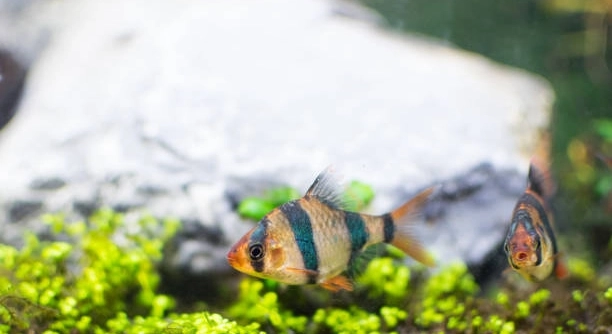
Tiger barbs are popular freshwater fish known for their lively behavior and striking colors. Many aquarium enthusiasts enjoy keeping them because they add energy and vibrancy to any tank. Creating the right environment is essential for their well-being.
Tiger barbs prefer decorations that mimic their natural habitat, such as plants, driftwood, and rocks. These elements provide hiding spots and areas for exploration, reducing stress and promoting healthy activity. Open swimming space combined with shaded areas is ideal for their comfort.
Choosing suitable decorations can significantly improve the quality of life for tiger barbs in your aquarium. This article will help you understand what works best for these spirited fish.
Ideal Plants for Tiger Barbs
Including live or artificial plants in a tiger barb tank helps create a natural and comfortable setting. Tiger barbs enjoy swimming among plants like Java fern, Anubias, and Amazon sword. These plants are sturdy and can withstand the fish’s active nature. They offer hiding spots that make tiger barbs feel safe and reduce aggressive behavior. Live plants also improve water quality by absorbing nitrates and producing oxygen, which benefits all tank inhabitants. When choosing plants, it’s important to provide a mix of tall and short varieties to mimic the layers found in their natural habitat. This arrangement encourages exploration and provides cover for shy or weaker fish. Avoid overcrowding the tank with plants, as tiger barbs need open swimming space to thrive. Proper lighting and substrate will help plants grow well and maintain a healthy tank environment for your fish.
Plants not only improve tank aesthetics but also support tiger barbs’ physical and mental health.
Adding plants creates a balanced and lively aquarium where tiger barbs can exhibit natural behaviors. The contrast between plants and open areas allows them to interact and explore, which reduces stress and promotes well-being.
Suitable Hardscape Decorations
Hardscape elements like driftwood, rocks, and caves give tiger barbs places to hide and rest. Driftwood adds a natural look and provides surfaces for beneficial bacteria to grow, which supports a healthy tank. Rocks and caves create shelters and break up the line of sight, helping to reduce aggression. When selecting hardscape materials, avoid sharp or rough surfaces that could injure the fish. Smooth river rocks and carefully arranged driftwood are best choices. These decorations should be securely placed to prevent shifting that could trap or harm the fish. It’s helpful to create multiple hiding spots so all tiger barbs can feel safe, especially since they can be territorial. Combining hardscape with plants helps simulate a riverbed environment, making the aquarium more engaging and suitable for tiger barbs.
Hardscape adds depth and functionality to the aquarium environment.
By carefully selecting and positioning hardscape pieces, you support your tiger barbs’ natural instincts for hiding and exploring, leading to a more harmonious tank.
Tank Setup Tips for Tiger Barbs
Maintaining proper tank conditions is essential for tiger barbs’ health. A tank size of at least 30 gallons is recommended to provide enough swimming space. Water temperature should be kept between 74 and 79°F, with a pH level of 6.5 to 7.5.
A well-filtered aquarium keeps water clean and stable. Regular water changes prevent toxin buildup and maintain good water quality. A sandy or fine gravel substrate is ideal, as it mimics their natural riverbeds and is gentle on their fins. Position decorations to allow open swimming areas and places to hide. Avoid overcrowding the tank, which can cause stress and aggression. Proper lighting should support live plants but not be too intense to avoid stressing the fish.
Setting up the tank with these factors in mind supports tiger barbs’ activity levels and reduces stress. The right balance of decoration and swimming space encourages healthy, natural behaviors.
Common Mistakes to Avoid
Overcrowding the tank is a frequent problem with tiger barbs. These fish are active and need space to swim freely, so too many fish in a small tank can lead to aggression and health issues. Avoid sharp decorations or rough materials that could damage their fins. Using unstable décor may also harm the fish if items shift or fall. Neglecting water quality by skipping regular maintenance can cause illness or stress.
Choosing appropriate tank mates is important, as tiger barbs can nip fins. Avoid slow-moving or long-finned species that may be targeted. Providing enough hiding spots and open swimming areas helps reduce aggressive encounters. Monitoring water parameters regularly ensures a healthy environment.
Avoiding these mistakes leads to a safer and more balanced habitat. Attention to detail in tank setup and maintenance promotes tiger barbs’ longevity and well-being.
Lighting Considerations
Lighting should be moderate to support plant growth without stressing tiger barbs. Bright lights can cause fish to hide more often and reduce their activity levels.
Using a timer helps maintain a consistent day-night cycle, which supports healthy fish behavior and plant development.
Substrate Choices
A soft substrate like sand or fine gravel works best for tiger barbs. It is gentle on their delicate barbels and mimics their natural riverbeds.
Avoid sharp or coarse substrates that may injure the fish during bottom foraging or swimming close to the tank floor.
Decoration Placement
Arrange decorations to create both open swimming space and sheltered hiding spots. Tiger barbs need room to swim actively but also places to retreat when stressed.
Balancing these areas helps reduce aggression and keeps the fish comfortable in their environment.
Maintaining Cleanliness
Regular cleaning prevents algae buildup and keeps the tank environment healthy. Removing uneaten food and debris reduces harmful waste.
Consistent maintenance supports clear water and a thriving habitat for tiger barbs.
FAQ
What types of decorations do tiger barbs prefer?
Tiger barbs prefer decorations that provide both hiding places and open swimming areas. Plants like Java fern and Anubias, along with driftwood and smooth rocks, create a natural environment. These elements help reduce stress and allow fish to explore, which is important for their well-being.
Can I use artificial plants for tiger barbs?
Yes, artificial plants can be used as long as they have no sharp edges that could injure the fish. They are low maintenance and provide hiding spots, but live plants offer added benefits such as oxygen production and water quality improvement.
How many decorations should I put in the tank?
It’s best to balance decorations with plenty of open swimming space. Overcrowding the tank can stress tiger barbs and cause aggression. Aim for enough plants and hardscape to provide shelter without limiting their movement.
Are caves important for tiger barbs?
Caves or rock crevices provide safe hiding places and reduce territorial disputes. They help shy or weaker fish feel secure. Multiple hiding spots distributed around the tank are ideal.
Should I worry about the size of the decorations?
Decorations should be scaled to the size of the tank and the fish. Large decorations that block most swimming space aren’t suitable. Choose pieces that enhance the environment while keeping enough room for activity.
What kind of substrate is best with these decorations?
A soft substrate like sand or fine gravel complements plants and hardscape well. It’s gentle on the fish and easy to clean. Avoid sharp or coarse gravel that could cause injury.
How often should I clean decorations?
Decorations should be cleaned during regular tank maintenance. Algae buildup can be gently scrubbed off without harsh chemicals. Keeping decorations clean helps maintain water quality and a healthy habitat.
Do tiger barbs need special lighting because of their decorations?
Moderate lighting is best to support live plants and keep fish comfortable. Too bright lighting may cause fish to hide more often. Using a timer ensures a natural day-night cycle.
Can decorations affect tiger barbs’ behavior?
Yes, the right decorations reduce stress and aggression by providing hiding places and breaking sight lines. They encourage natural behaviors like exploring and resting, which contribute to healthier, happier fish.
Is it okay to rearrange decorations frequently?
Frequent rearranging can stress tiger barbs. It’s best to keep the layout stable so fish can establish territories and feel secure. Minor adjustments can be made carefully if needed.
What materials should I avoid for decorations?
Avoid decorations with sharp edges, toxic paints, or untreated wood. These can harm fish or degrade water quality. Always rinse new decorations thoroughly before adding them to the tank.
Do tiger barbs need plants in their tank?
Plants aren’t absolutely required but are highly recommended. They improve water quality, provide shelter, and mimic the fish’s natural environment, contributing to overall health.
How do decorations help reduce aggression in tiger barbs?
Hiding spots and visual barriers reduce direct confrontations by allowing fish to escape or break line of sight. This lowers stress and aggressive behavior, especially in groups.
Are natural decorations better than artificial ones?
Natural decorations like live plants and driftwood offer benefits such as oxygen production and surface for beneficial bacteria. Artificial decorations can be suitable if chosen carefully but lack these advantages.
Can decorations affect water parameters?
Yes, certain decorations like untreated wood can lower pH, while some rocks may raise hardness. It’s important to know the effects of your decorations to maintain stable water conditions.
How many tiger barbs should be kept together with decorations?
Tiger barbs should be kept in groups of at least six to reduce aggression. Decorations provide space for multiple fish to coexist by offering shelter and breaking up territories.
Do tiger barbs nibble on plants or decorations?
Tiger barbs may nibble on soft plants but usually don’t cause major damage if the plants are sturdy. Decorations like driftwood or rocks are safe and usually ignored by the fish.
Can I mix tiger barbs with other fish in a decorated tank?
Yes, but choose tank mates carefully. Avoid slow-moving or long-finned fish that tiger barbs might nip. Proper decorations help create zones that reduce conflict between species.
What is the best way to introduce decorations to a new tank?
Add decorations after the tank is cycled and water parameters are stable. Arrange them thoughtfully before adding fish to create hiding spots and open swimming space from the start.
How do I maintain decorations to keep the tank healthy?
Regular cleaning during water changes prevents algae buildup. Rinse and scrub decorations gently without chemicals. Inspect for damage or decay and replace items as needed to maintain a safe environment.
Do decorations influence breeding behavior in tiger barbs?
Yes, decorations that provide cover and secluded areas encourage breeding. Plants and caves offer places for spawning and shelter for fry.
Is it necessary to quarantine decorations before adding them?
Yes, rinsing and soaking new decorations help remove dust or contaminants. Some hobbyists soak wood to leach tannins. Quarantining reduces the risk of introducing pests or harmful substances.
How do decorations impact the visual appeal of a tiger barb tank?
Well-chosen decorations enhance the tank’s appearance, complementing the bright colors of tiger barbs. A balanced setup looks natural and inviting, making the aquarium enjoyable to observe.
Are there decorations to avoid because they stress tiger barbs?
Sharp objects, overly bright reflective surfaces, or unstable items that move can stress tiger barbs. Avoid decorations that block too much space or disrupt natural swimming patterns.
Final thoughts on decorating a tank for tiger barbs focus on creating a balanced environment that meets their needs. These fish thrive when their surroundings provide both open swimming areas and places to hide. Decorations like live plants, smooth rocks, and driftwood help mimic their natural habitat. This balance supports their active nature and reduces stress, which is important for their health. Keeping the tank spacious and well-maintained is just as important as choosing the right decorations.
It is important to remember that tiger barbs are social and energetic fish. They need room to swim and interact with their group. Overcrowding the tank or filling it with too many decorations can cause aggression and stress. Instead, aim for a layout that offers a mix of hiding spots and free space. Decorations should be carefully chosen and placed to allow natural behaviors like exploring, hiding, and resting. Regular maintenance and water quality checks are necessary to keep the environment safe and comfortable.
When setting up a tank for tiger barbs, thoughtful decoration can make a big difference in their overall well-being. A tank that resembles their natural environment will encourage healthy activity and reduce conflicts. It is worth investing time and effort into selecting the right plants, rocks, and wood. Monitoring how the fish interact with their surroundings helps guide future adjustments. By keeping the tank clean and balanced, you ensure a healthy and happy home for your tiger barbs over time.

Hello,
If you enjoy the content that we create, please consider saying a "Thank You!" by leaving a tip.
Every little bit helps us continue crafting quality advice that supports the health, happiness, and well-being of pets around the world, for pets of all shapes, sizes, and species.
We really appreciate the kindness and support that you show us!