
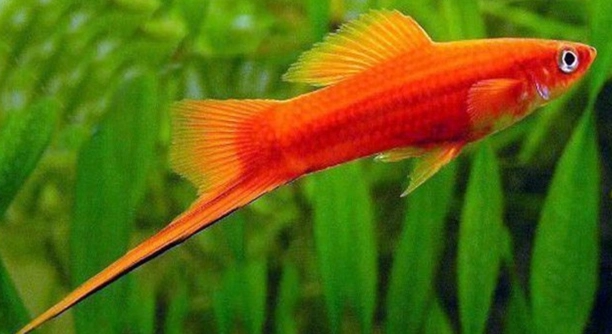
Swordtail fish are known for their beautiful, elongated fins. However, if you notice your swordtail’s fins curling, it could be a sign of an underlying problem. Understanding why this happens is crucial for ensuring your fish’s health.
Swordtail fin curling is most often caused by poor water quality, stress, or a bacterial or fungal infection. These conditions can lead to deformities in the fins, causing them to curl or appear damaged. Proper care and monitoring are essential.
Knowing the causes of swordtail fin curling is just the first step. There are ways to prevent and treat this condition to keep your fish healthy. Let’s explore how you can address these issues effectively.
Poor Water Quality and Its Impact
Swordtail fish are particularly sensitive to changes in their environment, and poor water quality is one of the most common reasons behind fin curling. If the water becomes too polluted with ammonia, nitrites, or nitrates, it can cause stress and weaken your fish’s immune system. This makes them more vulnerable to infections that may lead to fin damage or curling. Regular water changes are essential to maintain a clean environment for your swordtail, as this will help prevent the build-up of harmful toxins.
Testing your tank’s water regularly for ammonia, nitrites, and nitrates is crucial. Ensure that the pH, temperature, and hardness levels are within the recommended range for swordtails. A stable environment will help prevent many common health issues, including fin curling.
To keep your fish healthy, invest in a reliable filtration system and perform partial water changes every week. This will keep harmful substances in check and provide a healthier living space for your swordtails. Maintaining clean water will greatly reduce the chances of fin curling and improve your fish’s overall well-being.
Stress from Overcrowding
Overcrowding in the tank can lead to stress, which is another common cause of fin curling in swordtail fish. Fish kept in cramped conditions often experience aggression and competition for food, leading to physical injuries and weakened immune systems.
Swordtails need space to swim and establish territories. A tank that is too small or filled with too many fish may trigger stress responses, including fin curling. Maintaining proper stocking levels will help keep your fish calm and healthy. A well-planned tank with enough space allows swordtails to thrive without unnecessary stress.
Additionally, providing hiding spots or plants in the aquarium can reduce aggression and promote a more peaceful environment. When swordtails are less stressed, their fins are less likely to curl or become damaged. A little space goes a long way in ensuring your swordtail’s health and happiness.
Bacterial and Fungal Infections
Infections, both bacterial and fungal, can lead to swordtail fin curling. These illnesses often occur when fish are stressed or exposed to poor water conditions. If left untreated, they can worsen and cause long-term damage to the fins.
Bacterial infections such as fin rot are common in swordtails. They often begin with small, ragged edges and can lead to curling as the infection spreads. Similarly, fungal infections can cause white or cotton-like growths on the fins. Both require prompt treatment to avoid further damage.
A good way to prevent infections is by maintaining clean water and keeping the tank free of any decaying organic matter. If you notice any signs of illness, isolate the affected fish and treat them with the appropriate medication. Early intervention is key to protecting your swordtail’s health.
Poor Diet and Nutrition
Swordtails need a balanced diet to stay healthy, and poor nutrition can contribute to fin curling. A lack of vitamins, minerals, or protein can weaken their immune system and make them more susceptible to fin damage.
Providing a variety of food, such as high-quality flakes, frozen or live foods, will ensure your swordtail gets the necessary nutrients. Be sure to include vitamin-rich foods like spirulina, which helps improve their immune health. A poor diet not only affects their appearance but can also compromise their overall well-being.
When fish don’t receive the nutrients they need, they are more likely to develop weakened fins that may curl or deteriorate. Keeping their diet diverse and balanced will support healthy growth and prevent these issues.
Water Temperature Fluctuations
Fluctuations in water temperature can cause stress in swordtail fish, leading to fin curling. Swordtails thrive in stable temperatures, and sudden changes can shock their systems, causing physical issues like curled fins.
Maintaining a consistent temperature range between 72°F and 82°F (22°C – 28°C) is essential. Use a reliable heater and thermometer to avoid drastic changes. Stability is key to their health.
Consistent water temperature helps swordtails remain calm and reduces the risk of developing physical problems, including fin curling. A stable environment makes a huge difference in their well-being, allowing them to live longer and healthier lives.
Inadequate Tank Maintenance
If you neglect regular tank maintenance, you may find yourself dealing with fin curling in swordtail fish. Accumulating waste and debris can negatively affect water quality and stress your fish.
Regular cleaning and water changes are vital to prevent issues like fin curling. By staying on top of maintenance, your swordtails will be in a much healthier environment. Clean tanks are essential for a thriving aquatic community.
Aggressive Tankmates
Aggressive tankmates can cause physical damage to your swordtails, resulting in curled fins. Swordtails are generally peaceful, but they can be stressed by aggressive fish.
It’s important to carefully choose compatible tankmates for swordtails. Avoid placing them with overly territorial or aggressive species that may harm them. This will help prevent stress-related issues like fin curling.
FAQ
What is the main cause of swordtail fin curling?
Swordtail fin curling is most commonly caused by poor water quality, stress, and bacterial or fungal infections. Ammonia, nitrites, or other toxins in the water can weaken their immune system, leading to curled fins. Ensuring that your tank is clean, well-filtered, and stable will prevent this issue.
Can fin curling be fixed?
Yes, fin curling can often be treated with proper care. The first step is to address the underlying cause, whether it’s poor water quality, stress, or an infection. Make sure to treat any illnesses with the appropriate medications and improve water conditions. If done early, your swordtail can recover and regain healthy fins.
How can I improve water quality for my swordtails?
Regular water changes, good filtration, and testing for toxins like ammonia, nitrites, and nitrates are essential for maintaining water quality. Aim for a 20-30% water change weekly. Installing a reliable filtration system will also help keep harmful substances in check, ensuring a healthy environment for your swordtails.
How do I prevent stress in my swordtail fish?
To reduce stress, avoid overcrowding the tank and provide enough hiding spots or plants for your swordtail to feel secure. Keep the water temperature stable and maintain good water quality. Additionally, ensure they’re not sharing the tank with aggressive species that may cause unnecessary stress.
Is it possible that swordtail fin curling is genetic?
Genetics can play a role in some fish developing fin curling. If swordtails are bred from stock with poor genetics or deformities, it’s possible that these issues could be passed down. However, environmental factors like water quality and stress are far more common causes of fin curling.
How often should I change the water in a swordtail tank?
Water changes should be done regularly, at least once a week. You should change around 20-30% of the water to ensure that toxins like ammonia and nitrates don’t build up. Regular water changes are essential to maintaining a healthy tank environment and preventing issues like fin curling.
What kind of tankmates are best for swordtails?
Swordtails are peaceful fish, so they do best with other calm species. Avoid keeping them with aggressive or overly territorial fish, as this can lead to stress and physical damage. Good tankmates include other livebearers, such as guppies or platies, as well as peaceful bottom dwellers like Corydoras catfish.
How do I know if my swordtail has a bacterial infection?
Signs of a bacterial infection include frayed or ragged fins, cloudy eyes, and redness around the fins or body. If the fins are curling and showing signs of rot, it’s likely a bacterial infection. A course of antibacterial medication should be administered as soon as you notice these symptoms.
Can poor diet lead to fin curling in swordtails?
Yes, a poor diet can weaken your swordtail’s immune system, making them more vulnerable to diseases and infections that cause fin curling. Feeding a balanced diet with high-quality flakes, live foods, and occasional supplements like spirulina will help ensure your swordtails get the nutrition they need to stay healthy.
Are there any treatments for fungal infections in swordtails?
Yes, fungal infections in swordtails can be treated with antifungal medications available at most pet stores. These treatments can help combat the growth of cotton-like fungal spores on the fins. Ensure the fish are isolated from other tankmates during treatment and maintain a clean environment to prevent reinfection.
What is the ideal water temperature for swordtail fish?
Swordtails do best in water temperatures between 72°F and 82°F (22°C to 28°C). Keeping the temperature within this range helps reduce stress and promotes overall health. Install a reliable heater and thermometer to maintain a stable temperature, avoiding sudden fluctuations that can stress the fish and lead to fin curling.
What should I do if I notice my swordtail’s fins are curling?
First, check the water quality and perform a water change if necessary. Test the water for harmful toxins like ammonia and nitrates, and adjust the filtration if needed. If water conditions are fine, check for signs of illness like bacterial or fungal infections and treat accordingly. If the problem persists, isolate the affected fish and seek advice from an experienced aquarium specialist.
How can I tell if my swordtail is stressed?
Signs of stress in swordtails include erratic swimming, hiding frequently, loss of appetite, and changes in behavior. If your swordtail is acting abnormally or showing signs of physical distress, such as curled fins or torn fins, stress could be the cause. Address any issues in water quality, overcrowding, or tankmate compatibility to alleviate the stress.
Can I prevent fin curling by using a quarantine tank?
Yes, using a quarantine tank is a good idea if you notice that your swordtail is sick or if you’ve just added new fish to the aquarium. Isolating sick fish prevents the spread of infections and gives them a chance to recover. It also ensures the health of other fish in your main tank.
Can I treat fin curling naturally?
While natural remedies, such as adding salt or herbal treatments to the water, can sometimes help soothe minor issues, the best way to treat fin curling is to address the underlying cause. Ensuring proper water quality and nutrition, as well as treating any infections promptly, will give you the best chance of restoring your swordtail’s health.
Final Thoughts
Swordtail fin curling can be a concerning issue for any aquarium owner, but it’s often a sign that something needs attention in the tank. While it’s important to know the causes, it’s just as essential to focus on prevention. By regularly checking the water quality, maintaining a consistent temperature, and providing a proper diet, you can help prevent fin curling in the first place. These proactive measures will not only improve your swordtail’s health but also ensure the long-term happiness of all your fish. A little effort in tank care goes a long way in keeping your swordtails looking their best.
When it comes to treating fin curling, timely intervention is key. If you notice curled fins or other signs of stress, it’s important to quickly identify the problem. Whether it’s an infection, stress, or poor water quality, addressing it early can help your swordtail recover. This may involve isolating the affected fish, changing the water, or using medications. The good news is that swordtails are resilient fish, and with proper care and attention, many can recover from fin curling and lead happy, healthy lives. Regular monitoring and care can reduce the chances of the issue becoming a serious problem.
In the end, swordtail fish are relatively easy to care for, but they do require a stable and healthy environment. Understanding the causes of fin curling helps you make informed decisions about tank maintenance and treatment. By maintaining clean water, choosing appropriate tankmates, and feeding your fish a balanced diet, you’ll be on your way to preventing fin curling and other common issues. Remember, the key to a healthy aquarium is consistency. Keep your tank environment steady, and your swordtails will thrive.

Hello,
If you enjoy the content that we create, please consider saying a "Thank You!" by leaving a tip.
Every little bit helps us continue crafting quality advice that supports the health, happiness, and well-being of pets around the world, for pets of all shapes, sizes, and species.
We really appreciate the kindness and support that you show us!