
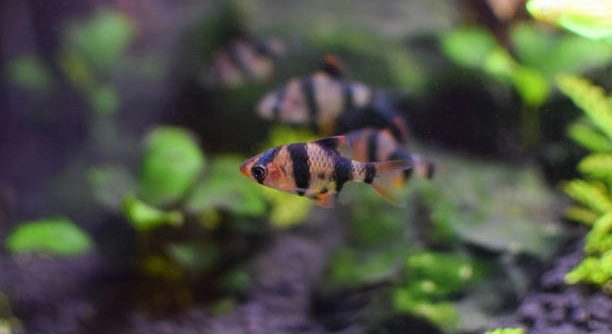
Sudden deaths of tiger barbs in home aquariums can be frustrating and upsetting. Many fish keepers notice these losses without a clear reason, making it hard to prevent future issues. Understanding common causes is important for keeping these fish healthy.
Sudden tiger barb deaths are usually caused by water quality problems, diseases, stress, or poor diet. Rapid changes in temperature, ammonia spikes, or bacterial infections can quickly weaken and kill these sensitive fish. Proper tank care and monitoring are essential.
Knowing the typical causes behind these losses can help you protect your tiger barbs and maintain a thriving aquarium environment.
Water Quality Issues
Maintaining good water quality is the most important factor in preventing sudden tiger barb deaths. Poor water conditions cause stress and weaken fish immune systems, making them vulnerable to illness. High ammonia or nitrite levels are especially dangerous and often result from overfeeding or insufficient filtration. Frequent water changes and testing can keep these toxins in check. Temperature fluctuations are also a common problem. Tiger barbs thrive in stable water temperatures between 74°F and 79°F (23°C to 26°C). Sudden changes, even a few degrees, can shock their system. Proper aeration and regular cleaning of the tank substrate help maintain oxygen levels and reduce harmful waste buildup. It’s easy to overlook small water issues until fish start dying, but keeping consistent water parameters is the key to long-term health.
Regularly testing water and making necessary adjustments keeps tiger barbs safe and comfortable in their environment.
Monitoring water quality is not difficult but requires attention. Using test kits to check ammonia, nitrite, nitrate, pH, and temperature can prevent many common deaths. Keeping a maintenance schedule, like weekly partial water changes of about 20-30%, supports a clean and healthy tank. Avoid overfeeding since leftover food decomposes and raises toxin levels. Also, make sure the filter is appropriate for the tank size and functioning properly. A well-maintained environment reduces stress and promotes natural behavior, making tiger barbs more resilient.
Diseases and Infections
Diseases often cause sudden tiger barb deaths without clear warning signs. Common infections include bacterial, fungal, and parasitic diseases. These can spread quickly in crowded or stressed tanks. Signs may include clamped fins, spots, discoloration, or unusual swimming patterns. Early detection is crucial to prevent loss. Quarantining new fish before introducing them can reduce the risk. Treatment depends on the disease but may involve antibiotics or anti-parasitic medications. Keeping the tank clean and maintaining good water quality helps prevent outbreaks. Avoiding overcrowding and providing a balanced diet strengthens fish defenses against illness. Prompt action when disease is suspected can save many lives in your aquarium.
Stress Factors
Stress weakens tiger barbs and makes them prone to illness and death. Common causes include overcrowding, aggressive tank mates, and sudden changes in the environment.
Stress can come from aggressive fish attacking tiger barbs or from too many fish packed into a small tank. Incompatible tank mates increase competition for food and territory, causing anxiety. Changes in water temperature or poor water quality add to the problem. Even constant noise or vibrations near the aquarium can disturb them. Reducing stress means providing enough space, peaceful companions, and a stable environment. When tiger barbs feel safe, their immune system stays strong and they live longer.
Creating hiding spots with plants or decorations also helps reduce stress by giving tiger barbs a place to retreat. Watching their behavior can show signs of stress like hiding or frantic swimming. Adjusting tank conditions promptly keeps your fish calm and healthy.
Poor Nutrition
Poor nutrition can lead to sudden deaths as tiger barbs require a balanced diet to stay healthy. Feeding only one type of food can cause deficiencies.
A diet limited to flakes or low-quality pellets does not provide enough variety. Tiger barbs benefit from a mix of protein sources such as frozen or live foods like bloodworms, brine shrimp, and daphnia. Vegetables like blanched spinach or peas can add fiber and vitamins. Feeding small amounts multiple times a day mimics natural feeding patterns and prevents overfeeding, which causes water problems. A well-rounded diet supports their immune system, vibrant colors, and active behavior.
Using high-quality fish food labeled for tropical or barb species ensures they get essential nutrients. Avoiding expired or stale food also prevents health issues. Nutrition plays a major role in preventing sudden deaths and promoting long-term vitality.
Tank Size and Environment
Tiger barbs need enough space to swim freely and avoid stress. A small tank with too many fish causes overcrowding and poor water quality.
A minimum of 20 gallons is recommended for a small group of tiger barbs. Larger tanks provide better stability and reduce aggression among fish.
Aggression and Social Behavior
Tiger barbs are naturally active and can be aggressive, especially if kept alone or in small numbers. They do best in groups of six or more, which helps spread out aggression and encourages natural schooling behavior. When kept properly, their social interactions are balanced, reducing injury and stress. Avoid mixing them with very timid or slow-moving species, as tiger barbs may nip their fins. Providing plenty of hiding spaces and plants can also ease tensions and support a peaceful environment.
Poor Tank Maintenance
Skipping regular tank cleaning allows waste to build up, harming water quality and fish health.
Sudden Temperature Changes
Rapid changes in water temperature shock tiger barbs and can cause death.
FAQ
What are the main reasons tiger barbs suddenly die?
Tiger barbs usually die suddenly because of poor water quality, diseases, stress, or diet problems. Ammonia and nitrite spikes from dirty water hurt their health quickly. Infections like bacterial or parasitic diseases spread fast if not caught early. Stress from overcrowding or aggressive tank mates also weakens them. Finally, a lack of proper nutrition can make them fragile and more likely to die.
How can I check if my water quality is safe for tiger barbs?
Use aquarium test kits to measure ammonia, nitrite, nitrate, pH, and temperature regularly. Ammonia and nitrite should be zero, nitrate below 20 ppm, and pH between 6.5 and 7.5. Keep the temperature steady around 74°F to 79°F (23°C to 26°C). Testing once a week or more often if problems appear helps catch issues early.
What should I do if I suspect disease in my tiger barbs?
Look for symptoms like white spots, torn fins, clamped fins, or unusual swimming. Quarantine sick fish if possible to prevent spread. Treat with appropriate medications, such as antibiotics or anti-parasitic drugs, depending on the illness. Improving water quality and reducing stress also helps fish recover.
How many tiger barbs should I keep together?
Keep at least six tiger barbs in one tank. They are schooling fish and feel safer in groups. Fewer fish can lead to increased aggression and stress. A group of six or more helps balance their social behavior and reduces fighting.
What tank size is best for tiger barbs?
A 20-gallon tank is the minimum for a small group of tiger barbs. Larger tanks provide more space, better water quality stability, and reduce aggression. Overcrowding causes stress and poor water conditions that lead to sudden deaths.
What type of food is best for tiger barbs?
Feed a mix of high-quality flakes or pellets designed for tropical fish, plus live or frozen foods like bloodworms, brine shrimp, and daphnia. Adding blanched vegetables like peas or spinach gives extra vitamins and fiber. Feed small amounts two or three times a day to avoid leftovers that pollute the water.
How often should I clean my tiger barb tank?
Perform partial water changes of 20-30% weekly to keep water fresh. Clean the substrate and filter media regularly but avoid full cleanings that disrupt beneficial bacteria. Good maintenance prevents toxin buildup and keeps fish healthy.
Can sudden temperature changes kill tiger barbs?
Yes, sudden shifts in temperature can shock tiger barbs, weaken their immune systems, and cause death. Maintain stable temperature within their ideal range and avoid placing the tank near drafts, heaters, or air conditioners.
How can I reduce stress in my tiger barb tank?
Provide plenty of hiding places using plants or decorations. Keep compatible tank mates and avoid overcrowding. Maintain stable water conditions and feed regularly. Watch fish behavior for signs of stress like hiding or erratic swimming and make changes as needed.
Is it normal for tiger barbs to nip fins?
Yes, tiger barbs are known for fin-nipping, especially if kept in small groups or with slow-moving fish. Keeping them in groups of six or more and providing ample space reduces this behavior. Adding fast, active tank mates can also help balance aggression.
What should I do if a tiger barb dies suddenly?
Test the water immediately for toxins or other problems. Remove the dead fish to prevent spreading disease. Observe the rest of the fish closely for signs of illness or stress. Adjust tank conditions and treat if necessary to protect your remaining fish.
Final Thoughts
Taking care of tiger barbs can be very rewarding, but it also requires attention and care. Sudden deaths often happen because of avoidable problems like poor water quality, stress, or diet issues. Making sure the tank is clean, water conditions are stable, and fish are well-fed is the best way to keep them healthy. Regular testing and maintenance are simple steps that can prevent many issues. It’s important to be patient and observant, as early signs of trouble are often subtle but can be fixed before things get worse.
Tiger barbs are active, social fish that need enough space and the right companions. Keeping them in groups of six or more helps reduce stress and aggression, making for a more peaceful tank. Overcrowding or mixing them with very calm fish may cause problems and stress. Providing hiding spots and decorations also helps tiger barbs feel safe. Stress weakens their immune system and makes them more vulnerable to disease. Paying attention to their behavior and adjusting the tank environment can make a big difference in their well-being.
Nutrition is another important factor in preventing sudden deaths. Feeding a balanced diet with a mix of quality flakes, pellets, and live or frozen foods supports their health and energy. Avoid overfeeding to keep the water clean and prevent waste buildup. When all these factors—water quality, tank environment, social groups, and nutrition—are well-managed, tiger barbs can live longer and stay more vibrant. Taking the time to learn about their needs helps create a stable home where these colorful fish can thrive.

Hello,
If you enjoy the content that we create, please consider saying a "Thank You!" by leaving a tip.
Every little bit helps us continue crafting quality advice that supports the health, happiness, and well-being of pets around the world, for pets of all shapes, sizes, and species.
We really appreciate the kindness and support that you show us!