
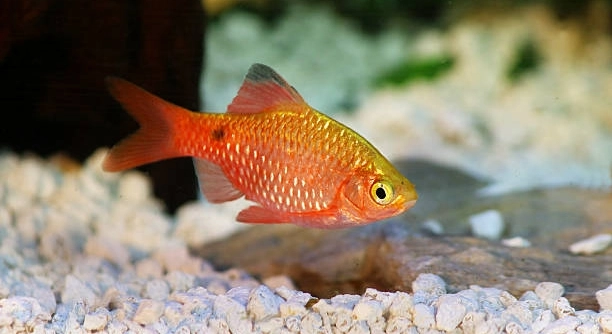
Rosy Barbs are popular aquarium fish known for their bright colors and active behavior. Sometimes, these fish display sudden aggression, which can surprise many hobbyists. Understanding what triggers this change is important for maintaining a peaceful tank environment.
Sudden aggression in Rosy Barbs is often caused by factors such as overcrowding, inadequate tank size, poor water quality, or stress from other fish. Hormonal changes during breeding seasons can also increase territorial behavior and lead to aggression.
Recognizing the causes of aggression helps create a balanced habitat, ensuring your Rosy Barbs stay healthy and harmonious with their tank mates.
Environmental Stressors and Aggression
Rosy Barbs are sensitive to their surroundings, and changes in water quality or tank setup can quickly affect their behavior. Poor water conditions, such as high ammonia or nitrite levels, cause stress that may trigger aggression. Overcrowding also increases tension, as these fish need enough space to swim and establish territories. If the tank is too small or lacks hiding spots, Rosy Barbs might become defensive and lash out at tank mates. Maintaining stable water parameters and providing adequate room is key to reducing stress-related aggression. I’ve noticed that even small changes in water temperature can influence their mood, making careful monitoring essential. Keeping a regular cleaning schedule and avoiding sudden environment shifts can help your Rosy Barbs stay calm and social.
Stress from environmental factors is a common trigger for aggressive behavior in these fish.
Ensuring stable water conditions and sufficient space helps minimize conflict. Adding plants or decorations creates hiding spots that reduce tension, supporting a more peaceful tank atmosphere. It’s important to test water regularly and avoid overcrowding to maintain balance. When Rosy Barbs feel secure, they are less likely to act aggressively, making your aquarium a healthier environment for all inhabitants.
Breeding and Hormonal Changes
During breeding seasons, Rosy Barbs undergo hormonal shifts that often lead to increased aggression. Males may become more territorial as they compete for mates and protect spawning sites. This behavior is natural but can cause fighting or chasing among fish. Separating males from each other or providing plenty of space during these times can help reduce confrontations. In my experience, creating distinct zones in the tank with plants or rocks allows fish to retreat and lowers aggressive encounters. The heightened activity usually lasts until the breeding period ends, after which behavior tends to return to normal. Recognizing this pattern helps manage aggression without stressing the fish further.
Aggression linked to breeding is temporary but can disrupt tank harmony.
Providing space and visual barriers during breeding seasons helps control territorial fights. Careful observation during these periods allows you to intervene if aggression becomes too intense, preserving a calm environment for your Rosy Barbs.
Diet and Aggression
Improper diet can increase aggression in Rosy Barbs. Lack of nutrients or overfeeding affects their mood and behavior.
A balanced diet with high-quality flakes, pellets, and occasional live or frozen foods supports their health and reduces irritability. Overfeeding leads to poor water quality, which stresses fish and promotes aggressive tendencies. I’ve found that feeding smaller amounts multiple times a day helps keep them calm and active. Avoid sudden diet changes, as they can unsettle the fish and trigger aggressive behavior.
Ensuring a consistent feeding routine and varied diet maintains peaceful interactions. Poor nutrition weakens fish and makes them more prone to stress and conflict. Feeding quality foods supports their immune system, preventing aggression caused by health issues.
Tank Mates and Social Dynamics
Choosing the right tank mates affects aggression levels in Rosy Barbs. Aggressive or territorial species can provoke fights.
Rosy Barbs thrive with peaceful, similarly sized fish. Mixing them with smaller or slow-moving species often leads to bullying. In my experience, keeping a larger group of Rosy Barbs diffuses aggression, as they focus on each other instead of other species. Avoid overcrowding and incompatible companions to maintain balance. Proper social groupings minimize stress and reduce aggressive incidents, creating a harmonious aquarium environment for all fish involved.
Water Temperature and Aggression
Water temperature affects Rosy Barbs’ behavior significantly. Temperatures outside their ideal range can increase stress and aggression.
Keeping the water temperature between 72°F and 78°F helps maintain calm and healthy fish. Sudden temperature changes should be avoided to prevent aggressive outbursts and stress-related health issues.
Lighting and Aggression
Bright or inconsistent lighting can trigger stress and aggression in Rosy Barbs. Proper lighting is important to keep them comfortable.
Adjusting light intensity and providing shaded areas with plants or decorations reduces stress. Consistent day-night cycles help maintain natural behavior and reduce aggression caused by discomfort or confusion.
Tank Size and Aggression
A small tank increases competition and territorial disputes among Rosy Barbs. Providing enough space is crucial to minimize aggression.
FAQ
What causes sudden aggression in Rosy Barbs?
Sudden aggression is usually caused by stress factors such as overcrowding, poor water quality, or changes in the environment. Hormonal shifts during breeding seasons also increase territorial behavior. Ensuring proper tank conditions and adequate space helps reduce these aggressive episodes.
How can I reduce aggression in my Rosy Barbs?
Maintaining stable water parameters, providing enough swimming space, and avoiding overcrowding are key. Adding plants and decorations for hiding spots helps fish feel secure. A balanced diet and compatible tank mates also support peaceful behavior.
Is aggression normal during breeding?
Yes, it is common. Males become territorial and more aggressive while competing for mates. This behavior usually decreases after the breeding period. Providing plenty of space and hiding places can ease tensions during this time.
Can poor diet cause aggression?
Yes, inadequate nutrition or overfeeding can stress fish and lead to aggression. Feeding high-quality food in moderate amounts supports their health and reduces irritability.
What tank size is best to prevent aggression?
A minimum of 30 gallons for a small group of Rosy Barbs is recommended. More space reduces competition for territory and lowers stress levels.
Do Rosy Barbs get aggressive toward certain tank mates?
They can be aggressive toward smaller, slower, or long-finned fish. Choosing peaceful and similarly sized species helps prevent bullying and fights.
How does water temperature affect aggression?
Temperatures outside the ideal range of 72°F to 78°F can stress Rosy Barbs and increase aggression. Keeping temperature stable avoids sudden mood changes.
Can lighting impact aggression?
Bright or fluctuating lighting can stress fish, leading to aggressive behavior. Providing consistent lighting with shaded areas helps keep Rosy Barbs calm.
Should I separate aggressive fish?
If aggression becomes severe, separating the most aggressive individuals temporarily can protect others. Observing behavior closely helps determine if separation is needed.
How often should I clean the tank to reduce aggression?
Regular water changes and cleaning—at least 25% weekly—help maintain water quality, which reduces stress and aggressive behavior.
Can stress from new tankmates cause aggression?
Introducing new fish can cause temporary aggression as Rosy Barbs establish hierarchies. Adding new tankmates gradually and providing hiding spots eases this transition.
What signs indicate aggression in Rosy Barbs?
Signs include chasing, fin nipping, color changes, and hiding. Early detection allows for quick action to prevent injury.
Does overcrowding make aggression worse?
Yes, too many fish in a small space increase competition and stress, leading to more fights. Adequate tank size and proper stocking levels are essential.
Can plants reduce aggression?
Yes, plants create hiding spots and break lines of sight, which lowers territorial disputes and provides refuge for stressed fish.
Is sudden aggression harmful to Rosy Barbs?
Repeated aggression can cause injury or stress-related illness. Monitoring and addressing causes helps maintain fish health and well-being.
How long does aggression last during breeding?
Typically, aggression lasts for a few weeks while fish spawn and care for eggs. Afterward, behavior usually returns to normal.
What is the best way to introduce Rosy Barbs to a new tank?
Acclimate them slowly to avoid stress. Ensure the tank is well-established with stable water parameters to reduce aggressive tendencies.
Can aggression be a sign of illness?
Sometimes, yes. Sick fish may act aggressively or become targets. Regular health checks and water quality monitoring are important.
How important is tank decoration for reducing aggression?
Very important. Decorations provide shelter and break visual contact, helping to lower tension and aggressive behavior.
Are male Rosy Barbs more aggressive than females?
Generally, yes. Males display more territorial behavior, especially during breeding periods.
This FAQ section covers key concerns about sudden aggression in Rosy Barbs, providing practical advice based on common experiences and care principles.
Final Thoughts
Sudden aggression in Rosy Barbs is a common issue that many fish owners face. It usually happens because of stress caused by things like overcrowding, poor water quality, or changes in the tank environment. Hormonal changes during breeding seasons can also make them more territorial and aggressive. Understanding these causes helps you create a better living space for your fish. When the environment is stable and comfortable, Rosy Barbs are less likely to show aggressive behavior. It is important to keep the tank clean, provide enough space, and maintain proper water conditions to help your fish stay healthy and calm.
Proper diet plays a significant role in keeping aggression under control. Feeding your Rosy Barbs high-quality food in the right amounts supports their overall health and reduces stress. Overfeeding can harm water quality, which in turn increases aggression. On the other hand, poor nutrition can make fish irritable and prone to fighting. Choosing compatible tank mates also matters. Rosy Barbs do best with peaceful fish of similar size. Avoid putting them with smaller or very slow species that could become targets. Adding plants and decorations to the tank gives fish places to hide and helps lower tension among them.
Managing aggression in Rosy Barbs requires regular observation and care. Watch for signs like chasing or fin nipping, and take action if fights get too intense. Providing stable water temperature and proper lighting helps keep fish comfortable. During breeding seasons, temporary increases in aggression are normal but can be eased with extra space and hiding spots. If necessary, separating the most aggressive individuals can protect the rest of the group. By paying attention to their needs and tank conditions, you can reduce aggression and enjoy a peaceful, healthy aquarium.

Hello,
If you enjoy the content that we create, please consider saying a "Thank You!" by leaving a tip.
Every little bit helps us continue crafting quality advice that supports the health, happiness, and well-being of pets around the world, for pets of all shapes, sizes, and species.
We really appreciate the kindness and support that you show us!