
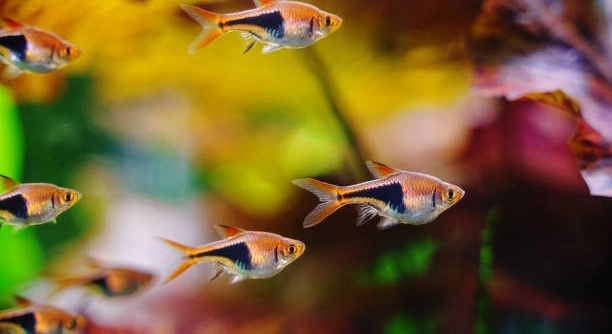
Have you ever noticed your rasboras swimming in an unusual way, flipping upside down in their tank? Observing this behavior can be surprising, especially when these tiny fish usually glide gracefully through the water.
Rasboras swimming upside down are often experiencing swim bladder issues or internal infections. The swim bladder regulates buoyancy, and any dysfunction can make maintaining normal orientation difficult. Poor water quality and improper diet also contribute to this condition.
Understanding why this happens can help you care for your fish better. Learning about the causes ensures your rasboras remain healthy and swim normally in their environment.
Common Causes of Upside-Down Swimming
Upside-down swimming in rasboras usually points to swim bladder problems. This small organ helps fish control their buoyancy. When it malfunctions, fish can flip, float, or sink uncontrollably. Overfeeding or feeding the wrong type of food can cause gas buildup, affecting the swim bladder. Infections or internal parasites can also interfere with proper buoyancy. Stress from sudden water changes, poor water quality, or overcrowding may weaken their system, making them more prone to swim bladder issues. Even minor injuries from collisions or rough handling can disrupt swimming. Observing your tank conditions and feeding habits carefully can reveal potential triggers. Adjusting the diet to include more natural, easily digestible food, keeping the water clean, and maintaining stable temperature can often prevent upside-down swimming. Monitoring your fish daily helps catch small problems before they escalate into serious health issues, giving your rasboras a better chance to recover naturally.
Swim bladder problems are the main reason for upside-down swimming, influenced by diet, water quality, infections, and stress factors.
Taking quick action can improve their condition. Making small changes in feeding routines and water care often restores normal swimming behavior in days.
Diet and Feeding Adjustments
Poor diet is a common factor for swim bladder issues in rasboras. Overfeeding leads to bloating, while foods high in air or low in nutrients can disrupt digestion. A mix of high-quality flakes, small pellets, and occasional live or frozen food works best. Feeding small portions twice daily prevents sudden stomach pressure and reduces the risk of buoyancy problems. Avoid feeding floating foods that cause fish to gulp air, as this can exacerbate upside-down swimming. Observing how quickly your fish eat can help adjust portion size. Providing variety ensures they receive essential nutrients to maintain organ health, including the swim bladder. It’s also important to fast them one day a week to allow their digestive system to reset. These adjustments not only improve swimming posture but also strengthen overall health, making rasboras more resilient to stress and minor infections.
Even small changes in feeding can significantly impact buoyancy and reduce upside-down swimming in rasboras.
Consistently monitoring diet, portion size, and the type of food will support healthy swim bladder function. Avoiding excessive air intake and providing fiber-rich options helps digestion. Over time, these measures can prevent recurring issues and promote steady, normal swimming patterns. By combining careful feeding with stable water conditions, your rasboras have a better chance of thriving without frequent buoyancy problems.
Water Quality and Tank Conditions
Poor water quality can directly affect rasboras’ buoyancy. High ammonia, nitrite, or nitrate levels stress fish and can damage internal organs, including the swim bladder. Regular testing and water changes are essential for maintaining a healthy tank.
Maintaining clean water is critical for preventing swim bladder problems. Temperature fluctuations, leftover food, and waste accumulation create an unstable environment that weakens fish health. Filtration should be adequate for tank size, and partial water changes of twenty to thirty percent weekly help remove toxins. Keeping decorations and substrate free of debris reduces the risk of accidental injuries that can also contribute to upside-down swimming. A stable, well-maintained environment reduces stress, supports digestion, and allows rasboras to swim normally.
Monitoring pH levels and maintaining consistent temperature help prevent stress-related swim bladder issues. Gentle water flow ensures oxygenation without exhausting the fish. Observing tank mates’ behavior is also important, as aggressive species may harass rasboras, leading to stress and swimming problems. A careful balance of cleanliness, water stability, and compatible fish creates a safe habitat, encouraging natural swimming posture and overall health. Regular attention to tank conditions makes a significant difference in preventing upside-down swimming and supports long-term wellbeing.
Infection and Illness
Bacterial and parasitic infections can affect internal organs and lead to buoyancy problems. Quarantining new fish prevents spreading diseases.
Infections are a serious factor in upside-down swimming. Parasites, bacteria, or fungi can inflame internal organs, including the swim bladder, disrupting normal buoyancy. Symptoms often include lethargy, clamped fins, or unusual swimming patterns. Prompt identification and treatment are essential to prevent worsening conditions. Using a high-quality water conditioner, maintaining hygiene, and providing appropriate medication as needed can address many infections. Avoid overcrowding to reduce stress and disease transmission. Regular observation ensures early detection and better outcomes for your fish.
Preventing infections is easier than treating them. Maintaining proper tank hygiene, avoiding sudden temperature changes, and isolating sick fish reduce the risk. Providing a balanced diet strengthens immune response, making rasboras less vulnerable. When treatment is necessary, following instructions carefully ensures effective recovery. By addressing infections early, you can restore healthy swimming behavior, improve overall vitality, and prevent long-term health complications. Consistency in care and vigilance against signs of illness play a key role in keeping upside-down swimming from recurring.
Stress and Overcrowding
Stress from overcrowding or aggressive tank mates can cause upside-down swimming. Limited space increases competition for food and resting areas, weakening fish over time.
Sudden changes in lighting, temperature, or water chemistry also trigger stress. Stress affects digestion and swim bladder function, leading to abnormal swimming patterns.
Temperature Fluctuations
Rapid temperature changes disrupt metabolism and buoyancy. Maintaining a stable, appropriate temperature for rasboras reduces stress and prevents swim bladder issues. Temperature should be consistent, avoiding sudden shifts during water changes or heater adjustments, which can cause disorientation and upside-down swimming.
Physical Injury
Accidental injuries from sharp decorations or rough handling can impact swimming posture. Even minor trauma may temporarily impair buoyancy and lead to upside-down swimming. Observing tank setup and ensuring gentle handling can prevent such injuries.
FAQ
What is the main reason rasboras swim upside down?
The primary cause is swim bladder dysfunction. This small organ controls buoyancy, allowing fish to maintain normal orientation. Diet, water quality, infections, and stress can all interfere with its function. When the swim bladder malfunctions, fish may float, sink, or swim upside down.
Can overfeeding cause upside-down swimming?
Yes, overfeeding can create gas buildup and bloating in the digestive system, which presses against the swim bladder. Feeding small, controlled portions and avoiding floating foods that encourage gulping air can prevent this problem. Including fiber-rich foods and fasting one day a week can help maintain proper digestion.
Does water quality affect swimming behavior?
Absolutely. Poor water conditions with high ammonia, nitrites, or nitrates can stress rasboras and weaken internal organs. Regular partial water changes, proper filtration, and monitoring pH and temperature levels reduce the risk of swim bladder issues and abnormal swimming patterns.
Can infections cause upside-down swimming?
Yes. Bacterial, parasitic, or fungal infections can inflame internal organs, including the swim bladder. Signs include lethargy, clamped fins, and erratic swimming. Prompt quarantine and treatment using proper medication are essential to restore normal swimming and prevent spreading disease.
Does stress make rasboras swim upside down?
Stress is a major factor. Overcrowding, aggressive tank mates, sudden lighting or temperature changes, and inconsistent feeding routines can trigger stress. Stress disrupts digestion and swim bladder function, causing abnormal swimming. Maintaining a calm environment and stable conditions helps reduce stress-related issues.
Can temperature changes cause upside-down swimming?
Yes, rapid or frequent temperature fluctuations affect metabolism and buoyancy. Keeping water temperature consistent and suitable for rasboras prevents disorientation. Gradual changes during water adjustments or heater maintenance reduce the risk of swim bladder problems.
Is diet alone enough to fix upside-down swimming?
Diet plays a key role, but alone it may not fully resolve the issue if infections, stress, or poor water conditions exist. A balanced approach including proper feeding, clean water, stable temperature, and observation of fish health is necessary for recovery.
How long does it take for rasboras to recover?
Recovery depends on the cause. Minor digestive issues may resolve in a few days with proper feeding. Swim bladder infections or internal injuries can take one to two weeks or longer, requiring consistent care, proper water quality, and sometimes medication.
Should sick fish be isolated?
Yes. Quarantining affected fish prevents spreading infections to healthy tank mates. Isolation also reduces stress, allowing treatment to work more effectively. Use a separate tank with controlled conditions and monitor food intake, behavior, and water quality closely.
Can tank decorations cause upside-down swimming?
Yes, sharp or rough decorations may injure fish, affecting swimming posture. Overcrowded or poorly arranged decorations can trap or stress fish, contributing to buoyancy issues. Smooth surfaces and safe spacing help reduce accidental injuries.
Are certain rasboras more prone to swim bladder issues?
Some species are more sensitive due to size, body shape, or diet preferences. Smaller or delicate species may react more to stress, diet, or water changes. Monitoring vulnerable species closely helps prevent upside-down swimming before it becomes a serious problem.
Can a single change fix the problem?
Usually not. Swim bladder issues are often caused by multiple factors, including diet, water quality, stress, and infections. Addressing all contributing factors together offers the best chance for restoring normal swimming.
How can I prevent upside-down swimming in the future?
Maintain stable water conditions, feed a balanced diet in small portions, avoid overcrowding, monitor tank mates’ behavior, and watch for early signs of illness. Regular observation and preventive care reduce the likelihood of recurring swim bladder problems and keep rasboras healthy.
Is medication always necessary?
Medication is only needed if infections are present. Digestive or minor swim bladder issues often improve with diet changes and water care. Using medication unnecessarily can stress fish further, so correct diagnosis is important before treatment.
How often should I check water parameters?
Testing weekly is ideal. Monitor ammonia, nitrite, nitrate, pH, and temperature consistently. Quick adjustments prevent stress and protect internal organs, including the swim bladder, keeping rasboras swimming normally and reducing the risk of upside-down behavior.
Can fasting help fix buoyancy issues?
Yes, fasting one day a week can aid digestion, relieve pressure on the swim bladder, and reduce bloating. This simple adjustment in feeding routine often improves swimming posture and supports overall fish health.
What signs indicate a serious problem?
Persistent upside-down swimming, lethargy, loss of appetite, clamped fins, or visible bloating signal serious issues. Prompt intervention through water care, dietary adjustments, or medication can prevent complications and support recovery.
Does tank size affect swimming behavior?
Yes. Small or overcrowded tanks increase stress, competition for food, and physical collisions. Adequate space allows free swimming, reduces stress, and helps maintain normal buoyancy. Ensuring proper tank size is key to preventing upside-down swimming.
Can companion fish impact rasboras’ buoyancy?
Aggressive or fast-moving tank mates may stress rasboras, causing erratic swimming and swim bladder problems. Choosing compatible, peaceful species reduces stress, encourages normal behavior, and prevents upside-down swimming.
Is it normal for occasional upside-down swimming?
Occasional, brief upside-down swimming may occur if a fish has swallowed air or food. Persistent or repeated behavior signals underlying issues that need attention. Consistent observation helps distinguish between minor occurrences and serious health problems.
How can I support recovery at home?
Provide clean, stable water, a balanced diet, gentle handling, and, if necessary, isolated treatment. Observing behavior and adjusting conditions helps restore buoyancy, reduce stress, and ensure rasboras regain normal swimming patterns effectively.
Can multiple factors combine to cause this behavior?
Yes. Often, diet, stress, water quality, infections, and injuries act together. Addressing all contributing factors simultaneously gives the best chance for recovery and prevents recurrence of upside-down swimming.
Are homemade remedies safe?
Homemade remedies may help digestion in minor cases but can be risky for infections or internal injuries. Using verified treatments and maintaining water quality is safer and more effective for long-term health.
Do all rasboras recover fully from swim bladder issues?
Many do with proper care, but severe infections, injuries, or prolonged stress can leave lasting effects. Early detection and consistent attention improve the likelihood of full recovery and restore normal swimming.
How can I tell if a swim bladder issue is improving?
Improvement shows as more controlled swimming, reduced floating or sinking, regained appetite, and more active behavior. Gradual progress indicates the interventions are working and that the fish is recovering.
Is prevention easier than treatment?
Yes. Stable water, proper feeding, low stress, and safe tank conditions prevent most swim bladder problems. Preventive care reduces the need for medication and keeps rasboras swimming normally long-term.
How long should I observe changes after adjustments?
Behavior may improve in a few days for minor issues, but infections or serious organ problems may take one to two weeks or longer. Continuous observation ensures interventions are effective and allows timely adjustments if needed.
Can multiple rasboras be affected at the same time?
Yes, especially if water quality is poor or disease spreads. Quarantining sick fish and addressing environmental factors prevents further cases and supports recovery for all affected individuals.
Is it safe to feed only flakes or pellets?
A varied diet is better. Flakes or pellets provide basic nutrition, but occasional live or frozen foods improve digestion and reduce swim bladder issues. Variety ensures essential nutrients for overall health.
How often should I monitor fish behavior?
Daily observation is best. Watching swimming patterns, eating habits, and interaction with tank mates helps detect early signs of swim bladder problems or other health issues before they worsen.
Does lighting affect swimming behavior?
Sudden or very bright lighting can stress fish, affecting digestion and buoyancy. Maintaining consistent, moderate lighting helps reduce stress and encourages normal swimming patterns in rasboras.
Can swim bladder problems return after recovery?
Yes, especially if underlying causes like diet, water quality, or stress are not addressed. Maintaining consistent care and preventive measures minimizes the chance of recurring upside-down swimming.
Are younger rasboras more vulnerable?
Juvenile fish may be more sensitive to diet, stress, and water quality changes. Extra care during early stages ensures proper swim bladder development and reduces the risk of abnormal swimming.
Is medication always the first option?
No. Most minor swim bladder issues improve with diet, fasting, and water care. Medication is reserved for infections or severe organ problems. Overuse can stress fish further, so correct diagnosis is essential.
Does swimming upside down always indicate illness?
Not always. Occasional upside-down swimming can occur from swallowed air or minor digestion issues. Persistent or frequent behavior usually signals swim bladder problems or underlying health issues.
Can I prevent injuries in the tank?
Yes. Smooth decorations, adequate spacing, and gentle handling reduce accidental trauma. Observing interactions with tank mates also prevents bullying and physical stress that may impact buoyancy.
Do live plants help prevent this behavior?
Live plants improve water quality, provide hiding spots, and reduce stress, supporting normal swimming. They also help stabilize the environment, indirectly preventing swim bladder issues.
Are there signs that indicate improvement after fasting?
Fish show better swimming control, less bloating, and more normal activity. Appetite returns gradually, and buoyancy stabilizes, signaling that dietary adjustments are helping the swim bladder recover.
Is it important to separate aggressive fish?
Yes. Aggressive tank mates increase stress, which affects digestion and buoyancy. Separation or careful selection of compatible species reduces stress and abnormal swimming behaviors.
Can water flow affect swim bladder issues?
Gentle water flow supports oxygenation without exhausting fish. Strong currents can tire rasboras, causing disorientation and abnormal swimming. Adjusting flow helps maintain normal buoyancy.
Do certain foods make swim bladder problems worse?
Yes, floating foods that cause air gulping, hard-to-digest flakes, or overfeeding can worsen swim bladder issues. Soft, small, nutrient-rich foods are safer and promote proper digestion.
Is quarantine necessary for all new fish?
Quarantine is highly recommended. It prevents introducing diseases that affect internal organs and swim bladder function. Observing new fish in isolation allows early treatment if needed.
How long should water changes be performed?
Partial water changes of twenty to thirty percent weekly maintain stable water quality, reducing stress and supporting normal swim bladder function. More frequent changes may be needed in heavily stocked tanks.
Can stress from transportation cause upside-down swimming?
Yes, moving fish or sudden environment changes can disrupt buoyancy. Allowing them to acclimate slowly and keeping water conditions stable reduces the risk of upside-down swimming after transport.
Are there long-term effects of repeated swim bladder issues?
Repeated problems can weaken fish, cause chronic stress, and affect growth or organ function. Preventive care and consistent monitoring are essential to avoid long-term health consequences.
Can all swim bladder problems be treated at home?
Most minor issues can be managed with diet, water care, and stress reduction. Severe infections or injuries may require veterinary guidance or specialized treatment. Observation and timely intervention are key to successful home care.
Does tank size influence recovery speed?
Larger, well-maintained tanks reduce stress, improve water quality, and allow normal swimming. This environment supports faster recovery compared to small, overcrowded, or unstable tanks.
Can temperature extremes worsen swim bladder problems?
Yes. Too high or too low temperatures increase stress, affect metabolism, and can aggravate swim bladder issues. Stable, suitable temperature is critical for healing.
How can I tell if diet is improving buoyancy?
Improved digestion, reduced bloating, and more controlled swimming indicate dietary adjustments are helping. Gradual, consistent improvements suggest the swim bladder is recovering.
Are frozen or live foods better than dry foods?
They are more digestible, reduce air ingestion, and provide essential nutrients. Including these foods occasionally helps prevent swim bladder issues while supporting overall health.
Does water hardness affect swimming?
Extreme hardness or softness can stress fish, affecting buoyancy. Maintaining moderate, species-appropriate water hardness helps prevent swim bladder problems.
Is observation alone enough to detect issues early?
Yes, daily attention to swimming patterns, eating habits, and interactions helps identify problems before they escalate, allowing timely corrective action.
Can swim bladder issues be hereditary?
Some species are more prone due to body shape or genetic factors. Awareness of these tendencies allows extra care to prevent issues.
Does fasting affect long-term health?
Properly timed fasting improves digestion and supports swim bladder function without harming overall health. It should be used as part of a balanced feeding routine.
Are there signs that a fish is stressed before swimming upside down?
Clamped fins, hiding, erratic movements, or reduced appetite often appear first. Catching stress early helps prevent swim bladder dysfunction and upside-down swimming.
Can multiple interventions be combined?
Yes. Diet adjustments, water care, stable temperature, quarantine, and observation together offer the best chance of restoring normal swimming and preventing recurrence.
Is it safe to treat multiple causes at once?
Yes, addressing diet, water quality, stress, and potential infections simultaneously improves recovery speed and reduces the likelihood of further issues.
Do tank mates influence recovery?
Peaceful, compatible fish reduce stress and support normal swimming. Aggressive or fast-moving species can delay recovery or worsen buoyancy problems.
How do I know if the fish is fully recovered?
Controlled swimming, normal appetite, consistent activity, and proper buoyancy indicate recovery. Observation over several days confirms stability.
Can water additives help prevent swim bladder issues?
Some additives improve water quality and reduce stress. Using them as directed supports internal organ health and helps maintain normal swimming patterns.
Are small tanks more risky for swim bladder problems?
Yes, limited space increases stress, competition, and accidental injuries. Adequate tank size is important for buoyancy and overall wellbeing.
Does acclimation affect swimming behavior?
Proper acclimation reduces stress from new water conditions, temperature changes, or tank mates, helping maintain normal swimming and prevent buoyancy issues.
Is upside-down swimming always noticeable immediately?
Not always. Subtle buoyancy changes may appear first, gradually worsening if causes are not addressed. Early detection improves outcomes.
Can multiple stress factors combine to trigger this behavior?
Yes, diet, water quality, tank mates, temperature changes, and injuries often act together. Addressing all factors ensures better recovery.
Do older rasboras recover slower than younger ones?
Older fish may have weaker organs or slower metabolism, making recovery from swim bladder issues take longer than in juveniles.
Can swim bladder issues be completely prevented?
Mostly, yes. Consistent care, proper diet, stable water, and low stress minimize risk. Vigilant observation ensures long-term healthy swimming.
Does water flow pattern affect recovery?
Gentle, steady flow helps oxygenate water without exhausting fish. Strong currents may delay recovery by increasing stress and disorientation.
Are commercial treatments effective?
Yes, when used correctly for infections or severe swim bladder issues. Always follow instructions and combine with proper water care.
Can swimming upside down affect other organs?
Prolonged buoyancy issues can stress the digestive system, muscles, and other organs, reducing overall health and resilience.
Is observation during feeding important?
Yes, monitoring how fish eat helps detect digestive problems, overfeeding, or gulping air that may worsen swim bladder issues.
Can fasting alone fix serious swim bladder problems?
No. Fasting helps mild digestive issues but infections, injuries, or severe organ dysfunction require additional interventions.
Does tank size impact long-term prevention?
Adequate space reduces stress, supports natural swimming, and lowers the risk of repeated buoyancy problems, contributing to long-term prevention.
Can floating foods be modified to prevent problems?
Soaking or crushing flakes before feeding reduces air intake and supports proper digestion, lowering the risk of upside-down swimming.
Are live plants beneficial for recovery?
Yes, they improve water quality, provide hiding spots, and reduce stress, supporting normal buoyancy and swim bladder function.
Is quarantine necessary for all water changes?
No, quarantine is for sick or new fish. Regular water changes maintain clean conditions, supporting buoyancy and overall health without isolation.
How long should I observe fish after adjustments?
Several days to weeks, depending on severity. Continuous observation ensures interventions are effective and detects lingering or recurring issues early.
Can multiple food types be combined safely?
Yes, combining flakes, pellets, live, and frozen foods ensures balanced nutrition and reduces digestive stress, supporting swim bladder health.
Are stress-reducing techniques effective?
Yes, gentle handling, stable lighting, compatible tank mates, and safe decorations reduce stress, helping restore normal swimming.
Do all rasboras respond the same way to treatment?
Individual response varies based on age, health, species, and severity of the issue. Consistent care improves recovery for most fish.
Is daily observation really necessary?
Yes, it allows early detection of issues, ensuring prompt action and reducing the risk of prolonged swim bladder problems.
Can multiple causes be prevented at the same time?
Yes, addressing diet, water quality, tank setup, and stress collectively reduces the chance of upside-down swimming and improves long-term health.
Does temperature stability affect long-term prevention?
Consistent, appropriate temperatures reduce stress, support metabolism, and help maintain proper buoyancy, preventing recurring swim bladder issues.
Can tank lighting impact recovery?
Moderate, consistent lighting reduces stress, encourages natural activity, and supports digestion, indirectly aiding swim bladder recovery.
Are smaller fish more sensitive to water changes?
Yes, delicate species like rasboras are more affected by sudden changes. Gradual adjustments help maintain normal swimming and buoyancy.
Does overfeeding during recovery make things worse?
Yes, excessive food adds pressure on the swim bladder, delaying recovery. Controlled portions and a balanced diet are essential.
Can tank decorations stress fish during recovery?
Yes, overcrowded or sharp decorations may cause injuries or restrict movement, increasing stress and prolonging swim bladder issues.
Are live foods essential for recovery?
Not essential but helpful. They improve digestion, reduce bloating, and provide nutrients that support swim bladder health.
Can upside-down swimming recur after recovery?
Yes, especially if underlying causes like diet, water quality, or stress are not addressed. Preventive care reduces recurrence.
Is observation after medication important?
Yes, monitoring behavior, appetite, and swimming ensures treatment is effective and recovery is progressing.
Do all tank mates need to be monitored?
Yes, aggressive or fast species can stress recovering fish, affecting buoyancy
Upside-down swimming in rasboras can be alarming, but it is often a manageable issue with careful attention. Most of the time, swim bladder problems, diet, water quality, stress, or minor injuries are the main factors behind this behavior. Understanding how each of these elements affects the fish helps in identifying the cause quickly. Observing their daily swimming patterns and overall activity provides valuable insight into their health. Changes in posture, appetite, or behavior are often early signs that something in their environment needs adjustment. By paying close attention to these signals, it is possible to intervene before the problem becomes serious. Small, consistent steps like adjusting feeding routines, maintaining clean water, and stabilizing tank conditions can make a big difference in their recovery.
Diet plays a crucial role in supporting swim bladder function and preventing upside-down swimming. Overfeeding or providing hard-to-digest foods can create bloating, which puts pressure on the swim bladder and disrupts normal buoyancy. Feeding smaller, more controlled portions, using easily digestible flakes, pellets, or occasional live and frozen foods helps prevent these issues. Fasting one day a week allows their digestive system to reset and reduces bloating. Along with proper nutrition, maintaining a balanced diet helps strengthen the immune system, making rasboras less susceptible to infections or stress-related problems. Careful attention to food type, portion size, and feeding frequency supports normal swimming patterns and overall well-being. Over time, these dietary adjustments can prevent repeated occurrences of upside-down swimming.
Water quality, tank conditions, and stress management are equally important for rasboras’ health. Poor water conditions, sudden temperature changes, or overcrowded tanks can stress fish and weaken their internal systems, including the swim bladder. Regular partial water changes, adequate filtration, and monitoring pH and temperature levels help create a stable environment. Minimizing stress by selecting compatible tank mates, arranging decorations safely, and maintaining gentle water flow supports natural swimming behavior. Infections can also affect buoyancy, so isolating sick fish and providing appropriate treatment when necessary is important. Combining careful observation, preventive care, and quick responses to changes ensures that rasboras recover and maintain healthy swimming. By addressing diet, environment, and health together, it is possible to reduce the risk of upside-down swimming and support their long-term vitality.

Hello,
If you enjoy the content that we create, please consider saying a "Thank You!" by leaving a tip.
Every little bit helps us continue crafting quality advice that supports the health, happiness, and well-being of pets around the world, for pets of all shapes, sizes, and species.
We really appreciate the kindness and support that you show us!