
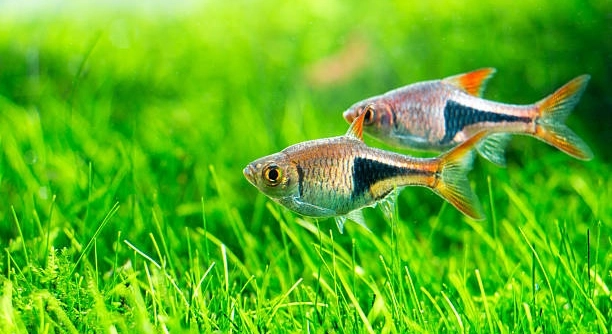
Many aquarists enjoy watching their rasboras swim gracefully in their tanks. Sometimes, these small fish move in unusual ways, including swimming backwards. This behavior can catch attention and spark interest in understanding their actions.
Rasboras swimming backwards often result from stress, illness, or water quality issues. Environmental changes, parasites, or improper diet can disrupt their normal swimming patterns, making it essential to monitor tank conditions and overall fish health.
Observing these behaviors closely can help ensure rasboras remain healthy and active. Simple adjustments in care can improve their comfort and swimming habits.
Common Reasons Rasboras Swim Backwards
Rasboras are sensitive fish that respond quickly to changes in their environment. Water quality is one of the main factors affecting their behavior. High ammonia, nitrite, or nitrate levels can make them uncomfortable, causing unusual swimming patterns. Temperature fluctuations can also stress them, especially if the water becomes too warm or too cold. Overcrowding in the tank reduces space for swimming, which can lead to erratic movements, including backward swimming. Poor diet or sudden changes in feeding schedules may weaken their strength and coordination, making backward swimming more noticeable. Sometimes, parasites or mild infections can affect their balance and orientation in water. Observing their behavior alongside water tests can help identify potential issues. Providing clean water, a stable temperature, and a proper diet can often resolve these odd swimming behaviors and improve their overall activity.
Stress and illness are the main triggers for backward swimming, so regular monitoring is key.
Watching tank conditions closely can prevent problems from worsening. Consistent maintenance, like water changes and careful feeding, reduces stress. Creating hiding spots and maintaining proper tank size helps rasboras feel secure. Even small improvements in care, such as stable temperature or gentle filtration, can make a noticeable difference in their swimming. By keeping the environment predictable, these fish are more likely to swim normally, interact with their tankmates, and display their natural behaviors. Understanding their habits allows for better long-term health and prevents minor issues from developing into serious concerns.
How to Correct Backward Swimming
Proper water maintenance is crucial for healthy rasboras.
Adjusting the tank environment can quickly reduce backward swimming. Regular water changes help maintain safe chemical levels and remove debris. Using a reliable heater and thermometer ensures stable temperature, which prevents stress from sudden fluctuations. Maintaining an appropriate number of fish avoids overcrowding, allowing them to swim freely. Providing a balanced diet with high-quality flakes or small live foods strengthens their health. Observing for signs of illness or parasites is important, and treating issues promptly can prevent abnormal swimming. Gentle tank decorations and hiding spaces offer security and reduce anxiety, making fish more confident in their movements. Sometimes, even small changes, like moving a decoration or adjusting the light, can improve comfort. By addressing these environmental and health factors, backward swimming often diminishes, restoring normal behavior and supporting overall vitality in the tank.
Regular checks of water and behavior help maintain stable conditions.
Consistent monitoring of rasboras and their tank is essential for long-term well-being. Begin by testing water parameters weekly to catch problems early. Ensure the heater maintains a temperature appropriate for tropical fish, generally between 24–28°C, and avoid sudden shifts. Feeding should be measured and consistent, offering varied nutrition to prevent deficiencies. Observe fish daily for signs of stress, illness, or unusual swimming, as early detection allows faster intervention. Maintain proper tank size and avoid overcrowding, giving each fish space to move naturally. Decorations should provide shelter without restricting swimming. Light exposure should mimic natural cycles, preventing stress from constant bright light. Parasites or infections should be treated immediately with recommended medications. Even small improvements in care routines, such as a gentle water flow or routine partial water changes, can significantly enhance rasboras’ comfort. By combining careful observation with proper maintenance, backward swimming becomes rare, and overall fish health improves consistently.
Preventing Backward Swimming
Stable water conditions reduce stress and prevent unusual swimming. Proper filtration keeps the tank clean, while routine partial water changes maintain chemical balance. Avoid overcrowding to give rasboras space, and provide hiding spots to make them feel secure and comfortable in their environment.
Providing a balanced diet and proper tank conditions is essential for healthy rasboras. Overfeeding or sudden changes in food can upset their digestive system, causing weakness and irregular movements. Including high-quality flakes, occasional live foods, and vegetables ensures they get necessary nutrients. Regularly testing water for ammonia, nitrites, and nitrates helps maintain a safe environment. Tank decorations should allow free swimming and offer shelter. Stress from overcrowding, poor water, or sudden changes can trigger backward swimming, so monitoring behavior daily is important.
Adjusting light and temperature can further prevent stress-induced backward swimming. Bright or constant light may startle fish, while sudden temperature drops weaken them. Keep lighting on a consistent schedule and avoid direct sunlight. Gradually adjust the heater to maintain stable warmth. Even minor improvements in tank setup, such as gentle water flow or rearranging plants, can help rasboras feel more comfortable. Observing their movements closely helps detect early signs of stress, making it easier to correct problems before they escalate.
Health Concerns Linked to Backward Swimming
Illness and parasites are common reasons rasboras swim backwards. Observing for spots, swelling, or abnormal fins can indicate health issues that need attention. Immediate action can prevent worsening conditions and support recovery.
Internal infections or swim bladder problems can cause backward swimming. Swim bladder issues affect buoyancy, making fish struggle to maintain normal posture. Poor water quality, overfeeding, or bacterial infections can contribute. Parasites can irritate the skin or gills, leading to abnormal movements. Addressing these health problems quickly with proper medications or water adjustments is crucial. Quarantining affected fish helps prevent spreading diseases to others. Even minor symptoms should be taken seriously, as early treatment improves the chances of full recovery. Regular observation and maintenance help reduce the risk of recurring issues.
Environmental stress can worsen existing health problems, making backward swimming more likely. High ammonia or nitrite levels weaken fish immunity, and sudden temperature changes can trigger infections. Maintaining a stable, clean tank reduces the likelihood of disease and supports healing. Balanced nutrition strengthens resistance to illness, while gentle handling minimizes additional stress. Combining careful observation with routine preventive care ensures rasboras remain healthy and active. Acting promptly when signs of illness appear can prevent permanent damage, while consistent maintenance reduces the frequency of abnormal swimming behavior. Over time, this approach fosters a thriving tank environment where rasboras move confidently.
Tank Setup Considerations
Proper tank setup reduces stress and unusual behavior in rasboras. Ensure the tank is spacious enough for swimming, with a gentle filter and stable temperature. Decorations should provide hiding spots without restricting movement. A balanced environment helps maintain normal swimming patterns and overall fish health.
Lighting and plant placement influence comfort. Avoid harsh or constant light, and arrange plants to allow open swimming areas. Natural-looking setups help rasboras feel secure, reducing stress-related backward swimming. Even small adjustments can improve their confidence and activity levels in the tank.
Monitoring Behavior
Regular observation helps detect early signs of stress or illness. Watch for changes in swimming patterns, appetite, or interaction with tankmates. Keeping a journal of behavior can identify trends and guide care adjustments, ensuring rasboras remain healthy and active.
Feeding Practices
Overfeeding or inconsistent schedules can disrupt rasboras’ digestion and energy levels. Feed small, measured portions and maintain a consistent routine to support healthy movement and behavior.
FAQ
Why do my rasboras swim backwards occasionally?
Rasboras may swim backwards due to stress, illness, or water quality issues. Sudden changes in temperature, overcrowding, or poor water conditions can make them uncomfortable. Even minor disturbances, like strong water currents or sudden bright lights, may trigger backward swimming. Monitoring the tank and maintaining stable conditions usually resolves this behavior.
Can diet affect backward swimming?
Yes, diet plays an important role. Overfeeding can cause digestive problems, while underfeeding can weaken fish, both affecting swimming patterns. A balanced diet of high-quality flakes, occasional live foods, and vegetables helps rasboras maintain strength, buoyancy, and normal movement. Consistent feeding schedules are also important.
Is backward swimming a sign of disease?
Sometimes it is. Swim bladder disorders, internal infections, or parasites can affect balance, causing fish to swim unusually. Observing other symptoms, such as bloating, spots, frayed fins, or lethargy, can help identify health problems. Prompt treatment or water adjustments often restore normal behavior.
How can I prevent backward swimming caused by stress?
Maintaining a stable environment is key. Avoid overcrowding, keep consistent water parameters, and provide hiding spots. Gentle filtration and moderate lighting reduce stress. Gradual adjustments to decorations, plants, or tank layout can also make rasboras feel more secure, encouraging normal swimming.
What water parameters are ideal for rasboras?
Rasboras thrive in water with a temperature of 24–28°C, pH between 6.5–7.5, and low ammonia, nitrite, and nitrate levels. Stable parameters prevent stress and support their immune system. Regular testing and partial water changes help maintain these conditions.
Can tankmates affect backward swimming?
Yes, aggressive or overly active tankmates can stress rasboras, causing erratic swimming. Peaceful, similarly sized fish are better companions. Observing interactions and separating fish if necessary can reduce stress and restore normal swimming patterns.
How long does it take for rasboras to recover from backward swimming?
Recovery depends on the cause. If it’s stress or poor water conditions, improvements can appear within days after adjustments. Health-related issues may take longer, requiring treatment and observation over weeks. Consistent care ensures faster and more complete recovery.
Are there any long-term effects of backward swimming?
Occasional backward swimming from mild stress usually has no lasting effects. Persistent backward swimming due to illness or poor conditions can weaken fish, making them more susceptible to disease. Addressing the cause promptly reduces the risk of long-term problems.
Should I quarantine a fish showing backward swimming?
Quarantining is a good precaution if illness is suspected. It prevents potential spread of disease to healthy tankmates. Observe the fish closely, treat if needed, and ensure water quality and diet are optimal during quarantine for faster recovery.
Can environmental enrichment help prevent backward swimming?
Yes, adding plants, gentle currents, and hiding spaces creates a comfortable and stimulating environment. Enrichment reduces stress, encourages natural behaviors, and promotes normal swimming patterns, making backward swimming less likely.
What signs indicate urgent health problems?
If backward swimming is accompanied by lethargy, rapid gill movement, swelling, or visible parasites, it may indicate serious illness. Immediate action, such as water changes, isolation, or medication, is required to prevent deterioration and support recovery.
How often should I observe my rasboras?
Daily observation is ideal. Watching their swimming, feeding, and interaction patterns helps detect early signs of stress or illness. Keeping a brief record of behavior and water parameters makes it easier to spot trends and act quickly when needed.
Can water flow direction impact backward swimming?
Strong or turbulent currents can confuse rasboras, causing them to swim backward to adjust. Gentle filtration and moderate flow prevent this stress. Positioning the filter to avoid direct streams in open swimming areas helps maintain comfort.
Do all rasboras swim backward occasionally?
Not all do, but it can occur under stress, illness, or sudden environmental changes. Observing individual differences and responding to unusual behavior promptly ensures they remain healthy and comfortable in the tank.
Is it normal for young rasboras to swim backward?
Juveniles may exhibit backward swimming more frequently while developing strength and coordination. This is usually temporary. Providing stable conditions, proper nutrition, and space supports healthy growth and reduces persistent backward swimming.
Can temperature changes trigger backward swimming?
Yes, sudden drops or rises in water temperature can shock rasboras, leading to unusual swimming. Gradual adjustments and a reliable heater or thermometer help maintain a stable environment, reducing stress and abnormal movement.
Does tank size matter for preventing backward swimming?
A larger tank allows rasboras space to swim freely and reduces stress from overcrowding. Even small adjustments, like reducing fish numbers or rearranging decorations, improve swimming comfort and reduce abnormal behaviors.
Are there any behavioral patterns linked to backward swimming?
Stress, fatigue, or exploratory behavior can all result in occasional backward swimming. Observing patterns, such as time of day, feeding, or tank activity, can help identify triggers and guide improvements to their environment.
Can water hardness affect swimming behavior?
Extreme water hardness may cause discomfort or stress in rasboras, contributing to unusual swimming. Maintaining moderate hardness suited to tropical fish supports their overall well-being and encourages normal movement.
How do I know if my rasboras are stressed?
Signs of stress include rapid swimming, hiding frequently, loss of appetite, color fading, or backward swimming. Reducing stressors such as overcrowding, strong currents, or poor water quality helps them regain comfort and normal behavior.
What preventive measures ensure long-term swimming health?
Stable water conditions, balanced diet, proper tankmates, gentle filtration, hiding spots, and regular observation all help maintain rasboras’ swimming health. Quick responses to abnormal behavior and proactive care prevent recurring backward swimming and support their long-term vitality.
Can stress from tank maintenance trigger backward swimming?
Yes, sudden changes during cleaning, water changes, or rearranging decorations can temporarily stress rasboras. Gentle handling, gradual adjustments, and maintaining consistent routines reduce stress and limit abnormal swimming behavior.
Is backward swimming common in all rasbora species?
It can occur in most species under stress or illness, though some may be more prone due to size, temperament, or sensitivity. Observing species-specific behaviors helps provide tailored care and reduces the frequency of backward swimming.
How important is quarantine for new fish?
Quarantining new fish before introducing them prevents potential disease from spreading to established rasboras. A safe quarantine period allows observation of health, reducing stress and backward swimming in the main tank.
What role does social interaction play in swimming behavior?
Rasboras are schooling fish, and social isolation or incompatible tankmates can stress them, leading to backward swimming. Keeping them in groups of appropriate size promotes natural behavior and swimming confidence.
Can water pH changes cause backward swimming?
Sudden shifts in pH can stress rasboras, causing unusual movements. Maintaining a stable pH within their preferred range prevents discomfort and supports normal swimming patterns.
Are there any signs that backward swimming is harmless?
Occasional, brief backward swimming without other symptoms usually indicates minor stress or exploration rather than serious health issues. Consistent observation ensures it doesn’t develop into a problem.
How often should I test water to prevent backward swimming?
Weekly water testing for ammonia, nitrites, nitrates, pH, and temperature is recommended. Frequent checks help maintain a stable environment and reduce stress-induced swimming abnormalities.
What is the first step if my rasbora starts swimming backward?
Check water quality and tank conditions immediately. Observe for signs of illness, monitor behavior, and make gradual environmental adjustments. Early detection and action often resolve backward swimming before it escalates into a serious problem.
How do I treat swim bladder issues in rasboras?
Adjusting diet, fasting for a day or two, and ensuring clean water can help mild cases. Severe issues may require veterinary advice. Maintaining proper nutrition and avoiding overfeeding reduces recurrence.
Can lighting changes prevent backward swimming?
Yes, consistent, moderate lighting prevents stress. Avoid harsh, direct light or sudden changes. Providing shaded areas or plants allows rasboras to control exposure, reducing abnormal swimming.
Does overcrowding cause backward swimming?
Yes, limited space increases stress and competition for resources, leading to unusual swimming. Reducing fish numbers or providing a larger tank encourages natural movement and comfort.
How long should I observe before intervening?
Observe for several hours to a day, noting patterns and other symptoms. Prompt intervention is necessary if backward swimming persists or is accompanied by signs of stress or illness.
Can adding more plants help?
Yes, plants offer hiding spots and reduce stress. They also improve water quality and create natural barriers, helping rasboras feel secure and swim normally.
Are water changes beneficial for preventing backward swimming?
Regular partial water changes maintain clean, stable conditions. They reduce toxins, improve oxygen levels, and help prevent stress-related behaviors like backward swimming.
Do rasboras recover fully from backward swimming episodes?
With proper care, stable water, good nutrition, and reduced stress, most rasboras fully recover and return to normal swimming patterns. Consistent monitoring ensures problems do not recur.
Can stress from other tank activities trigger backward swimming?
Yes, activities like rearranging decorations, sudden loud noises, or frequent tapping on the tank can stress rasboras. Minimizing disturbances helps maintain normal swimming and overall comfort.
Is it normal for older rasboras to swim backward?
Occasional backward swimming may occur due to weaker muscles or age-related changes. Providing stable conditions and gentle care supports continued healthy movement in older fish.
Can temperature instability during the night cause issues?
Yes, nighttime drops or spikes can stress rasboras. Using a reliable heater and monitoring temperature fluctuations ensures stable conditions, reducing backward swimming occurrences.
How important is tank maintenance for long-term behavior?
Regular cleaning, water testing, and careful observation prevent stress, illness, and abnormal swimming. Consistent maintenance fosters a stable environment, allowing rasboras to swim normally and remain healthy over time.
Are some rasboras more prone to backward swimming?
Individual temperament, health, and sensitivity to stress vary. Some may react more strongly to environmental changes. Observing each fish’s behavior helps tailor care and minimize backward swimming incidents.
Can fasting help with backward swimming caused by digestive issues?
Yes, skipping one feeding can relieve minor digestive stress and buoyancy problems. Follow up with a balanced diet to maintain strength and prevent recurrence.
Do temperature or pH swings affect young fish more?
Juvenile rasboras are more sensitive to environmental changes. Stable water, proper nutrition, and gradual adjustments help prevent stress-induced backward swimming during early growth stages.
How do I know if backward swimming is temporary?
Brief episodes without other symptoms, followed by normal swimming, indicate temporary behavior. Persistent backward swimming or accompanying signs of stress or illness require attention.
Can tank layout adjustments reduce backward swimming?
Yes, rearranging decorations to allow open swimming paths and providing hiding spots can reduce stress and encourage normal movement.
Is it necessary to isolate a fish showing backward swimming?
Isolation is recommended if illness is suspected, to prevent spreading disease. Otherwise, improving tank conditions and monitoring behavior is often sufficient.
Does feeding frequency affect swimming patterns?
Consistent, moderate feeding prevents digestive stress. Overfeeding or irregular schedules can weaken fish and contribute to backward swimming. Maintaining routine supports normal movement.
Are there behavioral signs that indicate recovery?
Return to normal swimming, active feeding, and interaction with tankmates indicate recovery. Gradual reduction of backward swimming shows the fish is regaining comfort and strength.
Can tank noise or vibrations cause backward swimming?
Yes, loud noises, tapping, or vibrations can startle rasboras, triggering backward swimming. Reducing disturbances helps them feel safe and maintain normal behavior.
Does overcrowding affect young fish differently than adults?
Yes, juveniles are more sensitive to limited space and stress from tankmates. Proper stocking and space are crucial for healthy growth and normal swimming patterns.
Can environmental enrichment prevent health-related backward swimming?
Providing plants, hiding spots, and gentle currents reduces stress and supports immune health, indirectly lowering the risk of illness-related abnormal swimming.
How do I know if water flow is too strong?
If rasboras struggle to swim, hug the bottom, or swim backward frequently, the current may be too strong. Adjusting filter output or redirecting flow helps maintain comfort.
Are occasional backward swimming episodes normal?
Yes, brief, isolated backward swimming can occur during exploration, feeding, or minor stress. Persistent or repeated episodes suggest environmental or health issues that need attention.
What role does oxygenation play in swimming behavior?
Low oxygen levels can stress fish and reduce swimming efficiency. Aeration, proper plant placement, and moderate filtration improve oxygen, reducing backward swimming caused by stress or fatigue.
Can tank mates’ behavior influence swimming patterns?
Yes, aggressive or overly active fish can intimidate rasboras, leading to backward swimming. Choosing compatible, peaceful companions encourages normal behavior.
How do I balance enrichment with swimming space?
Provide hiding spots and plants without overcrowding the tank. Open swimming areas allow freedom of movement while maintaining comfort and security.
Are water parameter swings more stressful than minor tank disturbances?
Yes, sudden chemical changes or temperature shifts generally cause more stress than small rearrangements or brief disturbances. Stable water is the foundation of healthy behavior.
Can stress from handling during water changes trigger backward swimming?
Yes, rough handling or sudden water removal can stress fish. Gentle, slow adjustments during maintenance minimize backward swimming and support normal behavior.
How can I track improvement in swimming behavior?
Daily observation and notes on swimming patterns, feeding, and activity help track recovery. Reduction in backward swimming and consistent normal movement indicate positive changes.
Does the frequency of backward swimming indicate severity?
Yes, occasional episodes are often minor, while persistent backward swimming suggests stress, illness, or environmental problems that need immediate attention.
Can older tank setups increase backward swimming risk?
Accumulated debris, worn filtration, or outdated heaters can create unstable conditions. Regular maintenance prevents stress and supports normal swimming behavior.
Are there specific times when backward swimming is more common?
Episodes may occur after feeding, during water changes, or when tank conditions fluctuate. Observing patterns helps identify triggers and implement preventive measures.
How do I prioritize care steps when backward swimming occurs?
Check water quality first, observe fish for illness, adjust diet, and ensure proper tank setup. Addressing these systematically reduces stress and restores normal swimming.
Can backward swimming be completely eliminated?
With proper care, stable water, appropriate tankmates, and monitoring, backward swimming can be minimized. Occasional harmless episodes may still occur, but persistent issues can usually be resolved.
How important is routine observation for prevention?
Daily or frequent observation detects problems early, allowing timely adjustments. Routine checks are crucial for maintaining rasboras’ health and reducing abnormal behaviors like backward swimming.
Does tank location affect swimming behavior?
Yes, placing the tank in a quiet, stable environment away from vibrations, direct sunlight, or heavy traffic reduces stress and backward swimming incidents.
Can introducing new fish trigger backward swimming?
Yes, new fish can stress existing rasboras through competition or curiosity. Quarantine and gradual introductions reduce stress and minimize abnormal swimming.
Are water conditioners helpful in preventing backward swimming?
Yes, conditioners remove chlorine, chloramines, and heavy metals, making water safer. This reduces stress and supports healthy swimming behavior.
Can temperature fluctuations during cleaning cause backward swimming?
Yes, sudden changes when adding water or replacing decorations can stress fish. Using preconditioned water and gradual adjustments prevents abnormal movements.
Does the number of hiding spots affect backward swimming?
Yes, adequate hiding spots reduce stress and provide security, decreasing the likelihood of backward swimming. Overcrowding or insufficient shelter can cause discomfort and abnormal behavior.
How do I know if my tank setup is ideal?
A balanced setup includes appropriate space, stable water, gentle filtration, hiding spots, compatible tankmates, and moderate lighting. Observing consistent, normal swimming indicates a healthy environment.
Is backward swimming more likely in small tanks?
Yes, limited space increases stress and restricts movement. Providing a larger tank or reducing fish numbers encourages normal swimming and reduces abnormal behavior.
Can consistent feeding times reduce backward swimming?
Yes, regular feeding prevents digestive stress and maintains energy levels, supporting normal swimming patterns and reducing erratic movements.
Does water temperature play a bigger role than diet?
Both are important, but unstable temperature can quickly stress rasboras, causing immediate abnormal swimming. Diet supports overall health and long-term swimming efficiency.
How long should I monitor after fixing water issues?
Observe for several days to ensure behavior stabilizes. Continuous monitoring confirms improvements and helps catch any recurring problems early.
Can backward swimming occur without any visible illness?
Yes, stress or environmental changes alone can trigger backward swimming. Absence of other symptoms usually indicates a temporary reaction rather than a serious health issue.
Are some rasboras naturally more active and prone to backward swimming?
Yes, individual temperament and activity levels vary. More active or curious fish may occasionally swim backward during exploration or adjustment to tank conditions.
Does tank age affect backward swimming frequency?
Older tanks with accumulated debris, worn equipment, or unstable water parameters may increase stress and abnormal swimming. Regular maintenance mitigates these risks.
Can small water changes cause backward swimming?
Sudden large changes can stress fish, but small, gradual water replacements usually help maintain stability and prevent abnormal swimming patterns.
Is it normal for rasboras to swim backward briefly while exploring?
Yes, occasional backward swimming during exploration or feeding is common and usually harmless if no other symptoms are present.
Can backward swimming be a sign of aging?
Occasionally, older rasboras may swim backward due to weaker muscles or coordination. Providing stable, comfortable conditions supports continued normal movement.
Does stress from other fish affect young and old rasboras differently?
Yes, juveniles are more sensitive to tankmates, while older fish may be less resilient to aggression or competition. Proper stocking and compatible companions help both age groups.
How can I reduce sudden stress during tank maintenance?
Move decorations gently, add water slowly, and avoid loud noises. These small adjustments prevent startling rasboras and reduce backward swimming incidents.
Is backward swimming more common after feeding?
Sometimes, overfeeding or quick feeding can temporarily affect buoyancy, causing brief backward swimming. Measuring portions and observing feeding behavior prevents issues.
Can adjusting water flow prevent backward swimming?
Yes, directing strong currents away from open swimming areas or reducing filter output can help rasboras swim comfortably and avoid backward movements.
Are there specific signs that backward swimming is diet-related?
Frequent episodes after feeding, bloating, or
Rasboras are delicate fish that respond strongly to changes in their environment. Backward swimming is often a sign that something in the tank is not ideal, whether it is stress, water quality issues, diet, or health problems. Paying close attention to their behavior can help identify the source of the problem before it becomes serious. Even small changes in water temperature, pH, or lighting can affect them. Maintaining stable water parameters and a clean environment is essential for their comfort and overall health. A properly set up tank with gentle filtration, sufficient space, and hiding spots makes rasboras feel secure, which naturally reduces abnormal swimming behavior. Observing their interactions with tankmates is also important because aggression or overcrowding can lead to stress and trigger backward swimming.
Nutrition plays a key role in keeping rasboras strong and balanced. A diet that includes high-quality flakes, occasional live foods, and vegetables ensures they get the necessary nutrients for healthy growth and buoyancy. Overfeeding or inconsistent feeding schedules can upset their digestive system and make them swim awkwardly. Juvenile rasboras are particularly sensitive to dietary changes, so consistent feeding is critical during their early development. Keeping an eye on their eating habits can also help detect early signs of illness. Weakness or refusal to eat can be a clue that a fish is unwell, which may explain persistent backward swimming. By maintaining a healthy diet and proper tank conditions, rasboras are more likely to swim naturally and remain active, showing their usual schooling behavior.
Regular observation and proactive care are the most effective ways to prevent backward swimming from becoming a long-term issue. Monitoring water parameters, watching for unusual behavior, and checking for signs of illness help catch problems early. Simple actions such as performing partial water changes, adjusting decorations, or adding hiding spots can make a noticeable difference in comfort and confidence. Quarantining new or sick fish prevents the spread of disease and allows focused care for those that need it. Small adjustments, like maintaining stable lighting and moderate water flow, also reduce stress and encourage normal swimming patterns. Consistency in care routines builds a stable environment that supports both physical health and behavioral well-being. Over time, careful maintenance and observation will minimize backward swimming, allowing rasboras to thrive and display their natural, graceful movements. This approach ensures they remain healthy, active, and comfortable in the tank, making your aquarium a pleasant and peaceful space for both the fish and the observer.

Hello,
If you enjoy the content that we create, please consider saying a "Thank You!" by leaving a tip.
Every little bit helps us continue crafting quality advice that supports the health, happiness, and well-being of pets around the world, for pets of all shapes, sizes, and species.
We really appreciate the kindness and support that you show us!