
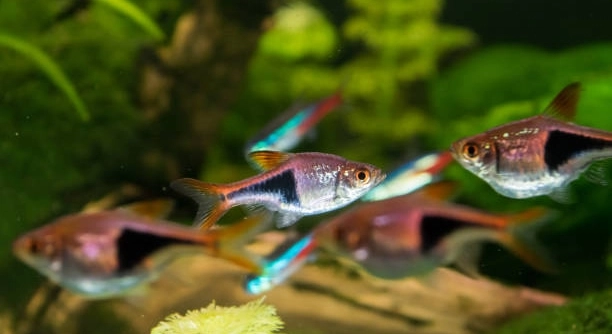
Rasboras are small, active fish that often capture attention with their shimmering colors. Observing them hover in the middle of the tank can be both fascinating and puzzling for aquarists, especially those new to keeping them. Their behavior sometimes seems unpredictable.
Rasboras hover mid-tank primarily due to water conditions, diet, and social interactions. Inadequate oxygen levels, fluctuating temperatures, or improper nutrition can influence swimming patterns, while schooling behavior and stress also contribute to their tendency to remain suspended away from the tank bottom.
Understanding why rasboras behave this way can improve their care. Recognizing environmental cues and feeding patterns helps maintain a healthy, active aquarium community.
Understanding Water Conditions
Water conditions are a major factor in why rasboras hover mid-tank. Poor water quality, including high ammonia or nitrite levels, can stress fish and make them seek calmer areas in the tank. Temperature fluctuations also affect their swimming patterns, as rasboras prefer stable, slightly warm water. In addition, low oxygen levels force them to stay in areas where oxygen is more accessible. Tank size and flow also matter; too much current can tire them, while too little can leave them hovering in the middle. Regular testing and maintenance, including partial water changes and monitoring pH, hardness, and temperature, create a stable environment. Ensuring proper filtration helps maintain cleanliness and oxygenation, reducing stress and abnormal swimming behaviors. Watching your fish closely can reveal subtle signs of discomfort that may require adjustment of water parameters. A well-balanced, stable environment encourages natural activity and schooling behavior, keeping rasboras healthy and active throughout the tank.
Consistent water testing and filtration adjustments are essential. Stable temperature, clean water, and proper oxygen levels allow rasboras to swim naturally and reduce hovering.
Even minor changes in water quality can have noticeable effects. Rasboras are sensitive to sudden shifts, so gradual adjustments are best. Overfeeding can worsen water quality, while underfeeding may affect their energy levels. Observing how they respond to changes helps identify problems early. Proper placement of decorations and plants also contributes to comfort, giving them hiding spots while still allowing free swimming. Maintaining balance between activity, food, and clean water promotes calmer behavior and reduces hovering. Small, consistent steps often yield the most stable results for their overall health.
Diet and Feeding Patterns
Improper diet can make rasboras hover mid-tank, as they may conserve energy or search for food.
Feeding small portions multiple times a day helps regulate their activity. Balanced nutrition with high-quality flakes, frozen, or live food keeps them healthy. Avoid overfeeding, as excess food can decay, harming water quality. Watch how they respond to new foods and adjust portions accordingly. Regular feeding routines encourage natural swimming and reduce stress-induced hovering.
Diet directly affects energy and behavior. Rasboras require protein-rich foods to maintain activity, but too much can lead to obesity or poor water quality. They also benefit from variety, including brine shrimp, daphnia, and finely chopped vegetables, which provide essential nutrients. Feeding at consistent times helps them anticipate meals, reducing aimless hovering in search of food. Inadequate diet may weaken their immune system, making them more sensitive to environmental changes and stressors. Proper nutrition supports schooling, breeding readiness, and overall vitality, ensuring rasboras remain active and alert. Monitoring both their consumption and water quality after feeding allows you to make timely adjustments that prevent lingering debris and ammonia spikes, keeping the tank safe and stable. By maintaining a balanced feeding plan, you support their natural behavior and reduce unwanted mid-tank hovering, creating a healthier, more harmonious aquarium environment.
Social Behavior and Stress
Rasboras are schooling fish, and their mid-tank hovering often relates to social dynamics. When isolated or in small groups, they may stay suspended in search of companions. Stress from overcrowding or sudden changes also impacts their positioning in the tank.
Schooling behavior is a natural instinct that keeps rasboras feeling secure. In a group of at least six or more, they swim together, reducing mid-tank hovering caused by anxiety. Sudden loud noises, aggressive tank mates, or rapid environmental changes can trigger stress, making them pause in the middle. Providing hiding spots and open swimming areas allows them to feel safe while remaining active. Observing interactions within the group can indicate whether social stress or environmental stress is influencing their behavior. Maintaining a stable environment and adequate group size supports natural schooling, reducing hovering and promoting calm swimming patterns.
Stress can also result from external disturbances, such as sudden lighting changes or human activity near the tank. Overcrowded tanks limit swimming space, forcing rasboras to hover. Even minor stressors like improper tank decorations or incompatible species can contribute. Regular observation and adjusting tank conditions help minimize stress, encouraging natural movement. Ensuring compatibility of tank mates and maintaining consistency in water quality, feeding, and environment fosters a calm community. By addressing both social and environmental factors, rasboras display healthier behavior, with less frequent mid-tank hovering.
Tank Setup and Decoration
Proper tank setup directly influences rasboras’ mid-tank behavior. Plants, driftwood, and open swimming spaces help them feel secure and reduce hovering.
A well-decorated tank balances hiding spots and free space. Rasboras need areas to retreat when stressed but also require unobstructed swimming zones. Tall plants near the back and sides create security while keeping the center open for active schooling. Avoid overcrowding the tank with decorations, which can limit movement and increase hovering. The substrate type also matters; smooth gravel or sand allows easy navigation and reduces stress. Filtration placement is key, as strong currents near decorations can force them to remain in the middle to conserve energy. Observing how they interact with the environment can guide adjustments to layout, lighting, and plant density.
Lighting and placement of decorations also affect activity. Soft lighting mimics natural conditions, encouraging normal swimming. Floating plants can provide shaded areas, giving rasboras a sense of safety while allowing the center of the tank to remain open. Driftwood and rocks create natural boundaries without obstructing swimming paths. Regularly rearranging plants slightly helps simulate a natural environment, keeping them engaged and reducing hovering caused by boredom or lack of stimulation. Consistent layout and proper spacing ensure a healthy balance between security and freedom of movement, supporting natural schooling and minimizing mid-tank hovering behavior.
Water Temperature
Rasboras are sensitive to temperature changes, which can make them hover mid-tank. Water that is too cold or too warm affects their metabolism and activity levels. Maintaining a stable, slightly warm temperature helps them swim naturally and reduces stress-induced hovering.
Fluctuating temperatures can weaken their immune system, making them more prone to illness. Using a reliable heater and thermometer ensures consistent conditions. Avoid placing the tank near windows or vents, as sudden drafts or sunlight shifts can create unstable temperatures. Stable water temperature supports energy levels, encourages schooling, and helps rasboras maintain normal swimming patterns.
Oxygen Levels
Low oxygen can cause rasboras to stay in the middle of the tank where circulation is better. Aeration through filters or air stones keeps oxygen levels balanced, promoting active swimming and reducing stress.
Health Issues
Parasites, infections, or digestive problems can make rasboras hover mid-tank. Sick fish often avoid the bottom or top, remaining in areas where movement is easier and stress is lower. Monitoring behavior and water conditions can help detect early signs.
Feeding Frequency
Irregular feeding schedules lead to mid-tank hovering. Small, consistent meals throughout the day encourage normal swimming patterns and prevent energy loss from searching for food.
FAQ
Why do my rasboras hover in the middle instead of swimming around?
Rasboras hover mid-tank due to several factors, including water quality, temperature, oxygen levels, diet, and stress. They may be conserving energy, avoiding strong currents, or seeking stable conditions. Observing water parameters, feeding habits, and tank setup can reveal the reason behind this behavior.
Can water temperature alone cause hovering behavior?
Yes, rasboras are sensitive to temperature changes. Water that is too cold slows their metabolism, making them less active. Water that is too warm can cause stress and irregular swimming patterns. Keeping a stable, slightly warm temperature allows them to swim naturally.
Does tank size affect mid-tank hovering?
Tank size can influence behavior. Small or overcrowded tanks limit swimming space, forcing fish to hover mid-tank to conserve energy. A tank with enough open swimming areas and decorations for hiding promotes natural movement and reduces hovering caused by stress.
How does oxygen level impact their swimming?
Low oxygen levels can make rasboras hover in areas with better circulation. Using filters, air stones, or proper water movement ensures even oxygen distribution, encouraging active swimming and calmer behavior throughout the tank.
Can diet make a difference?
Improper feeding often leads to mid-tank hovering. Overfeeding pollutes the water, while underfeeding can reduce energy levels. Feeding small, consistent portions multiple times a day and including a variety of high-quality foods keeps them active and reduces hovering.
Do social interactions affect their position in the tank?
Rasboras are schooling fish. Being alone or in small groups can make them hover in search of companions. Stress from aggressive tank mates or overcrowding also influences mid-tank positioning. Maintaining at least six rasboras and observing social dynamics supports natural swimming patterns.
Can decorations or plants cause hovering?
Yes, tank layout impacts behavior. Too many decorations can block swimming paths, while too few hiding spots increase stress. A balanced setup with plants and open swimming areas helps them feel secure and encourages normal schooling behavior.
Are there signs of illness related to hovering?
Hovering combined with other behaviors, such as clamped fins, pale colors, or loss of appetite, may indicate health issues like parasites, infections, or digestive problems. Regular monitoring and maintaining water quality help prevent and detect illness early.
Does lighting affect mid-tank hovering?
Lighting can influence activity. Sudden bright light or frequent changes may stress rasboras, causing them to hover. Soft, consistent lighting mimics natural conditions and encourages normal swimming patterns. Floating plants can provide shaded areas for comfort.
How often should I feed my rasboras?
Small, consistent meals throughout the day are best. Irregular feeding may lead to hovering as fish search for food. Balanced, protein-rich diets, including live or frozen options, keep them active and maintain overall health, supporting normal movement in the tank.
Can temperature and oxygen issues happen together?
Yes, they often do. Warm water holds less oxygen, and fluctuating temperatures can stress fish while reducing dissolved oxygen levels. Monitoring both parameters together ensures a stable environment that encourages natural swimming and reduces hovering.
What is the simplest way to reduce mid-tank hovering?
Focus on stable water conditions, proper diet, adequate oxygen, and a balanced group of fish. Ensure a tank layout with hiding spots and open swimming areas. Consistency in maintenance, feeding, and environmental conditions often results in calmer, naturally active rasboras.
How do I know if hovering is normal or a problem?
Occasional hovering is normal, especially in newly introduced fish or during schooling. Persistent hovering combined with stress indicators, abnormal swimming, or health signs may indicate an issue that requires adjusting water quality, diet, tank setup, or social conditions.
Can hovering be completely prevented?
Not entirely, as occasional mid-tank hovering is natural. However, stable conditions, proper care, and observing their behavior can minimize excessive hovering, keeping rasboras active, healthy, and comfortable in the aquarium environment.
Is schooling always necessary to reduce hovering?
Schooling is important for security and natural movement. Small groups or isolated fish may hover due to stress. Maintaining an appropriate number of rasboras encourages normal behavior, reduces anxiety, and supports active swimming throughout the tank.
Do different rasbora species behave differently?
Yes, species vary in temperament and preferred conditions. Some may hover more due to sensitivity to water parameters or social needs. Understanding the specific requirements of your species helps maintain optimal conditions and reduces hovering caused by stress or discomfort.
Rasboras are delicate, active fish that display interesting behaviors in an aquarium. Mid-tank hovering is a common observation, but it often reflects their needs and environmental conditions rather than a serious problem. These small fish respond quickly to changes in water quality, temperature, oxygen levels, and tank setup. When they hover in the middle of the tank, it can signal anything from normal social behavior to minor stress caused by less-than-ideal conditions. By paying attention to their movement patterns and overall activity, aquarists can better understand the signals rasboras are giving.
Water quality plays a major role in their behavior. Consistently clean water, stable temperature, and adequate oxygen levels encourage natural swimming and reduce unnecessary hovering. Poor water conditions, even temporarily, can make them linger in the middle of the tank to conserve energy or find calmer areas. Filtration, regular water changes, and careful monitoring of parameters like ammonia, nitrite, and pH are essential. Small adjustments in these areas can make a noticeable difference in their activity levels. Additionally, feeding routines and diet directly affect their energy and swimming habits. Balanced, high-quality food provided in small, regular portions helps maintain their vitality and supports schooling behavior, which in turn minimizes hovering caused by stress or energy loss.
Tank setup and social conditions also influence mid-tank hovering. Rasboras feel more secure in groups of at least six and benefit from a layout that combines hiding spots with open swimming space. Plants, driftwood, and soft lighting provide security without restricting movement. Stress from overcrowding, aggressive tank mates, or sudden environmental changes can cause them to pause mid-tank. Observing social interactions and environmental cues allows aquarists to make adjustments that support natural behavior. Ultimately, while some hovering is normal, most cases can be managed with careful attention to water conditions, feeding, and tank layout. By maintaining a stable, well-balanced aquarium, rasboras remain active, healthy, and comfortable, allowing their natural beauty and schooling behavior to be fully appreciated.

Hello,
If you enjoy the content that we create, please consider saying a "Thank You!" by leaving a tip.
Every little bit helps us continue crafting quality advice that supports the health, happiness, and well-being of pets around the world, for pets of all shapes, sizes, and species.
We really appreciate the kindness and support that you show us!