
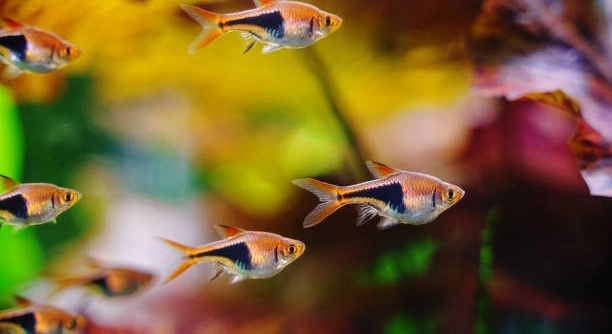
Many aquarists enjoy watching their Rasboras swim gracefully across the tank, but sometimes these small fish start chasing one another rapidly. This behavior can be surprising, even for those familiar with peaceful community fish species.
Rasboras chase each other mainly due to social hierarchy and mating instincts. Establishing dominance within the group encourages order, while chasing can also occur during courtship as males compete for females or show off their fitness and vitality.
Observing this behavior closely helps understand your Rasboras’ interactions and ensures a balanced, stress-free tank environment for them to thrive.
Why Rasboras Chase Each Other
Rasboras are naturally active and social fish, and chasing is a normal part of their behavior. In a tank, they often swim together, but occasional rapid chases help establish pecking order. Males may dart around to assert dominance or during courtship displays. Sometimes chasing seems aggressive, but it is usually brief and not harmful. Overcrowding or limited hiding spots can increase this activity, causing stress if not managed. Providing plenty of plants and open swimming space helps balance their energy and reduces constant chasing. Observing the patterns can reveal which fish are more dominant or more submissive. Feeding routines also influence chasing, as competition for food can trigger short bursts of speed. Younger Rasboras often chase more as they grow and test boundaries with one another. In mixed species tanks, chasing may also be influenced by curiosity or mild territorial instincts, especially when tankmates share similar swimming levels. Overall, it is a mix of natural instincts and environmental factors shaping this behavior.
Chasing is mostly harmless if it is short and fish have space.
Making small adjustments in tank setup, such as adding plants or rearranging decorations, can reduce stress and create a more peaceful environment for Rasboras.
Signs That Chasing Becomes a Problem
Short chasing sessions are normal, but constant pursuit can indicate stress or aggression.
If Rasboras chase for long periods, it can lead to exhaustion, torn fins, or hiding behavior. Overcrowded tanks, poor water quality, or insufficient food may worsen the situation. Ensuring the tank has enough space and decorations for hiding allows fish to escape and calm down. Sometimes introducing a few more Rasboras can spread out aggressive behavior and reduce tension. Observing which individuals chase most frequently can help determine if a specific fish is overly dominant. Adjusting feeding routines by offering multiple feeding spots can reduce competition. Temperature and water conditions also affect activity; slightly cooler water may calm overly energetic fish. Regular monitoring and minor changes in the tank environment usually resolve persistent chasing without harming the fish. It is important to intervene early to prevent injuries and maintain a healthy, balanced community tank where all Rasboras can coexist comfortably.
Environmental Factors Influencing Chasing
Tank size directly affects Rasbora behavior. Small tanks limit swimming space, causing more frequent chasing.
Rasboras need open areas and hiding spots to feel safe. Plants, rocks, and decorations provide boundaries that reduce stress and give fish places to retreat during chases. Uneven territory can trigger dominance displays, so arranging the tank to distribute cover evenly helps calm the group. Lighting also plays a role—bright, harsh light can make fish more active and prone to chasing, while softer lighting creates a calmer environment. Water flow should be moderate; strong currents may increase chasing as fish compete for stable positions. Observing behavior after small adjustments can indicate what changes are most effective. Overcrowding is a common issue—too many fish in limited space intensifies competition. Ensuring the correct fish-to-gallon ratio is key for a balanced, peaceful tank.
Frequent chasing often signals that environmental conditions need attention to prevent stress-related problems.
Providing a well-structured, spacious habitat allows Rasboras to swim freely and interact naturally without excessive chasing.
Diet and Feeding Impact
Feeding routines can trigger chasing, especially if food is scarce or offered in one spot.
Competition for limited food often causes rapid darting and chasing behavior among Rasboras. Spreading food across multiple areas in the tank helps minimize aggression and ensures all fish get adequate nutrition. High-protein flakes or small live foods increase activity levels, sometimes leading to short bursts of chasing as fish compete for each morsel. Feeding smaller portions multiple times a day rather than a single large feeding reduces tension. Certain foods may also stimulate more energetic behavior; observing how fish respond to different types helps manage chasing. Overfeeding should be avoided, as leftover food can pollute water and increase stress. Proper feeding supports health while reducing unnecessary aggressive or competitive behavior.
Maintaining consistent, balanced feeding habits keeps Rasboras energetic but prevents constant chasing.
Social Behavior and Group Dynamics
Rasboras are schooling fish, and their social structure affects chasing. Hierarchies form naturally, with dominant individuals often initiating short chases to assert position.
A balanced group with at least six or more Rasboras reduces stress. Smaller groups tend to show more frequent chasing because fish constantly test boundaries and establish dominance without enough peers to diffuse interactions.
Breeding and Mating Behavior
During mating season, chasing becomes more frequent as males compete for females. These displays are usually brief but intense, involving fast swimming and fin flaring. Females may dart away to avoid repeated attention, while males try to impress by showing strength and agility. Timing feedings and ensuring hiding spots can help manage aggressive courting behavior.
Tank Mates Influence
Aggressive or territorial tank mates can trigger Rasboras to chase more often.
Introducing calm, non-aggressive species helps maintain harmony.
FAQ
Why do Rasboras chase each other suddenly?
Sudden chasing is usually linked to social interactions or environmental changes. A new fish, rearranged decorations, or altered lighting can trigger temporary bursts of energy. Often, this behavior is brief and part of establishing dominance or curiosity rather than aggression.
Is chasing harmful to Rasboras?
Short, occasional chases are generally harmless. Problems arise when chasing is constant, leading to stress, torn fins, or hiding behavior. Monitoring the group and ensuring sufficient space, decorations, and food can prevent long-term harm. Healthy Rasboras recover quickly from brief chasing bouts.
How can I reduce chasing in my tank?
Providing more space and hiding spots is effective. Plants, rocks, or decorations help break lines of sight and give fish safe retreats. Distributing food across several areas also reduces competition. Small adjustments in lighting and water flow can further calm overactive fish.
Do males chase females more than other males?
Yes, during mating periods, males often chase females to show courtship displays. These chases are usually fast and repeated, with males flaring fins or darting quickly. Females may move away, and this is normal behavior as long as it doesn’t become constant or harmful.
Does tank size matter for chasing behavior?
Tank size plays a major role. Smaller tanks limit swimming space, increasing chasing frequency. Rasboras thrive in tanks with enough room to swim freely while maintaining schools. Overcrowding or lack of decorations amplifies dominance behavior and leads to stress-related chasing.
Can diet affect chasing?
Yes, feeding routines impact activity levels. Limited or concentrated food often triggers competitive chasing. Offering smaller portions multiple times a day and spreading food in different areas reduces aggression. High-protein foods may increase bursts of energy, so observing responses helps manage behavior.
Should I separate aggressive Rasboras?
Separation is only necessary if chasing leads to injury, stress, or constant hiding. Often, adding more Rasboras or adjusting the environment resolves conflicts. Isolation can be stressful itself, so it should be a last resort after environmental changes fail.
How do I know if chasing is normal or a problem?
Normal chasing is brief and infrequent, while problematic chasing is constant or results in damage. Watching patterns over several days helps identify triggers, such as overcrowding, poor water quality, or aggressive tank mates. Intervention is needed when chasing leads to repeated stress or visible injuries.
Do tank mates influence Rasbora chasing?
Yes, the behavior of other fish impacts chasing. Aggressive or territorial species can increase chasing frequency, while calm tank mates help maintain balance. Introducing peaceful fish or ensuring proper schooling ratios for Rasboras reduces unnecessary pursuit and stress.
Can environmental changes calm chasing behavior?
Small adjustments like adding hiding spots, rearranging decorations, or softening lighting often reduce chasing. Moderate water flow and consistent feeding routines also help. Observing how fish respond to each change ensures the tank remains balanced and interactions stay natural and healthy.
How many Rasboras should I keep to reduce chasing?
Keeping at least six or more Rasboras helps spread social interactions and reduces constant chasing. Smaller groups tend to establish hierarchies more aggressively, while larger schools distribute dominance behavior and create a calmer dynamic. Adequate space and environmental enrichment remain essential.
Is chasing linked to health issues?
Excessive chasing can be a sign of stress, poor water quality, or disease. Monitor water parameters and general fish health. Healthy Rasboras in a well-maintained tank usually display chasing only as part of normal social or mating behavior.
Can breeding increase chasing intensity?
Yes, breeding season often leads to more frequent and intense chasing. Males compete for females, and energy levels increase. Providing hiding spots, additional space, and careful observation helps prevent stress or injuries during this period.
How long does normal chasing last?
Typical chasing bursts last seconds to a few minutes. Persistent or repeated chasing over hours may indicate environmental issues or overcrowding. Adjusting tank conditions and observing patterns ensures behavior remains natural and harmless.
Are some Rasboras more prone to chasing than others?
Individual temperament varies. Dominant or more active fish chase more often, while shy fish avoid confrontation. Observing individual behaviors helps manage group dynamics, ensuring all Rasboras coexist comfortably.
Rasboras are lively and social fish, and their chasing behavior is a normal part of how they interact. Most of the time, chasing is brief and harmless, serving to establish a pecking order or as part of mating displays. It can look alarming at first, especially for those new to keeping these fish, but understanding the reasons behind the behavior helps make sense of it. By observing your Rasboras, you can tell the difference between normal activity and signs of stress or aggression. Simple measures like providing enough space, hiding spots, and proper tank mates usually keep chasing within healthy limits.
Environmental factors play a big role in how often Rasboras chase one another. Tanks that are too small or overcrowded often lead to more frequent chasing because fish have limited space to move freely. Decorations, plants, and rocks give them boundaries and places to hide, which can reduce tension in the group. Lighting and water flow also influence activity levels; harsh lighting or strong currents may increase chasing. Paying attention to these conditions and making small adjustments can make a noticeable difference in how calm and balanced the fish behave. Even changing the arrangement of decorations slightly can break up lines of sight and prevent constant pursuit.
Diet and feeding routines also affect chasing behavior. When food is limited or concentrated in one area, Rasboras may compete, leading to short bursts of chasing. Spreading food across the tank and feeding smaller portions multiple times a day helps reduce competition and keeps the group calmer. High-protein foods or live treats can increase activity levels, so monitoring how the fish respond is important. Understanding their social dynamics and providing a well-structured environment ensures that chasing stays natural and not stressful. Overall, with proper care, observation, and small adjustments, Rasboras can thrive in a community tank, allowing you to enjoy their lively interactions without worrying about harm or constant aggression.

Hello,
If you enjoy the content that we create, please consider saying a "Thank You!" by leaving a tip.
Every little bit helps us continue crafting quality advice that supports the health, happiness, and well-being of pets around the world, for pets of all shapes, sizes, and species.
We really appreciate the kindness and support that you show us!