
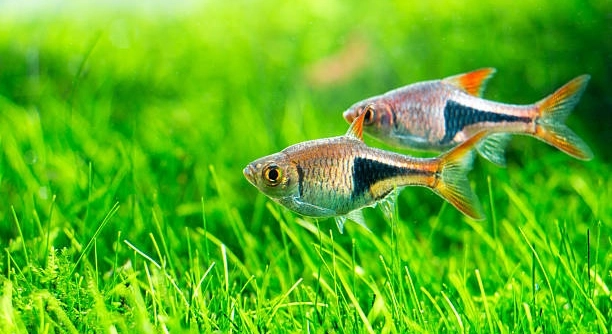
Rasboras are small, peaceful fish that can sometimes surprise their owners with unexpected aggression. Observing these sudden changes in behavior can be confusing for hobbyists trying to maintain a calm and balanced aquarium environment.
Rasboras may act aggressively due to overcrowding, poor water quality, or stress from incompatible tank mates. Environmental instability and lack of hiding spaces can trigger territorial and defensive behavior, leading to frequent skirmishes among individuals.
Learning about these triggers helps you create a healthier and calmer environment for your fish to thrive naturally.
Understanding Territorial Behavior
Rasboras are generally peaceful, but they can become territorial when space is limited. In smaller tanks, they may feel the need to defend their area from others. Even normally calm individuals may nip or chase tank mates to maintain personal boundaries. Adding more plants or decorations can create natural divisions, giving each fish a small area to claim. This reduces confrontations and helps maintain harmony in the tank. Overcrowding is another common factor, as too many fish competing for the same resources can increase stress and provoke aggression.
Providing extra hiding spots can prevent frequent clashes and help fish feel secure.
Monitoring tank size and population is essential. A balanced tank with proper spacing and adequate cover ensures that rasboras maintain their natural behaviors without excessive aggression. Simple adjustments to layout and number of inhabitants can make a significant difference in reducing stress-induced skirmishes and maintaining a peaceful aquatic environment for everyone involved.
Water Quality and Its Impact
Poor water conditions can stress rasboras, leading to irritability and aggressive actions.
Maintaining clean, stable water is vital. High nitrate levels, sudden changes in temperature, or low oxygen can make fish more likely to attack each other. Regular water testing and partial changes help stabilize the environment.
Water quality directly affects fish health and behavior. When parameters like pH, ammonia, and nitrite levels fluctuate, rasboras become uneasy and may exhibit chasing or nipping. Even slight shifts in temperature can trigger stress responses that show up as aggression. It is important to monitor water consistently and address any imbalance quickly. Adding a gentle filtration system and ensuring adequate aeration can reduce tension. Observing fish daily allows you to spot early signs of stress, such as hiding, lethargy, or fin damage, and take immediate action. By keeping water clean and stable, aggression is often minimized naturally, supporting overall well-being and creating a calmer, more harmonious aquarium environment where rasboras can flourish.
Tank Mates and Compatibility
Choosing the right tank mates is essential for keeping rasboras calm. Aggression often arises when they are housed with more dominant or territorial species. Avoid placing them with fish that nip fins or compete aggressively for food and space.
Incompatible tank mates can quickly turn a peaceful aquarium stressful. Even small, seemingly harmless fish may provoke rasboras if they invade their personal space or outcompete them for food. Aggression may appear as chasing, nipping, or persistent displays of dominance. Observing interactions closely helps identify problematic pairings early. Adjusting the mix or adding more peaceful species can restore balance and reduce constant stress.
Some species naturally coexist better with rasboras, such as tetras or small gouramis. Ensuring similar size, temperament, and swimming levels minimizes conflict. A well-thought-out selection of companions allows all fish to thrive without triggering frequent territorial disputes, creating a calmer and healthier tank environment for your rasboras.
Feeding Practices and Aggression
Overfeeding or underfeeding can lead to aggressive behavior among rasboras. Unequal access to food often sparks competition and chasing.
Rasboras may act aggressively during mealtime if some individuals dominate feeding spots. Providing multiple feeding points ensures all fish get food without constant conflict. Feeding small amounts several times a day helps maintain calm and reduces competition.
A proper feeding routine prevents aggression from turning into serious injuries. When fish are hungry, they are more likely to chase or nip neighbors. Offering a varied diet that meets nutritional needs supports overall health and behavior. Watching feeding patterns allows you to notice which fish are struggling to get food or showing unusual aggression. Adjusting portion size and feeding frequency can make a noticeable difference. Maintaining a structured feeding schedule keeps rasboras satisfied and less likely to become stressed or hostile, creating a more peaceful aquarium environment overall.
Stress and Environmental Factors
Sudden changes in lighting, temperature, or water flow can stress rasboras and trigger aggression. Even minor disruptions in their environment may make them act defensively toward tank mates.
A crowded tank with few hiding spots can intensify stress. Adding plants, rocks, or decorations provides shelter and reduces tension.
Breeding Behavior
During breeding periods, rasboras may become more territorial. Males often chase rivals and display heightened aggression to protect potential mates or eggs. This behavior is natural and usually temporary, but it can disrupt tank harmony if not managed properly.
Recognizing Early Signs
Early signs of aggression include chasing, fin nipping, and constant darting around the tank. Noticing these behaviors early helps prevent serious injuries.
Adjusting Tank Conditions
Improving water quality, increasing space, and adding hiding spots can reduce aggressive tendencies. Small adjustments often make a big difference in calming rasboras.
FAQ
Why are my rasboras suddenly aggressive even in a calm tank?
Rasboras can become aggressive if there are subtle changes in their environment. Even stable tanks may experience fluctuations in temperature, pH, or oxygen levels that stress fish. Overcrowding, limited hiding spaces, or incompatible tank mates can also trigger sudden aggression. Monitoring water quality and tank layout is essential to identify stressors.
Can aggression be caused by the type of food I provide?
Yes, feeding practices influence behavior. Overfeeding or offering food in only one spot can create competition, causing rasboras to chase or nip each other. Providing multiple feeding areas and small portions multiple times a day helps reduce fights and ensures all fish get enough nutrition.
Do tank decorations affect aggression?
Absolutely. Tanks with few hiding spots increase territorial behavior. Adding plants, rocks, or caves gives rasboras areas to claim and retreat to, reducing stress. Decorations help break lines of sight, preventing constant chasing and creating a more peaceful environment for all inhabitants.
Does the number of rasboras in the tank matter?
Yes, population density plays a major role. Overcrowded tanks lead to competition for food and space, triggering aggressive behavior. Maintaining the correct number of fish based on tank size ensures each rasbora has room to swim and reduces the likelihood of constant territorial disputes.
Are certain rasbora species more aggressive than others?
Some species display more territorial tendencies, especially during breeding. For example, harlequin and chili rasboras may show short bursts of aggression when defending a mate or territory. Understanding species-specific behavior helps plan tank mates and reduce conflicts.
How can I tell if aggression is harming my fish?
Look for signs like torn fins, scratches, hiding, or unusual lethargy. Aggressive behavior can cause stress, injury, or even infections. Early detection allows intervention, like rearranging the tank, separating fish temporarily, or adjusting feeding routines to restore balance.
Will separating aggressive fish solve the problem?
Separating aggressive individuals can reduce immediate conflict, but it doesn’t address underlying causes. Adjusting tank size, water quality, hiding spots, and tank mates is necessary to prevent aggression from recurring once fish are reunited.
Does water temperature impact aggression?
Yes, sudden shifts in temperature can stress rasboras, causing irritability and chasing. Maintaining stable temperatures appropriate for the species helps keep behavior calm. Gradual changes when adjusting heaters or cooling systems prevent sudden stress responses.
Can introducing new fish trigger aggression?
New arrivals often provoke temporary aggression as residents establish territory. Introducing fish gradually, with adequate hiding spots and careful monitoring, minimizes stress and allows rasboras to adapt without ongoing fighting.
How long does aggressive behavior typically last?
Aggression may last a few days during environmental adjustments, feeding issues, or breeding periods. If aggressive behavior continues beyond normal adaptation time, it indicates unresolved stressors like overcrowding, poor water quality, or incompatible tank mates. Addressing these issues is crucial for long-term peace in the aquarium.
What daily steps help prevent aggression?
Regular water testing, partial water changes, consistent feeding schedules, and observing fish behavior daily can prevent many aggression problems. Rearranging tank decorations periodically and ensuring adequate hiding spots also maintain a calm environment. Consistent care reduces stress, keeping rasboras peaceful and healthy.
Can stress from previous tanks affect behavior?
Yes, fish may carry lingering stress from transport or previous tanks. Acclimating new rasboras slowly, providing ample hiding spaces, and monitoring behavior for the first few weeks helps them adjust and reduces the likelihood of aggressive behavior triggered by anxiety.
Is breeding the main reason for aggressive bursts?
Breeding can increase short-term aggression, particularly in males defending eggs or territory. Providing dense plants and separation areas for pairs reduces conflicts with other fish. Understanding these patterns helps manage aggression without harming other tank inhabitants.
Are there signs that aggression is normal versus problematic?
Short chases, mild displays of dominance, or occasional nipping can be normal. Persistent chasing, injuries, stress signs, or widespread disruption indicates a serious problem. Observing frequency, intensity, and impact on fish health helps distinguish normal behavior from harmful aggression.
What long-term adjustments help maintain harmony?
Maintaining appropriate tank size, monitoring water quality, providing multiple hiding spots, selecting compatible tank mates, and establishing a consistent feeding routine support long-term peace. Gradual adjustments and careful observation prevent recurring aggression and ensure rasboras remain healthy and calm.
This FAQ addresses common concerns, providing clear, practical solutions to minimize aggressive behavior in rasboras, helping create a stable, harmonious aquarium environment.
Rasboras are usually peaceful and small, making them a favorite for many aquariums. However, they can act aggressively at times, and this behavior often surprises new and experienced fish keepers alike. Aggression is rarely random; it is usually a response to stress, environmental changes, or social dynamics within the tank. Understanding the factors that influence their behavior is essential for creating a calm and balanced aquarium. Overcrowding, sudden water changes, lack of hiding spots, or incompatible tank mates can all trigger aggression. Even something as simple as uneven feeding can lead to chasing and fin nipping. Observing your fish carefully and identifying patterns of aggression can help you address problems before they escalate into serious injuries or stress.
Managing tank conditions is one of the most effective ways to reduce aggressive behavior in rasboras. Maintaining stable water quality, including proper temperature, pH, and oxygen levels, ensures that fish are less likely to become irritable. Providing ample hiding spots with plants, rocks, or decorations allows each fish to claim a small space, reducing territorial disputes. Tank size and population density also play a major role in behavior. Overcrowded tanks increase competition for resources, while giving each fish enough space reduces stress and keeps aggression at a minimum. Choosing compatible tank mates and monitoring feeding routines are equally important. Multiple feeding points and smaller portions prevent dominant fish from monopolizing food, reducing tension. Even small adjustments, like rearranging decorations or adding new hiding spots, can make a noticeable difference in keeping the tank peaceful.
Understanding natural behaviors, such as breeding-related aggression, helps set realistic expectations for tank management. During breeding periods, males may display temporary aggression to protect eggs or mates, but this usually diminishes once the breeding phase ends. It is important to observe fish daily, watch for early signs of aggression like chasing or fin damage, and intervene when necessary. Whether it’s improving water conditions, adjusting feeding practices, or providing more space and hiding areas, taking proactive steps ensures that rasboras remain healthy and calm. A well-maintained tank promotes harmony and reduces stress, allowing your fish to display their natural, peaceful behavior. With consistent care and attention, rasboras can thrive without frequent conflicts, making your aquarium a more enjoyable and stable environment for both the fish and the keeper.

Hello,
If you enjoy the content that we create, please consider saying a "Thank You!" by leaving a tip.
Every little bit helps us continue crafting quality advice that supports the health, happiness, and well-being of pets around the world, for pets of all shapes, sizes, and species.
We really appreciate the kindness and support that you show us!