
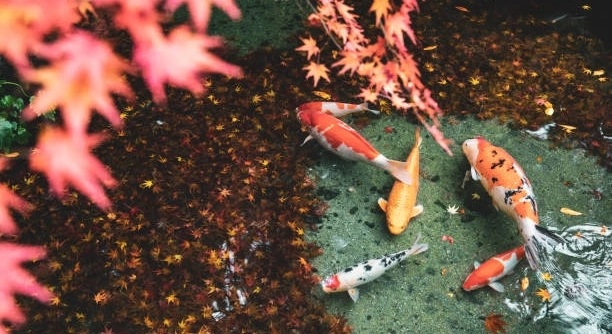
Koi fish are popular pets known for their bright colors and peaceful nature. Sometimes, koi swim near the water’s surface and gasp for air. This behavior can be worrying for many koi keepers.
Koi gasping at the surface is mainly caused by low oxygen levels in the water, poor water quality, or illness. These conditions make it hard for koi to breathe normally, forcing them to seek air at the surface where oxygen is more available.
Understanding why koi gasp helps keep them healthy and happy in your pond. This article explains the main reasons behind this behavior and what can be done to help your fish thrive.
Low Oxygen Levels in the Pond
Low oxygen levels are a common reason koi fish gasp at the surface. Oxygen dissolves in water, but several factors can reduce its availability. Warm water holds less oxygen, so during hot days, oxygen levels drop. Overcrowding in a pond increases oxygen demand, leaving less for each fish. Excess algae or decaying plant matter can also consume oxygen, worsening the problem. When oxygen is low, koi struggle to get enough air through their gills and move toward the surface where oxygen is higher. It’s important to monitor water temperature and quality to keep oxygen levels balanced. Adding aeration devices like fountains or air pumps can help increase oxygen in the pond. These simple changes improve your koi’s comfort and prevent stress caused by poor oxygen conditions. Regular pond maintenance also plays a key role in keeping oxygen levels healthy for your fish.
Proper pond aeration makes a big difference for koi health. It keeps oxygen flowing and helps prevent surface gasping.
Keeping water clean reduces oxygen depletion. Regularly removing debris and avoiding overfeeding prevents organic buildup, which consumes oxygen. Avoid overcrowding by maintaining a balanced fish population. Proper aeration and pond care ensure your koi enjoy a stable, oxygen-rich environment. This reduces stress and supports their immune systems, making them less likely to develop breathing problems or other health issues. Checking oxygen levels with simple test kits helps catch problems early. Making these efforts keeps your koi swimming calmly below the surface, showing their true vibrant colors.
Poor Water Quality
Poor water quality can cause koi to gasp at the surface. High levels of ammonia, nitrites, or nitrates stress fish and reduce oxygen availability.
Ammonia and nitrites are toxic to koi and often come from fish waste or leftover food breaking down. If these build up, koi gills get damaged, making breathing difficult. Nitrates are less harmful but still affect overall health when too high. Water that is dirty or cloudy can also limit oxygen exchange at the surface. Testing water regularly helps catch these problems early. Changing some pond water and cleaning filters can quickly improve conditions and ease koi breathing.
A balanced pond environment means proper filtration and avoiding overfeeding. Too much food rots and releases harmful chemicals. Regular water changes help maintain safe levels of toxins. Keeping water clear and clean lets oxygen move freely, making it easier for koi to breathe without needing to gasp at the surface.
Disease and Parasites
Diseases and parasites often cause koi to gasp at the surface as they affect gill function. Common infections like gill flukes irritate the gills, making breathing painful and inefficient.
Gill parasites attach to the delicate gill tissues, causing inflammation and damage. This prevents oxygen from passing into the bloodstream properly. Bacterial infections can cause swelling or mucus buildup on the gills, further blocking oxygen flow. Sick koi may also become weak and less able to compete for oxygen in the water. Proper diagnosis is important, often requiring treatment with specific medicines or salt baths. Quarantining new fish before adding them to the pond can prevent disease spread. Healthy fish with strong immune systems resist infections better. Keeping stress low through good water quality and diet supports recovery and prevents future problems.
Overfeeding and Waste Build-Up
Overfeeding koi leads to leftover food that decomposes in the pond. This process uses oxygen and produces harmful chemicals, making it harder for koi to breathe.
Excess waste from overfeeding also clogs filters and reduces water quality. Managing feeding amounts is key to keeping the pond healthy and oxygen levels stable.
Poor Pond Circulation
Poor pond circulation limits oxygen distribution throughout the water. Stagnant areas form where oxygen is low, causing koi to gasp near the surface where oxygen is higher.
Regularly checking pumps, filters, and waterfalls ensures water keeps moving. This improves oxygen levels and supports koi health by preventing stagnant zones.
Temperature Fluctuations
Rapid changes in water temperature stress koi and reduce oxygen levels. Warm water holds less oxygen, making breathing difficult for fish during hot spells.
Maintaining stable temperatures by providing shade and deeper water areas helps koi stay comfortable and reduces gasping behavior.
FAQ
Why do koi fish suddenly start gasping at the surface?
Koi usually gasp at the surface when oxygen levels in the pond drop quickly. This can happen during hot weather, after heavy rain, or if there is a sudden increase in waste or algae. It’s the fish’s way of trying to get more oxygen since their gills cannot extract enough from the water below.
How can I tell if my koi gasping is due to low oxygen or disease?
If koi are gasping due to low oxygen, they usually gather near the surface and may be active but breathing fast. Disease-related gasping often comes with other signs like clamped fins, lethargy, or visible gill damage. Testing water quality and closely observing behavior can help distinguish the cause.
What immediate steps can I take if I see my koi gasping?
Increase aeration by turning on air pumps or fountains to add oxygen. Remove any decaying leaves or algae that might be using oxygen. Partial water changes can also help improve water quality quickly. Avoid feeding until the fish calm down to reduce waste buildup.
Can overfeeding cause koi to gasp for air?
Yes, overfeeding leads to uneaten food decomposing and consuming oxygen. It also increases waste, raising ammonia and nitrite levels, which harm gills and make breathing difficult. Feeding small amounts and removing leftovers prevents this problem.
How often should I test my pond water to prevent gasping issues?
Regular testing every one to two weeks is recommended, especially in warmer months when oxygen levels fluctuate. Check for ammonia, nitrites, nitrates, and pH levels to catch problems early. Testing kits are affordable and easy to use at home.
Will adding plants help reduce koi gasping at the surface?
Plants can help by producing oxygen during daylight and absorbing harmful chemicals. However, too many plants, especially algae, can use oxygen at night and reduce water quality. Balanced planting with good filtration and aeration is key.
How do temperature changes affect koi breathing?
Warmer water holds less oxygen, so koi need to breathe harder. Sudden temperature rises stress fish and may cause gasping. Providing shade, deeper water spots, and stable temperatures helps koi breathe easier and stay healthy.
Are there specific treatments for koi gasping caused by disease?
Yes, treatments depend on the disease type. Parasites may require antiparasitic medicines, while bacterial infections might need antibiotics. Salt baths often relieve gill irritation. Consulting a vet or experienced koi keeper for proper diagnosis and treatment is important.
Can overcrowding cause koi to gasp at the surface?
Overcrowding increases oxygen demand and waste production. When too many fish live in a pond, oxygen can run low quickly, causing gasping. Keeping a balanced fish population suited to the pond size helps maintain good oxygen levels and reduces stress.
Is it normal for koi to gasp occasionally?
Occasional gasping might happen due to brief changes in oxygen or temperature but should not be constant. Frequent or prolonged gasping indicates a problem needing attention, such as water quality issues or illness.
How does pond maintenance influence koi breathing?
Regular cleaning removes debris, reduces harmful chemicals, and maintains good oxygen flow. Filters need checking and cleaning to function well. Proper maintenance creates a healthier environment where koi can breathe easily and stay active.
Can koi gasping be a sign of long-term health issues?
Yes, constant gasping can weaken koi over time, making them more vulnerable to infections. Chronic stress from poor water or disease affects their immune system. Addressing gasping early helps avoid serious health problems.
What role does water movement play in preventing koi gasping?
Moving water improves oxygen distribution and prevents stagnant spots. Pumps, waterfalls, and fountains increase surface agitation, encouraging oxygen exchange. Without good circulation, some areas may become oxygen-poor, leading koi to gasp at the surface.
Are there natural ways to improve oxygen levels in the pond?
Besides aeration devices, adding floating plants or submerged oxygenating plants helps. Creating shaded areas reduces water temperature swings, helping oxygen stay dissolved longer. Avoiding excess nutrients stops algae blooms that can harm oxygen balance.
How can I make sure new koi don’t cause gasping issues?
Quarantine new fish before introducing them to the pond to avoid bringing diseases. Check water conditions and acclimate koi slowly to prevent stress. Healthy, disease-free new fish keep the pond environment stable, reducing gasping risks for all fish.
Koi gasping at the surface is a sign that something in their environment needs attention. It usually means the fish are not getting enough oxygen or they may be affected by poor water quality or illness. Recognizing this behavior early helps you take steps to improve the pond conditions and protect your fish. Regular monitoring of your pond, including water testing and observing your koi, can prevent many problems before they become serious.
Maintaining good oxygen levels is essential for koi health. This means keeping the water clean, well-aerated, and at a stable temperature. Using air pumps, fountains, or waterfalls helps oxygen circulate throughout the pond. Removing waste, avoiding overfeeding, and not overcrowding the pond also support oxygen availability. If your koi are gasping, checking water quality is a priority. Ammonia, nitrites, and nitrates can build up quickly and harm your fish. Simple actions like changing part of the water or cleaning filters can make a big difference.
Sometimes, koi gasp because of disease or parasites affecting their gills. These conditions require treatment and proper care. Quarantining new fish before adding them to your pond can help prevent spreading illness. Stress from poor water or temperature changes weakens koi and makes breathing harder. Paying attention to these details keeps koi comfortable and healthy. In the end, good pond management and early action create a safe home where your koi can swim calmly and show their beautiful colors without gasping at the surface.

Hello,
If you enjoy the content that we create, please consider saying a "Thank You!" by leaving a tip.
Every little bit helps us continue crafting quality advice that supports the health, happiness, and well-being of pets around the world, for pets of all shapes, sizes, and species.
We really appreciate the kindness and support that you show us!