
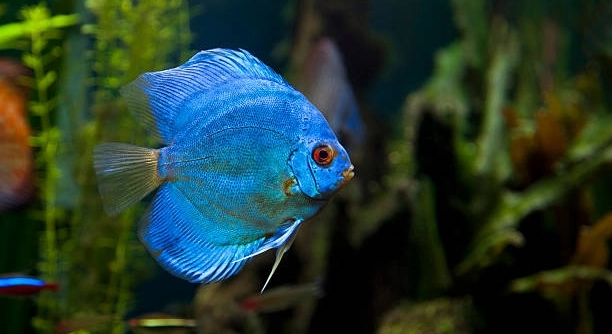
Discus fish are known for their vibrant colors and graceful swimming, but sometimes they can show sudden aggression. This behavior can be surprising for many aquarium enthusiasts who expect a peaceful environment. Understanding why aggression appears quickly is important.
Rapid aggression in discus fish is often caused by stress, overcrowding, poor water quality, or competition for territory and resources. These factors disrupt their natural behavior and trigger defensive or dominant responses that escalate aggression swiftly.
Recognizing these causes helps maintain a balanced aquarium and keeps discus fish calm and healthy. This article will explore key factors behind their sudden aggressive behavior.
Common Causes of Aggression in Discus
Aggression in discus fish often starts with environmental stress. When the tank is overcrowded, discus feel threatened and compete for space, which can lead to fights. Poor water quality is another major factor; high ammonia or nitrite levels irritate the fish and cause discomfort. Sudden changes in temperature or pH also disturb their balance, increasing aggression. Territorial behavior plays a role, especially when the tank lacks hiding spots or when discus are establishing dominance. Incompatible tank mates can add tension, as discus prefer calm companions. Even feeding routines can influence behavior—uneven food distribution may trigger competition, making some discus more aggressive. Each of these factors alone or combined can push discus fish to become aggressive quickly, disrupting the peaceful atmosphere of the tank.
Controlling these factors helps keep discus behavior stable and reduces aggression.
A well-maintained aquarium with proper space, stable water parameters, and compatible companions creates an environment where discus can thrive peacefully without unnecessary conflict.
Managing Aggression Effectively
Managing discus aggression requires regular monitoring of tank conditions. Keeping water clean and parameters stable prevents stress-induced hostility. Avoid overcrowding by providing enough room for each fish to swim and rest. Use tank decorations like plants and caves to offer hiding places and break lines of sight, reducing territorial disputes. Feeding should be done evenly to avoid food competition. Introducing compatible species can help, but always observe interactions to ensure harmony. If aggression persists, separating the most aggressive individuals may be necessary to prevent injury. Consistent care and attention to their environment help maintain peace and allow discus fish to display their natural beauty without stress or conflict.
Recognizing Signs of Aggression
Discus show aggression through chasing, nipping fins, and flaring their gill covers. These behaviors signal discomfort or attempts to establish dominance quickly.
Frequent chasing disrupts swimming patterns and stresses other fish. Nipping causes fin damage, which can lead to infections. Flaring gills is a warning to back off. These signs often appear suddenly, especially when conditions in the tank change or new fish are introduced. Watching for these behaviors early allows prompt action to prevent escalation.
Ignoring aggression can lead to injury or death among discus. Stress weakens their immune system, making them vulnerable to disease. Quick intervention helps maintain a calm tank environment and supports discus health.
Impact of Diet on Aggression
Diet influences discus behavior significantly. Poor nutrition weakens fish, making them more prone to stress and aggression. Feeding a balanced diet with high-quality protein supports their health and reduces irritability.
Inconsistent feeding schedules or competition over food increase aggressive encounters. Overfeeding can cause water quality issues, indirectly raising stress levels. It is important to provide enough food for all fish without excess. Feeding smaller, frequent meals helps keep discus calm and satisfied. Proper nutrition ensures discus remain healthy and less likely to display aggressive behavior, promoting harmony in the tank.
Tank Size and Space
A small tank limits discus movement and increases aggression due to territorial disputes. Providing enough space is essential to reduce stress and allow natural behavior.
Each discus needs about 10 gallons of water. Crowding causes competition and quickly leads to hostility among fish.
Water Quality Maintenance
Maintaining clean water with stable parameters prevents irritation and stress that trigger aggression. Regular testing and water changes keep the environment healthy. Proper filtration removes waste that could harm discus.
Social Behavior and Group Dynamics
Discus fish are social and prefer groups of at least six. Smaller groups cause anxiety and increase aggressive behavior as fish struggle to establish hierarchy. Group dynamics become more balanced with more individuals, reducing bullying and tension.
Keeping a proper group size ensures discus feel secure and reduces the risk of fast aggression. This supports a peaceful aquarium where fish interact naturally.
Signs of Stress in Discus
Why does my discus suddenly become aggressive?
Discus can show sudden aggression due to stress caused by changes in their environment. Common triggers include overcrowding, poor water quality, and sudden temperature or pH shifts. They may also become aggressive if new fish are introduced or if there is competition for food or territory. When discus feel threatened or uncomfortable, aggression is their way of defending themselves or asserting dominance.
How can I reduce aggression in my discus tank?
To reduce aggression, maintain stable water conditions with regular testing and water changes. Avoid overcrowding by providing enough space—at least 10 gallons per fish. Use plants and decorations to create hiding spots and break lines of sight. Feed discus multiple small meals evenly distributed to reduce competition. Also, keep compatible tank mates and observe interactions closely. Separating aggressive individuals may be necessary if hostility persists.
Can diet influence discus aggression?
Yes, diet plays a significant role. Poor nutrition weakens discus, making them more stressed and prone to aggressive behavior. Feeding a balanced diet rich in high-quality protein supports their health and calmness. Inconsistent feeding or competition for food can increase aggression, so feeding smaller, frequent meals helps maintain peace.
Is tank size important for preventing aggression?
Tank size is critical. Small tanks force discus to compete for space, increasing aggression. A general rule is to provide 10 gallons of water per discus. More space lets them establish territories calmly and reduces stress, which lowers aggressive encounters.
Do discus prefer to live alone or in groups?
Discus are social fish and do best in groups of six or more. Smaller groups cause anxiety and aggressive behavior as they try to form a hierarchy. Larger groups help balance social structure and reduce bullying. Keeping the right group size supports natural, peaceful behavior.
What role does water quality play in discus aggression?
Poor water quality causes irritation and stress, which leads to aggression. High ammonia, nitrite, or nitrate levels can harm discus, making them uncomfortable and defensive. Regular water testing and partial water changes are essential. Proper filtration removes waste and keeps the tank environment healthy, reducing aggressive responses.
How do I recognize aggression before it escalates?
Signs include chasing, nipping fins, and flaring gill covers. These behaviors show that discus are uncomfortable or trying to assert dominance. Catching these early allows for quick adjustments to prevent fights or injuries.
Can tank decorations help reduce aggression?
Yes. Plants, rocks, and caves provide hiding spots and break visual contact, which lowers territorial disputes. These features let discus feel secure and reduce stress-related aggression.
Should I separate aggressive discus?
If aggression leads to injury or persistent stress, separating the aggressive fish is necessary. Isolation prevents harm and gives the tank a chance to stabilize. Once conditions improve, you can try reintroducing fish slowly, observing behavior carefully.
How often should I feed discus to minimize aggression?
Feeding smaller, frequent meals throughout the day reduces competition and aggression. Evenly distributing food prevents dominant fish from monopolizing resources. This approach keeps discus satisfied and calmer.
Discus fish can show aggression quickly when their environment is not ideal. Factors such as overcrowding, poor water quality, and competition for space or food are common triggers. These causes create stress that disrupts their natural behavior. Understanding these influences helps manage and reduce aggressive actions. Providing enough room and stable water conditions makes a big difference in their comfort and behavior. It is also important to consider their social needs, as discus do better in groups of six or more to avoid anxiety and dominance fights.
Maintaining a balanced diet and consistent feeding schedule supports discus health and calmness. Nutrition directly affects their mood and energy levels. Feeding smaller, frequent meals prevents food competition and reduces aggressive encounters during feeding times. Besides diet, decorations like plants and hiding spots play an important role in decreasing aggression. These features allow discus to claim small territories and escape from more dominant fish. Watching for early signs of aggression such as chasing or fin nipping helps to address problems before they escalate, protecting all fish in the tank.
In general, discus fish require careful attention to their environment to keep aggression under control. Regular testing of water quality and avoiding sudden changes are necessary steps. Separating overly aggressive fish when needed can prevent injuries and stress. With proper care, discus can display their peaceful nature and bright colors. Creating a calm and balanced tank takes effort but rewards with healthy, happy fish. Paying attention to their needs and behavior will help maintain a peaceful aquarium that is enjoyable for both the fish and the keeper.

Hello,
If you enjoy the content that we create, please consider saying a "Thank You!" by leaving a tip.
Every little bit helps us continue crafting quality advice that supports the health, happiness, and well-being of pets around the world, for pets of all shapes, sizes, and species.
We really appreciate the kindness and support that you show us!