
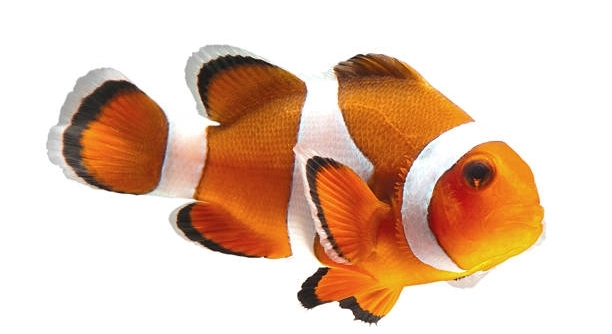
Clownfish are known for their bright, vibrant colors that make them popular in home aquariums and coral reefs. Sometimes, these colorful fish lose their striking hues, which can be worrying for fish lovers. Understanding why this happens can help keep clownfish healthy and beautiful.
Clownfish lose color primarily due to stress, poor water quality, inadequate diet, or illness. Environmental changes like temperature shifts and lack of proper nutrients disrupt their pigmentation, causing the fish to fade or become pale over time.
Learning about the causes of color loss can help maintain a healthy environment for clownfish and prevent further fading. This article explains the main reasons behind their color changes and how to address them.
Stress and Its Impact on Clownfish Color
Stress is one of the main reasons clownfish lose their bright colors. Changes in their environment, such as sudden noise, overcrowding, or aggressive tank mates, can cause stress. Even small disturbances in the water temperature or lighting may affect their mood and health. When clownfish feel stressed, their bodies react by lowering their pigmentation, which makes their colors fade. This response is a survival mechanism, but it can make the fish look dull. Keeping the tank calm and stable helps reduce stress. Regular tank maintenance, such as cleaning and checking water parameters, is also important. Observing your clownfish daily allows you to notice any signs of stress early. By creating a peaceful environment, you support their natural coloration and overall well-being, making them look lively and vibrant again.
Stress can cause clownfish to lose color quickly, so maintaining a calm tank environment is crucial to their health.
Stress affects clownfish by triggering hormonal changes that impact their skin cells. These changes reduce the production of pigments responsible for their bright colors. Stress also weakens their immune system, making them more vulnerable to diseases that can further affect their appearance. Keeping stress levels low improves their chances of regaining full coloration.
Water Quality and Nutrition
Poor water quality directly affects clownfish health and color.
Maintaining clean, stable water with the right balance of pH, temperature, and salinity is essential. Pollutants like ammonia or nitrites harm their skin and scales, causing color loss. Feeding clownfish a balanced diet rich in carotenoids and other pigments supports their natural colors. High-quality foods including shrimp, plankton, and specially formulated pellets help maintain brightness. Avoid overfeeding, as leftover food can pollute the water and create stress. Regular water changes and testing keep the environment safe. Ensuring proper filtration and avoiding sudden changes in water conditions helps clownfish retain their vibrant look. Paying attention to both diet and water keeps clownfish healthy and colorful in captivity.
Illness and Disease
Illnesses can cause clownfish to lose their color quickly. Parasites, bacterial infections, and fungal diseases affect their skin and scales.
When clownfish get sick, their immune system weakens, and their bodies may stop producing normal pigment. Some diseases cause lesions or discoloration, making the fish look pale or patchy. If left untreated, these conditions worsen and can be fatal. It is important to monitor for signs like unusual swimming behavior, spots, or loss of appetite. Quarantining new fish and keeping the tank clean helps prevent the spread of illness. Treatment usually involves medication or changes in water quality to support recovery. Catching illness early gives clownfish a better chance to regain their bright colors.
Regular health checks and good tank hygiene are key to preventing disease-related color loss in clownfish.
Environmental Changes
Sudden changes in water temperature or lighting can cause clownfish to lose color. Consistent conditions help maintain their appearance.
Clownfish are sensitive to fluctuations in temperature; even small shifts can stress them and reduce pigmentation. Bright or improper lighting may also harm their skin and cause fading. It’s best to keep water temperature steady between 75-82°F and use lighting that mimics natural daylight cycles. Avoid placing tanks in direct sunlight or near heat sources. Gradual adjustments to any changes in the tank environment give clownfish time to adapt without losing color. Keeping conditions stable ensures their colors remain vibrant and healthy over time.
Genetics and Color Variations
Genetics play a role in the natural color range of clownfish. Some species or strains have less vibrant colors by nature.
Selective breeding can produce different patterns and hues, but these may also fade more easily under stress or poor conditions.
Age and Color Fading
As clownfish grow older, their colors may naturally fade. Aging can reduce pigment production, causing duller appearances.
Older fish might also be less active and more prone to stress, which can accelerate color loss over time.
Lighting Effects on Clownfish Color
Lighting quality directly affects how bright clownfish colors appear. Natural-spectrum lights help maintain their vibrant hues.
Improper or dim lighting can make their colors look washed out or faded, even if the fish are healthy.
Tank Mates and Color Loss
Aggressive or dominant tank mates can stress clownfish, leading to color fading.
Choosing peaceful companions helps clownfish stay calm and maintain their natural coloration.
Why is my clownfish losing color suddenly?
Sudden color loss usually points to stress or a change in the environment. This can happen if the water temperature shifts abruptly, the water quality drops, or new aggressive fish are added to the tank. Stress triggers hormonal changes that reduce pigment production, causing the fish to look pale. Check water parameters like ammonia, nitrites, and pH, and make sure the tank conditions are stable. Reducing stress by improving water quality and tank setup can help the clownfish regain its color over time.
Can poor diet cause clownfish to lose their bright colors?
Yes, diet plays a big role in clownfish coloration. Without enough nutrients and pigments like carotenoids, clownfish may lose their vibrant hues. Feeding a varied diet that includes high-quality pellets, frozen shrimp, and plankton supports healthy pigmentation. Avoid feeding only one type of food, as that can lead to deficiencies and fading color. Supplements designed for marine fish can also help maintain their natural brightness.
How long does it take for a clownfish to regain color?
The time it takes depends on the cause of color loss. If it’s due to mild stress or diet, you may see improvement within a few weeks after correcting conditions. Recovery from illness or poor water quality can take longer, sometimes several weeks to months, especially if treatment is involved. Consistency in water quality, diet, and tank environment is key to helping your clownfish regain full coloration.
Is it normal for clownfish to change color with age?
Yes, it is common for clownfish colors to fade slightly as they age. Older clownfish may produce less pigment naturally, leading to duller colors. However, if the fading is rapid or patchy, it could be a sign of illness or stress. Regular observation can help distinguish between normal aging and problems that need attention.
Can tank lighting affect clownfish color?
Absolutely. Lighting influences how colors appear. Natural-spectrum or full-spectrum LED lights help bring out the bright colors in clownfish. Too little light can make colors appear washed out, while overly intense lighting might cause stress or bleaching. Adjusting the light cycle to mimic natural day and night patterns supports healthy coloration and overall fish health.
Does water quality directly affect clownfish color?
Poor water quality is a common cause of color loss in clownfish. High levels of ammonia, nitrites, or nitrates irritate the skin and stress the fish, causing fading colors. Maintaining clean, stable water through regular testing and water changes prevents these issues. Proper filtration and avoiding overfeeding are also essential. Good water quality supports pigment production and keeps clownfish looking vibrant.
Can illness cause permanent color loss in clownfish?
In some cases, yes. If infections or parasites damage the skin or scales deeply, the fish may not fully regain their original color. Early detection and treatment improve recovery chances. Ongoing health issues or untreated disease often lead to permanent damage and color loss. Regular health checks and proper tank care help prevent illness-related fading.
Are some clownfish species naturally less colorful?
Yes, different clownfish species and strains have varying natural colors and patterns. Some have bright orange and white markings, while others are more muted or have different color variations. Genetics play a big role in this, so some fish will never be as vibrant as others, even in perfect conditions.
What should I do if my clownfish is losing color but seems healthy?
If your clownfish looks pale but shows no signs of illness, focus on tank conditions. Check water quality and stability, review the diet, and evaluate tank mates for possible stress factors. Small improvements in environment or feeding can often restore color. Patience is important, as color recovery may take several weeks.
Can stress from tank mates cause clownfish to lose color?
Yes, aggressive or territorial tank mates can stress clownfish and cause them to fade. Clownfish do best with peaceful companions or in species-only tanks. Stress reduces pigment production and weakens the immune system. If you notice bullying or chasing, consider separating fish to reduce stress and protect their coloration.
Clownfish losing their color can be worrying, but it is often a sign that something in their environment needs attention. Stress, illness, poor water quality, and diet are common reasons why these fish may fade. It’s important to remember that color loss is usually a symptom, not a problem on its own. By focusing on maintaining a stable and healthy environment, you can help your clownfish regain their vibrant look. Watching for changes in behavior or appearance can help catch issues early and prevent long-term damage.
Keeping water clean and stable is one of the best ways to support your clownfish’s health and color. Regular water testing and changes prevent harmful chemicals from building up. Feeding a varied and nutritious diet also plays a big role in maintaining bright colors. Fresh or frozen foods rich in natural pigments help keep the fish looking their best. Avoid overcrowding and aggressive tank mates, as stress is a key factor in color loss. Providing a calm and balanced environment lets clownfish thrive.
Sometimes color changes are natural, especially as clownfish get older or if they belong to a species with less intense hues. However, sudden or severe fading should not be ignored. If your clownfish loses color quickly or shows signs of illness, take steps to improve tank conditions or seek advice on treatment. Patience is important because it can take time for color to return. With proper care, most clownfish will regain their bright colors and continue to be a beautiful part of your aquarium.

Hello,
If you enjoy the content that we create, please consider saying a "Thank You!" by leaving a tip.
Every little bit helps us continue crafting quality advice that supports the health, happiness, and well-being of pets around the world, for pets of all shapes, sizes, and species.
We really appreciate the kindness and support that you show us!