
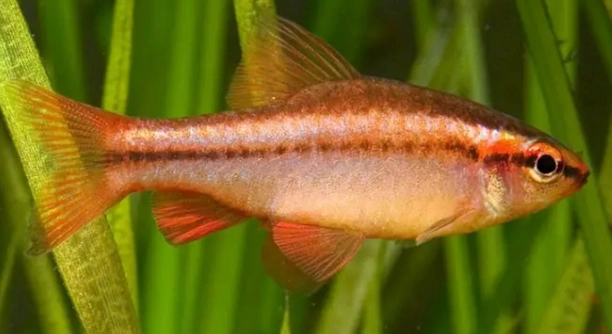
Is your Cherry Barb showing signs of frayed fins, discoloration, or changes in behavior that concern you during tank checks?
Fin rot in Cherry Barbs is typically caused by bacterial or fungal infections, often due to poor water quality, stress, or injury. Prompt treatment with clean water, medication, and improved tank conditions can help reverse the damage and support recovery.
Recognizing the signs early and acting quickly can help protect your Cherry Barb’s health and maintain a balanced aquatic environment.
What Causes Cherry Barb Fin Rot
Cherry Barb fin rot is often linked to stress, injury, or a drop in water quality. These fish are sensitive to changes in their environment, and if ammonia or nitrite levels rise, their immune systems can weaken. Even minor nips from tank mates or sharp decorations can open the door to bacteria or fungi. Poor diet can also play a role, as undernourished fish are more vulnerable to infection. If multiple fish in the tank start showing symptoms like ragged or discolored fins, it’s a clear sign that something in the tank needs to be corrected. Regular maintenance, including water testing and filter checks, helps keep conditions stable. A clean tank isn’t just for appearance—it directly supports your fish’s health. Keeping Cherry Barbs in a calm environment with compatible tank mates also lowers the risk of physical damage, which can often lead to infection if untreated.
Poor water quality is the most common reason for fin rot in Cherry Barbs. Unclean tanks promote bacterial and fungal growth that damages delicate fin tissue over time.
It usually starts at the edges of the fins, making them appear ragged or white. If ignored, the infection can spread toward the body. In severe cases, fin tissue may rot away completely, which can be painful and lead to permanent damage or death. Bacteria like Aeromonas and Pseudomonas are often responsible, thriving in conditions where water changes are infrequent or the biofilter is overwhelmed. Injury from aggression or decor also invites secondary infection. Maintaining consistent water parameters with minimal fluctuations can help keep your Cherry Barb safe from stress-related illness. Feeding high-quality food that supports immune function is also important. If one fish is affected, monitor others closely, as fin rot can quickly spread in shared environments. Spotting it early gives your fish the best chance at a full recovery.
How to Treat Fin Rot in Cherry Barbs
Start with improving water conditions. Clean the tank, remove debris, and perform a partial water change. This helps reduce harmful bacteria.
Once the water is clean, treatment depends on the severity of the infection. For mild cases, improving the tank’s conditions and adding aquarium salt may be enough. Salt helps by reducing stress and fighting mild infections. For more advanced cases, antibacterial medications like erythromycin or broad-spectrum treatments may be necessary. Always follow dosing instructions carefully. Isolate the infected fish if possible, especially in a smaller tank where you can control conditions more closely. This avoids exposing healthy fish to treatment chemicals unnecessarily. Remove activated carbon from filters before medicating, as it can absorb and weaken medication. Keep feeding your fish nutrient-rich food to support healing. Watch for improvement over several days. Fin regrowth can take time, but signs of healing include cleaner edges and reduced inflammation. Patience and consistent care are key.
Preventing Future Fin Rot
Keeping the water clean is the most important step. Regular water changes, proper filtration, and not overfeeding help maintain stable parameters. Test your water weekly to monitor ammonia, nitrite, and nitrate levels. Consistency keeps your Cherry Barb healthy and lowers the chance of infection returning.
Cherry Barbs do best in stable conditions, so avoid sudden changes in temperature or pH. Use a reliable heater and thermometer to prevent drops or spikes. Stick to a schedule for tank maintenance, like weekly 25–30% water changes. Remove leftover food and vacuum the substrate to stop waste buildup. Decor should be smooth and free of sharp edges to avoid fin damage. Choose peaceful tank mates to prevent aggression. When adding new fish, quarantine them first to avoid introducing bacteria or parasites. Feeding high-quality flakes or pellets with occasional frozen foods will support a strong immune system and better resistance to illness.
Stress reduction is important. Avoid overcrowding, as it causes competition and aggression. Cherry Barbs are social but need space to swim. A group of five or more works well, with plenty of room to move. Include plants or decorations to give them places to hide when needed. Dim lighting can also help them feel secure. Keeping noise and vibrations around the tank low contributes to a calm environment. If your fish act unusually or hide more than usual, check water parameters first. Healthy Cherry Barbs are active and curious. A clean, quiet setup with proper care creates the best defense against fin rot. Prevention saves time, reduces stress, and keeps your aquarium thriving.
Signs of Recovery
Healing fins will begin to show clearer, more even edges with less fraying or discoloration. Inflammation around the damaged areas should slowly reduce. Your Cherry Barb may also become more active and return to normal swimming and feeding behavior.
Appetite often improves first, followed by visible fin regrowth. The new fin tissue may look transparent at first. Keep the water clean and stick to a steady feeding and maintenance routine. Avoid changing medications too soon—give the treatment time to work unless symptoms worsen.
When to Consult a Professional
If the infection spreads despite proper care, or if multiple fish are affected quickly, it’s time to speak with a veterinarian who specializes in fish. They can recommend specific medications, check for secondary infections, or help diagnose other underlying conditions that may be affecting your Cherry Barb’s health.
Tank Conditions to Maintain
Keep temperatures stable between 74–80°F and maintain a pH around 6.5 to 7.5. Clean filters regularly without disrupting beneficial bacteria.
FAQ
What is the best water temperature for Cherry Barbs?
Cherry Barbs thrive in temperatures between 74–80°F. This range helps maintain their immune system, making them less susceptible to illness. If the water is too cold, they may become stressed, which weakens their resistance to infections like fin rot. It’s also important to avoid sudden temperature fluctuations, as this can lead to stress. Keeping a stable temperature will support your fish’s health and prevent unnecessary complications.
How often should I change the water for my Cherry Barb tank?
Water changes should be done weekly, with 25–30% of the water replaced. Regular changes ensure the removal of waste, excess nutrients, and toxins that can lead to poor water quality. Maintaining a clean environment helps prevent bacterial growth, which is crucial in preventing fin rot and other diseases. If your tank is heavily stocked, you may need to change the water more often. Regular water testing will help guide the frequency of changes to keep the tank conditions optimal.
Can I use aquarium salt to treat fin rot in Cherry Barbs?
Yes, aquarium salt can be beneficial for treating mild cases of fin rot. It helps by reducing stress and providing an extra layer of protection against bacterial infections. However, aquarium salt should only be used in moderation, as excessive amounts can harm your fish. Dissolve the salt in water before adding it to the tank and monitor the fish closely. If fin rot persists or worsens, you may need to use a more potent antibacterial treatment. Always follow dosage instructions and avoid using salt if your tank contains plants sensitive to it.
How do I prevent stress in my Cherry Barbs?
To prevent stress, maintain stable water conditions, including proper temperature, pH, and cleanliness. Avoid overcrowding the tank, as too many fish can cause competition and aggression. Cherry Barbs are peaceful fish that do well in groups, but a tank with too many can create stress. Provide plenty of hiding spots with plants or decorations, allowing the fish to retreat when they need a break. Keep the tank in a quiet area with minimal vibrations, as loud noises or movements can stress your fish. Additionally, ensure your Cherry Barbs are housed with peaceful tank mates.
How do I treat severe fin rot in Cherry Barbs?
For severe cases of fin rot, you may need to use a specific antibacterial medication like erythromycin or broad-spectrum treatments. Isolate the affected fish in a quarantine tank to avoid exposing healthy fish to the medication. Remove any activated carbon from the filter, as it can absorb the medication. Ensure that the quarantine tank has stable water conditions and use a gentle filter. Continue treating the fish until the fin rot symptoms, such as fraying or discoloration, subside. If the fin rot doesn’t improve or spreads, consider consulting a professional for more advanced treatment options.
Can fin rot spread to other fish in the tank?
Yes, fin rot can spread to other fish in the same tank, especially if the water quality is poor or if fish are kept in cramped conditions. The bacteria that cause fin rot can easily transfer from one fish to another through physical contact or by exposure to contaminated water. It’s essential to treat the infected fish quickly and separate them from healthy fish to prevent further spread. Regular water changes and maintenance can help reduce the risk of fin rot spreading in a tank.
How do I know if my Cherry Barb has fin rot or just damaged fins?
The difference between fin rot and fin damage lies in the appearance of the fins. If the fins are ragged or torn, but the edges are not discolored or swollen, it’s likely a result of injury. Fin rot, on the other hand, typically starts with the edges of the fins becoming frayed and developing a white or blackened appearance. The damaged areas may also be inflamed or look slimy. If the fish is showing signs of distress, like reduced activity or loss of appetite, and you notice these symptoms on the fins, it’s likely fin rot.
Can fin rot be caused by poor water quality alone?
Yes, poor water quality is one of the primary causes of fin rot in Cherry Barbs. Elevated levels of ammonia, nitrites, or nitrates in the water can weaken the immune system of your fish, making them more susceptible to bacterial infections like fin rot. Consistently poor water conditions, such as high levels of organic waste, can stress the fish and compromise their health. Regular water testing and maintenance are essential to prevent poor water quality from causing or worsening fin rot.
What type of food helps prevent fin rot in Cherry Barbs?
A balanced diet rich in nutrients is important for preventing fin rot and supporting overall health. Feed your Cherry Barbs high-quality flakes or pellets that are specifically designed for their needs. Occasionally, supplement their diet with frozen or live foods like brine shrimp, daphnia, or bloodworms. A well-rounded diet strengthens their immune system and helps them resist bacterial infections. Avoid overfeeding, as uneaten food can pollute the water, which leads to poor water quality and potential infections.
Can I treat fin rot without removing the infected fish?
It is possible to treat fin rot without removing the infected fish, especially if the case is mild. Regular water changes, improving water conditions, and adding aquarium salt can help treat the infection. However, for more severe cases, isolating the infected fish is recommended to prevent the spread of bacteria to other tank mates. Keeping the fish in a clean, stress-free environment with stable water parameters can significantly improve their chances of recovery.
Is fin rot contagious?
Yes, fin rot is contagious. The bacteria causing the infection can spread to healthy fish, especially if the water quality is poor or the fish are stressed. It’s crucial to address the issue immediately, isolate the infected fish if necessary, and improve the water conditions to prevent the spread of the infection to other fish. Regular water changes, proper filtration, and stress reduction are key to stopping fin rot from affecting the rest of the tank.
Final Thoughts
Cherry Barb fin rot is a common but preventable condition that can be managed with the right care. Maintaining clean, stable water conditions is key to preventing fin rot from occurring. Regular water changes, proper filtration, and monitoring water parameters will go a long way in keeping your Cherry Barbs healthy. Additionally, ensuring that the tank is not overcrowded and providing adequate space for your fish to swim reduces the chances of stress, which is another factor that can weaken their immune system.
If your Cherry Barb develops fin rot, it’s important to act quickly. Early treatment can prevent further damage and help your fish recover faster. Medications such as antibacterial treatments can help, but these should be used in combination with improved water conditions. Sometimes, aquarium salt can also be effective for mild cases, but care should be taken to use the proper dosage to avoid harm. When fin rot is more severe, isolating the infected fish and using stronger treatments in a quarantine tank may be necessary.
Overall, prevention is the best method to keep your Cherry Barbs healthy and free from fin rot. By maintaining good water quality and reducing stress, you provide the foundation for strong, resilient fish. Regularly check for signs of infection and treat any issues early to minimize the risk of long-term damage. With consistent care, your Cherry Barbs will thrive in a well-maintained aquarium.

Hello,
If you enjoy the content that we create, please consider saying a "Thank You!" by leaving a tip.
Every little bit helps us continue crafting quality advice that supports the health, happiness, and well-being of pets around the world, for pets of all shapes, sizes, and species.
We really appreciate the kindness and support that you show us!