
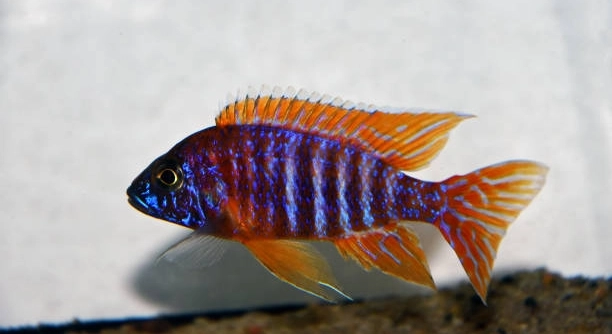
African cichlids are popular aquarium fish known for their vibrant colors. Sometimes, these fish may suddenly lose their bright hues and turn pale. Understanding why this happens can help fish owners keep them healthy and looking their best.
African cichlids turn pale due to several factors such as stress, poor water quality, illness, or improper diet. These conditions affect their pigment cells and overall health, causing a noticeable loss of color and vitality.
Recognizing the causes behind color changes can improve your care routine and promote your cichlids’ well-being. This article explains the common reasons for their fading colors and what you can do about it.
Stress and Its Impact on Color
Stress is one of the main reasons African cichlids lose their vibrant colors. Changes in their environment, such as sudden temperature shifts or new tank mates, can cause stress. When stressed, these fish may hide more, eat less, and show paler colors. Overcrowding also plays a role, as cichlids need enough space to feel secure. Lighting is another factor—too bright or too dim light can affect their natural color. Stress affects their immune system, making them more prone to illness and further color fading. Maintaining stable water conditions and providing a calm environment helps reduce stress. Regular monitoring and gentle handling also keep cichlids comfortable, helping their colors stay bright. Paying attention to their behavior is important because changes often signal stress. Acting quickly to reduce stress can restore their natural look and improve their overall health.
Keeping stress low will keep your cichlids healthy and colorful.
Stress affects cichlid color by disrupting their natural balance. A calm, stable tank environment helps them maintain their bright hues and stay healthy longer.
Water Quality and Color Fading
Poor water quality directly impacts the health and color of African cichlids. High levels of ammonia, nitrites, or nitrates create a toxic environment that stresses the fish and damages their skin cells. Dirty water can also encourage parasites and bacteria that cause disease, which dulls their colors further. Regular water changes and proper filtration keep the water clean and safe. Testing water parameters often is essential to catch problems early. Even small changes in pH or hardness can affect color intensity. Besides chemicals, excess waste and uneaten food break down and harm water quality. By maintaining a clean tank with balanced conditions, cichlids can show their brightest colors and live longer. It’s a simple step that makes a big difference. Clean water means healthier fish with richer colors.
Good water quality protects color and health by providing a stable environment free of toxins and harmful bacteria. Your cichlids depend on this balance to thrive.
Routine water testing and changes, along with proper filtration, prevent buildup of harmful substances. Using a reliable test kit helps monitor ammonia, nitrite, nitrate, and pH levels. Performing partial water changes weekly removes waste and refreshes minerals. Avoid overfeeding to reduce leftover food and waste. Also, ensure the tank is not overcrowded to help maintain good water conditions. The right balance supports pigment cells and reduces stress, preventing paleness. When water quality is managed well, fish display their full color potential and show more activity. Healthy water conditions encourage natural behavior, feeding, and reproduction. Keeping water parameters stable is the best way to keep cichlids vibrant and happy over time.
Illness and Disease
Illness can cause African cichlids to lose color quickly. Parasites, bacterial infections, or fungal issues often dull their appearance. Sick fish may also behave differently, becoming less active or refusing food. Early detection is key to treating these problems before they worsen.
Diseases like ich or velvet affect the skin and scales, disrupting pigment cells. Internal infections can also weaken fish, leading to paleness. These conditions spread easily in crowded or unclean tanks. Proper quarantine of new fish helps prevent outbreaks. Treatments usually involve medication, but identifying the exact illness first is important. A healthy immune system supports color retention, so maintaining good water quality and nutrition reduces disease risks.
Watching your fish for signs such as spots, frayed fins, or unusual swimming helps catch illness early. Prompt treatment improves recovery chances and helps your cichlids regain their bright colors.
Diet and Nutrition
A poor diet often leads to faded colors in African cichlids. Without proper nutrients, their pigment cells cannot produce vibrant hues. Balanced feeding with quality food supports both health and coloration.
High-quality flakes or pellets formulated for cichlids provide essential vitamins and minerals. Including natural foods like brine shrimp, bloodworms, or spirulina adds color-enhancing carotenoids. Overfeeding or feeding only one type of food causes nutrient gaps, which dull colors and weaken the fish. Variety is important to ensure all dietary needs are met. Also, avoid feeding expired or low-quality food as it can harm digestion and health. Feeding smaller portions multiple times a day helps maintain good appetite and digestion.
Good nutrition boosts the immune system, helping cichlids resist stress and disease. When fish receive a proper diet, their colors remain bright, and they appear more lively and active in the tank.
Lighting Conditions
Lighting plays an important role in the appearance of African cichlids. Too much light can stress them and cause their colors to fade. Too little light may make their colors appear dull and less vibrant.
Adjusting the tank lighting to mimic their natural environment helps maintain their brightness. Using a timer ensures consistent light and dark periods, which supports healthy behavior and coloration.
Tank Environment
The tank setup influences cichlid color as well. Rocks, plants, and hiding spots help reduce stress and make fish feel secure. A well-structured environment encourages natural behavior, which supports healthy coloring.
Genetics and Age
Genetics determine the base color of each cichlid. Some naturally have paler hues. As fish age, their colors may fade slightly due to changes in metabolism and pigment production.
FAQ
Why are my African cichlids turning pale suddenly?
Sudden paleness usually indicates stress or a change in the tank environment. It could be caused by poor water quality, a recent change in temperature, new tank mates, or illness. Checking water parameters and observing behavior helps find the cause quickly.
How can I improve the color of my pale cichlids?
Improving color involves reducing stress and providing good care. Keep water clean with regular changes, feed a balanced diet rich in natural pigments, and maintain stable lighting. Avoid overcrowding and provide hiding spots to create a comfortable space.
Is stress really that harmful to cichlid coloration?
Yes, stress directly affects pigment cells and the immune system. When stressed, cichlids lose their bright colors and become more prone to disease. Reducing stress by keeping stable conditions and a peaceful environment is key to vibrant colors.
Can poor water quality cause permanent color loss?
If poor water quality lasts long, it can cause lasting damage to pigment cells and overall health. Quick action to clean the tank and restore balance usually helps reverse paleness. Ignoring water issues may lead to chronic color loss and illness.
What foods help enhance African cichlid colors?
Foods rich in carotenoids like spirulina, krill, and shrimp help boost color. High-quality pellets or flakes made for cichlids also contain essential vitamins and minerals. A varied diet keeps fish healthy and their colors bright.
How often should I change the water to keep my cichlids colorful?
Weekly partial water changes of 20-30% are recommended. This removes waste and toxins while keeping minerals balanced. Testing water regularly ensures parameters like ammonia, nitrites, and nitrates stay safe, supporting color and health.
Can diseases cause color fading, and how do I spot them?
Yes, diseases often dull colors. Look for spots, frayed fins, unusual swimming, or loss of appetite. Early signs may be subtle, so regular observation is important. Quarantine new fish to prevent spreading illness.
Does lighting affect how my cichlids’ colors show?
Lighting affects how colors look but also influences fish health. Too bright or too dim lighting can cause stress or make colors seem washed out. Using adjustable lighting with a timer helps simulate natural day and night cycles.
Will aging cause my cichlids to lose color?
Yes, some color fading is normal as cichlids age. Their metabolism and pigment production slow down, causing softer colors. Good care can slow this process and keep fish looking vibrant longer.
Is genetics the reason some cichlids are naturally pale?
Yes, genetics determine base color and patterns. Some species or strains have naturally lighter colors. Understanding this helps set realistic expectations for your fish’s appearance.
Can tank decorations influence color fading?
Indirectly, yes. A tank without hiding places or proper structure may stress fish, leading to paleness. Adding rocks, plants, or caves provides security, reducing stress and helping maintain bright colors.
How can I reduce stress in my cichlid tank?
Keep stable water conditions, avoid sudden changes, don’t overcrowd, and provide hiding spots. Gentle handling and peaceful tank mates also help. Stress reduction leads to healthier fish with stronger coloration.
Are supplements helpful for color enhancement?
Some supplements contain pigments or vitamins that support color. Use them carefully and only if needed, as a balanced diet usually provides enough nutrients. Always follow dosage instructions to avoid harm.
What role does temperature play in color retention?
Temperature affects metabolism and health. Too cold or too hot water stresses fish and dulls colors. Keep tank temperature stable within the species’ preferred range to support bright colors and good health.
How long does it take for colors to return after fixing problems?
It varies, but usually a few days to a couple of weeks for colors to improve after stress, illness, or poor water is corrected. Patience is important while fish recover and regain strength.
Can breeding affect a cichlid’s color temporarily?
Yes, during breeding or spawning, colors may fade or change as energy focuses on reproduction. Afterward, colors usually return to normal once stress and demands decrease.
These answers cover common causes and solutions related to African cichlids turning pale. Monitoring your tank and caring carefully helps keep your fish colorful and healthy.
African cichlids are beautiful fish that brighten up any aquarium with their bright colors. When their colors start to fade or they turn pale, it is often a sign that something in their environment is not quite right. This can be due to stress, illness, poor water quality, or an improper diet. Understanding these causes is important to keep your fish healthy and colorful. Paying close attention to their behavior and appearance will help you spot problems early. Taking quick action can prevent further issues and help restore their natural beauty.
Maintaining stable and clean water conditions is one of the most important things you can do for your cichlids. Regular water changes, proper filtration, and testing water parameters help avoid toxic build-up that can harm your fish. Providing a balanced diet with quality food that includes nutrients and pigments supports their health and color. Creating a calm environment with enough space and hiding places reduces stress, which has a big impact on their appearance. Lighting should be appropriate, mimicking their natural habitat, to enhance their colors without causing discomfort.
Finally, illness and age can also affect the color of your cichlids. Keeping an eye out for signs of disease and acting quickly when you notice any changes helps protect your fish from serious health problems. While some fading with age is normal, good care can slow this process. Every cichlid is different, and their genetics play a role in their color patterns and brightness. With proper care, attention, and patience, you can help your African cichlids stay healthy and show their best colors for a long time.

Hello,
If you enjoy the content that we create, please consider saying a "Thank You!" by leaving a tip.
Every little bit helps us continue crafting quality advice that supports the health, happiness, and well-being of pets around the world, for pets of all shapes, sizes, and species.
We really appreciate the kindness and support that you show us!