
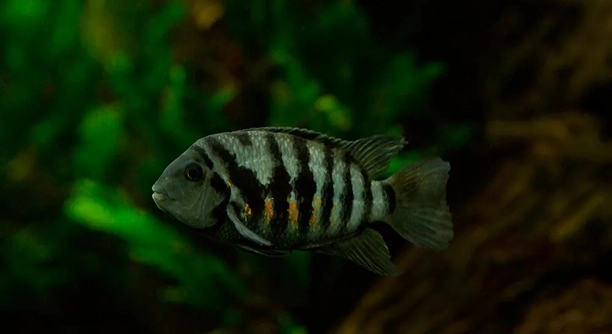
African cichlids are popular aquarium fish known for their vibrant colors and active behavior. Many fish owners notice their cichlids pacing back and forth in the tank. This movement can be puzzling and sometimes worrying for those caring for these lively pets.
Pacing in African cichlids is usually caused by stress, territorial behavior, or lack of stimulation. These fish may feel confined, threatened, or bored in their environment, which leads them to swim repetitively along the tank edges as a coping mechanism.
Understanding the reasons behind this behavior can help improve your cichlids’ well-being and create a more comfortable tank environment for them.
Reasons Behind Pacing Behavior
African cichlids often pace because they are feeling stressed or anxious. When the tank is too small or overcrowded, they may not have enough space to swim freely. This lack of space can make them restless and lead to repetitive movement. Another reason is territorial instincts. Cichlids like to mark and protect their area. If other fish invade their space, pacing becomes a way to show dominance or discomfort. Additionally, a bare or unstimulating environment can cause boredom. Without enough hiding spots, plants, or decorations, these fish may swim back and forth out of frustration. It is also possible that sudden changes in water conditions or improper water quality increase their stress. Noticing pacing early is important because it often signals that something in the tank needs attention.
Pacing can be a sign that your fish’s environment requires improvement or change.
Creating a balanced tank setup with enough space, hiding places, and stable water conditions can reduce pacing. Regular monitoring and maintenance are key to keeping your cichlids calm and healthy.
How to Help Your Cichlids Stop Pacing
One simple step is to make sure your tank is large enough for the number of fish you keep. A spacious tank gives cichlids room to swim and explore, reducing stress. Adding rocks, caves, and plants provides hiding spots and breaks up the open swimming area. This variety helps keep your fish mentally engaged and less likely to pace. Maintaining clean water with stable temperature and proper filtration is essential. Frequent water tests and partial water changes will help keep the environment comfortable. If aggressive tank mates cause pacing, consider separating fish or rearranging the tank layout to reduce conflicts. Paying attention to their behavior and needs can make a big difference in stopping pacing and improving their quality of life.
Tank Environment and Its Impact
Tank size plays a major role in pacing behavior. Small tanks limit movement and cause frustration in active cichlids. A cramped space often leads to repetitive swimming.
To reduce pacing, provide a tank that offers ample room for swimming and exploration. A minimum of 30 gallons is recommended for most African cichlids, but larger tanks are better if you keep multiple fish. Proper decorations like rocks, caves, and plants create natural boundaries that help fish establish territories without constant conflict. These features also reduce stress by giving fish places to hide when they feel threatened. Without a stimulating environment, cichlids may pace simply because they have nothing else to do. Regularly rearranging decorations can refresh their environment and encourage new behavior.
Tank cleanliness and water quality also affect pacing. High levels of ammonia, nitrites, or sudden temperature changes can stress fish, causing them to swim nervously along tank walls. Maintaining stable, clean water improves their comfort and decreases pacing.
Social Behavior of African Cichlids
African cichlids are naturally territorial, and pacing is often a sign of territorial defense. When they see other fish as rivals, pacing helps mark their space and warn intruders. This behavior is more common when tanks are overcrowded or when incompatible species are kept together. Aggressive or dominant fish may pace to intimidate others.
Providing enough space and hiding spots helps reduce territorial disputes. Separating aggressive fish or creating visual barriers can also calm the tank atmosphere. Knowing the social tendencies of your cichlid species makes it easier to manage their behavior and reduce pacing caused by stress or conflict.
Feeding and Nutrition Effects
Poor diet can contribute to pacing behavior in African cichlids. Lack of proper nutrients or irregular feeding schedules may cause restlessness.
Feeding high-quality food in balanced amounts helps keep cichlids healthy and satisfied. Avoid overfeeding, which can also lead to stress and health issues.
Signs of Stress in Cichlids
Pacing is often one of several signs that cichlids are stressed. Other signs include loss of color, hiding, or reduced appetite. Watching for these signs helps identify problems early, allowing for quick action to improve their environment and health.
Importance of Regular Tank Maintenance
Keeping the tank clean and maintaining stable water conditions is essential for reducing pacing. Regular water changes and filter cleaning prevent buildup of harmful substances. Stable temperature and pH levels also keep cichlids comfortable and calm, minimizing stress-related pacing.
Lighting and Its Role
Lighting affects fish behavior and mood. Too bright or constant lighting can cause discomfort and lead to pacing. Providing a natural day-night cycle with periods of dimmer light helps cichlids feel secure and reduces stress-driven movement.
FAQ
Why do African cichlids pace more at certain times?
African cichlids often pace more during feeding times or when there is activity near the tank. This behavior is linked to anticipation or territorial alertness. Changes in light or tank disturbances can also trigger increased pacing. Their natural instincts make them more active during these moments.
Is pacing harmful to my cichlid?
Pacing itself is not directly harmful, but it is a sign of stress or discomfort. Continuous pacing can indicate that something in the tank environment needs attention. If left unaddressed, stress can weaken their immune system and lead to illness. Monitoring and improving tank conditions can reduce pacing and keep your fish healthy.
Can pacing indicate illness?
Yes, pacing combined with other symptoms like lethargy, loss of appetite, or unusual spots may signal illness. However, pacing alone is usually linked to environmental or social stress. If you notice other worrying signs, it is best to test water quality and consider consulting a vet or experienced aquarist.
How much space do African cichlids need to prevent pacing?
A minimum of 30 gallons per fish is recommended, but more space is better for multiple cichlids. Larger tanks help reduce territorial conflicts and allow fish to swim freely. Providing enough room is crucial to lower stress and prevent pacing caused by overcrowding.
Does tank decoration affect pacing?
Yes, decorations like rocks, caves, and plants provide hiding spots and break up the open swimming area. This helps fish feel safe and reduces boredom. A well-decorated tank mimics their natural habitat and can lessen pacing by giving them places to explore or retreat.
Can pacing be caused by poor water quality?
Poor water quality is a common cause of stress that leads to pacing. High ammonia or nitrite levels, improper pH, or temperature swings can make fish uncomfortable. Regular water testing and maintenance are essential to keep the environment stable and reduce pacing behavior.
Will changing tank mates help reduce pacing?
Sometimes, yes. Aggressive or incompatible tank mates can cause stress and pacing. Separating aggressive fish or choosing species with peaceful temperaments helps create a calmer environment. Observing fish interactions is key to deciding whether changes are necessary.
Is pacing a sign of boredom in cichlids?
Pacing can be a sign of boredom, especially if the tank lacks stimulation. Without enough hiding spots or environmental variety, cichlids may swim repetitively out of frustration. Adding new decorations or rearranging the tank can help engage them mentally and reduce pacing.
How often should I rearrange the tank decorations?
Rearranging the tank every few weeks or months can keep the environment interesting for your fish. Changing the layout encourages exploration and reduces repetitive behavior like pacing. Just make sure changes don’t disrupt established territories too much.
Can lighting affect pacing behavior?
Yes, lighting that is too bright or constant can cause stress and pacing. Providing a natural day-night cycle with periods of dim light helps fish feel secure. Using timers for lighting ensures consistency, which supports healthy fish behavior.
Are all African cichlid species prone to pacing?
Most African cichlids show some pacing behavior because of their territorial nature. However, some species are more aggressive or active and may pace more. Understanding your species’ temperament helps manage their environment better to reduce pacing.
What should I do if pacing continues despite changes?
If pacing continues, review tank size, water quality, and social setup carefully. Sometimes subtle factors like water chemistry or hidden aggression cause stress. Consulting experienced hobbyists or professionals can provide insights and solutions tailored to your tank.
Can diet changes affect pacing?
A poor diet can contribute to pacing by causing stress or discomfort. Feeding a balanced diet with high-quality pellets, flakes, or frozen foods helps keep cichlids healthy. Avoid overfeeding, as excess food can degrade water quality and increase stress.
How important is water temperature for pacing behavior?
Stable water temperature is very important. Sudden drops or rises can stress cichlids and cause pacing. Most African cichlids prefer temperatures between 75-82°F (24-28°C). Using a reliable heater and thermometer helps maintain a comfortable environment.
Is pacing a temporary behavior or a long-term issue?
Pacing can be temporary if it happens due to short-term stress or environmental changes. If the root causes are not fixed, it can become a long-term problem. Regular tank care and attention to your fish’s needs help prevent pacing from becoming chronic.
African cichlids are beautiful and active fish that can sometimes pace in their tanks. This pacing is usually a sign that something in their environment is not quite right. It can happen because of stress, lack of space, or even boredom. Understanding why your cichlids pace helps you take better care of them and create a happier home for these lively fish.
One of the most important things to remember is that pacing is often linked to the tank setup. A tank that is too small or overcrowded can make cichlids feel trapped and stressed. They need enough room to swim freely and places to hide or explore. Decorations like rocks, plants, and caves not only make the tank look better but also provide mental stimulation and safety for your fish. Keeping the water clean and stable is also essential because poor water quality can add to their discomfort and cause pacing.
Finally, paying attention to your fish’s behavior helps you notice early signs of stress or health problems. If your cichlids pace often, try checking their tank conditions, water quality, and how they interact with other fish. Sometimes small changes, like adding more hiding spots or improving the diet, can make a big difference. With regular care and attention, you can reduce pacing and help your African cichlids live a calm, healthy life in their tank.

Hello,
If you enjoy the content that we create, please consider saying a "Thank You!" by leaving a tip.
Every little bit helps us continue crafting quality advice that supports the health, happiness, and well-being of pets around the world, for pets of all shapes, sizes, and species.
We really appreciate the kindness and support that you show us!