
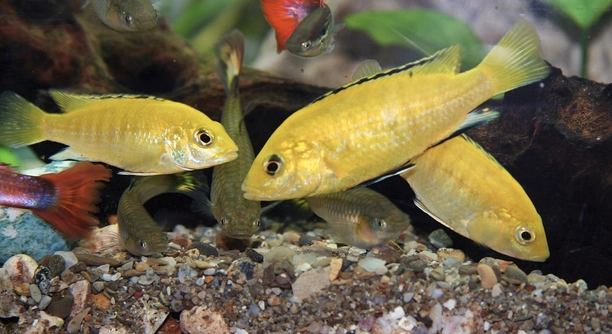
African cichlids are popular aquarium fish known for their bright colors and active behavior. However, some cichlids tend to be shy and hide more often than others. Understanding why they behave this way can help owners create a better environment for them.
African cichlids become shy primarily due to stress caused by factors such as overcrowding, poor water quality, aggressive tank mates, and lack of proper hiding spaces. These conditions disrupt their natural behavior, leading to increased fear and withdrawal.
Learning about these causes can help improve the comfort and wellbeing of your cichlids. This article will explain the main reasons behind their shyness and suggest ways to support a healthier, more confident fish.
Stress and Environment
Stress is a major factor that causes African cichlids to become shy. When fish live in crowded tanks, they often feel threatened and overwhelmed. Poor water quality, like dirty or unbalanced water, also adds to their stress. Changes in temperature or pH can make them uncomfortable. Aggressive tank mates can intimidate cichlids, pushing them to hide. On the other hand, a lack of hiding spots leaves them feeling exposed and unsafe. When these conditions combine, cichlids tend to retreat and show less activity. Creating a calm and stable environment helps reduce their stress levels. It’s important to regularly check the tank’s water parameters and clean it as needed. Adding plants, rocks, or caves gives cichlids places to feel secure. By managing stress and environment, shy behavior can be lessened, making the fish more active and visible in the tank.
Providing hiding places helps cichlids feel safe and less prone to stress.
Adjusting the tank environment takes time but is essential. Regular water tests and proper tank mates improve comfort. Overcrowding should be avoided to prevent tension among fish. With patience, shy cichlids begin to explore more and show their true colors. Giving them enough space and secure areas encourages confidence. A stable, clean tank promotes healthier and less anxious fish. Even small changes can make a big difference in reducing fear and promoting natural behavior in African cichlids.
Genetics and Individual Personality
Genetics also influence how shy an African cichlid might be. Some species naturally have more reserved behavior. Individual personality plays a role too, as some fish are simply more cautious than others. Knowing your cichlid’s background helps in setting realistic expectations for their behavior.
Shyness in cichlids is often inherited and varies from fish to fish.
Different species of African cichlids show a wide range of behaviors. Some are bold and always swim in the open, while others prefer hiding or staying near the bottom. Even within the same species, personality differences can be seen. Understanding these traits helps when planning the aquarium setup. For example, shy species benefit more from tanks with plenty of cover and fewer aggressive neighbors. It also means that patience is necessary, as not all fish will become outgoing. Respecting their natural instincts creates a better experience for both the fish and the keeper. Recognizing that some cichlids are quieter by nature helps in providing the right care without forcing them to change.
Tank Setup and Decoration
Tank setup plays a big role in how shy African cichlids behave. A bare tank with no hiding spots can make them feel unsafe. Adding rocks, plants, and caves provides shelter and reduces stress.
Creating a natural habitat inside the tank helps cichlids feel more secure. Rocks and caves mimic their natural environment, giving them places to rest and hide when feeling threatened. Plants add cover and can soften aggressive behavior by breaking sight lines between fish. Proper decoration also encourages exploration and activity, which reduces shyness. When cichlids have enough space to claim their own territory, they feel less stressed and more confident. A well-decorated tank supports their social needs and promotes natural behaviors that keep them healthy.
The layout of the tank should balance open swimming areas with plenty of hiding spots. This setup helps cichlids move comfortably while feeling protected. Avoid overcrowding decorations, which can limit swimming space and cause frustration. Regularly rearranging decorations can also reduce territorial disputes and encourage curiosity. Taking time to create the right tank setup improves the fish’s overall wellbeing and decreases shy behavior.
Feeding Habits and Interaction
Feeding habits affect how shy cichlids act around people and other fish. When they feel safe during feeding, they are more likely to come out of hiding.
Offering food consistently and in small amounts builds trust. Feeding at regular times helps cichlids learn when it’s safe to approach. Using slow sinking pellets or live food encourages natural foraging behavior and keeps them engaged. Avoid sudden movements while feeding, as this can scare them away. Overfeeding should be avoided because it causes poor water quality, which increases stress and shyness. Watching how they eat also gives clues about their health and comfort level. Feeding with care supports social interaction and helps shy cichlids become more active and visible.
Lighting and Noise Levels
Bright lights can make African cichlids feel exposed and cause them to hide more often. Soft, natural lighting helps reduce their stress.
Loud noises and vibrations around the tank also increase fear and make cichlids shy. Keeping the environment calm benefits their behavior.
Social Dynamics in the Tank
The social setup inside the tank affects cichlid confidence. Aggressive or overly dominant fish can intimidate others, causing some to stay hidden. It’s important to choose tank mates carefully and avoid overcrowding. Providing enough space and visual barriers can reduce conflicts. Grouping cichlids in appropriate numbers helps balance social tension. Shyer fish benefit from being housed with peaceful species that do not compete aggressively for territory or food. Watching interactions closely allows you to spot any bullying or stress signs early. Managing social dynamics well promotes a calmer, more confident community where shy cichlids feel safer.
Water Parameters
Maintaining stable water conditions is essential for cichlid comfort and behavior.
Introducing New Fish
New fish arrivals can increase stress levels and cause hiding behavior in African cichlids.
FAQ
Why do African cichlids hide most of the time?
African cichlids often hide because they feel stressed or threatened. This can happen due to aggressive tank mates, poor water quality, or a lack of hiding spaces. Shy behavior is a way for them to protect themselves until they feel safe and comfortable in their environment.
How can I reduce stress for my shy cichlids?
To reduce stress, ensure the tank is not overcrowded and water conditions are stable. Provide plenty of hiding places like rocks and plants. Avoid sudden movements or loud noises around the tank. Choosing compatible tank mates and feeding regularly also helps cichlids feel more secure.
Can shy cichlids become more active over time?
Yes, shy cichlids can become more active when their environment improves. Stable water quality, peaceful neighbors, and a well-decorated tank encourage confidence. Patience is important, as some fish take longer to adjust than others.
Is it normal for some cichlids to be shy while others are bold?
Yes, different species and even individual cichlids have unique personalities. Some are naturally cautious, while others are more outgoing. This is part of their genetic makeup and how they behave in the wild.
How important is tank size for shy cichlids?
Tank size matters a lot. Smaller tanks can cause overcrowding and increase stress, leading to shyness. Larger tanks give cichlids enough space to claim territory and avoid constant conflict, which helps them feel safer and more relaxed.
What water parameters help keep cichlids comfortable?
African cichlids prefer water with a pH between 7.8 and 8.6, and temperatures around 75–82°F (24–28°C). Stable parameters without sudden changes are key to reducing stress and shy behavior. Regular testing and maintenance are necessary.
How do aggressive tank mates affect shy cichlids?
Aggressive fish can scare shy cichlids into hiding. Constant chasing or fighting causes stress and fear, making it hard for shy cichlids to come out. Choosing peaceful or similarly tempered species prevents this issue.
Can lighting affect cichlid behavior?
Yes, very bright lights can make cichlids feel exposed and lead them to hide more. Using softer or dimmer lighting creates a calmer environment, encouraging shy fish to be more active.
Should I rearrange tank decorations to help shy cichlids?
Occasionally rearranging decorations can reduce territorial disputes and encourage exploration. However, too much change can also stress fish. Make changes slowly and observe how your cichlids react before making further adjustments.
How does feeding routine impact shy cichlids?
Regular feeding builds trust and encourages shy cichlids to come out. Using slow-sinking pellets or live foods simulates natural feeding behavior and keeps them engaged. Avoid overfeeding to maintain water quality.
What signs show that a shy cichlid is stressed?
Signs include hiding more than usual, loss of color, reduced appetite, and sluggish movement. Watching these behaviors helps catch problems early so changes can be made to improve their environment.
How long does it take for shy cichlids to adjust to a new tank?
Adjustment time varies but usually takes a few days to several weeks. Providing stable conditions and a safe setup helps speed up this process. Patience is essential during this period.
Is it necessary to isolate aggressive fish to protect shy cichlids?
In many cases, isolating or removing aggressive fish improves the tank’s harmony. This prevents constant bullying and reduces stress, allowing shy cichlids to feel more comfortable and visible.
Can stress cause illness in shy cichlids?
Yes, chronic stress weakens the immune system, making cichlids more prone to diseases. Maintaining good water quality, reducing aggression, and minimizing environmental stress help keep them healthy.
Are shy cichlids harder to care for than bold ones?
Not necessarily harder, but shy cichlids need more attention to their environment and social setup. Understanding their needs and providing proper care helps them thrive, just like bolder fish.
How does water temperature influence cichlid behavior?
Water that is too cold or too warm stresses cichlids and can cause them to hide. Keeping the temperature within their preferred range helps maintain normal activity levels and reduces shyness.
Can shy cichlids become territorial?
Yes, even shy cichlids can become territorial once they feel secure in their space. Providing enough room and hiding spots lets them establish territory without constant conflict.
What is the best way to introduce new fish to a tank with shy cichlids?
Introduce new fish slowly and monitor interactions closely. Quarantine new arrivals to prevent disease spread. Adding new fish during feeding times can reduce aggression and stress.
How do I know if my shy cichlids are happy?
Happy cichlids swim actively, explore their tank, and show bright colors. They respond to feeding and interact calmly with tank mates. Over time, shy fish will spend more time out of hiding when comfortable.
Can environmental enrichment reduce shyness?
Yes, adding variety through decorations, plants, and different feeding methods stimulates cichlids mentally and physically. This enrichment encourages natural behaviors and builds confidence in shy fish.
African cichlids can be shy for several reasons, but understanding what causes their behavior helps improve their wellbeing. Stress, environment, genetics, and social interactions all play a role in why some cichlids hide more than others. By paying attention to these factors, it is possible to create a tank setup that makes shy cichlids feel safer and more comfortable. Reducing stress by maintaining clean water, providing hiding spots, and choosing peaceful tank mates is key to encouraging natural activity. When cichlids feel secure, they are more likely to show their colors and swim freely.
Tank conditions are very important for shy cichlids. A well-decorated tank with rocks, caves, and plants provides places to hide and explore. Proper lighting and a calm environment reduce fear and help cichlids adjust. Feeding routines also matter because regular, gentle feeding builds trust and encourages shy fish to come out. Watching how your cichlids behave over time gives clues about their comfort and health. Small changes like rearranging decorations or adjusting water parameters can improve their confidence. Patience is necessary because shy cichlids may take time to feel at ease.
Lastly, it is important to remember that some cichlids are naturally more reserved due to their genetics or personality. Accepting their nature helps avoid frustration and allows for better care. Not every fish will become bold, and that is okay. Providing the right environment, minimizing stress, and respecting their behavior leads to a happier tank overall. Shy African cichlids can thrive when given time, space, and proper care. Their unique behavior adds diversity and interest to the aquarium, making them a rewarding species to keep.

Hello,
If you enjoy the content that we create, please consider saying a "Thank You!" by leaving a tip.
Every little bit helps us continue crafting quality advice that supports the health, happiness, and well-being of pets around the world, for pets of all shapes, sizes, and species.
We really appreciate the kindness and support that you show us!