
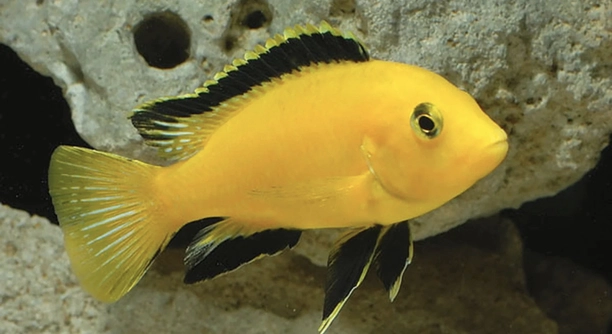
Have you ever checked on your aquarium at night and noticed your African cichlids acting more aggressive than usual?
Nighttime fights among African cichlids are often caused by stress, territorial disputes, limited hiding spaces, and disrupted light cycles. These factors can increase aggression after dark, especially in densely stocked tanks with insufficient environmental enrichment.
Understanding these behaviors can help you create a safer, more peaceful nighttime environment for your cichlids.
Common Causes of Nighttime Aggression
African cichlids are naturally territorial, and this behavior doesn’t stop when the lights go out. At night, the reduced visibility can lead to confusion and unexpected interactions between tank mates. If hiding spots are limited, dominant cichlids may become more aggressive, trying to protect what little space they have. Disrupted light cycles or sudden changes in the lighting schedule can also stress the fish, making them more prone to aggression. Overcrowding increases the chances of bumping into one another, especially when fish are already on edge. Certain species are more aggressive by nature and may not tolerate close contact during resting hours. When fish feel insecure, they become more defensive, which often leads to fighting. Lack of structure in the tank can worsen the problem, leaving no clear boundaries between territories. All of this combined can create a stressful environment where aggression becomes a regular issue at night.
Stress and overcrowding are two of the most common reasons behind aggressive behavior in African cichlids during nighttime hours.
Adding caves, rocks, or plants helps reduce visibility between fish and gives them space to retreat when tensions rise. Creating clear territorial boundaries using decorations can also make a difference. If possible, rehome especially aggressive individuals or move them to a separate tank. Avoid overcrowding by sticking to a reasonable stocking ratio, and choose tank mates carefully to reduce compatibility issues. Keep your light schedule consistent, and avoid sudden changes that can stress the fish. Feed your cichlids well, and ensure they are getting balanced nutrition, as a poor diet can lead to increased aggression. Also, make sure your tank has good water quality. Test your water regularly, and perform routine maintenance to keep it stable. Healthy water conditions support calm behavior. When these needs are met, the fish will settle more easily at night, and you’ll notice fewer fights among your African cichlids.
Lighting and Environment Triggers
Inconsistent lighting or poorly planned tank layouts can lead to nighttime tension in African cichlids. Some fish may feel trapped or exposed without proper shelter when lights go out.
When your aquarium lighting doesn’t follow a natural rhythm, it can confuse the cichlids and disrupt their biological clock. This confusion can cause increased restlessness at night. Too much light during the day or abrupt transitions to darkness can stress the fish, making them more likely to act out. A good solution is to use a timer that mimics sunrise and sunset gradually. Along with lighting, tank design plays a major role in preventing aggression. Tall plants, caves, and rocks offer privacy and let each fish claim a secure area. Poor tank layout often leads to disputes because there’s nowhere to escape when tempers flare. A well-structured aquarium not only calms the fish but also encourages peaceful nighttime behavior by giving each cichlid the space it needs.
Behavior Patterns to Watch For
Aggressive cichlids may chase, nip fins, or guard certain areas of the tank, especially once the lights go off. You might also notice changes in their swimming patterns or signs of stress in less dominant fish.
Some cichlids will repeatedly claim a corner or cave and lash out at others who come near, even during rest hours. If a fish constantly chases others or disrupts groups during the night, it’s showing territorial behavior. Submissive fish may hover near the surface or hide in corners, trying to avoid conflict. Look for torn fins or dull coloration, which are signs of stress and aggression. These patterns are often missed because the tank appears calm during the day. Nighttime observations or checking the tank early in the morning can reveal issues you may not notice otherwise. Recognizing these signs early helps prevent long-term harm and improve tank harmony.
If the same fish shows dominant behavior every night, it’s likely disrupting the peace regularly. Constant fighting can cause physical injuries or long-term stress for other tank mates. Smaller or younger cichlids are often targeted, which puts them at risk. This kind of imbalance makes the tank environment tense, even during the day. Identifying which fish are involved and when the behavior happens helps you plan the best solution. Moving decorations, adjusting lighting, or separating aggressive individuals can help manage the issue. Keeping a log of behavior patterns for a few days may help you spot triggers and figure out whether the aggression is territorial, defensive, or stress-related.
Improving Tank Conditions at Night
Start by making sure your lighting follows a steady schedule, with gradual changes between day and night. Avoid leaving the tank in complete darkness if the fish are unsettled by sudden light loss.
Use a dim blue night light to simulate moonlight and help your cichlids transition into nighttime calmly. This small adjustment can reduce surprise encounters and lower stress levels. Adding more structures like rocks and caves will also create natural boundaries and hiding spaces, giving each fish a chance to feel secure. Make sure the tank is not overcrowded, as too many fish can lead to constant territorial struggles, especially at night. Water quality matters too—regular water changes, proper filtration, and keeping stable parameters will support calmer behavior. Feeding a nutritious diet before lights out may also help your cichlids settle down and rest instead of showing aggression after dark.
Monitoring Aggression Levels
Check your tank early in the morning for signs of damage like torn fins or missing scales. These are often the result of nighttime fights and may go unnoticed during the day.
Use a dim light at night to observe behavior without disturbing the fish. Note which individuals are aggressive and which appear stressed or withdrawn.
Choosing Compatible Tank Mates
When stocking your tank, choose cichlid species with similar temperaments and adult sizes. Avoid mixing highly aggressive species with more peaceful ones, as this can lead to ongoing conflict. Stick to fish with similar environmental needs, and research their behavior before introducing new tank mates. Compatibility plays a key role in long-term harmony.
When to Separate Fish
If fights continue despite tank changes, it’s best to remove the aggressive fish. Keeping it isolated may protect the rest and help lower overall stress.
FAQ
Why do my African cichlids only fight at night?
Cichlids often rely on sight to recognize each other and navigate their territory. At night, when visibility drops, they may accidentally enter another fish’s space, which can trigger aggression. Without clear boundaries, even peaceful fish can become defensive. Limited hiding spots also increase stress after dark. Some species are naturally more active or territorial at night. If your tank lacks structure or has poor lighting transitions, this can disturb their rest and lead to more frequent conflicts. Keeping a predictable light cycle and adding more hiding spaces can help reduce these nighttime fights.
Should I leave a night light on in the tank?
Yes, using a soft blue night light is often helpful. It provides a calming transition from full light to darkness and helps fish maintain a stable routine. This dim light mimics natural moonlight, reducing surprise encounters and helping fish avoid bumping into each other. It also allows you to observe nighttime behavior without fully waking the fish. Avoid bright lights, though, as they may interrupt their natural rest patterns. A gentle night light can make the tank feel more secure, especially for cichlids prone to aggression when visibility drops suddenly.
How do I know which cichlid is starting the fights?
Look for the fish that chases others or guards specific areas, especially in the early morning or late evening. You might see it chasing away tank mates or hovering over a certain rock or cave. The aggressor often has minimal fin damage while the others show signs of stress, like torn fins or hiding. You can also watch with a dim light for a few nights to identify the aggressive behavior. Keeping track of patterns and checking for physical damage helps you spot the one starting the fights.
What should I do if one fish is constantly being attacked?
If one cichlid is always targeted, first try rearranging the tank to break up territories. Add more rocks, caves, or decorations to create hiding spaces and reduce visibility between fish. If the aggression continues, consider moving the bullied fish to a quarantine tank until it heals. Long-term, you may need to rehome either the aggressive fish or the one being attacked. Fish that are repeatedly stressed can become sick or stop eating, so it’s important to act quickly if this behavior doesn’t stop with minor changes.
Can tank size affect aggression levels?
Yes, tank size plays a big role in cichlid aggression. A small tank limits territory and escape routes, increasing the chance of conflict. African cichlids need space to establish boundaries and avoid constant contact with others. When space is tight, even less aggressive fish can become territorial and lash out. A larger tank with well-placed structures helps reduce tension by giving each fish its own area. It’s also easier to control water quality in a bigger tank, which helps lower stress levels.
Do all African cichlids behave this way at night?
Not all cichlids show aggression at night, but many do if the conditions encourage it. Some species are more aggressive in general, and their behavior doesn’t change much between day and night. Others may become defensive only when startled or stressed. If your tank is balanced and spacious, you may not see any nighttime aggression at all. Individual temperament, tank design, species mix, and lighting conditions all affect how your cichlids behave once the lights go out.
How often should I check for signs of aggression?
Check your tank daily, especially early in the morning. Look for physical signs like damaged fins, hiding, or changes in swimming behavior. You don’t need to watch all night, but occasional nighttime checks using a dim light can reveal issues you’d miss during the day. If aggression is regular, keep a short log of what you observe. Tracking this over several days helps identify patterns and lets you take action before injuries or stress get worse. Regular monitoring keeps the tank peaceful and the fish healthy.
Final Thoughts
African cichlid fights at night are often caused by stress, poor lighting routines, overcrowding, and a lack of hiding spaces. These conditions can create tension after dark, especially when fish can’t see each other clearly or feel secure. Some species are naturally more aggressive than others, and their behavior may change when the lights go off. Without enough space and structure, even peaceful fish can become defensive. When multiple fish are kept in a small area with limited territory, they are more likely to fight at night. This is why it’s important to pay attention to your tank’s environment and make changes that support calm behavior.
Small adjustments can go a long way in reducing aggression. Keeping a regular lighting schedule helps your cichlids follow a consistent day-night rhythm, and a dim night light can ease their transition into nighttime. Adding more decorations like rocks, caves, and plants will create barriers and hiding places so the fish don’t feel exposed or trapped. These changes help the fish establish clear boundaries and feel more secure. Monitoring behavior is also important. Watch for early signs of stress, like fin damage or constant chasing. Acting quickly can stop fights before they lead to serious harm. If one fish is especially aggressive, it might need to be separated or rehomed.
It’s also helpful to research the species in your tank to understand their natural behavior and compatibility. Some cichlids do better in groups of certain sizes or with specific tank mates. Avoid overcrowding and make sure each fish has enough space to claim its own territory. A well-balanced tank leads to a more peaceful environment, day and night. Keeping up with water quality, proper feeding, and regular maintenance will also support your fish’s health and behavior. Every tank is different, so it’s important to keep observing and adjusting as needed. With the right care and setup, your African cichlids can rest calmly at night and live together peacefully.

Hello,
If you enjoy the content that we create, please consider saying a "Thank You!" by leaving a tip.
Every little bit helps us continue crafting quality advice that supports the health, happiness, and well-being of pets around the world, for pets of all shapes, sizes, and species.
We really appreciate the kindness and support that you show us!