
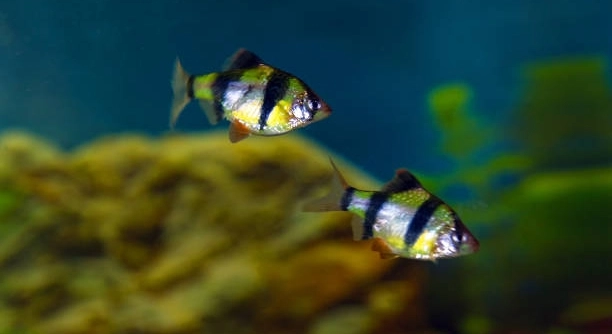
Tiger barbs are active, colorful fish that bring life to any aquarium. Sometimes, they stop swimming or become lethargic, which can worry their owners. Understanding why this happens is important to keep them healthy and thriving.
A tiger barb may stop swimming due to illness, poor water quality, stress, or injury. Common causes include bacterial infections, ammonia or nitrate buildup, and sudden changes in their environment that disrupt their normal behavior and health.
Recognizing these factors helps ensure your tiger barb remains vibrant and energetic. This article explains the main reasons behind their swimming issues and how to address them properly.
Common Health Issues Affecting Tiger Barbs
Tiger barbs can stop swimming due to several health problems. One of the most frequent issues is a bacterial infection, which often causes lethargy and loss of appetite. These infections can occur if the tank is not cleaned regularly or if water quality deteriorates. Another concern is parasitic infestations, which stress the fish and affect their movement. Swim bladder disease is also common; it impacts buoyancy, causing fish to float awkwardly or sink to the bottom. Injuries from sharp decorations or aggressive tank mates can lead to similar behavior. It is essential to observe your fish closely for signs of discoloration, clamped fins, or unusual spots. Prompt treatment can prevent these conditions from worsening and help the tiger barb regain normal swimming habits.
Poor water conditions are a major factor in tiger barb health problems.
Maintaining proper water parameters is critical. Regular testing for ammonia, nitrite, and nitrate levels ensures a safe environment. Ammonia poisoning can cause severe stress and damage the gills, reducing oxygen intake. Sudden changes in temperature or pH also disrupt their system. Ensuring stable, clean water supports recovery and overall vitality. Removing aggressive fish and providing a balanced diet strengthens their immune response. Preventive measures include partial water changes and proper filtration. Understanding these steps reduces the risk of recurring issues and keeps your tiger barb active.
Environmental Stress and Its Effects on Swimming
Environmental stress often causes tiger barbs to stop swimming or act sluggish. Changes such as moving the tank, loud noises, or sudden lighting shifts can make them uneasy. Overcrowding in the tank adds pressure, leading to constant competition for space and food. This stress impacts their behavior and health over time, causing them to hide or remain still. Inadequate hiding places also make the fish feel vulnerable. Proper tank setup with sufficient space, plants, and decorations helps create a comfortable habitat. Stress management is vital for maintaining their natural activity levels.
Creating a stable and calm environment prevents stress-related swimming problems.
Reducing stress begins with a consistent routine. Avoid rapid changes in the tank and keep noise levels low. Introduce new fish slowly and monitor interactions. Providing a balanced diet and ensuring water quality further supports well-being. When tiger barbs feel secure, they resume normal, active swimming. Observing their environment closely helps identify stress triggers and allows for timely adjustments. Taking these actions fosters a healthy, lively aquarium where tiger barbs thrive.
Nutrition and Its Impact on Tiger Barb Activity
A poor diet can cause tiger barbs to lose energy and stop swimming actively. Feeding them unbalanced or spoiled food weakens their health over time.
Providing a varied diet rich in protein, vitamins, and minerals is essential for tiger barbs. High-quality flakes, pellets, and occasional live or frozen foods support their energy and immune system. Overfeeding should be avoided, as leftover food can pollute the water and cause digestive issues. Proper feeding habits help maintain their vitality and encourage natural swimming behavior.
Supplementing their diet with fresh vegetables like spinach or peas can improve digestion and prevent swim bladder problems. Balanced nutrition keeps tiger barbs strong and energetic, reducing the chances of lethargy caused by nutritional deficiencies or related illnesses.
Tank Conditions That Influence Swimming Behavior
Tank size and setup play a crucial role in how tiger barbs swim and behave. Small or overcrowded tanks limit their movement and cause stress.
Providing enough swimming space with appropriate decorations and plants creates a stimulating environment. Water temperature should remain between 74-79°F (23-26°C), as colder or hotter water slows metabolism and activity. Regular cleaning and good filtration prevent harmful waste buildup. Lighting should mimic natural day and night cycles to keep their rhythm steady. A well-maintained tank supports their natural swimming patterns and overall well-being. Consistent attention to these factors reduces the risk of inactivity and health issues.
Signs of Illness in Tiger Barbs
Changes in swimming behavior often indicate illness. Look for lethargy, clamped fins, or difficulty maintaining balance.
Other signs include loss of appetite, discoloration, or spots on the body. Early detection helps in treating the fish effectively before conditions worsen.
How Water Quality Affects Swimming
Poor water quality stresses tiger barbs and disrupts their swimming. High ammonia or nitrate levels reduce oxygen, causing sluggishness.
Regular testing and water changes keep the environment healthy. Proper filtration and maintaining stable temperature and pH levels support their activity and overall health.
Impact of Tankmates on Tiger Barbs
Aggressive or overly dominant tankmates can intimidate tiger barbs, causing them to hide or swim less.
Choosing compatible species and ensuring enough space reduces stress and promotes normal swimming patterns.
Importance of Regular Tank Maintenance
Routine cleaning and monitoring water parameters prevent buildup of harmful substances.
A clean tank creates a stable environment that supports healthy swimming and reduces the risk of disease.
FAQ
Why has my tiger barb stopped swimming but still breathes?
When a tiger barb stops swimming but continues to breathe, it may be experiencing stress, illness, or swim bladder problems. Stress can result from sudden changes in water conditions or tank environment. Swim bladder issues affect buoyancy, making it hard to swim normally. It’s important to check water quality and observe any other symptoms for early intervention.
How do I treat swim bladder disease in tiger barbs?
Swim bladder disease often improves with dietary changes. Feeding peas or fasting the fish for a day or two can relieve constipation, which sometimes causes this issue. Maintaining clean water and stable temperature also supports recovery. If symptoms persist, consulting a vet or aquatic specialist is recommended.
Can poor water quality cause a tiger barb to stop swimming?
Yes, poor water quality is a common cause of lethargy and loss of swimming activity. High levels of ammonia, nitrites, or nitrates stress the fish and damage their gills, reducing oxygen intake. Regular water testing and partial water changes are essential to prevent these problems.
How often should I change the water to keep my tiger barb healthy?
Changing 20-30% of the water weekly helps maintain good water quality. This practice removes harmful chemicals and waste products that build up over time. Consistent water changes create a stable environment that supports active swimming and overall health.
Can aggressive tankmates affect my tiger barb’s swimming behavior?
Yes, aggressive or overly active tankmates can stress tiger barbs, causing them to hide or swim less. Ensuring compatible species and providing enough space reduces aggression and helps tiger barbs feel secure, encouraging normal behavior.
What signs show my tiger barb is sick besides not swimming?
Other signs include clamped fins, faded colors, erratic swimming, loss of appetite, and visible spots or wounds. Monitoring these symptoms helps detect illness early and improves the chances of successful treatment.
Is temperature important for tiger barb activity?
Absolutely. Tiger barbs thrive in temperatures between 74-79°F (23-26°C). Water that is too cold slows their metabolism, causing lethargy, while water that is too warm stresses them. Maintaining consistent temperature helps keep their swimming active.
Can diet impact my tiger barb’s swimming habits?
Yes, an unbalanced diet can cause weakness and inactivity. Providing a varied diet rich in proteins and vitamins promotes energy and health. Avoid overfeeding to prevent water pollution and digestive issues that affect swimming.
How do I reduce stress for my tiger barb?
Create a stable environment with minimal sudden changes in light, noise, or tank setup. Provide hiding spots and avoid overcrowding. A peaceful tank supports normal swimming and reduces illness risks.
When should I consult a vet about my tiger barb?
If the fish shows persistent lethargy, loss of appetite, unusual spots, or breathing difficulties despite proper care, professional advice is necessary. Early veterinary intervention can prevent serious health problems.
Final Thoughts
Tiger barbs are lively and active fish that add color and movement to any aquarium. When they stop swimming or become inactive, it is a sign that something in their environment or health is not right. Understanding the possible causes, such as illness, poor water quality, stress, or diet, is key to helping them recover. Taking time to observe your fish closely and noticing changes in behavior early allows for quicker responses that can prevent more serious problems.
Maintaining good water quality is one of the most important steps to keep tiger barbs healthy. Regular testing for ammonia, nitrites, and nitrates helps catch issues before they become harmful. Changing part of the water weekly and ensuring proper filtration supports a clean environment. Stable temperature and pH also contribute to their well-being. A clean tank with enough space reduces stress, allowing tiger barbs to swim freely and display their natural behaviors. It’s important to avoid overcrowding and choose tankmates carefully to minimize aggression and stress.
Feeding tiger barbs a balanced diet helps keep their energy levels up and supports overall health. Offering a variety of foods including high-quality flakes, pellets, and occasional live or frozen treats ensures they get the nutrients needed. Overfeeding should be avoided, as leftover food can pollute the water and cause digestive problems. Additionally, providing hiding places and a calm environment reduces stress, which is often a hidden factor affecting swimming behavior. Paying attention to these details helps ensure your tiger barbs stay active and vibrant for a long time.

Hello,
If you enjoy the content that we create, please consider saying a "Thank You!" by leaving a tip.
Every little bit helps us continue crafting quality advice that supports the health, happiness, and well-being of pets around the world, for pets of all shapes, sizes, and species.
We really appreciate the kindness and support that you show us!