
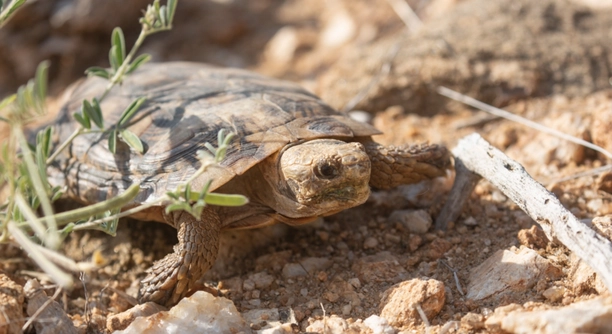
Pancake tortoises are unique and fascinating creatures, but like all pets, they can face health challenges. Understanding the common issues they may experience is important for their well-being.
The most common health problems in pancake tortoises include respiratory infections, shell deformities, and nutritional deficiencies. These issues can stem from improper care, inadequate diet, or environmental stress. Timely attention can help prevent further complications.
By learning about these health concerns, you can improve your tortoise’s care routine and ensure they live a happy, healthy life. Understanding the causes and solutions is key to their well-being.
Respiratory Infections in Pancake Tortoises
Respiratory infections are one of the most common health issues in pancake tortoises. These infections typically occur when the environment is too cold or too humid. Tortoises need a warm, dry environment to thrive. If their enclosure is not set up properly, they can develop respiratory problems. Symptoms include wheezing, nasal discharge, and lethargy. If these signs appear, it is important to act quickly.
Respiratory infections can lead to serious complications, so taking immediate action is essential. Proper temperature and humidity levels should be maintained to prevent this issue. A heat lamp and a humidity gauge can help ensure the environment is suitable.
Regularly monitoring your tortoise’s health will allow you to spot any early signs of respiratory infections. If caught early, they are usually treatable with veterinary assistance and the proper care adjustments. Always make sure your tortoise has a comfortable, stress-free space to live in to avoid these issues.
Shell Deformities and Mismatched Diets
Shell deformities can happen if a pancake tortoise is not fed a proper diet. A lack of calcium or other necessary nutrients can cause the shell to become soft or misshapen. Proper calcium supplementation is key to a healthy, strong shell.
A balanced diet rich in leafy greens and safe vegetables helps prevent shell problems. It’s also essential to provide a cuttlebone or calcium block in their habitat. This ensures they get the right nutrients, which is vital for their shell health.
Nutritional Deficiencies in Pancake Tortoises
Pancake tortoises can suffer from nutritional deficiencies if their diet lacks variety or proper supplementation. A poor diet can lead to issues like weakened immunity and poor shell growth. It’s important to include a variety of leafy greens, vegetables, and occasional fruits to keep them healthy.
Without enough calcium and other essential vitamins, a tortoise’s shell and overall health can decline. Providing a balanced diet with the right nutrients helps avoid these problems. It’s also recommended to sprinkle their food with a calcium supplement to ensure they receive enough. Make sure to research proper feeding guidelines for pancake tortoises.
Inadequate nutrition can lead to long-term health issues, so it’s essential to be diligent. Regularly check their diet and make adjustments as needed. Offering a range of foods will ensure they stay strong, healthy, and have the energy they need for daily activities.
Stress and Environmental Factors
Stress can have a huge impact on the health of pancake tortoises. Environmental factors such as temperature fluctuations, incorrect humidity levels, and even poor cage placement can cause unnecessary stress. Stress weakens the immune system and can make tortoises more vulnerable to infections.
Creating a stable, comfortable environment is essential for your tortoise’s well-being. This includes maintaining consistent temperatures and humidity. If your tortoise’s habitat is not ideal, they may become stressed and less active. Providing hiding spots or areas to climb can also help reduce stress by giving them space to retreat when they need it.
Regularly assess their habitat to ensure it is appropriate and comfortable. Stress can be reduced by addressing environmental factors and ensuring the tortoise has a secure, quiet space to relax. A balanced environment helps keep your tortoise happy and healthy in the long run.
Shell Rot in Pancake Tortoises
Shell rot is a common condition that can affect pancake tortoises. It happens when bacteria or fungi invade the shell, often due to poor humidity or unsanitary living conditions. Early signs include soft spots, discoloration, and bad odors.
Proper care and a clean environment are essential to prevent shell rot. Regularly clean their habitat and provide a dry, warm space with appropriate humidity levels. If you notice any signs of shell rot, immediate veterinary care is necessary to prevent it from worsening.
Parasites in Pancake Tortoises
Parasites, such as internal worms, can cause significant health issues for pancake tortoises. Symptoms include lethargy, loss of appetite, and abnormal feces. Regular fecal tests help detect parasites early. If left untreated, parasites can cause serious harm to their digestive system and overall health.
Testing and regular checkups help ensure your tortoise stays free of harmful parasites. Should your tortoise become infected, your vet will provide medications to clear the infection. Always maintain a clean and dry habitat to reduce the risk of parasite exposure.
FAQ
How can I tell if my pancake tortoise is sick?
Signs of illness in a pancake tortoise may include lethargy, loss of appetite, and abnormal breathing. Other symptoms to look out for are nasal discharge, wheezing, or discharge from the eyes. If your tortoise’s shell becomes soft or shows unusual discoloration, this could also indicate a problem. Always keep an eye on changes in behavior, eating habits, or physical appearance. Early detection and proper care are key to preventing health issues from becoming more severe. If any concerning symptoms arise, consulting a vet is the best course of action.
What should I feed my pancake tortoise?
A balanced diet is essential for your pancake tortoise’s health. The majority of their diet should consist of leafy greens like collard greens, dandelion greens, and mustard greens. You can also offer safe vegetables such as carrots and bell peppers. Occasionally, you may provide fruits like apples, strawberries, and melons, but these should be given in moderation. It’s also important to offer a calcium supplement or a cuttlebone to support their shell health. Make sure to avoid feeding them iceberg lettuce or too many high-oxalate foods like spinach, which can cause health problems.
How do I prevent respiratory infections in my pancake tortoise?
To prevent respiratory infections, it’s important to maintain a warm, dry environment with proper humidity levels. Ensure that the temperature in the enclosure stays between 85°F and 95°F during the day, with a cooler area for them to retreat to. You can achieve this with a heat lamp and a thermometer to monitor the conditions. Also, avoid drafts or sudden temperature fluctuations, as they can stress your tortoise and make them more susceptible to infections. Regularly clean the habitat and provide adequate ventilation to keep bacteria or mold from thriving.
Can my pancake tortoise live with other pets?
Pancake tortoises are best kept in a solo environment, especially with other pets. They can be shy and easily stressed, and their enclosure should be a calm and quiet space. If housed with other animals, there’s a risk of aggression, injury, or stress. It’s also important to consider the needs of the other pets. For example, if they are housed with reptiles or amphibians, make sure that the species share similar temperature and humidity requirements. In general, it’s safest to keep pancake tortoises alone or with other non-aggressive species that won’t cause stress.
How often should I clean my pancake tortoise’s habitat?
Cleaning your pancake tortoise’s habitat is essential for their health. Spot cleaning should be done daily, removing any waste or uneaten food. A more thorough cleaning of the enclosure should take place once a week. This includes wiping down surfaces, washing food and water bowls, and replacing any substrate if necessary. A deep cleaning is crucial to prevent bacterial buildup and fungal infections. Make sure the enclosure is completely dry before setting it up again to prevent mold growth.
What temperature and humidity should I maintain for my pancake tortoise?
Pancake tortoises thrive in warm, dry environments with consistent temperatures and humidity. During the day, the temperature should be between 85°F and 95°F, with a cooler area of around 75°F to 80°F. At night, the temperature can drop to around 70°F, but it should not fall below that. Humidity levels should be kept between 40-60%, which can be monitored using a hygrometer. Too much humidity can encourage fungal growth, while too little can cause respiratory problems. Make sure to provide a heat source, like a basking light, to keep the enclosure warm.
How long do pancake tortoises live?
Pancake tortoises can live for a long time if properly cared for. In captivity, their lifespan ranges from 30 to 50 years, sometimes even longer. To ensure a long and healthy life, it is essential to maintain proper care, including diet, habitat, and regular veterinary checkups. A well-maintained environment and a balanced diet will contribute to their overall longevity. Keep in mind that, like all reptiles, their health can be impacted by environmental stress, poor diet, or improper care, so be committed to providing the best possible conditions for them.
Can I use sand as bedding for my pancake tortoise?
While sand can be used as bedding for pancake tortoises, it’s important to use the right type. Avoid using fine sand, as it can cause impaction if ingested. Coarse sand or a mixture of sand and soil is a safer option. You can also use other substrates like coconut coir or cypress mulch, which are suitable and easy to clean. It’s important to keep the bedding dry and change it regularly to avoid bacterial growth. Make sure your tortoise has access to fresh water and is not eating the bedding material.
Should I provide my pancake tortoise with a basking spot?
Yes, providing a basking spot is essential for your pancake tortoise’s health. They need access to a basking area with higher temperatures to regulate their body heat and aid in digestion. The basking spot should be around 95°F to 100°F, allowing the tortoise to warm up when needed. You can achieve this by placing a heat lamp above the basking area. Ensure that there’s a cooler area in the enclosure as well, so your tortoise can regulate its body temperature by moving between different zones.
Final Thoughts
Taking care of a pancake tortoise involves paying attention to their unique needs and ensuring their environment is optimal for their well-being. They require a warm, dry habitat with consistent temperature and humidity levels to stay healthy. Proper lighting and a suitable diet rich in calcium and vitamins are essential to their growth and shell development. A balanced routine, including proper feeding, cleaning, and occasional veterinary check-ups, will help ensure your tortoise leads a long, healthy life. These creatures thrive in a peaceful, stable environment, so it’s important to minimize stress and provide them with the best possible care.
It’s important to regularly monitor your tortoise for any signs of health problems, as early detection can make all the difference. Respiratory infections, shell deformities, and nutritional deficiencies are common issues, but they can often be prevented with proper care. Shell rot and parasites are also concerns, but with a clean environment and a balanced diet, these problems can be avoided. Always stay alert for any changes in your tortoise’s behavior or appearance and seek veterinary help when necessary. Prevention is key, and being proactive with your tortoise’s care will help prevent many of these common health issues.
In the end, pancake tortoises are resilient creatures that can live long and happy lives with the right care. Their diet, environment, and stress levels all play significant roles in their health and well-being. While it may take some time to get everything just right, the effort is well worth it. By following proper care guidelines and staying informed, you can ensure that your pancake tortoise lives a fulfilling life. Be patient, observant, and consistent, and you’ll have a loyal companion for many years to come.

Hello,
If you enjoy the content that we create, please consider saying a "Thank You!" by leaving a tip.
Every little bit helps us continue crafting quality advice that supports the health, happiness, and well-being of pets around the world, for pets of all shapes, sizes, and species.
We really appreciate the kindness and support that you show us!