
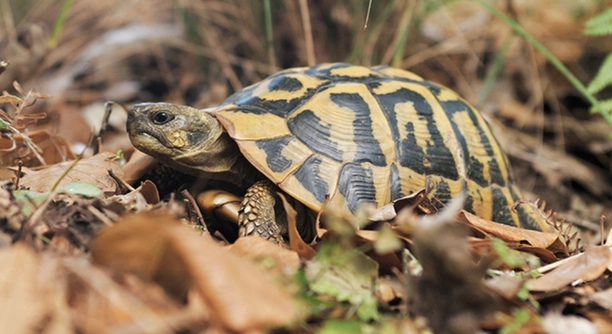
Hermann’s tortoises are popular pets due to their calm nature and relatively low maintenance. However, providing them with the right treats is essential for their health and happiness. In this article, we will explore what foods they enjoy.
Hermann’s tortoises thrive on a diet that includes various plants, grasses, and leafy vegetables. The best treats for them are high-fiber, low-protein options such as dandelion greens, clover, and certain flowers. Avoid sugary or processed foods.
Choosing the right treats for Hermann’s tortoises is key to their well-being. We will cover the best options to keep them healthy and satisfied.
Types of Vegetables and Plants Hermann’s Tortoises Can Enjoy
Hermann’s tortoises are herbivores, so a large part of their diet should consist of vegetables and plants. The best choices for treats are leafy greens like dandelion leaves, collard greens, and mustard greens. Other plants like clover, plantain, and grasses also make healthy snacks. These plants offer essential vitamins and minerals that support their immune system and overall health. It’s important to avoid feeding them too much lettuce, as it lacks nutritional value and could cause digestive issues. Also, avoid giving them vegetables like spinach in large amounts, as it contains oxalates that may interfere with calcium absorption.
Many tortoises will eagerly munch on these plants and vegetables. Keep in mind that variety is key to a balanced diet, so offering different options can help prevent boredom. It’s also important to use organic plants whenever possible to avoid pesticides.
Feeding your tortoise a diverse selection of safe vegetables ensures they get the nutrients they need to stay healthy and strong. Always wash the vegetables thoroughly before serving them, as harmful chemicals or dirt may be present. Keeping their diet fresh and varied helps promote natural foraging behavior and satisfies their nutritional needs.
Treating with Flowers
Flowers can be a fun and tasty treat for Hermann’s tortoises.
Certain flowers are not only safe but beneficial for Hermann’s tortoises. Flowers like hibiscus, marigold, and dandelion are great options. They are colorful and add variety to their diet, making feeding time more interesting. Flowers contain vitamins and minerals that can support digestion and immune health. Avoid flowers that have been treated with chemicals or pesticides. You can also offer wildflowers, provided they are free of harmful substances. Always research before feeding flowers to ensure they are safe.
Fruits to Offer Hermann’s Tortoises
Fruits can be given as an occasional treat.
Hermann’s tortoises enjoy fruits like strawberries, raspberries, and apples. However, fruits should only be offered sparingly, as they are high in sugar. Too much sugar can cause digestive issues or lead to obesity in tortoises. When feeding fruit, make sure it’s fresh and cut into small pieces. Avoid citrus fruits like oranges, lemons, and grapefruits, as they can be too acidic for their digestive system. Stick to fruits that are lower in sugar to maintain their health.
It’s a good idea to offer fruit alongside vegetables, so they get a more balanced diet. If you notice any changes in their behavior after eating fruit, such as diarrhea or lack of appetite, it might be a sign they’ve eaten too much. Always observe your tortoise after introducing new foods to their diet. Moderation is key, and small portions of fruit can serve as a nice treat that satisfies their occasional craving for something sweet.
Fruits like melons and pears can also be offered, but be sure to remove any seeds or pits before feeding them. These fruits contain water, which can be helpful for hydration. Just remember to keep fruit treats minimal, as they are not a core part of their diet.
How to Prepare Treats
Properly preparing treats is crucial.
Before serving any treats to your Hermann’s tortoise, wash everything thoroughly to remove any dirt or pesticides. Organic plants and vegetables are the best choice, as they are free from harmful chemicals. When offering leafy greens, chop them into bite-sized pieces to make it easier for your tortoise to eat. This also prevents them from becoming overwhelmed by large chunks.
Be mindful of the way you prepare fruits, vegetables, and flowers. Remove any seeds or pits from fruits before feeding them. Some fruits, like apples, have seeds that can be harmful if ingested in large amounts. Flowers should be free from pesticides, so only pick from areas you know are untreated. If you’re unsure whether a plant or flower is safe, do a little research before offering it to your tortoise.
Additionally, you can create a feeding station for your tortoise, which can make mealtime more fun and organized. Place a shallow dish with food that’s easy for them to access. Tortoises love foraging, so spreading food out in different areas encourages natural behaviors. You can even sprinkle some herbs or flowers around their enclosure to keep things interesting and give them something to explore.
What to Avoid Feeding Hermann’s Tortoises
There are some foods that should never be fed.
Hermann’s tortoises should not be fed dairy, meat, or processed foods. These are not suitable for their digestive system and can cause serious health issues. Additionally, avoid high-protein foods like beans, peas, or dog food, as too much protein can lead to kidney problems.
Toxic plants, such as nightshade, should also be strictly avoided. These plants are harmful and could cause poisoning. Other foods to steer clear of include iceberg lettuce, which lacks nutritional value, and overly sugary fruits like grapes or bananas. Overfeeding any of these can harm your tortoise’s health in the long run.
Hydration
Hydration is just as important as diet.
Providing fresh water daily is essential for your tortoise’s health. Hermann’s tortoises can drink from a shallow dish, but they also enjoy soaking in water. Offering a shallow, safe container where they can soak for a few minutes helps with hydration and can prevent dehydration. It’s important to regularly change the water to keep it clean.
Hydration aids in digestion and helps prevent urinary issues. Soaking also promotes natural behavior, allowing your tortoise to enjoy a more fulfilling lifestyle. Always monitor the water level to ensure they have access when needed, and never leave the dish too deep to avoid accidents.
Safe Treats for Baby Tortoises
Baby Hermann’s tortoises need special care.
When feeding younger tortoises, it’s important to give smaller, softer portions of plants and vegetables. Their digestive systems are still developing, so easy-to-digest foods are best. Dandelion greens, clover, and grasses are great choices for babies. Offer fresh food daily and make sure it’s cut into smaller pieces to prevent choking. Avoid feeding babies too much fruit as their sugar intake should remain minimal.
FAQ
What is the best food for Hermann’s tortoises?
Hermann’s tortoises thrive on a diet rich in grasses, weeds, and leafy vegetables. The best foods include dandelion leaves, clover, plantain, and other safe, fibrous plants. These plants provide the necessary nutrients and fiber to keep their digestive system working well. Leafy greens like collard greens, mustard greens, and turnip greens also make great additions. It’s essential to avoid high-protein foods like meat or processed foods. Keep fruits and sugary treats to a minimum, offering them only occasionally.
How often should I feed my Hermann’s tortoise?
Adult Hermann’s tortoises are typically fed every other day, as they don’t require constant feeding. You can offer fresh vegetables and plants on alternating days. However, baby tortoises need to eat daily due to their higher metabolism. Ensure their diet consists of a variety of fresh, safe plants to meet their nutritional needs. It’s also important to avoid overfeeding, as this can lead to obesity. Monitor their body condition and adjust feeding frequencies as necessary.
Can Hermann’s tortoises eat fruit?
Yes, but only in moderation. Fruits should be considered a treat rather than a regular part of their diet. You can offer fruits like strawberries, raspberries, melons, and apples, but be mindful of their sugar content. Too much fruit can cause digestive problems, such as diarrhea. Remove seeds or pits from fruits like apples and peaches before feeding them. Stick to small portions and limit fruit intake to once or twice a week to avoid overloading their system with sugar.
Is it okay to feed Hermann’s tortoises lettuce?
Not all types of lettuce are suitable for Hermann’s tortoises. While romaine lettuce can be fed in small amounts, iceberg lettuce should be avoided entirely. Iceberg lettuce lacks nutritional value and can cause diarrhea or dehydration. Romaine lettuce offers some fiber, but it shouldn’t be the primary food source. Offering a variety of leafy greens like dandelion or mustard greens will ensure your tortoise gets the proper nutrients. Always provide fresh, safe vegetables to support their health.
Can Hermann’s tortoises eat flowers?
Yes, Hermann’s tortoises enjoy eating various flowers. Safe flowers include dandelions, hibiscus, pansies, and marigolds. Flowers not only provide a tasty treat but also contain beneficial vitamins and antioxidants. When offering flowers, make sure they haven’t been treated with pesticides or chemicals. You can find safe, untreated flowers in your own garden or purchase them from reliable sources. Always research which flowers are safe before feeding them to your tortoise.
What are the signs of overfeeding in Hermann’s tortoises?
Overfeeding can lead to obesity and digestive issues in Hermann’s tortoises. Signs of overfeeding include weight gain, lethargy, or difficulty moving. A tortoise that isn’t eating or drinking enough water may be overfed with nutrient-rich foods. You should also watch for excessive fecal matter that’s too soft or runny, as this can indicate an imbalanced diet. To prevent overfeeding, stick to appropriate portion sizes and feed according to your tortoise’s age and activity level. Always ensure they have access to fresh water to aid digestion.
Can Hermann’s tortoises eat weeds from my garden?
It’s generally safe to feed your tortoise weeds from your garden, but caution is needed. Only feed them weeds you’re sure haven’t been treated with chemicals or pesticides. Weeds like dandelions, clover, and plantain are excellent for your tortoise’s diet. However, avoid any weeds that may be toxic to them, such as poison ivy or nightshade. If you’re unsure, it’s better to err on the side of caution and only feed weeds that are known to be safe.
How much should I feed my Hermann’s tortoise?
The amount of food depends on the age and size of your tortoise. For adults, offer a portion the size of their shell’s length every other day. Baby tortoises need to be fed more frequently, usually daily, with smaller portions that are easier to digest. The key is to provide enough to satisfy their appetite without overfeeding. Keep an eye on your tortoise’s weight and adjust portions accordingly. A balanced diet of fibrous plants, leafy greens, and occasional fruits will help maintain a healthy weight.
What should I do if my Hermann’s tortoise is not eating?
If your Hermann’s tortoise is not eating, there could be a variety of reasons. Stress, changes in environment, or an unbalanced diet could be the cause. Make sure their habitat is appropriate, with the correct temperature, humidity, and hiding spots. Offer fresh, safe foods, and try different options to see if they’re more inclined to eat. If they still refuse food for an extended period or show signs of illness, it’s best to consult a vet for a proper diagnosis.
Is it safe to feed Hermann’s tortoises spinach?
Spinach can be fed to Hermann’s tortoises in small amounts but should not be a regular part of their diet. Spinach contains oxalates, which can bind to calcium and prevent its absorption, potentially leading to calcium deficiencies. While small amounts are okay, it’s better to offer other leafy greens like kale, collard greens, or dandelion leaves as a primary source of nutrition. Offering a variety of safe greens will ensure your tortoise gets all the nutrients they need without the risks associated with spinach.
Final Thoughts
Taking care of a Hermann’s tortoise involves more than just providing a safe enclosure. Their diet plays a major role in keeping them healthy and happy. By focusing on a diet rich in fibrous plants, leafy greens, and the occasional fruit or flower, you can ensure they receive the necessary nutrients. It’s important to remember that variety is key, as no single food should make up the bulk of their diet. By rotating their food and offering a balanced selection, you help prevent boredom and encourage natural foraging behavior. Fresh water should always be available to them as well, supporting their digestion and hydration.
When feeding Hermann’s tortoises, it’s crucial to avoid foods that are high in protein, sugar, or contain harmful substances. Lettuce like iceberg should be avoided, as it offers little nutritional value. Similarly, high-protein foods, processed items, and dairy should not be part of their diet. Instead, choose from safe plants and vegetables that align with their herbivorous needs. Flowers can also be a wonderful treat, but always ensure they are pesticide-free and safe for tortoises. By carefully selecting their treats and keeping portions appropriate, you can maintain a healthy feeding routine for your tortoise.
Finally, keep in mind that each tortoise may have individual preferences or dietary needs. Some may enjoy certain greens more than others, while others might prefer flowers or fruit. As you observe your tortoise, you will better understand their tastes and habits. Ensuring that your tortoise receives proper nutrition is key to its long-term health. By following these basic guidelines, you’ll provide a well-balanced diet that supports their growth, energy levels, and overall well-being. With the right care, your Hermann’s tortoise can lead a happy and healthy life.

Hello,
If you enjoy the content that we create, please consider saying a "Thank You!" by leaving a tip.
Every little bit helps us continue crafting quality advice that supports the health, happiness, and well-being of pets around the world, for pets of all shapes, sizes, and species.
We really appreciate the kindness and support that you show us!