
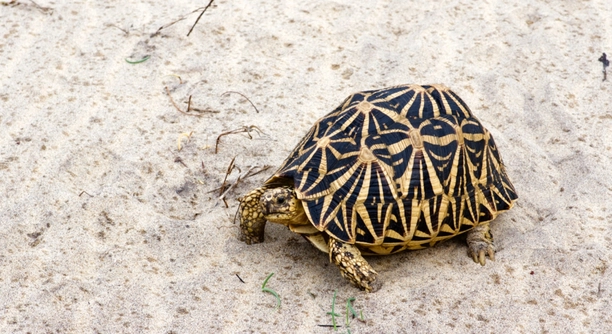
Indian Star Tortoises make great pets due to their peaceful nature and unique appearance. Understanding the ideal tank mates for them ensures a harmonious and safe environment. Proper pairing is key for their well-being.
The best tank mates for Indian Star Tortoises include species that are non-aggressive and have similar habitat needs. Consider species such as small, peaceful turtles, or certain species of lizards and soft-bodied amphibians. Careful compatibility is important.
Properly selecting tank mates promotes a balanced and healthy habitat for your tortoise. This creates a comfortable environment where all species can coexist without stress or harm.
Ideal Tank Mates for Indian Star Tortoises
Choosing the right tank mates for your Indian Star Tortoise is crucial to ensure a peaceful environment. Tortoises are generally solitary animals, and introducing new tank mates requires careful consideration. Species that are non-aggressive and have similar habitat needs are essential for success. Smaller turtles, such as the red-eared slider, can work well if they share the same diet and environmental conditions. Certain types of lizards, like bearded dragons, may also coexist peacefully. However, it’s important to avoid species that might compete for food or territory, which could stress your tortoise. Always ensure that the tank is large enough for everyone to have their space.
Compatibility is key when selecting tank mates. Avoid housing species that might be too active or aggressive, as they could harm the tortoise. Keep in mind that animals with different dietary requirements could cause issues. For example, some lizards might need more protein, which could affect the balance of your tortoise’s nutrition.
Regular observation is needed to ensure that all tank mates are getting along. If any signs of stress or aggression occur, immediate action should be taken to separate the animals. The health and well-being of your tortoise are always the priority.
Factors to Consider Before Choosing Tank Mates
Consider space and environmental needs. Your tortoise needs a warm, humid environment with access to UV light and clean water. The temperature and humidity levels should be appropriate for all species. When picking tank mates, ensure they don’t require drastically different conditions. Additionally, the tank should have enough space for everyone to move freely without feeling crowded. A cramped environment can lead to stress, making your tortoise more vulnerable to illness.
Before introducing a new tank mate, research its needs and behavior patterns. Many species, although compatible at first, can develop issues over time. Species that are calm and less territorial are ideal. For example, some species of amphibians are suitable, provided they don’t require too much space or create any competition for food.
While it may take some time to find the right combination, understanding each species’ needs and natural behavior will lead to a more peaceful and healthy tank.
Proper Diet Considerations for Tank Mates
Diet compatibility plays a significant role when choosing tank mates for Indian Star Tortoises. Ensuring that each species has a diet suited to their needs without causing any nutritional imbalance is essential. This will help prevent competition for food and maintain a healthy environment for all animals involved.
Indian Star Tortoises primarily eat plant-based food, including grasses, leafy greens, and fruits. If tank mates have different dietary requirements, such as protein-based meals, they may compete for food. This could lead to stress or health problems for the tortoise. Always ensure each species in the tank has access to the food it needs without compromising the well-being of others. Proper feeding schedules and portioning can help in managing the tank mates effectively.
Some species, such as certain types of lizards, may require animal protein in their diet. This might not only cause potential conflict during feeding times but could also result in a shift in the overall balance of nutrients in the tank. By sticking to herbivores or species with similar dietary needs, you can ensure a smoother cohabitation.
Size and Space Requirements for Tank Mates
The size of the tank and the amount of space available can directly influence the success of housing multiple species together. Indian Star Tortoises need plenty of room to roam around, and overcrowding can lead to stress. Each species has different space needs, so it is important to account for this when selecting tank mates.
Ensure your tank is large enough for all species to move freely. If the tank is too small, animals may feel threatened or stressed, resulting in potential health issues. The tortoise’s ability to access basking spots and fresh water should be a priority when choosing tank mates. Additionally, different species may have varying levels of activity, which means they will require space to avoid interference with one another’s natural behavior.
A spacious tank allows all inhabitants to enjoy their personal territory, promoting a healthier living environment. Providing enough space helps reduce territorial aggression, allowing species to coexist peacefully. Keep in mind that as animals grow, their space needs might increase.
Handling Aggression Among Tank Mates
Aggression can occur if tank mates feel threatened or crowded. Indian Star Tortoises are generally peaceful, but they may react to the presence of more aggressive species. Understanding each animal’s behavior is crucial to prevent conflict and ensure all species feel secure.
Monitor the behavior of your tank mates closely. If you notice one animal bullying or chasing another, it’s time to separate them. Sometimes, introducing tank mates slowly can help animals adjust. Ensure each species has its own space to retreat to, which will reduce the chance of aggressive behavior.
By preventing territorial disputes, you’ll create a calm atmosphere for all animals, minimizing stress and harm. Watching interactions closely ensures no species is consistently under threat. A peaceful environment improves the overall health of your tortoise and any other inhabitants.
Suitable Tank Mates for Indian Star Tortoises
Lizards, such as bearded dragons and leopard geckos, can be compatible tank mates for Indian Star Tortoises due to their docile nature. These species share similar temperature and humidity needs, making them ideal for cohabitation. However, ensure they are housed in a sufficiently large tank to avoid competition.
If you want to introduce other reptiles, consider species like Russian Tortoises. These tortoises are similarly sized and temperamentally mild, making them compatible with Indian Star Tortoises. Both species share similar dietary requirements, such as grass and leafy greens, and they generally avoid aggressive behavior.
Turtles like the red-eared slider may also work well in shared tanks. They need similar water conditions and will not pose a threat to the tortoise. However, keep an eye on their interactions, as they may occasionally compete for basking spots.
FAQ
What are the best tank mates for Indian Star Tortoises?
The best tank mates for Indian Star Tortoises are peaceful species that share similar habitat and dietary needs. Consider small, docile turtles like red-eared sliders or other tortoises such as Russian Tortoises. Some lizards, like bearded dragons or leopard geckos, can also make good tank mates. The key is ensuring that no species competes for food or space, which could lead to stress or aggression.
Can Indian Star Tortoises live with other reptiles?
Yes, Indian Star Tortoises can live with other reptiles, provided the reptiles are calm and have similar habitat requirements. Tortoises that are similar in size, like the Russian Tortoise, are a good option. Small, non-aggressive lizards can also be compatible. Always monitor interactions to ensure no aggression arises.
Can Indian Star Tortoises live with amphibians?
Yes, some amphibians can be compatible with Indian Star Tortoises. Species such as small frogs or newts may work if their habitat needs align with the tortoise’s environment. However, it’s important to ensure the amphibians are not too active or aggressive, which could stress the tortoise. Keep in mind that amphibians have different water needs, so proper water management is essential.
Are Indian Star Tortoises aggressive towards other animals?
Indian Star Tortoises are typically not aggressive. They are peaceful animals that tend to avoid confrontation. However, they may display defensive behavior if they feel threatened. It’s important to introduce tank mates slowly and ensure each species has enough space to prevent stress. If an aggressive interaction occurs, remove the offending animal to avoid harm.
Do Indian Star Tortoises need specific tank conditions?
Yes, Indian Star Tortoises need a warm, dry environment with access to UVB light and a basking spot. They require a temperature gradient in the tank, ranging from 80-90°F (27-32°C) on the warm side and 70-75°F (21-24°C) on the cool side. Proper humidity levels (around 50-60%) are also crucial to their health. Maintaining these conditions ensures your tortoise thrives in its habitat.
How do I prevent my Indian Star Tortoise from being stressed by other tank mates?
To prevent stress, ensure that the tank is large enough for all species to have their own space. Avoid introducing species that are too active, aggressive, or territorial. Each animal should have access to basking spots, food, and water without competing with others. Keep the tank clean and maintain proper environmental conditions, as stress can arise from poor living conditions. Monitoring interactions and intervening when necessary helps reduce stress.
Can I keep an Indian Star Tortoise with my fish?
Fish are generally not suitable tank mates for Indian Star Tortoises. Tortoises are land-dwelling and require specific conditions that are not compatible with most fish species. Additionally, fish might be disturbed by the tortoise’s movement, and tortoises might disturb or even harm fish in search of food. It’s best to keep tortoises in a tank without fish.
Do I need to quarantine new tank mates before adding them to my tortoise’s tank?
Yes, it’s a good idea to quarantine new tank mates for at least 2-3 weeks before introducing them to the main tank. This helps ensure that they are healthy and free of parasites or diseases that could harm your tortoise. It also allows you to observe the new animal’s behavior and assess if it’s a good fit for the existing tankmates.
How do I know if my Indian Star Tortoise is stressed?
Signs of stress in Indian Star Tortoises can include hiding more than usual, loss of appetite, lethargy, or abnormal behavior like pacing. If you notice any of these symptoms, check for possible environmental issues, such as improper temperature, humidity, or unsuitable tank mates. In some cases, the presence of aggressive tank mates or overcrowding could cause stress.
Can I keep an Indian Star Tortoise with other types of turtles?
It’s possible to house Indian Star Tortoises with other types of turtles, but compatibility depends on the species. Turtles that are too large or aggressive should be avoided. Smaller, peaceful species that require similar water and temperature conditions can work well. Monitor the tank closely for signs of conflict and ensure there’s enough space for everyone.
How do I maintain the proper temperature for my Indian Star Tortoise?
To maintain the proper temperature for your Indian Star Tortoise, create a temperature gradient within the tank. Use heat lamps and UVB bulbs to provide warmth and light, positioning them to create a warm area (80-90°F) and a cooler area (70-75°F). A thermometer should be used to monitor the temperature, and adjustments should be made based on seasonal changes or the tortoise’s behavior.
Can Indian Star Tortoises cohabit with other herbivores?
Yes, Indian Star Tortoises can cohabit with other herbivores that share similar dietary and environmental needs. Species like the Russian Tortoise or small, non-aggressive herbivorous lizards can be compatible. Ensure they have enough space to avoid competition for food and resources. Each species should be able to eat without interference and access their own basking and resting spots.
What size tank do I need for an Indian Star Tortoise and tank mates?
A 75-gallon tank is a minimum for a single Indian Star Tortoise. If you plan to house tank mates, a larger tank is recommended, around 100-120 gallons. Each animal should have ample space to roam without feeling overcrowded. Make sure there is enough space for hiding spots, basking areas, and proper ventilation to support all species.
Final Thoughts
Choosing the right tank mates for your Indian Star Tortoise is essential for its well-being and longevity. The key is selecting species that share similar habitat and dietary needs. Peaceful animals that do not compete for food or space are the best options. Introducing new tank mates should always be done with caution, monitoring their interactions to ensure no one is stressed or harmed. The proper environmental conditions must be maintained to support all species in the tank, ensuring that each animal has the necessary space, temperature, and humidity to thrive.
Indian Star Tortoises are not aggressive, but they can become stressed if their tank mates are too active or territorial. A peaceful environment should be the priority when selecting companions. It’s important to research each species before introducing them to ensure compatibility. Keep in mind that the size of the tank also plays a crucial role in reducing potential stress. Overcrowding should be avoided, as it can lead to competition for resources and limited space, which may result in fighting or health problems.
Ultimately, maintaining a balanced and stress-free environment for your Indian Star Tortoise and its tank mates requires careful planning. By choosing the right animals, providing enough space, and ensuring the correct environmental conditions, your tortoise can live happily alongside other species. Regular observation of their behavior will help identify any issues early on. If any problems arise, it is important to address them promptly, whether by adjusting tank conditions or separating incompatible tank mates. With attention to detail and care, your Indian Star Tortoise will enjoy a peaceful coexistence with its companions.

Hello,
If you enjoy the content that we create, please consider saying a "Thank You!" by leaving a tip.
Every little bit helps us continue crafting quality advice that supports the health, happiness, and well-being of pets around the world, for pets of all shapes, sizes, and species.
We really appreciate the kindness and support that you show us!