
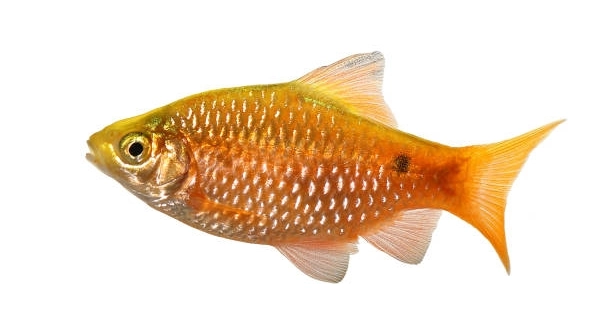
Rosy barbs are small, colorful fish often kept in home aquariums. Their behaviors, such as fin flashing, catch the attention of many hobbyists. Understanding what these movements mean helps in caring for these lively pets properly.
Fin flashing in rosy barbs is a form of communication used to signal social status, attract mates, or warn others of potential threats. This behavior plays a crucial role in establishing hierarchy and maintaining group cohesion within their environment.
Recognizing these signals can improve how you interact with your rosy barbs and enhance their well-being in your aquarium. The following details explain the reasons behind their fin flashing behavior.
Why Rosy Barbs Flash Their Fins
Rosy barbs use fin flashing primarily as a way to communicate within their group. This behavior can indicate dominance when they are establishing a social hierarchy. When a fish flashes its fins, it is often showing strength and confidence to others around it. Fin flashing is also seen during courtship, where males display brighter colors and flash fins to attract females. Sometimes, flashing can be a warning to nearby fish, signaling that they should keep their distance. This helps reduce conflict and maintain peace within the aquarium. Understanding these subtle cues helps owners interpret what their fish might be feeling or trying to express. Each flash carries meaning, and by observing these actions, you can better meet your fish’s needs and improve their environment.
Fin flashing serves as a multi-purpose signal used for dominance, mating, and territorial warnings among rosy barbs.
Recognizing fin flashing as a communication tool allows you to observe social interactions in your tank more clearly. This knowledge also helps prevent misunderstandings between fish, reducing stress and aggression. Your fish’s behavior becomes easier to read, making tank management smoother and more rewarding.
How to Respond to Fin Flashes in Your Aquarium
Observing fin flashing should guide your response to the behavior to ensure your rosy barbs remain healthy and stress-free. When fin flashing appears aggressive, check if the tank is overcrowded or if hiding places are limited. Adding decorations or plants can create safe spots for shy fish, reducing tension. If flashing occurs during mating periods, it is usually harmless and temporary. Maintain clean water and a balanced diet to support your fish’s overall health, which can lessen stress-related flashing. Avoid sudden movements around the tank to keep your fish calm. Properly interpreting these signals allows you to adjust conditions proactively, supporting peaceful interactions. Monitoring fin flashing helps maintain a balanced aquarium where all rosy barbs can thrive comfortably.
Providing adequate space and environmental enrichment can reduce stress-induced fin flashing in your tank.
Adjusting tank conditions based on fin flashing observations helps prevent conflict and promotes natural behavior. Maintaining stable water parameters, supplying enough food, and ensuring compatibility among species minimize excessive flashing and aggression. These steps contribute to a harmonious community tank.
Understanding Social Hierarchy Through Fin Flashes
Fin flashing helps rosy barbs establish and maintain their social hierarchy. Dominant fish flash their fins to assert control and discourage challenges. Subordinate fish may respond by displaying less or avoiding confrontation.
The flashing acts as a visual signal, reducing the need for physical fights. This nonverbal communication helps maintain order within the group and prevents injury. It also creates a stable environment where each fish understands its place.
Social hierarchy influences feeding behavior, territory, and mating opportunities. Recognizing these patterns can help you adjust tank conditions to support a peaceful community, such as providing enough space and hiding spots for less dominant fish.
Mating Behavior and Fin Flashes
During mating, male rosy barbs intensify their fin flashing to attract females and compete with rivals. This display involves brighter colors and more frequent flashing.
Females often respond by assessing the strength and vitality of males through these visual signals. This behavior increases the chances of successful reproduction and healthy offspring.
Mating-related fin flashing is usually more intense but temporary. It fades once the spawning process is over. Monitoring this behavior helps identify breeding periods and understand your fish’s reproductive health.
Warning Signals and Fin Flashes
Rosy barbs use fin flashing as a warning to other fish. This signals potential danger or discomfort. It helps avoid physical fights by communicating tension early.
The flashing acts as a clear message to keep distance. It is especially common when new fish are introduced or during territorial disputes.
Environmental Stress and Fin Flashing
Environmental stress, such as poor water quality or overcrowding, can cause frequent fin flashing. Fish use this behavior to express unease or irritation. Addressing these factors helps reduce stress and promotes calmer behavior in your rosy barbs.
Recognizing Normal vs. Excessive Fin Flashing
It is important to distinguish between normal communication and signs of stress. Excessive flashing can indicate ongoing problems. Monitoring the frequency helps you identify when intervention is needed.
FAQ
Why do rosy barbs flash their fins at each other?
Fin flashing is a common form of communication among rosy barbs. They use it to establish social order, show dominance, or warn others to keep their distance. This behavior helps reduce physical fighting and keeps the group balanced. Sometimes flashing occurs during mating to attract partners.
Is fin flashing a sign of aggression?
Not always. While fin flashing can indicate aggression or territorial disputes, it also serves other purposes like courtship or signaling stress. It’s important to observe the context—if flashing leads to chasing or nipping, it may be aggressive. If it happens during mating or peaceful interactions, it’s normal behavior.
How often should rosy barbs flash their fins?
There is no exact number, but occasional fin flashing throughout the day is normal. If your fish are flashing their fins constantly or intensely, it may suggest stress, overcrowding, or poor water conditions. Watching for changes in behavior will help you understand what is typical for your tank.
Can fin flashing harm my rosy barbs?
Flashing itself does not harm the fish. However, if flashing leads to fights or chasing, it can cause injury. Providing enough space, hiding spots, and keeping compatible tank mates reduces the risk of harm. Proper care minimizes stress and prevents aggressive outbreaks.
What should I do if fin flashing turns aggressive?
If aggressive flashing is frequent, consider adjusting the tank setup. Adding plants or decorations gives shy fish places to hide. Make sure the tank is not overcrowded and water quality is good. Sometimes separating particularly aggressive fish is necessary to keep peace.
Does fin flashing mean my rosy barbs are stressed?
Frequent or exaggerated fin flashing can be a sign of stress. Stress factors include poor water quality, improper temperature, overcrowding, or incompatible tank mates. Regularly check water parameters and observe fish behavior to catch stress early and address it.
Are fin flashes different during breeding?
Yes. During breeding, male rosy barbs flash their fins more brightly and frequently. This is to attract females and compete with other males. This behavior is intense but usually short-lived, ending after spawning. Recognizing breeding flashes helps track reproductive activity.
Can fin flashing be triggered by external factors?
Yes. Sudden movements, tapping on the glass, or bright lights can cause rosy barbs to flash their fins. These reactions are defensive, signaling alertness or fear. Keeping a calm environment with minimal disturbances helps reduce unnecessary flashing.
Will adding more rosy barbs change fin flashing behavior?
Increasing the number of rosy barbs can change social dynamics. More fish means more competition, which may increase fin flashing to establish hierarchy. However, a properly sized group with enough space can balance this, promoting healthy social interaction without excessive aggression.
How can I tell if fin flashing is normal or a problem?
Normal fin flashing is occasional and part of social interaction. Problems arise when flashing is constant, intense, or paired with signs of distress like hiding, loss of appetite, or injury. Monitoring these signs helps you decide if tank conditions or social structure need adjustment.
Final Thoughts
Understanding the fin flashing behavior of rosy barbs gives valuable insight into their social interactions and well-being. These small movements are not random but carry specific messages related to dominance, mating, and warning signals. By paying attention to when and how your rosy barbs flash their fins, you can better interpret what they are trying to communicate. This awareness helps in creating a more balanced and peaceful aquarium environment where each fish feels secure and understood.
Taking the time to observe fin flashing can also reveal potential problems in your tank. For example, excessive flashing might indicate stress caused by overcrowding, poor water quality, or incompatible tank mates. Recognizing these signs early allows you to make adjustments before conflicts or health issues develop. Simple changes like adding plants for hiding spots, maintaining clean water, or rearranging the tank can have a positive impact on your fish’s behavior. It’s important to remember that a calm and stable environment reduces stress and encourages natural behavior, including fin flashing as a healthy communication method.
Keeping rosy barbs happy requires patience and attention to their subtle signals. Fin flashing is just one of many ways they express themselves. As you continue to care for your fish, you will become more familiar with their unique behaviors and social cues. This understanding will improve your ability to provide the right care and conditions. Ultimately, recognizing and responding to fin flashing supports your rosy barbs’ health and happiness, making your aquarium a more enjoyable and thriving space.

Hello,
If you enjoy the content that we create, please consider saying a "Thank You!" by leaving a tip.
Every little bit helps us continue crafting quality advice that supports the health, happiness, and well-being of pets around the world, for pets of all shapes, sizes, and species.
We really appreciate the kindness and support that you show us!