
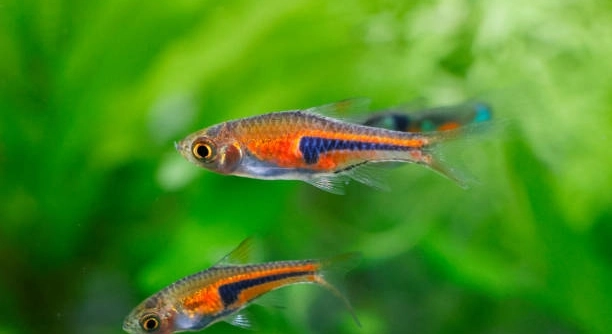
Have you ever set up a small aquarium and wondered what water conditions are best for your colorful rasboras? These delicate fish thrive in carefully balanced environments, and understanding water chemistry is key to keeping them healthy and vibrant.
Ideal pH levels for rasboras generally range from 6.0 to 7.0. Maintaining this slightly acidic to neutral range ensures proper metabolic function, supports immune health, and promotes natural behavior and coloration, contributing to overall well-being in a captive environment.
Maintaining proper water balance is essential for your fish to flourish, and even small adjustments can make a significant difference in their health and appearance.
Understanding pH and Its Importance for Rasboras
pH measures how acidic or alkaline water is, and it directly affects your rasboras’ health. Rasboras are sensitive to changes, so keeping the water within their ideal range is essential. Water that is too acidic or too alkaline can stress the fish, weaken their immune system, and reduce their lifespan. Balanced pH supports natural coloration and encourages healthy behavior, making your aquarium more enjoyable to watch. Regular testing is important, especially if you notice changes in your fish’s activity or appetite. Sudden fluctuations can be dangerous, so it’s better to adjust pH gradually using safe methods like natural additives or controlled filtration. Soft, slightly acidic water mimics the conditions these fish experience in their natural habitats, helping them thrive. Observing their response after adjustments allows you to understand the delicate balance needed for long-term health. With consistent monitoring, maintaining ideal pH becomes a manageable part of aquarium care.
Keeping water stable supports fish health and reduces stress, ensuring your rasboras stay active and vibrant in their tank.
Adjusting pH can be straightforward if done carefully. Start by testing your water regularly with reliable kits, noting current levels, and comparing them to the recommended 6.0–7.0 range. Small adjustments are safer than large changes, and natural methods like adding peat moss or driftwood can gently lower pH, while baking soda in small amounts can raise it. Always monitor fish behavior during changes, as sudden shifts may cause stress or illness. Avoid chemical shortcuts unless necessary, since they can harm sensitive species. Filtration and water changes also play a role in maintaining stability. Over time, these habits create a balanced environment where rasboras feel comfortable, reducing aggression and promoting feeding activity. Patience and consistency are key, and with careful observation, achieving the ideal pH becomes second nature, keeping your fish healthy, active, and colorful.
Signs of pH Imbalance in Your Tank
Fish may show stress when water pH is off. Look for changes in behavior, appetite, or coloration as early indicators.
Sudden shifts in pH can affect rasboras immediately. Fish may become lethargic, hide more, or gasp near the surface. Fading colors and clamped fins are also warning signs. Long-term exposure to unsuitable pH weakens immunity, increasing susceptibility to disease. Detecting these signs early allows you to adjust conditions before serious harm occurs. Regular testing is crucial because some changes in pH are subtle and may not be obvious at first. Tank decorations, substrate, or tap water additives can all influence pH over time. By observing your fish closely and monitoring water chemistry consistently, you ensure their environment remains stable and suitable. Proper adjustments restore natural behavior, vibrant coloration, and feeding habits, maintaining a healthy and thriving aquarium.
Adjusting pH Safely
Gradual changes are essential when adjusting pH. Sudden shifts can stress rasboras, leading to illness or death. Use small amounts of additives and monitor levels closely to ensure a stable environment.
Start by testing your water to determine the exact pH. If it’s too low, natural methods like adding driftwood or peat moss can slowly decrease acidity. If it’s too high, baking soda or specialized aquarium buffers can raise it carefully. Always make changes in small increments and observe fish behavior. Overcorrecting can create dangerous swings, so patience is key. Combining water changes with these methods helps maintain stability and ensures your rasboras remain healthy.
Consistency in maintaining pH is more effective than frequent large adjustments. Using reliable test kits, observing fish regularly, and keeping a log of water conditions helps track trends and prevent sudden problems. This approach reduces stress, promotes healthy growth, and supports natural coloration. Filtration systems and proper maintenance complement adjustments, ensuring your tank remains balanced. Over time, these habits make pH management predictable and manageable, creating an environment where rasboras can thrive without complications.
Monitoring pH Levels
Regular monitoring ensures that rasboras remain in ideal conditions and prevents long-term stress or health issues. It is a key part of tank maintenance.
Testing should be done at least weekly, using reliable kits to track pH fluctuations. Note trends and any sudden changes, which can indicate issues with water sources or decorations affecting chemistry. Keeping consistent logs allows quick response and helps in planning water changes or additive use. Observation of fish behavior complements testing, as lethargy or color fading can signal problems. Consistency, careful adjustment, and attentive observation form the foundation of a healthy aquarium for rasboras, minimizing risk and supporting vibrant, active fish.
Common Factors Affecting pH
Tap water composition can influence tank pH, especially if it contains minerals or chemicals. Substrate choice, decorations, and leftover food also contribute to gradual changes over time.
Temperature shifts and biological activity, like bacterial breakdown and fish waste, can alter pH. Monitoring these factors helps maintain stability.
Water Testing Methods
Test strips are a quick way to check pH, offering immediate results, though less precise than liquid kits. Liquid test kits provide more accurate readings and allow careful monitoring of small changes in water chemistry. Regular testing ensures the tank environment remains safe for rasboras.
Natural Ways to Stabilize pH
Adding driftwood, leaf litter, or peat moss can naturally lower pH while creating a more comfortable habitat for rasboras. These materials release tannins slowly, helping maintain a stable, slightly acidic environment.
FAQ
What is the ideal pH range for rasboras?
Rasboras thrive in slightly acidic to neutral water, typically between 6.0 and 7.0. Maintaining this range supports their metabolism, immunity, and natural behavior. Regular monitoring helps prevent stress from sudden fluctuations, keeping your fish healthy and vibrant.
How often should I test my aquarium’s pH?
Testing at least once a week is recommended. Frequent checks help detect gradual changes caused by tap water, substrate, decorations, or biological activity. Consistent monitoring ensures you can make small, safe adjustments before problems develop.
Can pH change quickly in a tank?
Yes, pH can shift quickly due to sudden water additions, overfeeding, or decay of organic matter. Sudden changes are dangerous for rasboras, so adjustments should always be gradual to avoid stressing the fish.
How can I safely lower pH in my tank?
Natural methods such as adding driftwood, peat moss, or leaf litter can gently lower pH. These release tannins gradually, keeping water slightly acidic without abrupt shifts. Small, consistent changes are safer than large adjustments.
How can I safely raise pH in my tank?
Baking soda or commercial pH buffers can raise water pH. Use very small amounts at a time and test frequently. Combining water changes with buffers ensures gradual stabilization, preventing sudden stress to rasboras.
Can fish behavior indicate pH problems?
Yes, rasboras often show signs of stress when pH is off. Lethargy, loss of appetite, clamped fins, or faded colors can indicate unsuitable water chemistry. Observing behavior alongside testing helps detect problems early.
Do substrate and decorations affect pH?
Yes, certain rocks, driftwood, or gravel can raise or lower pH over time. Limestone and coral tend to increase alkalinity, while peat or driftwood lowers it. Choosing compatible materials is important for stability.
Will tap water affect pH?
Tap water can contain minerals and chemicals that influence pH. Using a water conditioner and testing before adding water ensures levels stay within the ideal range. Regular monitoring helps adjust for seasonal or municipal changes.
Are there long-term risks if pH is not ideal?
Prolonged exposure to unsuitable pH weakens immune systems, reduces lifespan, and affects growth and coloration. Maintaining proper levels ensures healthy development and a stable, thriving aquarium environment.
Can I mix natural and chemical methods to adjust pH?
Yes, combining small amounts of chemical buffers with natural additives like driftwood can provide fine control. Always make changes gradually and monitor both pH and fish behavior for safety.
How do I maintain stable pH long-term?
Consistent testing, regular water changes, careful selection of substrate and decorations, and controlled adjustments help maintain stable pH. Observing fish behavior and keeping a log of water conditions ensures a healthy environment over time.
Is it safe to rely only on test strips?
Test strips are convenient but less precise than liquid kits. For long-term accuracy, liquid kits are recommended, especially if you need to make small adjustments. Combining both can offer quick checks and detailed monitoring.
What if pH fluctuates despite adjustments?
Frequent fluctuations may indicate a water source issue, reactive substrate, or excessive organic waste. Evaluate all contributing factors, perform partial water changes, and consider adjusting tank materials to achieve stability.
How quickly should I adjust pH?
Adjust pH slowly, ideally changing no more than 0.2 units per day. Rapid shifts can stress or harm rasboras, so patience is essential when stabilizing water conditions.
Are rasboras sensitive to all pH ranges?
Rasboras tolerate slight variations, but extremes below 6.0 or above 7.5 can be harmful. Maintaining a stable range within 6.0–7.0 ensures health, reduces stress, and promotes natural behavior and coloration.
Can pH affect breeding?
Yes, proper pH is crucial for spawning. Slightly acidic water encourages natural breeding behavior, while unstable or extreme levels can prevent egg laying or reduce hatch rates.
Do water temperature and pH interact?
Temperature influences water chemistry, which can indirectly affect pH. Warmer water may accelerate biological activity, slightly lowering pH, while cooler water slows processes. Regular testing accounts for these interactions.
Should I adjust pH differently for different rasbora species?
Some species prefer slightly more acidic conditions, while others tolerate neutral water. Research the specific species you keep and aim for a range that suits all inhabitants. Stability is more important than exact numbers.
Can I ignore pH if my fish seem fine?
Even if rasboras appear healthy, long-term exposure to non-ideal pH can affect growth, immunity, and coloration. Consistent monitoring prevents hidden stress and ensures a thriving aquarium.
How do I recover fish after pH stress?
Gradual water adjustments, clean water, and reduced handling help stressed fish recover. Observe feeding behavior and appearance closely to ensure they return to normal activity and coloration.
Is frequent water changing necessary for pH control?
Yes, regular water changes help dilute waste, prevent rapid pH swings, and maintain stability. Combining this with monitoring and careful adjustment ensures long-term water quality suitable for rasboras.
What tools are recommended for pH management?
Reliable test kits, gentle additives, and proper filtration systems are essential. Logging water parameters and observing fish behavior complements these tools, creating a stable environment for rasboras.
How do I prevent pH problems from recurring?
Choosing compatible substrate and decorations, using stable water sources, performing regular maintenance, and monitoring levels consistently prevents recurring issues. Patience and consistency are key to long-term stability.
Can plants help stabilize pH?
Live plants can slightly buffer pH by absorbing nitrates and providing natural processes that slow fluctuations. Dense planting also reduces stress on fish, indirectly supporting stable water chemistry.
Are commercial pH stabilizers safe?
Yes, if used carefully. Always follow instructions, add in small increments, and monitor fish response. Overuse can cause rapid changes, which are harmful to rasboras.
How often should I review pH trends?
Keep a weekly log of pH readings, water changes, and fish behavior. Reviewing trends helps anticipate problems and make proactive adjustments before they stress the fish.
Can fluctuating pH cause illness?
Yes, sudden or prolonged pH changes weaken immunity and increase susceptibility to bacterial or fungal infections. Stable pH reduces health risks and promotes long-term vitality.
How long does it take to stabilize pH?
Stabilization depends on initial water conditions, methods used, and tank size. Gradual changes over days or weeks are safest, allowing rasboras to adjust without stress.
What is the most common mistake with pH management?
Rushing adjustments or neglecting regular testing is common. Small, consistent monitoring and gradual changes prevent stress, illness, and long-term health issues.
Can pH affect other water parameters?
Yes, pH interacts with ammonia, nitrite, and nitrate levels. Maintaining a proper pH helps biological filtration function efficiently and reduces toxicity risks for rasboras.
Are pH swings more dangerous than slightly wrong pH?
Yes, fluctuations are generally more harmful than consistently slightly off pH. Stability allows fish to adapt, whereas swings cause stress and weaken immunity.
Can I use bottled water for pH control?
Bottled water may have a different pH than tap water. Test and adjust before use, and mix carefully to avoid sudden shifts in the tank.
Do decorations leach chemicals affecting pH?
Yes, some rocks, shells, or untreated materials can raise or lower pH over time. Choosing inert or aquarium-safe items prevents unexpected changes.
Is it necessary to adjust pH for a community tank with rasboras?
Yes, the pH should suit all species in the tank. Select a stable range that accommodates all fish to minimize stress and promote health.
Can I rely on visual water clarity to judge pH?
No, clear water does not guarantee proper pH. Testing is the only reliable method to ensure safe conditions for rasboras.
How does fish density affect pH?
High stocking levels increase waste, which can lower pH over time. Adequate filtration, regular water changes, and monitoring help prevent harmful shifts.
Do food types impact pH?
Yes, some foods can increase waste acidity, slightly lowering pH. Feeding in moderation and removing uneaten food prevents harmful fluctuations.
Can I combine multiple natural methods to adjust pH?
Yes, combining driftwood, peat moss, and leaf litter can create a more controlled and gradual pH change. Monitor carefully to avoid overcorrection.
How long should I wait after adjustments to test again?
Allow at least 24 hours before retesting after changes. This gives the water time to stabilize and prevents over-adjusting.
Can lighting affect pH?
Indirectly, yes. Light can influence plant growth and algae activity, which may slightly shift pH. Regular monitoring accounts for these subtle changes.
Should I worry about pH in a newly set-up tank?
Yes, new tanks often experience fluctuations due to cycling. Regular testing during this period ensures a stable environment for rasboras as biological filtration develops.
Does water hardness affect pH stability?
Yes, soft water is more prone to pH swings, while harder water buffers changes. Knowing water hardness helps plan effective adjustments and maintain stability.
Can I ignore minor pH fluctuations?
Small, gradual changes within 0.1–0.2 units are generally tolerable. Larger or sudden shifts require action to protect rasboras’ health and reduce stress.
How do I choose the best pH kit?
Select kits with clear instructions, precise readings, and consistency. Liquid test kits are preferred for accuracy, while strips can provide quick checks between tests.
Is it necessary to adjust pH for juvenile rasboras?
Yes, young fish are more sensitive to stress and fluctuations. Maintaining proper pH supports growth, immunity, and long-term health from an early stage.
Can bacterial blooms affect pH?
Yes, bacterial activity in the tank can produce acids or bases, altering pH. Regular cleaning and monitoring reduce unexpected swings.
How do I avoid overshooting the desired pH?
Make changes in small increments, retest frequently, and observe fish behavior. Patience prevents overcorrection and ensures a stable environment.
Do live plants require a specific pH?
Most common aquarium plants thrive in slightly acidic to neutral water, similar to rasboras’ needs, supporting a balanced tank ecosystem.
Can I combine chemical and natural pH adjustments safely?
Yes, using both allows fine control. Introduce chemicals carefully and complement with natural additives, always monitoring fish response and water levels.
Is it okay to adjust pH during feeding?
Avoid adjustments while feeding, as fish may be stressed. Make changes when fish are calm and after uneaten food is removed.
How long does pH stay stable in a healthy tank?
With proper monitoring, stable water, and controlled maintenance, pH can remain within the ideal range for weeks, minimizing stress on rasboras.
What is the relationship between ammonia and pH?
Ammonia toxicity increases at higher pH. Keeping pH stable ensures biological filtration works effectively and reduces risk to fish.
Can I rely on visual cues from plants or algae for pH?
No, while growth may be affected, visual cues are not precise. Testing remains the only reliable way to ensure suitable water conditions.
Do seasonal changes affect pH?
Yes, tap water composition and temperature can change seasonally, affecting pH. Regular testing accounts for these variations and helps maintain stability.
How do I know if pH has stabilized after adjustments?
Consistent readings over several days, stable fish behavior, and no signs of stress indicate successful stabilization.
Are rasboras more tolerant to pH changes than other fish?
They are moderately sensitive. While some minor fluctuations are tolerated, extremes or rapid changes are stressful and can harm health.
Should I adjust pH differently in planted versus unplanted tanks?
Planted tanks may naturally buffer pH slightly, but adjustments should still be gradual and monitored to ensure fish safety.
Can I use reverse osmosis (RO) water to control pH?
Yes, RO water is low in minerals and allows precise control, but remineralization is needed to provide essential elements for fish health.
How can I prevent future pH issues?
Choose stable water sources, compatible substrates, regular maintenance, consistent monitoring, and gradual adjustments. Patience and observation prevent long-term problems and support a healthy aquarium environment.
What is the safest way to combine multiple pH adjustments?
Introduce changes slowly, observe fish, test frequently, and balance natural and chemical methods. Avoid large corrections at once to protect rasboras from stress.
Can pH affect fish coloration?
Yes, ideal pH supports vibrant colors, while unsuitable levels can cause dulling, stress, and weakened immune response, affecting overall appearance.
Is pH more important than temperature for rasboras?
Both are crucial, but stable pH directly affects metabolism, immunity, and stress levels. Temperature and pH together determine overall health and behavior.
Can I rely on aquarium plants alone to stabilize pH?
Plants help slightly, but they cannot fully control pH. Monitoring and adjustments are still necessary for a stable environment.
How do I know if my adjustments are too fast?
Signs include sudden lethargy, hiding, clamped fins, or rapid breathing. Slow changes prevent these stress responses.
Does water flow affect pH?
Indirectly, yes. Increased flow can aerate water and influence CO2 levels, slightly impacting pH. Monitoring ensures stability.
Should pH be adjusted differently for small versus large tanks?
Large tanks buffer changes more easily. Smaller tanks require slower, more careful adjustments due to less water volume and higher sensitivity.
Can overfeeding cause pH fluctuations?
Yes, decaying food increases acidity. Feed in moderation and remove leftovers to prevent unwanted pH shifts.
Are there specific pH targets for breeding rasboras?
Slightly acidic water around 6.0–6.5 encourages spawning. Stability is critical to prevent stress during breeding periods.
How does carbon dioxide affect pH?
CO2 lowers pH when dissolved in water. Aquariums with CO2 injection need monitoring to prevent excessive acidification.
Is it necessary to acclimate fish after adjusting pH?
Yes, even small changes can stress rasboras. Observing behavior and gradual introduction of adjusted water supports smooth acclimation.
Can I rely on other aquarists’ advice for pH adjustments?
Advice can be helpful, but tank conditions vary. Testing, observation, and gradual adjustments are the safest approach for your specific setup.
Does over-filtering affect pH?
Filters themselves don’t directly change pH, but filtration media, water flow, and aeration can influence water chemistry over time.
Are all rasboras equally sensitive to pH?
Sensitivity varies by species. Most prefer slightly acidic to neutral water, but research individual species’ needs for best results.
How long should I wait between pH adjustments?
Wait at least 24 hours to allow stabilization and observe fish response before making further changes.
Can aquarium salt help stabilize pH?
Salt does not directly adjust pH. It can reduce stress and support health, but pH management still requires testing and adjustments.
Do decorations need to be removed when adjusting pH?
Not always, but reactive materials that affect water chemistry should be removed or monitored during adjustments to prevent unwanted changes.
Can overuse of pH buffers harm fish?
Yes, excessive use can cause rapid changes, stress, or chemical buildup. Use small increments and monitor closely for safety.
Is it possible to maintain perfect pH without testing daily?
Yes, consistent weekly monitoring, careful maintenance, and gradual adjustments are usually sufficient for stable conditions in a well-maintained tank.
How do I combine temperature and pH management effectively?
Maintain temperature within the species’ preferred range, as extremes can influence pH indirectly. Consistent testing and small adjustments keep both parameters stable.
Can algae growth indicate pH issues?
Algae may reflect nutrient levels rather than pH directly. Testing water remains the reliable method to detect and manage pH fluctuations.
Should I adjust pH differently for newly introduced fish?
New fish are more sensitive. Ensure gradual acclimation and stable water conditions before introducing them to prevent stress.
Can pH affect fish reproduction success?
Yes, stable pH supports egg development and spawning behavior. Unstable or extreme pH can reduce fertility or lead to egg loss.
How can I prevent pH swings after major water changes?
Match the new water’s pH closely to tank levels, make partial changes, and monitor closely to prevent sudden shifts.
Does fish density change pH faster?
Higher density increases waste production, which can alter pH. Adequate filtration, water changes, and careful monitoring prevent harmful fluctuations.
Can I use RO water for sensitive species like rasboras?
Yes, RO water allows precise pH control, but remineralization is needed to supply essential minerals for fish health.
How do I handle unexpected pH drops?
Perform partial water changes, test for contaminants, and make gradual corrections with natural or chemical methods while monitoring fish response.
Is testing before adding new water necessary?
Yes, pre-testing prevents sudden changes that could stress rasboras and ensures a smooth introduction to the tank.
Can fish adapt to slightly off pH?
Yes, they tolerate minor deviations, but consistent, stable conditions are far healthier for growth, immunity, and coloration.
How does ammonia interact with pH?
High pH increases ammonia toxicity. Stable pH ensures safe filtration and prevents harmful exposure to fish.
Are certain foods better for pH stability?
Dry foods with low protein and minimal additives reduce waste acidity. Remove leftovers promptly to maintain stable water chemistry.
Can I rely on natural decorations alone for pH control?
They help, but testing and careful adjustments remain necessary to maintain stable and safe conditions for rasboras.
What is the best routine for pH management?
Weekly testing, consistent maintenance, gradual adjustments, and observation of fish behavior create a reliable routine that maintains long-term stability.
Can excessive CO2 injection destabilize pH?
Yes, too much CO2 lowers pH rapidly. Monitor levels closely and adjust gradually to avoid stress and health issues.
**Do seasonal water source changes affect p
Maintaining the ideal pH for rasboras is essential for their health and well-being. These fish thrive in slightly acidic to neutral water, usually between 6.0 and 7.0. Keeping pH within this range supports their metabolism, immune system, and natural behavior. Sudden shifts or extremes can stress the fish, weaken their resistance to disease, and affect growth and coloration. Regular testing is crucial, as even small changes over time can create problems that are not immediately obvious. Observing your rasboras’ behavior and appearance can help identify early signs of stress or water imbalance, allowing for timely adjustments.
Creating a stable environment requires a combination of proper monitoring, careful adjustment, and attention to tank conditions. Natural methods such as driftwood, peat moss, or leaf litter can gently modify pH without causing sudden changes. When necessary, chemical buffers or baking soda can raise pH, but they should always be used in small increments. Gradual adjustments are much safer than large, sudden changes, which can shock the fish. Consistent water changes, clean substrate, and monitoring decorations and other materials in the tank all contribute to maintaining a balanced ecosystem. Over time, these practices help prevent recurring issues and create a predictable environment where rasboras can thrive.
Long-term stability is more important than aiming for perfect numbers. Slight variations are acceptable as long as changes are gradual and the fish remain healthy and active. Establishing a routine that includes regular testing, observation, and incremental adjustments ensures that your aquarium remains a safe and comfortable home for your rasboras. By maintaining ideal pH levels, providing a clean and well-planned environment, and responding to the needs of your fish, you can enjoy a thriving tank filled with vibrant, active rasboras. Attention to these details not only supports their health but also makes caring for your aquarium more manageable and rewarding.

Hello,
If you enjoy the content that we create, please consider saying a "Thank You!" by leaving a tip.
Every little bit helps us continue crafting quality advice that supports the health, happiness, and well-being of pets around the world, for pets of all shapes, sizes, and species.
We really appreciate the kindness and support that you show us!