
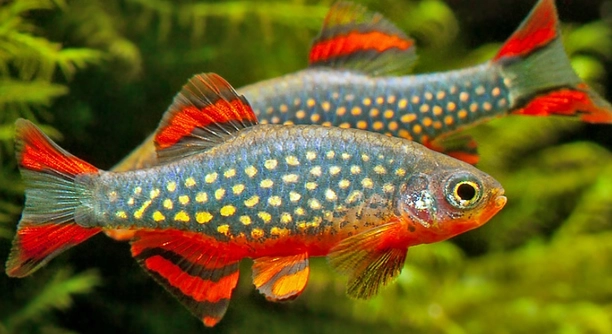
Danios are small, active fish that thrive in lively aquariums. Their environment and daily routine greatly impact their health. Nighttime routines, especially periods of silence, play an essential role in maintaining their natural behavior and well-being.
Providing seven hours of uninterrupted silence at night allows danios to rest and regulate their biological rhythms. This period reduces stress, supports healthy metabolism, and encourages natural sleep patterns, ultimately contributing to their overall physical and psychological health.
Understanding the effects of silence can improve aquarium care and ensure your danios remain vibrant and healthy throughout their life. This simple change has meaningful benefits for their nighttime well-being.
Why Silence Matters for Danios
At night, danios benefit from a calm environment where external disturbances are minimal. Seven hours of silence allows them to slow their activity, conserve energy, and maintain proper physiological balance. This quiet period supports their natural sleep cycle, which is essential for proper organ function and brain activity. Stress in fish can manifest as erratic swimming, loss of appetite, or faded coloration, all of which are signs that their nighttime environment may be inadequate. By ensuring a quiet habitat, you are helping your danios recover from the day’s activity. Even small noises or vibrations from household activities can disrupt their rest, making it harder for them to regulate stress hormones. This consistent quiet period also helps stabilize their circadian rhythm, ensuring they remain active and alert during daylight hours. Observing these patterns can improve their long-term health, encouraging stronger immune responses and more vibrant physical appearance. Maintaining silence is a small adjustment with a noticeable impact.
Creating a peaceful nighttime environment is simple and effective. Even minor noise reduction can improve sleep quality and overall behavior for your danios.
When I introduced a strict quiet period in my aquarium, I noticed my danios swimming calmly and showing brighter coloration in the mornings. They became more responsive to feeding routines and less prone to sudden darting movements. This change reinforced that they rely heavily on uninterrupted rest. Over time, their appetite stabilized, and they displayed more consistent social behavior, forming natural shoals without tension. Stress indicators, like clamped fins or erratic swimming, diminished, proving the benefit of silence. Even the tank environment itself seemed more balanced, with algae growth reducing naturally due to their calmer nighttime behavior. Incorporating this practice requires minimal effort: dim lights, reduce household noise near the tank, and avoid tapping the glass. Monitoring their response over several weeks confirms the positive effect. The simple act of seven quiet hours at night can transform the health and happiness of your danios, making it one of the most effective care strategies available.
Setting Up the Perfect Nighttime Routine
Consistency is key when establishing a silent period for danios. Maintaining the same timing each night supports their biological rhythms.
Begin by dimming lights gradually and ensuring any equipment noise is minimized. A timer for lighting can help maintain this schedule, and placing the tank away from heavy household traffic reduces disturbances. Keep feeding routines separate from this silent period to prevent waking the fish prematurely. During this time, avoid tapping the glass or moving tank decorations. Observing their behavior before and after implementing these changes helps track improvements in activity and coloration. With patience and regularity, seven hours of nightly silence can become a natural part of their environment, significantly improving their overall health and stability. Over time, this routine encourages natural patterns, reduces stress, and enhances their interaction during the day, creating a balanced and thriving aquarium ecosystem.
Recognizing Rest Patterns
Danios show clear signs when they are resting properly. Slow swimming, hovering in place, and minimal fin movement indicate they are benefiting from the silent period. These behaviors are normal and suggest a balanced nighttime routine is in place.
After implementing seven hours of silence, I noticed my danios staying near the middle or bottom of the tank, occasionally pausing for longer periods. Their movements became less erratic, and they stopped darting around as frequently. Even during brief disturbances, such as lights flickering, they quickly resumed calm behavior. Observing these changes helped me understand the importance of consistent quiet time and reinforced that rest directly affects their daily activity and social interactions.
Proper rest also influences feeding behavior. When danios have uninterrupted silent periods, they are more alert and responsive during feeding, exhibiting natural foraging movements. This improves digestion and reduces aggressive interactions within the tank. Regular observation confirms these patterns, showing that silent hours are a key factor in maintaining both physical health and social stability in a community tank.
Adjusting the Environment
Noise reduction and stable lighting are essential for effective nighttime rest. Even subtle vibrations from nearby appliances can disturb danios, so positioning the tank away from high-traffic areas is beneficial.
I rearranged my tank setup to minimize background noise and added soft padding beneath the stand to absorb vibrations. Lights are now on a timer, gradually dimming to signal the start of the silent period. Decorations and plants provide natural hiding spots, making the fish feel secure. Over time, I observed calmer swimming, brighter coloration, and more consistent shoaling behavior. This environmental adjustment ensures that silent hours are uninterrupted, directly improving their health. Consistency in maintaining these conditions is key to reinforcing proper rest and encouraging natural behavioral patterns.
Timing the Silent Period
Starting the silent period at the same time each night helps danios adjust to a predictable routine. Consistent timing reinforces their natural circadian rhythm and promotes better rest and recovery.
I set my aquarium lights to dim gradually at 10 p.m. each night. This consistency made it easier for my danios to settle and remain calm throughout the seven-hour period. Over several weeks, they adapted quickly, showing calmer swimming and improved social behavior. Regular timing also helped me notice small changes in activity levels, confirming that the routine positively impacted their health and overall well-being.
Observing Behavioral Changes
After implementing quiet nights, danios displayed improved feeding behavior and more natural shoaling patterns. Stress-related movements decreased, and their overall activity during the day became more predictable and balanced.
Nighttime Safety Measures
Ensure filters and air pumps operate quietly during the silent period. Sudden noises or strong currents can interrupt rest and increase stress.
Benefits for Long-Term Health
Maintaining seven hours of silence each night improves metabolism, reduces stress, and supports immune function. Over time, danios remain active, vibrant, and less prone to illness, reinforcing the importance of consistent nighttime care.
FAQ
How long should the silent period last for danios?
The recommended silent period is seven hours each night. This allows the fish to rest fully, maintain a natural sleep cycle, and recover from daytime activity. Shorter periods may not provide enough rest, while longer periods are generally unnecessary if the environment is stable.
What signs indicate that danios are getting enough rest?
Danios that are well-rested will swim calmly, hover in place, and show minimal fin movement at night. During the day, they will appear alert, feed actively, and interact naturally with tank mates. Lack of these behaviors may suggest disturbances or stress in their environment.
Can lighting affect their nighttime rest?
Yes, consistent lighting is crucial. Using a timer to gradually dim lights signals the start of the silent period. Sudden changes or overly bright lights can disrupt sleep patterns, causing stress and erratic behavior. Dim, stable lighting helps danios settle naturally.
Is noise really a problem for danios at night?
Even low-level noise, such as vibrations from appliances or household movement, can disturb them. Over time, repeated disturbances increase stress hormones, reduce feeding efficiency, and affect overall health. Minimizing sound ensures uninterrupted rest and supports long-term well-being.
Do tank decorations influence rest?
Yes. Plants, rocks, and hiding spots create secure areas where danios can feel safe during silent hours. Providing natural cover reduces stress and encourages calm, restful behavior. Sparse or bare tanks may increase anxiety, especially during nighttime.
Should filters and air pumps be turned off at night?
Not necessarily. They should remain on for water quality, but noise and strong currents should be minimized. Adjusting flow or using quieter equipment ensures the fish are not disturbed while maintaining proper filtration.
Will the fish always rest in the same spot?
Danios may change locations slightly but tend to prefer calmer areas of the tank. Observing their patterns over several nights helps identify preferred resting zones and informs placement of decorations or plants to support comfort.
How quickly will behavioral changes appear?
Behavioral improvements can be noticed within one to two weeks of implementing a consistent silent period. Calm swimming, improved feeding, and better social interactions are common early indicators that the routine is effective.
Does temperature affect their nighttime rest?
Stable temperatures are essential. Sudden drops or rises can disrupt sleep and increase stress. Maintaining a consistent, appropriate range supports proper metabolism and aligns with their natural circadian rhythm, promoting healthy rest cycles.
Can silent hours improve overall health?
Yes. Seven hours of uninterrupted silence reduces stress, stabilizes metabolism, enhances immune function, and encourages natural behaviors. Over time, this simple adjustment improves coloration, activity levels, and longevity, making it one of the most effective care strategies for danios.
How do I monitor the effectiveness of silent periods?
Observe swimming patterns, feeding responses, coloration, and interactions. Calm nighttime behavior, predictable day activity, and reduced stress indicators show that silent periods are benefiting your fish. Adjustments can be made gradually based on these observations.
Are all danios affected the same way by silent periods?
Individual fish may respond slightly differently, but most show similar benefits from consistent quiet time. Some may rest in slightly different spots or be more sensitive to disturbances, so observing the group is important to ensure the routine suits all tank inhabitants.
Can silent periods prevent disease?
While it doesn’t replace proper care, uninterrupted rest reduces stress, which is linked to weaker immune responses. A calm, consistent environment supports overall health, making fish less susceptible to common illnesses and improving recovery if they fall sick.
Do silent periods affect breeding behavior?
Yes, providing consistent rest supports natural hormonal cycles, which can positively influence breeding. Stress-free nighttime conditions create a healthier environment for spawning, ensuring both adults and fry remain active and alert during the day.
What is the easiest way to maintain consistent silent periods?
Use timers for lights, keep the tank away from busy areas, reduce appliance vibrations, and avoid tapping the glass at night. Small adjustments create a predictable environment, allowing danios to settle naturally and maintain long-term health.
Final Thoughts
Creating a quiet, stable environment for danios at night is a simple but effective way to support their health and well-being. Seven hours of uninterrupted silence allows them to rest fully, regulate their biological rhythms, and recover from the activity of the day. During these hours, their metabolism slows to a normal pace, stress hormone levels decrease, and their immune system has a chance to function optimally. These benefits are essential for maintaining bright coloration, healthy appetite, and consistent social interactions. Observing the fish over time makes it clear how much of a difference a calm nighttime environment can make. Even minor disturbances, such as household noise or sudden light changes, can interrupt rest and cause stress. By adjusting the tank environment to minimize these disruptions, danios are able to settle naturally and maintain a balanced routine. This quiet period does not require complex equipment or drastic changes, just consistency and awareness of their behavior.
Setting up the proper environment for silent hours involves a few key factors. First, the timing of lights is important. Using a timer ensures the lights dim gradually at the same time each night, signaling to the fish that it is time to rest. Second, tank placement matters. Keeping the aquarium away from heavy traffic or sources of vibration reduces disturbances, helping danios feel secure. Third, decorations and plants provide natural hiding spots that make them comfortable during their rest period. Equipment such as filters and air pumps should remain on for water quality but should operate quietly to avoid disrupting sleep. Over time, these small adjustments lead to noticeable changes in behavior. Fish that were once restless at night begin to swim calmly and remain near their preferred resting areas. Their social interactions improve, feeding becomes more consistent, and their overall health stabilizes. Implementing a predictable, calm nighttime routine is a straightforward way to enhance the daily life of your danios without adding stress or complexity.
Consistent silent hours at night not only improve immediate behaviors but also contribute to long-term health. Reduced stress helps prevent common illnesses and supports proper growth and metabolism. Danios become more active during the day, showing natural shoaling behavior and responding better to feeding. Their coloration becomes brighter, and their overall energy levels remain steady. Observing these changes reinforces the importance of uninterrupted rest and encourages continued care practices that prioritize their comfort and safety. By maintaining this simple routine, the aquarium becomes a healthier, more harmonious space for the fish. Seven hours of quiet may seem like a small adjustment, but it has a lasting impact on physical health, behavior, and overall well-being. Over time, this practice ensures your danios remain vibrant, active, and balanced, making the effort to create a calm nighttime environment well worth it.

Hello,
If you enjoy the content that we create, please consider saying a "Thank You!" by leaving a tip.
Every little bit helps us continue crafting quality advice that supports the health, happiness, and well-being of pets around the world, for pets of all shapes, sizes, and species.
We really appreciate the kindness and support that you show us!