
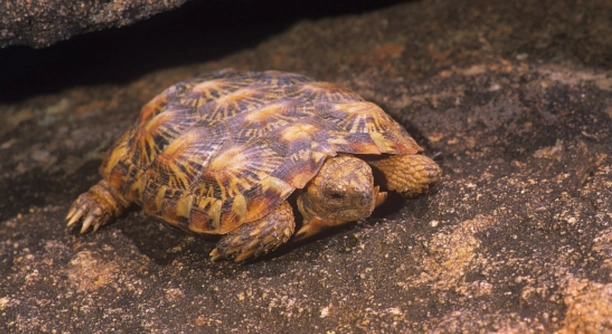
Tortoises make for fascinating pets, and many people are drawn to their slow-moving, peaceful nature. However, they require specific care to stay healthy and thrive. This guide provides the essential tips for beginner tortoise owners.
Tortoise care involves providing the right habitat, diet, and attention to their specific needs. Proper lighting, a balanced diet, and a suitable enclosure are key to ensuring a long and healthy life for your tortoise.
Understanding these basic needs will help you create a comfortable home for your tortoise and enjoy many years together.
Choosing the Right Habitat for Your Tortoise
Creating the right environment for your tortoise is crucial for its well-being. A proper habitat mimics the conditions they would experience in the wild. This includes temperature control, humidity, and space. Your tortoise will need an enclosure that is large enough for it to move around comfortably. If you have a land-dwelling species, they need a dry environment with areas for digging. For aquatic species, a large water tank with a dry basking area is essential. Make sure to have a heat source, like a basking light, to regulate temperature.
Proper ventilation is equally important to avoid the buildup of harmful gases. Adding natural elements like rocks, plants, or logs can provide your tortoise with hiding spots, which help reduce stress. The enclosure should also be escape-proof to prevent your pet from wandering off. Regular cleaning of the habitat is necessary to maintain a healthy space for your tortoise.
Keeping these factors in mind will ensure your tortoise has a comfortable place to call home. By adjusting the habitat based on your tortoise’s species and needs, you help support its growth and overall happiness.
Feeding Your Tortoise
A balanced diet is essential for your tortoise’s health. Fresh vegetables, grasses, and some fruits are commonly recommended.
Tortoises typically eat leafy greens such as dandelion greens, kale, and collard greens. It’s important to avoid offering them high-oxalate foods like spinach, which may interfere with calcium absorption. Providing a mix of fibrous plants and occasional fruits will give them the nutrients they need. It’s also crucial to provide fresh water regularly to keep them hydrated.
A healthy diet helps maintain their shell, bones, and energy levels, ensuring they live a long, healthy life.
Lighting and Temperature Requirements
Proper lighting is vital for your tortoise’s health. A combination of UVB lighting and a heat source is essential to replicate natural sunlight. The UVB light helps them synthesize vitamin D3, which is necessary for calcium absorption. Without it, your tortoise may develop metabolic bone disease.
The temperature in your tortoise’s enclosure should be carefully controlled. A basking area should reach around 95°F, while the cooler side should be between 70°F and 75°F. Tortoises are cold-blooded, so they rely on external heat sources to regulate their body temperature. Using a thermostat to monitor and maintain proper temperatures is highly recommended.
Without these temperature and lighting conditions, your tortoise’s health will likely suffer. Inadequate UVB light and incorrect temperatures can lead to lethargy, weakened bones, and other health issues. Regularly check the lights to ensure they’re functioning well, as UVB bulbs lose their effectiveness over time.
Handling and Socialization
While tortoises are not particularly social animals, gentle handling is important for bonding and reducing stress. They don’t require daily interaction but should be handled occasionally to get them used to human presence.
When you handle your tortoise, be sure to support its body properly. Avoid picking them up by their legs or tail, as this can cause injury. Keep handling sessions brief, especially when your tortoise is young, as over-handling may stress it. Most tortoises enjoy exploring their environment, so letting them roam outside of their enclosure can be a good way to give them some freedom.
The key to handling is being gentle and mindful of your tortoise’s behavior. Some may enjoy the interaction, while others may prefer solitude. Over time, you’ll get to know what your tortoise prefers and what makes it comfortable.
Bathing and Hydration
Tortoises need regular baths to stay hydrated and clean. This is especially important for species that don’t drink much water on their own.
Fill a shallow dish with lukewarm water, ensuring it’s deep enough for your tortoise to soak its legs and shell. Bathing helps maintain hydration and allows them to absorb water through their skin.
Always supervise your tortoise during bath time, as they can drown if left in water that’s too deep. You can bathe them a few times a week depending on their species, keeping the water fresh each time.
Shell Care
Tortoise shells should be checked regularly for signs of injury or infection. A healthy shell is smooth, without cracks, or soft spots.
If you notice anything unusual, such as discoloration or fungus, it’s important to address it promptly. Applying non-toxic shell treatments and keeping the habitat clean can prevent issues. Make sure your tortoise has access to enough calcium to keep its shell strong and healthy.
Hibernation
Some tortoises may hibernate during the winter months, which is a natural behavior for certain species. It’s crucial to monitor them closely before and during hibernation.
Before hibernating, make sure your tortoise is healthy and well-fed. Ensure the hibernation environment is cool, but not freezing. Keep the enclosure dry to avoid the risk of illness. During hibernation, check on them periodically to ensure they’re still alive and undisturbed.
FAQ
How often should I feed my tortoise?
Feeding frequency depends on the species and age of your tortoise. Juveniles typically need to be fed every day, while adults can be fed every other day. It’s essential to offer fresh vegetables and some fruit, ensuring a well-rounded diet. Always check species-specific needs, as some may require more or less food based on their metabolism and natural habitat.
Can I feed my tortoise only lettuce?
Lettuce, especially iceberg lettuce, offers little nutritional value. It’s okay to include in small amounts, but it should not be the main part of their diet. Focus on leafy greens like kale, collard greens, and dandelion greens. Avoid high-oxalate vegetables like spinach, as they can interfere with calcium absorption.
How do I know if my tortoise is sick?
Signs of illness in tortoises can include lethargy, loss of appetite, excessive sneezing, a runny nose, or changes in their shell’s appearance. If your tortoise is not eating or seems unwell, it’s best to consult a veterinarian who specializes in reptiles. Early detection is key to their recovery.
Can I keep multiple tortoises together?
It depends on the species. Some tortoises can be kept together if they have enough space and there is little risk of territorial aggression. However, others may become aggressive or stressed by the presence of another tortoise. Research your specific tortoise species to see how they behave in groups before introducing more than one.
What temperature should my tortoise’s enclosure be?
The ideal temperature for a tortoise’s enclosure varies depending on the species. Generally, the basking area should be around 95°F, while the cooler side of the enclosure should be between 70°F and 75°F. Be sure to maintain a proper gradient to allow your tortoise to regulate its body temperature.
Do tortoises need to be outside?
Tortoises can be kept indoors in the proper enclosure, but if you have the option, providing outdoor time can be beneficial. An outdoor space allows them to get natural sunlight, which is important for their vitamin D3 synthesis. Always supervise them while outside, as they may try to escape or encounter hazards.
How do I clean my tortoise’s shell?
It’s important to keep your tortoise’s shell clean to prevent bacteria or fungi from causing infections. Gently scrub the shell using a soft brush and lukewarm water. Avoid using soaps or harsh chemicals. Inspect the shell regularly for cracks, injuries, or other issues that could require veterinary care.
Is it okay for my tortoise to eat fruit?
Fruit can be given to tortoises in moderation. High-sugar fruits like apples, strawberries, or melon are acceptable but should only be offered as a treat. Too much fruit can upset their digestive system and lead to obesity. The majority of their diet should consist of leafy greens, grasses, and other fibrous plants.
How do I provide UVB light for my tortoise?
UVB light is essential for your tortoise’s health, as it helps them synthesize vitamin D3, which aids in calcium absorption. You’ll need a UVB bulb that is specifically designed for reptiles. Make sure it’s positioned close to the basking area (about 12-18 inches above), and replace the bulb every six months, even if it still works.
Can my tortoise eat plants from my garden?
Some plants from your garden are safe for tortoises, but many can be toxic. Common safe plants include dandelion greens, clover, and hibiscus flowers. However, avoid plants like lilies, daffodils, and azaleas, as they are poisonous to tortoises. Always verify that the plants in your garden are safe before feeding them to your pet.
How long do tortoises live?
Tortoises are long-lived creatures, with many species living 50 years or more. Some, like the Galápagos tortoise, can live over 100 years. A tortoise’s lifespan depends on the species, as well as the care it receives. Providing a healthy diet, proper lighting, and a safe habitat will help ensure they live a long life.
Why is my tortoise not eating?
If your tortoise isn’t eating, there may be a few reasons. Common causes include improper temperature, lack of UVB light, stress, or illness. First, check the temperature and lighting conditions in the enclosure. If everything seems in order and your tortoise is still not eating, consult a vet to rule out health issues.
What should I do if my tortoise escapes?
If your tortoise escapes, act quickly. Check your yard or surrounding area, as tortoises often stay within a short distance from their enclosure. If you can’t find your tortoise, post a lost pet notice, and contact local shelters. In the future, make sure the enclosure is secure, with no gaps or weak spots.
Final Thoughts
Caring for a tortoise involves more than just feeding and providing a home. It’s essential to understand their specific needs to ensure they live a long, healthy life. From the right diet to proper temperature control, every detail contributes to their well-being. Researching the specific species of your tortoise will help you tailor your care routine to suit their unique requirements. A little time and attention to detail can make a significant difference in your tortoise’s health and happiness.
Regular checkups and monitoring are key to maintaining your tortoise’s health. Signs of illness can sometimes be subtle, so it’s important to observe their behavior and physical condition regularly. Bathing, cleaning their shell, and making sure their environment is clean will all contribute to their overall well-being. Having a proper UVB light source is also crucial for their growth and development. If your tortoise is showing signs of stress or illness, seeking advice from a reptile veterinarian is always a good idea.
Lastly, while tortoises can be independent creatures, they still need your care and attention. Understanding their natural behaviors and providing the right environment will help them thrive. Whether indoors or outdoors, make sure their space is safe and enriching. With the right approach, your tortoise can be a companion for many years to come. It’s rewarding to watch them grow and flourish when given the proper care. By taking these steps, you’ll be offering your tortoise a happy and healthy life.

Hello,
If you enjoy the content that we create, please consider saying a "Thank You!" by leaving a tip.
Every little bit helps us continue crafting quality advice that supports the health, happiness, and well-being of pets around the world, for pets of all shapes, sizes, and species.
We really appreciate the kindness and support that you show us!