
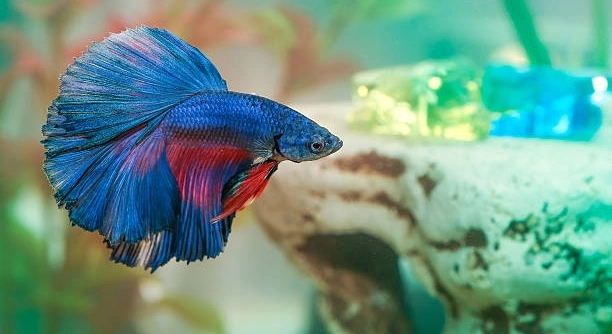
Betta fish are popular pets, known for their beauty and vibrant colors. However, many owners may not realize that temperature plays a crucial role in their overall health and well-being.
Temperature is essential for Betta fish health as it influences their metabolism, immune system, and overall behavior. Maintaining the right temperature range helps prevent diseases, stress, and ensures that the Betta fish thrives in its environment.
Proper temperature control is key to maintaining a healthy Betta fish. Understanding how temperature affects them can help improve their quality of life and avoid unnecessary health issues.
Why Temperature Matters for Betta Fish
Betta fish are tropical creatures that require warm water to stay healthy. When the water is too cold or too hot, it can stress them out and lead to various health problems. Betta fish are sensitive to sudden temperature changes, which can weaken their immune systems and make them more vulnerable to diseases. Maintaining a stable and appropriate temperature is essential for their metabolism, digestion, and overall behavior. The ideal temperature for Betta fish is between 75°F and 80°F (24°C – 27°C). Ensuring the water stays within this range will help your Betta stay active and vibrant, as well as reduce the risk of illness.
Temperature affects Betta fish in many ways. Too cold of water can slow down their movement and make them less active. Conversely, water that’s too hot can increase their metabolism, leading to stress and exhaustion. This imbalance can cause them to lose their appetite or, in extreme cases, become sick.
Providing a reliable source of warmth is key. A quality aquarium heater will help maintain the right temperature and prevent fluctuations, ensuring your Betta fish live comfortably. Regular checks on the temperature will help you catch any issues early and avoid stressing your Betta.
How to Maintain the Right Temperature
The easiest way to maintain a consistent temperature is by using a reliable aquarium heater. Without one, the water can fluctuate drastically, especially in cooler environments. A thermometer will help you monitor the temperature closely.
Betta fish rely on their surroundings to stay healthy, so any changes in water temperature can affect them negatively. A thermometer should be placed inside the tank to make sure it stays within the desired range. A good heater will keep the water stable, and it’s essential to choose one suitable for the size of your tank. Overheating can be as harmful as cooling, so avoid heaters with a high wattage for smaller tanks. Also, be mindful of placing your tank in drafty areas or direct sunlight, as these can cause temperature fluctuations.
The Risks of Improper Temperature
When the temperature is too low, Betta fish can become sluggish, and their immune system weakens. This makes them more susceptible to illnesses like fin rot and dropsy. On the other hand, high temperatures can speed up their metabolism, leading to stress and exhaustion. Fish that are constantly stressed are also more likely to display aggressive behavior.
Maintaining a stable temperature is not just about avoiding sickness; it’s about giving your Betta fish the right conditions to thrive. When they are comfortable, their immune system functions better, and they are more active. A Betta in an optimal environment will show more vibrant colors and a happier, healthier demeanor. Inconsistent temperatures make it harder for the fish to adapt, and that can cause them to experience a slower recovery when they do get sick.
Betta fish are naturally active and curious, but they rely on a steady, warm environment to feel safe. If their temperature is off, they might hide more often or even stop eating. The fish can also become more aggressive if they feel unsettled by temperature fluctuations. Keeping things consistent helps keep your Betta calm and happier in the long run.
How to Spot Temperature Issues
If your Betta seems lethargic, hides more often, or is eating less, the temperature may be the issue. These signs could indicate stress, which can stem from water that’s too cold or too hot. Keep a thermometer in the tank for easy monitoring.
If your Betta is struggling with temperature-related stress, it’s important to take action quickly. You may need to adjust the heater or even move the tank to a warmer or cooler location. If the water temperature fluctuates too much, Betta fish may experience permanent health problems. Always ensure the temperature remains consistent by adjusting your heater accordingly.
The Best Temperature Range for Betta Fish
Betta fish thrive best in water between 75°F and 80°F (24°C – 27°C). This range ensures that their metabolism runs smoothly, and they are active and healthy. If the water is outside this range, their health can quickly decline. Consistent warmth is key to their well-being.
Even small changes in temperature can cause Betta fish to act differently. If it’s too cold, they may become lethargic and stop eating. Too hot, and they may show signs of stress, like rapid breathing. Monitoring and adjusting the water temperature is an easy way to keep your Betta fish comfortable and healthy.
Using a Heater for Stable Temperature
A quality aquarium heater is essential for keeping the water temperature stable. Choose one that suits the size of your tank and is adjustable. Without a heater, temperature fluctuations can be extreme, especially if the room temperature changes.
Having a heater helps to keep the water within the ideal range. A steady temperature allows your Betta to stay active and healthy. Ensure the heater is placed in an area of the tank where the water circulates well. Regularly check the thermometer to make sure it’s working properly and that the temperature stays consistent.
Common Temperature Problems
Temperature problems often arise when heaters malfunction or are improperly set. A thermometer should always be used to verify that the heater is maintaining the right temperature. This will prevent any unexpected issues and keep your Betta in good health.
FAQ
What happens if Betta fish are kept in water that is too cold?
If Betta fish are kept in water that is too cold, they become sluggish and less active. The low temperature affects their metabolism, slowing down digestion and making them less energetic. Cold water also weakens their immune system, making them more susceptible to diseases like fin rot and dropsy. In cold conditions, Betta fish may hide more and show a lack of appetite. To avoid these issues, keep the water temperature between 75°F and 80°F (24°C – 27°C).
What are the signs that my Betta fish is stressed from the temperature?
If the water temperature is causing stress, you may notice several behaviors. Betta fish might stop eating, swim erratically, or hide more often than usual. They may also display unusual breathing patterns, such as gasping at the surface of the water. Additionally, temperature stress can lead to increased aggression, especially if the Betta feels threatened by temperature fluctuations. Keeping the water at a consistent temperature can reduce these signs of stress.
Can Betta fish survive in water that’s too hot?
Betta fish can survive in warmer water, but only up to a certain point. Water temperatures above 82°F (28°C) can cause stress and negatively affect their health. At high temperatures, Betta fish’ metabolism increases, which can lead to faster exhaustion and potential long-term health problems. They may become more aggressive or show signs of discomfort like rapid gill movement. It’s essential to maintain a temperature range that keeps them active but doesn’t cause overheating.
How do I know if the heater is working properly?
To ensure your heater is functioning correctly, check the temperature regularly with a thermometer. If the water temperature fluctuates often or is inconsistent, the heater may not be working as it should. Make sure your heater is properly sized for the tank and that it’s fully submerged in water. If the heater is malfunctioning, you may need to replace it or adjust the settings. Regular monitoring will prevent sudden temperature changes and keep your Betta fish healthy.
Can I place my Betta fish tank near a window or drafty area?
It’s not advisable to place your Betta fish tank near a window or in a drafty area. Sunlight can cause the water to heat up too much during the day, while drafts can cause the water to cool down rapidly at night. This temperature fluctuation can stress your Betta fish. For the best environment, place the tank in a location where the temperature remains stable and is not subject to direct sunlight or sudden cold drafts.
How do I fix temperature fluctuations in my Betta fish tank?
To fix temperature fluctuations, start by ensuring your aquarium heater is working correctly. It should be able to maintain a consistent temperature and be appropriate for the size of your tank. Use a thermometer to monitor the water’s temperature regularly. If you notice significant fluctuations, check for drafts or air conditioning nearby that may be affecting the tank. Moving the tank to a more stable location can help prevent temperature swings. Using a tank with a lid can also reduce heat loss.
Should I turn off the heater at night?
It’s not necessary to turn off the heater at night, as temperature consistency is important for Betta fish health. Sudden drops in temperature at night can stress your Betta and disrupt their natural rhythm. Keeping the heater on ensures the water stays within the ideal range throughout the day and night. If you’re concerned about overheating, opt for a temperature controller or a more advanced heater with automatic shut-off when the water reaches the desired temperature.
Is there a way to adjust the water temperature if my heater isn’t working?
If your heater is not functioning, you can temporarily adjust the water temperature by moving the tank to a warmer room, using a heat mat, or placing a bottle of warm water in the tank. However, these methods should only be used short-term, as they won’t maintain a stable temperature for long. A working aquarium heater is the most effective way to maintain consistent water temperatures for your Betta fish.
What is the best type of heater for a Betta fish tank?
For a Betta fish tank, a submersible heater is typically the best option. These heaters are designed to be submerged in water and provide consistent heating. Look for an adjustable heater with a built-in thermostat, so you can set and maintain the water temperature within the ideal range. Ensure the heater is rated for the size of your tank to avoid overheating. Additionally, choosing a heater with a protective guard can prevent your Betta from accidentally coming into contact with the hot surface.
Can Betta fish survive without a heater?
While Betta fish are hardy and can survive in cooler water for short periods, it’s not ideal for their long-term health. Without a heater, the water temperature could drop too low, leading to stress, sickness, and a weakened immune system. In colder climates, it’s almost essential to have a heater to ensure your Betta fish stays comfortable and healthy. If you don’t have a heater, try to keep the tank in a warm room and monitor the temperature carefully.
How can I prevent my Betta fish from getting too cold during winter?
To prevent your Betta fish from getting too cold in winter, make sure the heater is functioning properly. You can also move the tank to a warmer area of your home, away from drafty windows and doors. Keeping the room temperature stable helps maintain the water’s temperature. Additionally, using a tank cover or insulation material around the tank can help retain heat. If necessary, consider using a small aquarium heater with a built-in thermostat to ensure consistent warmth.
Final Thoughts
Temperature plays a crucial role in the health of Betta fish. Keeping their environment within the proper temperature range is not just about comfort—it’s necessary for their overall well-being. Betta fish are tropical creatures, which means they thrive in warm water, ideally between 75°F and 80°F (24°C – 27°C). If the water is too cold or too hot, it can cause stress, weaken their immune system, and make them more susceptible to diseases. Understanding and maintaining the right temperature is one of the easiest ways to ensure that your Betta fish stay healthy and active.
It’s important to monitor the temperature regularly with a thermometer to make sure the water stays within the ideal range. Using a good-quality aquarium heater is essential, especially if the room temperature fluctuates. A stable temperature allows your Betta to maintain a healthy metabolism, prevent stress, and encourage normal behavior, like swimming and eating. Sudden changes in temperature can be harmful, so consistency is key. This means setting the heater to the right level and checking it often to avoid overheating or cooling the water too much.
While Betta fish are relatively hardy, they still require a controlled environment to thrive. Small changes in their water temperature can have a big impact on their health, so it’s best to take precautions. A reliable heater, a thermometer, and a stable location for your tank will help keep the water at the right temperature, reducing the risk of temperature-related stress or illness. By providing the best care possible, you’ll help your Betta fish live a longer, healthier, and happier life.

Hello,
If you enjoy the content that we create, please consider saying a "Thank You!" by leaving a tip.
Every little bit helps us continue crafting quality advice that supports the health, happiness, and well-being of pets around the world, for pets of all shapes, sizes, and species.
We really appreciate the kindness and support that you show us!