
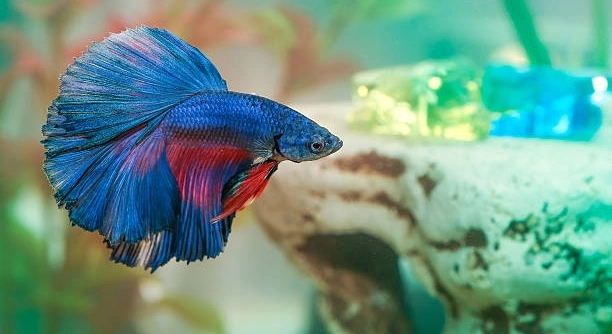
Regular water changes in your betta tank are an essential part of maintaining a healthy environment for your fish. Without this routine, harmful substances can build up, affecting both water quality and the fish’s well-being.
The primary benefit of regular water changes is the removal of waste, toxins, and debris, all of which can negatively affect your betta’s health. Consistent water changes help maintain stable water conditions, ensuring your betta remains active and vibrant.
Understanding the importance of water changes can lead to a healthier and happier betta. Maintaining clean water will ensure your fish thrives in a stable, safe environment.
Why Regular Water Changes Are Essential for Your Betta’s Health
Maintaining a clean tank is critical for your betta’s health. Over time, waste products such as fish excrement, uneaten food, and decaying plant matter accumulate. This can lead to harmful toxins building up in the water, such as ammonia, nitrites, and nitrates. These substances can stress your betta, weaken its immune system, and cause diseases. Regular water changes dilute these toxins, reducing the chances of health issues and creating a better living environment. A tank with consistently clean water will help your betta stay active, vibrant, and stress-free. Keeping the water at the right temperature and pH level also supports overall fish health.
The health of your betta fish largely depends on maintaining water quality. Dirty water can lead to illness and even early death. Ensuring your tank is clean regularly helps prevent these issues.
Water changes also help in maintaining the balance of beneficial bacteria in your tank. These bacteria break down waste and help keep the water safe for your fish. Over time, a stable environment can be created where your betta thrives, reducing the risk of common problems such as fin rot or swim bladder issues.
How Often Should You Change Your Betta’s Tank Water?
Water changes should be done at least once a week for a healthy tank.
It is recommended to change 25-30% of the water weekly. This prevents toxins from building up and keeps your betta’s environment fresh. For larger tanks or those with more fish, water changes may need to be more frequent. Always test your water parameters before and after changes to ensure the water remains balanced and safe.
The Right Way to Perform Water Changes
Start by preparing the new water with a dechlorinator before adding it to the tank. This ensures that chlorine, which is harmful to your betta, is neutralized. Temperature is also important—make sure the new water matches the tank’s temperature to avoid shocking your betta.
Use a siphon or gravel vacuum to remove waste and debris from the bottom of the tank. This tool makes it easier to clean the substrate while changing the water. Gently vacuum the gravel to avoid disturbing your betta too much. Always remove about 25-30% of the water, not more, to prevent stressing the fish.
After removing the old water, slowly add the new water to the tank. Pour it in gently to avoid disturbing your betta’s environment. Once the change is complete, check the water temperature, pH, and other parameters to make sure they are within the ideal range for your betta.
The Benefits of Regular Water Testing
Testing your tank water regularly is just as important as performing water changes. Ammonia, nitrites, and nitrates can build up unnoticed, so checking the levels helps you stay on top of water quality. Regular tests can also help you adjust the frequency of water changes as needed.
Using an aquarium water test kit, you can monitor the levels of harmful substances. Ammonia should always be at 0 ppm (parts per million), as it can be toxic to bettas even in small amounts. Nitrites and nitrates should also be monitored. Excessive levels of nitrates can lead to algae growth and health problems.
By testing your water regularly, you can ensure that it stays safe for your betta. If levels are off, you’ll be able to adjust the water change schedule, or take corrective action, to restore the balance. Regular testing is a simple yet effective way to maintain the health of your fish.
What Happens if You Don’t Change the Water Regularly?
Without regular water changes, toxins like ammonia and nitrites can build up, stressing your betta. This leads to poor health and can cause diseases such as fin rot or ich. Your betta may also become less active and show signs of lethargy.
When the water isn’t changed often enough, harmful substances affect the tank environment. The buildup of debris from uneaten food or waste can make it harder for beneficial bacteria to thrive. The result is poor water quality, which affects your betta’s immune system and overall vitality.
The Impact of Overchanging Water
Changing too much water too frequently can disrupt the tank’s balance. Your betta can become stressed from sudden changes in temperature, water chemistry, or pH levels. This can weaken their immune system and make them more susceptible to illness.
A large, sudden water change may remove beneficial bacteria that help break down toxins, leaving your tank more susceptible to harmful substances. This can cause a cycle of water quality issues, putting additional strain on your betta. Be mindful of how much you change each time.
The Right Tank Size for Betta Fish
Betta fish need at least a 5-gallon tank to thrive. Smaller tanks are more challenging to maintain and require more frequent water changes. A larger tank helps keep the water stable, reducing the risk of toxins building up.
A 5-gallon tank provides more space for your betta to swim, and it’s easier to manage the water quality. With a proper filtration system, it becomes less challenging to maintain the right water conditions.
FAQ
How often should I change the water in my betta’s tank?
You should change the water in your betta’s tank about 25-30% once a week. This helps maintain water quality and ensures your betta remains healthy. If you have a larger tank or more fish, you may need to adjust the frequency slightly.
Can I just top off the water instead of doing a full water change?
Topping off the tank can be done between full water changes, but it doesn’t remove toxins, waste, or excess nutrients. While topping off can help maintain water levels, it is essential to do regular water changes to ensure the overall health of your betta and its environment.
Do I need to clean the tank when I do a water change?
Yes, it’s a good idea to clean the tank while doing a water change. Use a gravel vacuum to remove debris and waste from the substrate. Wipe the walls of the tank to prevent algae buildup. Just be gentle when cleaning to avoid stressing your betta.
Can I change all the water at once?
Changing all the water at once is not recommended. Doing so can cause dramatic shifts in water temperature, pH, and other parameters, which could stress your betta. Stick to changing about 25-30% of the water weekly to avoid upsetting the tank’s balance.
What type of water should I use for my betta’s tank?
Use dechlorinated tap water or bottled spring water for your betta’s tank. Tap water usually contains chlorine, which can harm your betta. Always treat tap water with a dechlorinator before adding it to the tank. Make sure the water’s temperature and pH match the tank’s conditions.
Is it necessary to use a water conditioner when changing the water?
Yes, always use a water conditioner when changing your betta’s tank water. It helps remove chlorine, chloramine, and heavy metals, which can be harmful to your betta. Using a conditioner ensures the water is safe for your fish to live in.
How can I tell if the water in my betta’s tank is bad?
If the water looks cloudy, has a foul smell, or your betta shows signs of stress (like lethargy or abnormal swimming), the water may be bad. Testing for ammonia, nitrites, and nitrates can also help determine water quality. Poor water conditions can lead to illness and stress for your betta.
What if I forget to do a water change for a week?
If you miss a week of water changes, it’s important to do one as soon as possible. Check the water parameters and do a partial change to bring the levels back to a safe range. The longer you wait, the more toxins may accumulate, which could harm your betta.
Can I use a filter to reduce the need for water changes?
While a filter helps maintain water quality by removing debris and waste, it does not eliminate the need for regular water changes. A filter doesn’t remove all toxins, and the buildup of waste in the tank will still need to be managed through water changes. Filters are useful but not a substitute for regular maintenance.
How do I keep my betta’s tank clean between water changes?
To keep your betta’s tank clean, remove uneaten food, clean the substrate with a gravel vacuum, and wipe down the tank walls regularly. Avoid overfeeding, as leftover food can decompose and pollute the water. Keeping the tank clean in between water changes helps reduce the need for frequent large changes.
Can I add any plants to my betta’s tank to help with water quality?
Yes, live plants can help improve water quality by absorbing excess nutrients, reducing algae growth, and providing oxygen. Plants like Java fern, Anubias, and Amazon swords are great options for betta tanks. Just make sure the plants are safe for bettas and won’t harm their fins.
How can I adjust the pH of the water if it’s off?
If the pH is too high or too low, you can use commercial pH adjusters available at pet stores. Be sure to follow the instructions carefully, as drastic changes in pH can stress your betta. You can also adjust pH naturally by adding driftwood or specific types of plants.
Should I be concerned about nitrate levels in the tank?
Yes, high nitrate levels can be harmful to your betta. Regular water changes help reduce nitrates and keep them at safe levels. If nitrate levels rise, it could be a sign that water changes aren’t frequent enough or there’s an issue with filtration. Keep an eye on nitrate levels with regular testing.
What temperature should the water be for my betta?
Betta fish thrive in water that is between 76°F and 82°F (24°C to 28°C). Make sure the temperature remains consistent to prevent stress. Use a reliable aquarium heater to maintain the right temperature, especially during cooler months. Drastic temperature fluctuations can harm your betta’s health.
Can I use tap water for my betta tank if I don’t have access to bottled water?
You can use tap water, but you must treat it with a dechlorinator before adding it to the tank. Tap water often contains chlorine and chloramine, which can be toxic to your betta. Using a water conditioner will make it safe for your fish to live in.
How long does it take for the water in my betta tank to become toxic?
The water can become toxic within a few days, depending on how much waste accumulates and whether there’s a filtration system in place. Ammonia levels can rise quickly in a tank without proper water changes. That’s why it’s essential to change the water regularly to maintain a safe environment.
Can I keep my betta in a small tank with no filter?
While a smaller tank without a filter can work, it requires more frequent water changes. A tank under 5 gallons can quickly build up toxins, and without a filter to help, you’ll need to clean it more often to maintain water quality.
Final Thoughts
Maintaining your betta’s tank with regular water changes is crucial for its overall health. Water changes help to keep the tank clean by removing harmful toxins, such as ammonia and nitrites, that build up from waste and uneaten food. Without regular maintenance, the water quality will deteriorate, which can lead to stress and illness in your betta. By changing 25-30% of the water once a week, you ensure that the tank remains a safe and clean environment for your fish.
In addition to regular water changes, the size of the tank and the presence of a filter can make a significant difference in your betta’s well-being. A 5-gallon tank is the minimum recommended size, as smaller tanks are harder to keep stable and may require more frequent changes. A good filtration system can help reduce the number of water changes needed, but it doesn’t eliminate the need entirely. Even with a filter, you’ll still need to perform regular water changes to ensure optimal water quality. It’s important to balance between providing enough space for your betta and using the right equipment to maintain a stable environment.
While it may seem like a lot of effort, keeping up with water changes and maintaining your betta’s tank is worth it. A healthy betta will be more active, have vibrant colors, and live a longer, happier life. Regular water changes not only improve the water quality but also help you spot potential issues before they become serious. By following a simple routine, you can create a thriving environment for your betta and enjoy watching it flourish. Taking care of your betta’s tank is a small effort that leads to long-term benefits for both you and your fish.

Hello,
If you enjoy the content that we create, please consider saying a "Thank You!" by leaving a tip.
Every little bit helps us continue crafting quality advice that supports the health, happiness, and well-being of pets around the world, for pets of all shapes, sizes, and species.
We really appreciate the kindness and support that you show us!