
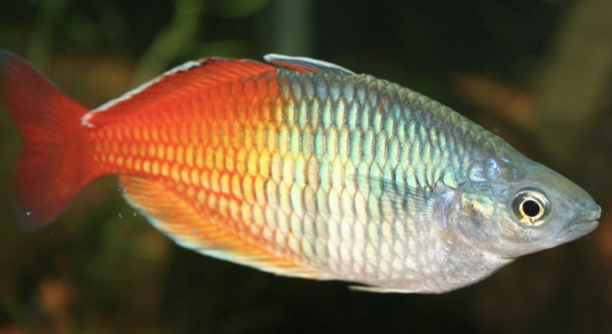
Do you ever find yourself setting up a tank for rainbow fish and wondering if floating plants should be part of the layout?
Using floating plants for rainbow fish is generally beneficial. These plants provide cover, reduce light intensity, and support a more natural environment. They can also improve water quality by absorbing excess nutrients and offering breeding comfort.
Adding floating plants can enhance both the health of your rainbow fish and the beauty of your tank setup.
Why Floating Plants Help Rainbow Fish Thrive
Floating plants bring a calm and natural feel to aquariums. For rainbow fish, this type of cover helps reduce stress by breaking up strong lighting and giving them areas to retreat. Since rainbow fish are active swimmers, the plants don’t get in their way but offer a bit of privacy and shade. The roots from floating plants can also trap fine particles in the water, keeping things cleaner. In tanks with floating plants, rainbow fish often display better colors and interact more confidently. These plants also support micro-life, giving fry and smaller fish extra food sources. With the added benefit of absorbing waste nutrients, floating plants contribute to water stability, which rainbow fish appreciate. Low-maintenance options like duckweed, frogbit, and water lettuce are commonly used. These varieties grow quickly and don’t require planting. With just a little trimming now and then, they keep your aquarium looking full and balanced.
Floating plants are useful for new and experienced keepers. They benefit both water quality and fish behavior without needing complex care.
Choosing floating plants is an easy way to improve your setup. Your rainbow fish will likely respond with brighter colors and calmer swimming patterns in return.
Things to Consider Before Adding Floating Plants
Not every floating plant works well in every tank. You’ll want to choose species that won’t block too much light or grow too fast.
If your tank has other live plants, be careful not to create too much shade. Some floating plants, like duckweed, can quickly cover the surface and block light from reaching below. This can slow the growth of rooted plants and change the way your tank functions. A good way to manage this is by using floating rings or barriers to contain the spread. Also, make sure your filter doesn’t push the plants around too much. Some species don’t do well with strong surface movement and may break apart or get pulled into the intake. Keep an eye on water flow and placement. Finally, remember that floating plants can lower oxygen levels at night when they’re not photosynthesizing. In tanks that are already heavily stocked or low in surface agitation, it’s a good idea to monitor oxygen levels, especially in the early morning hours. With a few adjustments, most floating plants can become a low-effort, high-reward part of your rainbow fish habitat.
Best Floating Plant Options for Rainbow Fish Tanks
Smaller floating plants like frogbit and red root floaters are ideal because they grow at a moderate pace and don’t block too much light. Their dangling roots offer natural hiding spots without taking over the tank surface too quickly.
Frogbit is a favorite among many keepers. It has round, thick leaves that float gently while producing long roots that hang down into the water. These roots give rainbow fish fry extra places to hide and feel secure. Frogbit grows well under medium light and doesn’t need CO₂ or fertilizers to stay healthy. It’s easy to trim, and it doesn’t fall apart like duckweed often does. If the plant spreads too far, it can be gently scooped out by hand. Frogbit works in both peaceful community tanks and planted setups, making it a great fit for rainbow fish tanks that have moderate water movement.
Red root floaters are another strong choice, especially for tanks with good lighting. They develop a reddish tint under bright light, adding color contrast to the surface. Their roots grow long and thick, creating a curtain effect that fish enjoy weaving through. Unlike duckweed, these floaters are easier to control and remove if needed. They grow best in stable water with gentle flow. If your filter pushes too much current, you can use floating rings or plant barriers to keep them in place. They also respond well to low-nutrient water, which helps slow their spread. These floaters add a warm, natural look that enhances a rainbow fish display.
Maintenance Tips for Floating Plants in Fish Tanks
You’ll need to check the plant spread regularly and remove excess growth. If left unmanaged, some plants can block light and reduce oxygen exchange, especially in tanks without surface movement.
Trimming and managing floating plants is easy once you build it into your routine. Once a week, check how much of the tank’s surface is covered. Aim to keep about half the surface open for gas exchange and lighting needs. You can remove extra growth by scooping plants out gently with a small net. Keep an eye on roots, too—trim them if they get too long and start tangling with equipment. Some plants shed debris, so skim off dead leaves to keep water clear. Also, rinse plants under tank water during water changes to prevent algae buildup. Avoid letting fast-growing plants like duckweed take over unless you want constant upkeep. With light care, your floating plants will stay healthy and balanced.
How Floating Plants Affect Tank Lighting and Growth
Floating plants reduce light penetration, which can help control algae and make fish feel more secure. However, they can also shade rooted plants below, slowing their growth if not trimmed or thinned out regularly.
In tanks with a lot of light, floating plants act like a natural filter. They soften the brightness and create a more relaxed space for rainbow fish. But if the plants spread too far, the lower parts of your tank might not get enough light. This can make some aquarium plants grow slowly or lose color. Keeping a balance is key.
Are Floating Plants Safe for All Fish?
Most floating plants are completely safe for rainbow fish and other peaceful species. However, some larger fish may eat or uproot them, so plant choice should match the tank’s stock.
Do Floating Plants Change Water Conditions?
Floating plants help stabilize water by absorbing excess nutrients like nitrates. This leads to cleaner water and fewer algae outbreaks, especially in tanks that are lightly stocked or moderately fed.
FAQ
Can rainbow fish live with floating plants?
Yes, rainbow fish can live peacefully with floating plants. In fact, they often benefit from them. Floating plants provide shelter and shade, which helps reduce stress. These plants also break up strong light, making the tank feel more natural. Rainbow fish are active swimmers, but they also enjoy having areas to explore or hide. The roots of floating plants create gentle barriers that make them feel secure. Just make sure the plants don’t cover the entire surface, as rainbow fish still need open space for feeding and breathing.
Do floating plants cause any problems in rainbow fish tanks?
Floating plants can cause problems if not maintained. Overgrowth may block light from reaching lower plants, and heavy plant mass can limit oxygen exchange at the water’s surface. Some species, like duckweed, spread quickly and become hard to control. If too many floating plants build up, it can reduce water circulation, and this may affect oxygen levels. The key is to monitor plant spread regularly. Trimming or removing excess is usually simple and keeps the balance right. Using a floating ring or boundary can also help manage plant placement.
How often should I trim floating plants?
Most floating plants should be checked weekly and trimmed when they begin to crowd the surface. Some species, like red root floaters and frogbit, grow at a moderate pace. You’ll want to remove some plants once they cover more than half the tank. Trimming roots is also helpful if they start reaching equipment or clogging filters. Keeping up with maintenance avoids blockages and helps light and air reach the water. Trimming can be done using small scissors or by hand, and removed plants can be composted or discarded safely.
Do floating plants help fry survival?
Yes, floating plants greatly improve fry survival. The long roots offer shelter where baby fish can hide from adult tankmates. They also help keep the water clean by absorbing excess nutrients, which supports healthy fry growth. The shaded areas beneath floating plants give fry a sense of security, reducing their stress. In breeding tanks or community tanks where fry are present, adding floating plants like salvinia or frogbit is a simple and effective way to protect young fish. Just make sure there’s still open space so food can reach them easily.
What lighting is best for floating plants?
Floating plants do well with moderate to high lighting. LED fixtures made for planted tanks usually work best. Some plants, like red root floaters, change color with stronger light, adding a nice look to your tank. However, too much light can cause algae growth if nutrients aren’t balanced. It’s helpful to keep a steady light schedule, usually 6 to 8 hours a day. If your plants are turning yellow or melting, try adjusting the light intensity or duration. Avoid placing your tank in direct sunlight, as that can make growth harder to control.
Are floating plants better than rooted plants for beginners?
Floating plants are often easier for beginners because they don’t require planting in substrate. They grow fast, need little care, and can survive in a range of water conditions. Unlike rooted plants, they don’t need special fertilizers or CO₂. They’re also easier to remove if things go wrong. However, floating plants still need trimming and attention, especially in smaller tanks. Many aquarists start with floaters before trying more demanding aquatic plants. If you’re just beginning, try frogbit or water lettuce for a low-effort start.
Can floating plants help reduce algae?
Yes, floating plants help reduce algae by competing for the same nutrients. As they absorb nitrates and phosphates from the water, there’s less available for algae to grow. Their surface cover also limits how much light reaches the tank floor, which slows down algae spread. If your tank has algae issues, adding floating plants can be part of the solution. Just remember to avoid overcrowding, since too much surface coverage can block light needed by other plants or affect gas exchange. A mix of floating plants and consistent care gives the best results.
Do floating plants affect water flow in the tank?
Floating plants can affect surface water flow, especially in tanks with gentle filtration. Large clusters or long roots can block output from filters or spread into intakes. This may reduce circulation and cause uneven temperature or oxygen levels. To prevent this, you can use plant rings, surface skimmers, or barriers that keep plants in one part of the tank. It’s also a good idea to clean the filter more often when using floaters. Managing their spread ensures that your water stays clear and that all areas of the tank receive enough flow.
Final Thoughts
Floating plants can be a helpful addition to a rainbow fish tank. They create shaded areas, which makes the environment feel calmer and more natural for the fish. The hanging roots give rainbow fish places to explore and swim through, helping them stay active and curious. These plants also help improve water quality by soaking up excess nutrients and offering some oxygen. While not all floating plants are the same, many can grow well with just moderate lighting and simple care. If you’re looking to make your tank more balanced and peaceful, floating plants can support that goal.
That said, floating plants do come with a few challenges. If they grow too quickly or cover too much of the surface, they can block light and make it harder for other plants to survive. Some species, like duckweed, are known to spread fast and may take over if not trimmed often. Heavy plant coverage can also limit surface movement and reduce oxygen exchange. To keep things under control, it’s important to trim regularly and watch how the plants behave in your setup. A simple floating ring can help keep the plants in one area so they don’t interfere with feeding or filtration. Managing them takes a little time, but it’s not hard once you get into a routine.
In the end, floating plants are a useful and natural option for rainbow fish tanks, especially if you enjoy keeping the setup calm and visually interesting. They work well with the active nature of rainbow fish while helping to reduce stress and improve tank conditions. Whether you’re a beginner or have more experience, these plants offer a low-effort way to make your tank healthier. As long as you stay on top of basic maintenance, floating plants can be a simple and rewarding choice. Try starting with one or two species to see how they grow and how your fish respond. Once you find the right balance, both your plants and fish will likely thrive.

Hello,
If you enjoy the content that we create, please consider saying a "Thank You!" by leaving a tip.
Every little bit helps us continue crafting quality advice that supports the health, happiness, and well-being of pets around the world, for pets of all shapes, sizes, and species.
We really appreciate the kindness and support that you show us!