
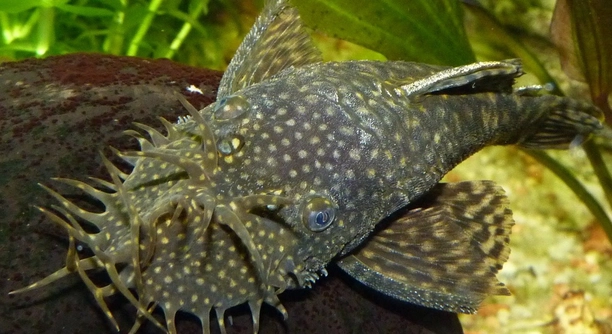
Choosing the right substrate for your Plecos can impact their well-being. Many factors play a role in making the best decision, including water parameters and the aesthetic appeal of the tank. The substrate can significantly affect their behavior.
Using dark substrate for Plecos has several benefits. It creates a natural environment that mimics their native habitats, promoting comfort and reduced stress. Additionally, dark substrates enhance the Plecos’ coloration and encourage natural foraging behaviors.
Understanding how different substrates affect your Pleco’s habitat is essential. Proper substrate choices ensure they thrive and stay healthy in their aquarium environment.
Benefits of Dark Substrate for Plecos
Dark substrate is often favored by Pleco owners because it mimics the environments these fish are naturally found in. In the wild, Plecos inhabit areas with low light and dark riverbeds. The dark substrate helps recreate this setting, allowing them to feel more secure and less stressed. It also enhances the natural colors of the Plecos, bringing out the vibrancy of their skin tones. In addition to its aesthetic appeal, dark substrate can improve the overall water quality by helping to maintain a stable environment. The dark color absorbs light, which helps reduce algae growth, keeping your tank cleaner for longer.
A dark substrate helps Plecos feel secure, encouraging more active behavior and reducing stress. This can be beneficial to their health, as stressed fish are more susceptible to diseases and other health problems. The subtle, darker tones of the substrate blend well with any other decorations you choose, creating a visually calming and cohesive aquarium environment.
Moreover, dark substrates encourage natural behaviors in Plecos, such as grazing and foraging. This promotes both physical and mental stimulation, leading to healthier fish overall.
Maintaining a Balanced Environment
While dark substrate has advantages, it’s important to monitor water quality regularly. As with any substrate, dark materials can trap waste particles over time. Regular cleaning and water changes are essential to maintain a healthy tank environment. Without proper maintenance, water quality can deteriorate, potentially affecting the health of your Plecos.
Maintaining an appropriate balance between substrate, water conditions, and tank cleanliness is key to ensuring your Plecos thrive. Consider the benefits of dark substrates, but also think about the amount of work required to maintain it. If you’re prepared to clean and monitor the tank, dark substrate is a worthwhile choice for the health and well-being of your Plecos.
Choosing the Right Dark Substrate
When selecting a dark substrate, it’s important to choose a material that doesn’t release harmful substances into the water. Materials like black sand, fine gravel, or nutrient-rich options work well. Avoid substrates with sharp edges, as they can harm the delicate skin of your Plecos.
A fine-textured dark substrate will not only help to maintain a cleaner tank but also promote natural behaviors in your Plecos. The smooth surface allows them to burrow and sift through it, which is a behavior they would display in the wild. Sand and fine gravel can also help with filtration by allowing debris to settle more easily. The key is to find a substrate that offers a good balance between aesthetics and function. Dark sand, for instance, is easy to clean and provides a natural look. Always consider the long-term maintenance and the needs of your Plecos when choosing a substrate.
It’s also vital to ensure that the dark substrate does not disturb the water’s pH or hardness. If your water parameters are sensitive, choose a substrate that doesn’t alter them. Many fine-grain substrates, such as black sand, are ideal because they won’t change the chemistry of the tank. By choosing the right substrate, you create a more stable and comfortable environment for your Plecos, encouraging their health and well-being.
Substrate Maintenance Tips
Maintaining dark substrate requires regular cleaning to prevent debris buildup. Over time, waste, uneaten food, and algae can accumulate. Use a gravel vacuum to gently clean the substrate during water changes, making sure to remove excess debris.
Be mindful of the substrate’s depth, as too much can trap dirt and waste beneath the surface. Aim for a thin layer to allow for proper water circulation. You may need to stir it occasionally to prevent compacting. It’s essential to strike a balance between providing enough depth for your Plecos to engage in natural behaviors and maintaining ease of cleaning. When cleaning, avoid disturbing the Plecos too much, as they can become stressed.
Substrate cleaning should be part of your routine tank maintenance. Keeping your Plecos’ environment clean and free from waste will help maintain water quality and overall health. Regularly monitor the substrate for any signs of compaction or debris buildup that could affect the tank’s balance.
Cost of Dark Substrates
Dark substrates can vary in price depending on the material. Black sand tends to be more affordable, while premium options like volcanic rock or fine gravel can cost more. Choose based on your budget and the needs of your Plecos.
Although premium dark substrates might be more expensive, they can provide long-term benefits. Higher-quality materials tend to last longer without breaking down or altering the water chemistry. If you’re looking for something that enhances the tank’s appearance and pleases your Plecos, investing in a higher-quality substrate may be worth the extra cost. Always factor in long-term maintenance costs as well.
Potential Drawbacks
Dark substrates can sometimes accentuate algae growth, especially if your tank receives high amounts of light. This can lead to frequent cleaning, as algae may accumulate on the surface. Keeping a consistent cleaning routine is essential for managing this issue.
Alternatives to Dark Substrates
If dark substrates don’t appeal to you or you want something different, there are several alternatives. Light-colored gravel, pebbles, or natural stones can also work for Plecos. These options still provide a natural environment without the potential for overemphasizing algae.
FAQ
Should I use dark substrate for all types of Plecos?
Not all Plecos will benefit equally from dark substrates. While species like the common Pleco, which comes from low-light environments, may thrive with dark substrates, others may not require it. However, most Plecos do tend to feel more secure and comfortable with darker surfaces, as it mimics their natural habitats. Consider the specific species you’re keeping, as some may prefer lighter-colored substrates or a mix.
Is dark substrate harder to clean than lighter substrate?
Dark substrates are not necessarily harder to clean than lighter ones. However, it’s true that dark materials, especially sand, can highlight waste and debris more easily, making cleaning seem more frequent. With proper maintenance, such as using a gravel vacuum to gently remove waste during water changes, keeping dark substrates clean should not be difficult. Just be sure to stir the substrate occasionally to prevent compacting.
Will dark substrate affect my tank’s pH or water hardness?
Certain types of dark substrate, such as black lava rock, can alter the water’s pH or hardness. However, materials like black sand and fine gravel are typically neutral, meaning they won’t affect your water chemistry. Before adding any substrate to your tank, it’s a good idea to check the specific material for any impact on water parameters. If you’re concerned, choose a substrate that’s labeled as pH-neutral to ensure the water remains stable.
Can Plecos see well on dark substrate?
Yes, Plecos can see well on dark substrates. In their natural habitat, these fish often live in low-light conditions, such as caves and under rocks. Their eyes are adapted to these environments, so the dark substrate actually creates a more natural and comfortable environment for them. Additionally, dark substrates bring out the colors of the Plecos, making them more visible and aesthetically pleasing in the tank.
How often should I replace dark substrate in my tank?
Dark substrate does not need to be replaced regularly unless it becomes damaged, overly compacted, or heavily soiled. Typically, you can keep the same substrate for years, as long as you maintain it well through regular cleaning and water changes. However, over time, some materials may degrade or accumulate waste that can’t be easily cleaned. If you notice your substrate affecting water quality, consider replacing it.
Can I mix dark substrate with other colors?
Mixing dark substrate with lighter materials can create an interesting and dynamic look for your aquarium. However, it’s important to ensure that the mix still benefits the Plecos. Dark substrates provide a comfortable and secure environment for these fish, while light-colored materials might be more visually appealing for you. If you mix them, be mindful of the texture, as Plecos may prefer softer, finer grains to avoid irritation.
What’s the best dark substrate for Plecos?
The best dark substrate for Plecos is typically one that is fine-grained, soft, and easy to clean. Black sand is a popular option, as it mimics natural riverbeds and doesn’t affect water chemistry. Lava rock, while slightly coarser, can also be a good choice due to its natural appearance and ability to maintain water quality. Make sure to choose a substrate that aligns with your Plecos’ needs, considering both their behavior and the aesthetic of your tank.
Can I use dark substrate in a tank with live plants?
Yes, dark substrate can be used in tanks with live plants, but it’s important to choose one that supports plant growth. Fine gravel or sand can be used, but if you’re growing plants that require nutrient-rich substrate, you may need to supplement with plant fertilizers. Look for dark substrates specifically labeled as suitable for planted aquariums. They often have the right balance of nutrients, allowing your plants to grow while still providing a good environment for your Plecos.
Will dark substrate make my tank look too dark?
Dark substrates can make your tank look darker, but this effect can be countered with proper lighting. Use aquarium lights with adjustable intensity to ensure the tank doesn’t feel too dim. Adding plants, rocks, or decorations can also help brighten up the tank without affecting the natural look created by the dark substrate. When lighting is done correctly, the dark substrate will enhance the overall aesthetics of the tank.
Is dark substrate better for breeding Plecos?
Dark substrate can encourage breeding in some Pleco species. The subdued lighting and natural look can create a more comfortable and secure environment, which may reduce stress and encourage breeding behavior. However, other factors like water temperature, water quality, and the availability of caves or hiding spots are more important for breeding success. Dark substrate can help create a more natural setting, but it’s not the only factor that determines whether your Plecos will breed.
Does dark substrate help with algae control?
Dark substrates can help reduce algae growth indirectly. The dark color absorbs more light, which limits the amount of light reaching the water’s surface. Since algae thrive in bright conditions, this can reduce the overall growth of algae in your tank. However, it’s important to maintain a proper balance of lighting and ensure good water circulation to minimize algae buildup altogether. Regular tank maintenance and cleaning are still necessary to keep algae under control.
Can Plecos live with other fish on dark substrate?
Plecos can coexist with many other fish species, regardless of whether the substrate is dark or light. The key is ensuring the other fish are compatible in terms of water conditions and temperament. Dark substrates can create a peaceful and natural setting that encourages Plecos to exhibit their natural behaviors. When selecting tankmates, focus on compatibility factors like size, aggression levels, and tank conditions rather than the substrate.
Does dark substrate affect fish health in general?
Dark substrate, when chosen correctly, does not negatively impact fish health. In fact, it can help reduce stress by providing a more natural environment for many species, including Plecos. It is essential, however, to choose a substrate that doesn’t release harmful chemicals and to clean it regularly. Poorly maintained substrate, dark or light, can negatively impact the health of your fish by affecting water quality. Regular tank maintenance and monitoring are key to keeping the tank environment healthy.
Can I use dark substrate with shrimp and snails?
Dark substrates can be used with shrimp and snails, as long as the material is smooth and not too abrasive. Black sand, for example, works well with these species, providing them with a natural and secure environment. Just be sure the substrate isn’t too sharp, as it could hurt the delicate bodies of snails or shrimp. Always monitor water quality, as dark substrates can sometimes trap waste, potentially affecting water parameters.
What is the best way to maintain water quality with dark substrate?
To maintain water quality with dark substrate, it’s crucial to perform regular water changes and substrate cleaning. Use a gravel vacuum to remove waste and debris from the surface and ensure the substrate doesn’t compact over time. Keep an eye on water parameters, such as ammonia, nitrate, and pH, and make adjustments as needed. Additionally, a good filtration system can help keep water quality stable by removing toxins and maintaining proper circulation.
Final Thoughts
Choosing the right substrate for your Plecos is an important decision that can affect their health and overall comfort in the aquarium. While dark substrates can enhance the aesthetic appeal of your tank, they also offer benefits such as mimicking the natural environment of Plecos. These fish are often found in low-light, rocky habitats, so a dark substrate helps them feel secure. Additionally, dark substrates can highlight the colors of the Plecos and make them more visible. However, it’s important to consider the specific needs of your Plecos and the long-term care involved in maintaining the substrate.
When selecting a dark substrate, it’s crucial to choose one that is safe and easy to maintain. Materials like black sand and volcanic rock are popular options. Black sand is often preferred because of its fine texture, which allows Plecos to sift through it easily. Volcanic rock, while slightly coarser, can provide natural hiding spots and beneficial bacteria growth. Always ensure that the substrate you choose does not negatively impact water parameters like pH or hardness, as this can affect the health of your Plecos and other tank inhabitants. Regular cleaning and maintenance will also be required to keep the tank looking good and the water quality high.
Ultimately, whether or not you use a dark substrate comes down to personal preference and the needs of your Plecos. Dark substrates can provide a natural and comfortable environment for many species, but they are not the only option. Light-colored or natural substrates can also support the health of Plecos and enhance the beauty of the tank. No matter what you choose, it’s important to create a balanced environment with good water quality, proper lighting, and enough hiding spots for your Plecos. By keeping these factors in mind, you can ensure that your aquarium remains a healthy and attractive home for your fish.

Hello,
If you enjoy the content that we create, please consider saying a "Thank You!" by leaving a tip.
Every little bit helps us continue crafting quality advice that supports the health, happiness, and well-being of pets around the world, for pets of all shapes, sizes, and species.
We really appreciate the kindness and support that you show us!