
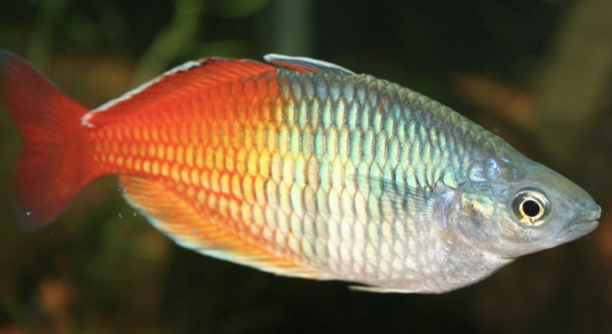
Are your rainbow fish swimming in a tank filled with bright, colorful gravel that matches their vibrant appearance? Some fishkeepers enjoy the cheerful look, but it’s important to consider how it affects the fish.
Using colored gravel for rainbow fish is not harmful if it is aquarium-safe and non-toxic. However, natural substrates are generally better for reducing stress and supporting more natural behaviors in these sensitive and colorful freshwater fish.
Choosing the right gravel involves more than aesthetics—tank health, stress levels, and fish behavior all play a role in your decision.
Why Substrate Choice Matters for Rainbow Fish
Rainbow fish are active swimmers that enjoy a peaceful and clean environment. Their colors shine best under natural lighting and against subtle backdrops. While colored gravel can look fun, it might not support the calm setting they need. Some dyes used in cheap gravel can leach into the water, affecting its quality. Even if labeled “aquarium-safe,” the brightness of artificial gravel may create visual stress for certain species. A natural-looking substrate, such as sand or fine gravel in neutral tones, better mimics their native environment and can support a healthier tank atmosphere overall.
Bright substrates may distract from their natural beauty. A neutral base can help highlight their colors without overwhelming them.
A clean and simple substrate can help you notice waste buildup more easily, making maintenance simpler. That also helps keep the water conditions stable, which rainbow fish appreciate. They don’t need complicated setups, just thoughtful care.
Things to Watch When Using Colored Gravel
Colored gravel can sometimes hide waste, making cleaning more difficult and affecting water quality over time.
If you choose to use colored gravel, make sure it’s clearly labeled as non-toxic and designed for aquariums. Rinse it thoroughly before adding it to the tank. Keep an eye on your rainbow fish during the first few weeks after changing the substrate. Watch for signs of stress such as duller coloring, erratic swimming, or hiding more often than usual. Colored gravel that’s too reflective or bright can contribute to overstimulation in sensitive species. If your fish seem unsettled, consider replacing the gravel with something more natural. Regular gravel vacuuming is also important, as waste and food particles tend to build up between stones. Colored gravel may require more frequent cleaning if it makes waste harder to spot. The choice doesn’t have to be permanent—just make adjustments based on what keeps your fish calm and active.
How Colored Gravel Affects Fish Behavior
Rainbow fish tend to thrive in stable, calm settings with soft lighting and minimal visual clutter. Gravel that is too vibrant can sometimes overstimulate them, especially if the colors are unnatural or highly reflective.
Brightly colored gravel may change how your rainbow fish behave. You might notice them hiding more often, swimming in quick spurts, or even losing some of their color. These signs could indicate they’re feeling overwhelmed by their surroundings. Fish rely on visual cues in their environment, and overly bold gravel may confuse or stress them. It’s also worth noting that some fish prefer specific substrate colors for spawning or territory. Using something too flashy can disrupt that. If behavior seems unusual, consider switching to neutral-toned gravel that mimics their natural habitat. This can help bring back more typical, relaxed behavior and stable social interaction among your fish.
Behavioral changes caused by colored gravel may not always show up right away. Sometimes it takes a few days or even weeks to notice a difference. You may also see increased aggression if the fish feel exposed or unsettled. Natural gravel often allows for a better sense of security and space, which helps reduce conflict. Pay attention to their habits, especially feeding and schooling behavior. Rainbow fish usually swim together smoothly and display vibrant colors when they feel secure. If their patterns change, think about the environment. Subtle substrate changes can go a long way toward improving their comfort in the tank.
Cleaning and Maintenance Considerations
Colored gravel can hide dirt more easily, which may make the tank look clean while debris builds up below the surface. This can gradually affect water quality if not cleaned consistently and thoroughly.
When using colored gravel, you may need to adjust your cleaning routine. Vacuum the substrate more often and use a gravel cleaner with a strong siphon to pull waste from between the pieces. Colored gravel can be more difficult to assess visually, especially if it’s bright or multi-colored, making it harder to see leftover food or fish waste. These leftovers can lead to ammonia spikes if left unchecked. Keeping the substrate clean becomes even more important in smaller tanks, where water quality changes quickly. Rinsing gravel before first use is essential, as some products come coated in dust or small particles that cloud the water. Always check for any signs of color fading or leaching, especially in newer or cheaper brands.
Choosing Safe Gravel Products
Stick to gravel labeled specifically for aquarium use. These products are made to be safe for fish and won’t release harmful chemicals into the water. Avoid craft store gravel or anything not designed for aquatic environments.
Rinse all gravel thoroughly before placing it in the tank. This helps remove dust, debris, and any loose particles that could cloud the water or affect filtration. Even safe gravel can carry residue from packaging.
Lighting and Gravel Color Interaction
Lighting plays a big role in how gravel color affects your tank. Bright LED lights combined with neon or reflective gravel can create a harsh, intense look that might stress your fish. Natural or soft-colored gravel works better with most lighting setups, helping create a calmer, more balanced feel in the tank. It also makes it easier to spot algae or waste buildup, which helps with overall maintenance. Rainbow fish tend to look more vibrant when their surroundings aren’t too distracting, so a softer substrate can actually enhance their color without overwhelming their environment.
Final Thoughts on Substrate Color
If you want to highlight your rainbow fish, choose a gravel color that complements their natural beauty without overpowering them.
FAQ
Should I choose bright or natural-colored gravel for my rainbow fish tank?
Natural-colored gravel is often the best choice for rainbow fish. Bright or neon-colored gravel can overwhelm their sensitive vision and make them feel stressed. Natural tones like beige, brown, or gray provide a more calming environment and can enhance the fish’s vibrant colors. It also helps keep the tank’s overall appearance more balanced and easier to maintain. If you prefer something brighter, choose muted colors that won’t distract from the fish’s natural beauty. A calm, neutral substrate makes your fish feel more at home and allows their colors to shine.
Is colored gravel harmful to rainbow fish?
Colored gravel itself is not inherently harmful if it’s aquarium-safe and properly cleaned. However, cheaper gravel might contain harmful dyes or coatings that could leach into the water and negatively affect the fish. Always ensure that the gravel you choose is labeled as non-toxic for aquatic environments. Even safe gravel can cause problems if it’s not rinsed well before use, as dust and particles can cloud the water and harm fish. If you notice changes in your fish’s behavior, it might be worth switching to a more natural substrate.
Can gravel affect water quality in my aquarium?
Yes, gravel can impact water quality. If the gravel is too large, it can trap debris, uneaten food, and fish waste, which can lead to poor water conditions and potentially dangerous spikes in ammonia or nitrite levels. Smaller, finer gravel or sand may be easier to clean and can prevent waste from getting trapped. Regular maintenance is essential to keep your gravel clean. It’s also important to monitor water parameters closely, especially in smaller tanks, as they can change quickly with a build-up of waste.
How often should I clean the gravel in my rainbow fish tank?
You should clean the gravel regularly, ideally once a week, depending on the size of the tank and the number of fish. Use a gravel vacuum to remove waste and debris from the surface and the spaces between the rocks. Be sure to avoid disturbing the substrate too much, as this can release trapped waste back into the water. If you have a heavily planted tank or fewer fish, you may need to clean the gravel less often. However, if you have a high fish load or a smaller tank, you may need to clean it more frequently.
Can rainbow fish live with brightly colored gravel?
Rainbow fish can live with brightly colored gravel, but it might not be ideal for their well-being. While they can tolerate it, overly bright or reflective substrates can cause stress, affect their behavior, and potentially lead to health issues. If you prefer to use colored gravel, choose a subdued tone that complements the fish without overwhelming them. It’s also essential to monitor the fish closely for signs of stress, such as erratic swimming or fading color. If these behaviors occur, consider switching to a more natural substrate that better suits their needs.
What type of gravel is best for rainbow fish?
The best type of gravel for rainbow fish is smooth, rounded gravel that’s small enough to avoid damaging their delicate fins. Avoid sharp-edged or overly large rocks, as they can hurt the fish. Gravel with a grain size between 1-3 mm is ideal. Natural-colored gravel like light gray, brown, or sand will create a more natural habitat for your fish and help them feel secure. It also allows for better waste removal and won’t trap food particles as easily as larger or coarser gravel. A natural substrate also helps to maintain water clarity.
Can rainbow fish breed in a tank with colored gravel?
Rainbow fish can breed in a tank with colored gravel, but it’s not the most ideal setting. A neutral or natural substrate mimics their natural environment and helps reduce stress during breeding. The fish prefer a calmer environment with soft lighting and a stable substrate to encourage natural spawning behaviors. While colored gravel won’t necessarily prevent breeding, it might create an unnerving environment for the fish, leading to less successful spawning attempts. If you want to encourage breeding, consider switching to a more natural substrate and maintaining optimal water conditions.
What are the signs of stress in rainbow fish from colored gravel?
Signs of stress in rainbow fish from colored gravel can include faded colors, erratic swimming patterns, hiding, or staying near the bottom of the tank. These fish are sensitive to changes in their environment, and bright or reflective gravel can overwhelm them. If you notice any of these behaviors, it’s a good idea to observe your fish more closely and adjust the substrate if necessary. Stress can also manifest in reduced appetite, so be sure to monitor their feeding habits. It’s important to maintain a calm, stable environment to keep your fish healthy and vibrant.
Does gravel color affect the appearance of rainbow fish?
Yes, gravel color can affect how rainbow fish appear in the tank. Brightly colored gravel may distract from the fish’s natural vibrancy, making them appear less colorful or washed out. Neutral or natural substrates help highlight their bright scales and make their colors pop. When the tank substrate complements their colors rather than competes with them, rainbow fish often look more vivid and healthier. Additionally, a neutral-colored substrate provides better contrast for the fish, allowing their natural beauty to stand out without being overshadowed by flashy or overwhelming gravel.
Final Thoughts
Choosing the right gravel for your rainbow fish tank is an important decision that can affect both the appearance of your aquarium and the well-being of your fish. Natural-colored gravel, such as beige, gray, or brown, tends to be the best option as it creates a calm environment. Rainbow fish are sensitive to their surroundings, and too bright or reflective a substrate can cause them stress. A neutral-colored substrate allows their vibrant colors to stand out without overwhelming the tank. It also helps maintain a more balanced, natural look for your aquarium.
While colored gravel is not harmful if it is aquarium-safe and properly cleaned, it can create a more stressful environment for rainbow fish. Bright or neon colors may interfere with the fish’s comfort, affecting their health and behavior. This is especially true if the gravel reflects too much light, which can cause the fish to feel disoriented. If you prefer colored gravel, choosing softer or more muted shades can be a better alternative. It’s also important to ensure that the gravel you choose is smooth and rounded to prevent injury to the fish’s delicate fins.
Overall, the right gravel for your rainbow fish tank should be chosen with their health and happiness in mind. A smooth, non-toxic substrate in natural tones is the best way to create an environment where your rainbow fish can thrive. Regular maintenance, such as cleaning the gravel and monitoring the water quality, is also essential for keeping the tank clean and the fish healthy. With the right gravel, you can create a beautiful and vibrant aquarium that showcases your rainbow fish without overwhelming them.

Hello,
If you enjoy the content that we create, please consider saying a "Thank You!" by leaving a tip.
Every little bit helps us continue crafting quality advice that supports the health, happiness, and well-being of pets around the world, for pets of all shapes, sizes, and species.
We really appreciate the kindness and support that you show us!