
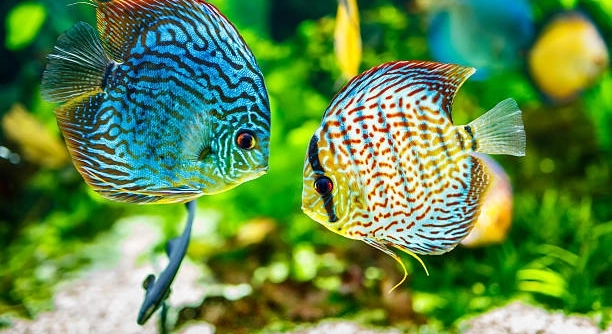
Air stones are common accessories in many aquariums. They help circulate water and add oxygen, which is important for fish health. For discus keepers, the decision to use air stones can affect the tank’s environment and the fish’s well-being.
Using air stones in discus aquariums can be beneficial when done properly, as they improve oxygen levels and water circulation. However, excessive bubbling or strong currents can stress discus fish, so careful placement and monitoring are essential to maintain a balanced environment.
Knowing how air stones impact water quality and fish behavior can help maintain a healthy discus tank. This article explains their role and what to consider before adding them.
How Air Stones Work in Aquariums
Air stones release tiny bubbles into the water, which helps increase oxygen levels. This oxygen is vital for fish like discus, which need well-oxygenated water to stay healthy. The bubbles also create gentle water movement, preventing stagnation. In a discus aquarium, this can support beneficial bacteria growth, which helps break down waste. However, too much bubbling can cause strong currents. Discus fish prefer calm water, so it’s important to find a balance between aeration and water flow. Placing the air stone near the filter outlet or at the bottom of the tank can help distribute oxygen evenly without stressing the fish. Regular maintenance of air stones is also necessary, as they can get clogged and stop working efficiently.
Air stones contribute to oxygen exchange but should be used carefully to avoid disturbing the discus environment.
Understanding how air stones function helps maintain a healthy, balanced tank for discus fish, providing them with the oxygen and calm they need to thrive.
Benefits of Using Air Stones in Discus Tanks
Air stones increase oxygen levels and improve water circulation in the aquarium.
Proper oxygenation supports fish health and promotes waste breakdown by beneficial bacteria. Good water movement prevents dead spots where debris can accumulate. These factors create a stable environment essential for discus survival. However, discus fish prefer slow-moving water, so an air stone that produces a strong current might cause stress. Choosing the right size and placement is key. Small air stones or multiple smaller ones can spread bubbles gently throughout the tank. This avoids creating large currents while still increasing oxygen. Additionally, air stones are inexpensive and easy to install. They can improve tank conditions without requiring major changes to the setup. Overall, air stones offer practical benefits when used thoughtfully, helping discus fish live in a cleaner and well-oxygenated habitat.
Potential Drawbacks of Air Stones in Discus Aquariums
Air stones can create strong currents that may stress discus fish.
Discus prefer calm water, so too much bubbling can cause anxiety and disrupt their natural behavior. Constant movement can make feeding and resting difficult. Additionally, air stones can sometimes produce noise that might be unsettling in quiet environments. Over time, clogged air stones lose efficiency, requiring frequent cleaning or replacement. If placed improperly, they may stir up debris from the substrate, reducing water clarity. These factors mean air stones need careful management in discus tanks to avoid negatively impacting fish health and comfort.
Choosing the right size and placement reduces these risks. Gentle aeration supports oxygen without overwhelming the tank environment. Observing the fish’s behavior is crucial to ensure air stones contribute positively rather than cause stress. Adjustments might be needed depending on tank size and filtration system strength.
Alternatives to Air Stones for Oxygenation
Air pumps or filters with built-in aeration can supply oxygen without strong currents.
Using a sponge filter or a canister filter with an adjustable flow allows control over water movement while maintaining oxygen levels. These alternatives often cause less disturbance than air stones, making them suitable for sensitive species like discus. Planting live aquatic plants also helps oxygenate the tank naturally. Plants absorb carbon dioxide and release oxygen during photosynthesis, improving water quality. This option also creates a more natural environment, which discus appreciate. Aeration combined with filtration provides a balanced ecosystem. Choosing the right method depends on tank size, fish count, and personal preference. Each method has benefits, but gentle water movement remains a priority for discus well-being.
Placement Tips for Air Stones in Discus Tanks
Place air stones near the bottom of the tank to promote even oxygen distribution.
Avoid positioning them where strong currents will directly hit the discus, as this can cause stress. Gentle bubbles spread throughout the tank are best.
Maintenance and Cleaning of Air Stones
Regular cleaning is necessary to prevent clogging and maintain efficient bubble flow.
Soaking air stones in a mild bleach solution or vinegar helps remove buildup. Rinse thoroughly before placing them back in the aquarium to avoid harming the fish.
Monitoring Fish Behavior with Air Stones
Observe discus fish for signs of stress, such as hiding or erratic swimming.
Changes in behavior may indicate the air stone is causing discomfort. Adjust placement or reduce airflow accordingly.
FAQ
Do air stones improve oxygen levels in discus tanks?
Yes, air stones help increase oxygen levels by releasing small bubbles into the water. These bubbles increase the surface area for gas exchange, allowing more oxygen to enter the water and carbon dioxide to leave. This process supports the health of discus fish and beneficial bacteria. However, the improvement depends on the air stone’s size and placement. If the air stone is too small or clogged, its effect will be limited. Proper placement ensures oxygen is distributed evenly without creating strong currents.
Can air stones stress discus fish?
Air stones can stress discus if they produce strong currents or excessive bubbling. Discus prefer calm, slow-moving water. When bubbles create turbulence, fish may become anxious, swim erratically, or hide more often. Stress weakens their immune system and can lead to health problems. Using smaller air stones or multiple ones with gentle airflow helps minimize stress. Watching the fish closely after adding an air stone will show if the setup needs adjustment.
How often should air stones be cleaned?
Air stones should be cleaned every 2 to 4 weeks depending on tank conditions. Over time, minerals and algae build up inside, reducing airflow. Regular cleaning keeps bubbles steady and prevents air stone clogging. Soaking them in a vinegar solution or mild bleach, followed by thorough rinsing, restores their function. Skipping maintenance can cause poor aeration, affecting fish health. Frequent cleaning ensures the air stone continues to provide oxygen effectively.
Are there better alternatives to air stones for discus tanks?
Yes, there are alternatives like sponge filters, canister filters with adjustable flow, or adding live plants. Sponge filters provide gentle aeration without strong currents, suitable for discus tanks. Canister filters often have adjustable outflow, allowing control over water movement while increasing oxygen. Live plants naturally oxygenate the water through photosynthesis, improving water quality and creating a more natural environment. These options may suit discus tanks better by balancing oxygen levels without stressing the fish.
Where is the best place to position an air stone in a discus aquarium?
The best place to position an air stone is near the bottom of the tank, preferably away from the main swimming area. This allows bubbles to rise slowly, promoting better oxygen exchange without disturbing the fish. Avoid placing it too close to the filter outlet or areas where water flow is already strong. Gentle, evenly distributed bubbles create a calm environment. Adjust placement based on discus behavior to find the most comfortable spot for them.
Can too much aeration harm discus fish?
Yes, too much aeration can harm discus by creating strong currents and turbulence. This makes it difficult for the fish to swim calmly and rest properly. Continuous strong bubbling can cause stress, leading to weakened immunity and susceptibility to disease. Aeration should be balanced to improve oxygen levels without overwhelming the tank environment. Monitoring the fish’s response is key to preventing harm caused by excessive aeration.
How can I tell if my air stone is not working properly?
Signs of a malfunctioning air stone include weak or no bubbles, uneven bubble flow, and reduced oxygen levels. If bubbles are sparse or stop altogether, the air stone might be clogged or the air pump could be failing. Reduced fish activity or increased gasping at the surface may also indicate poor aeration. Regular inspection and cleaning help maintain proper function. Replacing worn or damaged air stones ensures continuous oxygen supply.
Is it necessary to use an air stone if my tank has strong filtration?
Not always. Strong filtration often provides sufficient water circulation and oxygenation. If the filter creates enough surface agitation, adding an air stone might not be needed. However, some discus keepers use air stones to increase oxygen during warmer months or high stocking levels. Assessing tank conditions and fish behavior helps decide if additional aeration is beneficial. Avoid adding unnecessary equipment that could disrupt the tank balance.
Do air stones affect water temperature in discus aquariums?
Air stones themselves don’t significantly affect water temperature. However, the air pump powering them can generate heat if placed inside the tank or close to it. This heat may slightly raise water temperature over time. It’s best to place air pumps outside the aquarium and monitor temperature regularly. Maintaining stable temperature is essential for discus health, so any equipment’s impact should be considered.
What size air stone is best for a discus aquarium?
A small to medium-sized air stone is usually best for discus tanks. It should produce gentle bubbles without creating strong currents. Larger air stones can cause excessive water movement, stressing the fish. Multiple small air stones spaced around the tank can provide even oxygen distribution. The right size depends on tank volume and filtration setup. Choosing an appropriately sized air stone helps maintain calm water conditions while improving aeration.
Using air stones in discus aquariums can be helpful when done carefully. They provide extra oxygen to the water, which supports fish health and helps beneficial bacteria break down waste. Proper oxygen levels are important for discus fish because they live in warm, slow-moving water that can sometimes lack enough natural oxygen. When air stones are placed correctly and used with the right size and airflow, they gently improve water circulation without disturbing the fish. This balance is key to keeping discus comfortable and healthy.
However, it is important to remember that discus fish prefer calm water and can be sensitive to strong currents or excessive bubbling. Too much aeration can cause stress, making the fish hide, swim nervously, or refuse to eat. Over time, this stress can weaken their immune system and lead to illness. Cleaning air stones regularly is also necessary, as clogged stones reduce their effectiveness and may affect water quality. Watching the fish’s behavior closely after adding an air stone helps ensure it is not causing harm. If stress signs appear, adjusting the air stone’s placement or reducing airflow usually improves the situation.
There are also alternatives to air stones that can provide oxygen without strong water movement. Filters with adjustable flow rates, sponge filters, and live plants can all help maintain oxygen levels in a discus tank. Each of these options has benefits depending on the tank size, setup, and fish preferences. Ultimately, keeping discus fish healthy means maintaining a stable environment with good water quality and oxygen levels while avoiding stress. Whether using an air stone or other methods, thoughtful planning and observation are the best ways to support a thriving discus aquarium.

Hello,
If you enjoy the content that we create, please consider saying a "Thank You!" by leaving a tip.
Every little bit helps us continue crafting quality advice that supports the health, happiness, and well-being of pets around the world, for pets of all shapes, sizes, and species.
We really appreciate the kindness and support that you show us!