
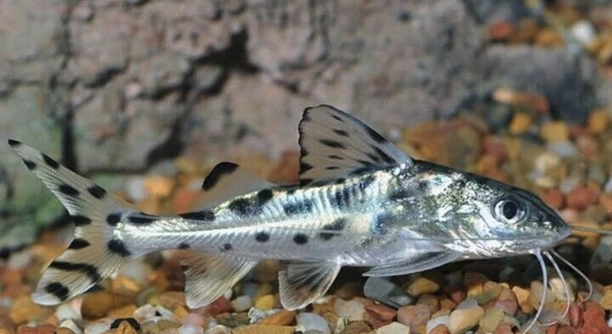
Feeding Pictus catfish can be a rewarding part of aquarium care. These active fish have specific dietary needs and feeding habits that keep them healthy and happy. Understanding the best way to feed them is important for their well-being.
Using a timer for feeding Pictus catfish can provide consistency and prevent overfeeding. Automated feeding helps maintain regular intervals and reduces the risk of food waste, which can affect water quality and fish health in a controlled aquarium environment.
Knowing how to manage feeding schedules effectively will support your fish’s health. This article will explain the benefits and considerations of using a feeding timer for Pictus catfish.
Benefits of Using a Timer for Feeding Pictus Catfish
Using a timer to feed Pictus catfish brings several advantages. First, it ensures a consistent feeding schedule, which helps maintain the fish’s health and reduces stress. These catfish thrive when they receive food at regular intervals. Without a timer, it is easy to forget feeding times or feed too often, which can lead to overfeeding and poor water quality. Timers also help busy aquarists by automating the process, so feeding happens even when you are not home. This can prevent sudden changes in diet or missed meals, both of which can negatively affect the fish. In addition, timers release precise amounts of food, reducing waste. This not only keeps the tank cleaner but also minimizes the risk of harmful bacteria growth. Overall, using a timer supports a stable environment that promotes the well-being of Pictus catfish.
Timers are especially useful for those with tight schedules or multiple tanks to manage.
Even with a timer, it’s important to monitor the amount of food dispensed. Different fish may have different appetites depending on their size, age, and activity level. Adjusting the feeding amount ensures the fish get enough nutrition without leftovers polluting the water. Timers do not replace observation and care but serve as a helpful tool in maintaining consistency. Regular tank maintenance alongside scheduled feeding will keep the habitat clean and healthy. Combining these efforts results in happier, healthier Pictus catfish.
Choosing the Right Timer for Your Aquarium
Selecting the right timer depends on your tank setup and feeding routine.
Mechanical timers are simple and affordable, ideal for basic feeding needs. Digital timers offer more precise control and multiple feeding times, useful for complex schedules or varied diets. Some advanced timers can even be programmed via apps for remote control. Consider the type of food your Pictus catfish eat; some timers are designed specifically for flakes, pellets, or frozen food. Make sure the timer is easy to clean and durable, as aquarium environments can be humid. Proper fit and compatibility with your feeder device are also essential to avoid malfunction.
Understanding your feeding habits and the specific needs of your Pictus catfish helps you pick a timer that fits your lifestyle. This investment can improve your fish care routine significantly.
Common Issues with Using Timers for Feeding
Timers can sometimes malfunction, causing irregular feeding schedules. This can stress Pictus catfish if they miss meals or get overfed.
One common issue is the timer dispensing too much food at once. This can pollute the tank and affect water quality. Regularly checking and adjusting the timer settings helps prevent this problem. Another issue is power outages, which may disrupt feeding and require manual intervention. Some timers may also jam or fail to release food properly, so routine maintenance and testing are important to ensure reliability.
It is also possible that automated feeding reduces interaction and observation of your fish’s health and behavior. While convenient, timers should not replace regular monitoring. Adjust feeding amounts based on fish appetite and tank conditions. Combining timers with careful observation creates a better environment for your catfish.
Tips for Using a Feeding Timer Effectively
Place the timer feeder in a spot that allows food to disperse evenly in the tank.
Start with smaller amounts of food to avoid waste and increase gradually if needed. Test the timer function regularly to ensure it releases food on schedule. Keep the feeder clean to prevent clogs or mold buildup. Watch your Pictus catfish’s response to the feeding schedule and adjust as necessary. Be prepared to feed manually during power outages or timer malfunctions. Using a timer is a helpful tool, but it should complement regular care and attention, not replace it. Consistency, cleanliness, and observation are key to successful automated feeding.
Setting Up Your Timer Correctly
Ensure the timer is securely attached and positioned to dispense food directly into the tank. Avoid locations where food can get trapped or scattered outside the water.
Check the timer’s settings before use. Set feeding times based on your catfish’s natural feeding habits, usually once or twice daily.
Adjusting Feeding Amounts Over Time
As your Pictus catfish grow or their activity levels change, adjust the food quantity accordingly. Overfeeding can cause health issues and poor water quality, while underfeeding may affect growth and energy. Monitor how much food they consume and change settings to match their needs.
Monitoring Water Quality When Using a Timer
Keep an eye on water parameters, as automated feeding can increase leftover food. Regular water testing and tank cleaning help maintain a healthy environment for your catfish.
Knowing When to Switch to Manual Feeding
If your timer frequently malfunctions or your fish show signs of distress, consider manual feeding instead. This allows closer observation and adjustment to their needs.
FAQ
How often should I feed my Pictus catfish when using a timer?
Feeding once or twice daily is usually sufficient. Pictus catfish are nocturnal but will adapt to consistent feeding times. Using a timer helps maintain this routine without missing meals or overfeeding.
Can I leave my Pictus catfish on a timer when I’m away?
Yes, a timer is especially useful during short trips. It ensures your fish get regular meals without interruption. However, for extended absences, it’s wise to have someone check the tank to monitor water quality and fish health.
What type of food works best with an automatic feeder?
Pellets or flakes designed for bottom feeders are ideal. These foods dispense easily through most feeders. Avoid using frozen or live foods in the feeder, as they can spoil quickly and clog the device.
Will using a timer affect my fish’s behavior?
Timers provide consistent feeding but may reduce interaction during feeding times. Some fish might become less active waiting for food. Still, regular manual feeding and tank maintenance help keep them engaged and healthy.
What should I do if the timer fails to feed?
Check the feeder for jams or clogs first. Ensure the timer is powered and set correctly. If the problem continues, feed manually until the issue is fixed to avoid starving your fish.
Can overfeeding happen with automatic feeders?
Yes, overfeeding is possible if the timer releases too much food. Excess food harms water quality and fish health. Start with small amounts and adjust based on how much your fish consume.
How do I clean my automatic feeder?
Disassemble the feeder according to the instructions and wash it with warm, soapy water. Avoid harsh chemicals. Clean regularly to prevent mold and food buildup, which can affect the feeder’s performance.
Are timers suitable for all types of catfish?
Timers work best for species with predictable feeding habits like Pictus catfish. Some catfish with specialized diets or feeding behaviors might not respond well to automated feeding.
Can I combine manual and timed feeding?
Yes, combining both methods can be effective. Use the timer for regular feedings and manual feeding for supplements or treats. This keeps your fish interested and allows for close health monitoring.
How do I know if my Pictus catfish is getting enough food?
Watch their behavior and body condition. Healthy Pictus catfish are active and have a good body shape. If they seem lethargic or too thin, adjust feeding amounts or consult a specialist.
Is it necessary to monitor water quality more when using a timer?
Yes, because automated feeding can increase leftover food, monitoring water quality is crucial. Regular testing and tank cleaning prevent issues related to excess food and waste buildup.
Can timers be programmed for multiple feeding times?
Many digital timers allow multiple feeding times per day. This is helpful if your catfish prefer smaller, frequent meals instead of one large feeding.
What happens during a power outage?
Automatic feeders will stop working. During outages, you may need to feed manually or have a backup plan like battery-powered feeders to maintain feeding schedules.
Using a timer for feeding Pictus catfish can make caring for them easier and more consistent. It helps maintain a regular feeding schedule, which is important for the fish’s health and well-being. Consistency in feeding supports their natural habits and reduces stress caused by irregular meal times. A timer can also save time and effort, especially for those with busy lives or multiple tanks to manage. By automating feeding, it ensures the fish get food even when you are away, preventing missed meals or sudden changes in their diet.
However, using a timer does not mean you can forget about regular care and observation. It is still important to monitor the fish and the tank closely. Fish may change their appetite due to illness or stress, and leftover food can harm water quality if not managed properly. Adjusting the amount of food the timer releases is necessary based on how much your Pictus catfish eat. Regular cleaning of the feeder is also needed to prevent jams and mold buildup. Timers are a helpful tool but should work alongside your ongoing attention to the aquarium.
Finally, while timers offer many benefits, they are not a perfect solution for every situation. Mechanical or digital timers can sometimes malfunction, and power outages can interrupt feeding schedules. Being prepared to feed your fish manually when needed is important. Also, if you notice your fish showing signs of stress or poor health, switching to manual feeding can help you better control their diet and monitor their behavior. Using a timer thoughtfully can improve your fish-keeping routine, but it is best combined with consistent care and awareness of your catfish’s needs.

Hello,
If you enjoy the content that we create, please consider saying a "Thank You!" by leaving a tip.
Every little bit helps us continue crafting quality advice that supports the health, happiness, and well-being of pets around the world, for pets of all shapes, sizes, and species.
We really appreciate the kindness and support that you show us!