
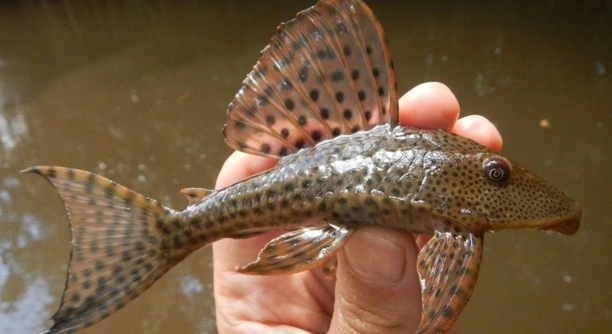
If your pleco’s fins are growing longer than usual, it might be time to consider trimming them. Overgrown fins can cause concerns about your fish’s health and well-being. This article will guide you through what to do next.
Trimming overgrown pleco fins is not always necessary. In some cases, it can help prevent injury or discomfort. However, trimming should be done cautiously and only when the fins pose a risk to the fish’s health or movement.
Familiarize yourself with the proper techniques and tools to keep your pleco in good shape.
Why Do Plecos Develop Overgrown Fins?
Plecos, like many fish, can experience changes in their fin growth. Overgrown fins can be the result of various factors, such as genetics, water quality, or even diet. A pleco’s fins are naturally long, but if they grow excessively, it could be a sign that something isn’t right. Sometimes, poor water conditions or an imbalanced diet can contribute to abnormal fin growth. When fins grow too long, they may become difficult for the fish to control, leading to stress or injury.
In some cases, poor filtration systems or high levels of waste in the tank can hinder the pleco’s natural ability to swim and move freely. It’s essential to ensure the water conditions are ideal for your pleco. Overgrown fins might also be a sign that your pleco needs more space or better food options. Always monitor changes in your fish’s behavior and appearance to ensure they are living in a healthy environment.
If you are unsure about whether the fins need trimming, it’s important to observe your pleco’s movement. If the fins seem to slow them down or get in the way, it might be a good idea to trim them carefully.
When Should You Consider Trimming Pleco Fins?
Trimming pleco fins should be done only if absolutely necessary. If the fins are damaged or tangled, they might need some care. It’s important to assess the situation before making any decisions.
If the fins are too long or torn, trimming them can help prevent further injury. However, you should be gentle and cautious while performing the task. Always ensure that the pleco is calm and that you are using the right tools. Taking too much off could affect their balance and movement.
Ensuring the pleco has a healthy environment can reduce the need for frequent trimming. A spacious tank with clean water and a balanced diet can keep their fins from growing excessively. Fewer trimming sessions are often needed when the pleco’s living conditions are optimized. This way, their fins stay in the best possible shape naturally.
Tools You Need to Trim Pleco Fins
To trim your pleco’s fins, you’ll need a few simple tools. A pair of sharp, clean scissors or specialized fish scissors is essential. A net will help safely remove your pleco from the tank. It’s also helpful to have some aquarium salt on hand to disinfect any cuts.
Before trimming, make sure the scissors are clean to avoid introducing harmful bacteria into the tank. Using fish-safe tools ensures that your pleco won’t get injured during the process. Always trim a little at a time to prevent overcutting. Keep the pleco calm and avoid rushing the procedure.
Ensure the water quality is optimal before starting. Water temperature, pH, and ammonia levels should be stable to prevent additional stress on your fish. After trimming, monitor your pleco closely for any signs of discomfort or infection. Proper aftercare, like adding aquarium salt, can help prevent possible infections in the fresh cuts.
How to Trim Pleco Fins Safely
Start by carefully removing your pleco from the tank using a soft, fine mesh net. Gently place it in a shallow container with some of the tank water to keep it comfortable. Make sure your pleco stays calm during the process to avoid causing stress.
Before you begin trimming, look closely at the fins. Identify where the overgrowth is affecting your pleco’s movement. Using sharp, fish-safe scissors, cut small portions at a time. Avoid cutting too close to the body to prevent harming your pleco. Always keep a steady hand and work slowly to ensure clean cuts.
After trimming, place your pleco back into the tank and observe it closely. It’s important to check for any signs of injury, such as excessive bleeding or difficulty swimming. If needed, perform a water change to help your pleco heal in a clean environment. Always maintain regular tank maintenance to prevent future issues with fin growth.
Risks of Trimming Pleco Fins
Trimming pleco fins can be risky if not done carefully. Cutting too much can cause stress, infection, or even permanent damage. If you’re unsure, it’s better to leave the fins alone until you consult with a vet or experienced fish keeper. Avoid frequent trimming.
Some plecos may have sensitive fins that, if trimmed improperly, can affect their ability to swim or maintain balance. Always proceed with caution, ensuring you only trim when necessary. If fins are cut too short, it may be difficult for your pleco to recover fully, leading to long-term health problems.
Proper Aftercare for Trimmed Pleco Fins
After trimming your pleco’s fins, proper aftercare is essential. First, ensure the water in the tank is pristine to prevent infection. Adding aquarium salt can help the healing process. Watch for any changes in behavior, such as reluctance to swim or lethargy, which could indicate complications.
If the water quality isn’t optimal, your pleco might struggle to heal properly. Regularly monitor ammonia levels, pH, and temperature, adjusting as needed. You may also want to temporarily reduce the light levels to minimize stress. Keeping the environment calm and stable will help your pleco recover faster and reduce the risk of reinfection.
Why Fins May Grow Back Abnormally
In some cases, pleco fins may grow back abnormally after trimming. This could happen if the cut was made too close to the body or if the pleco experienced stress during the process. Abnormal fin growth can lead to difficulty swimming and other health issues.
Improper fin trimming can result in uneven regrowth or stunted fins, which can affect the pleco’s overall movement. It’s crucial to ensure that any trimming is done with precision. If you notice that the fins are growing back in an odd shape, it may be best to consult a vet for advice on how to proceed.
FAQ
What are the signs that my pleco’s fins are overgrown?
Overgrown fins are often noticeable when your pleco has trouble swimming. You may see the fins dragging or getting caught on objects in the tank. If the pleco looks sluggish or its fins appear excessively long compared to its body, it’s a sign the fins might need trimming.
Sometimes, overgrown fins can appear curled or bent, which can affect your pleco’s ability to move freely. If the pleco’s fins are blocking its view or causing it to swim awkwardly, it’s best to examine the fins closely for any irregularities. The fins should not be so long that they interfere with normal movement.
Is trimming pleco fins painful for them?
Trimming pleco fins can be stressful, but it should not be painful if done correctly. Fish have nerve endings in their fins, so it’s crucial to be gentle and avoid cutting too deeply. A clean, sharp tool can reduce the risk of injury.
If you are too rough or cut too close to the body, it can cause pain and stress. Always use fish-safe tools and trim only the necessary amount. After the trimming, the pleco may experience some discomfort, but as long as you handle it carefully, it should recover without lasting pain.
How often should I trim my pleco’s fins?
You should only trim your pleco’s fins when absolutely necessary. In most cases, plecos don’t need their fins trimmed regularly. Only trim when their fins become overgrown, torn, or cause difficulty in swimming. It’s better to avoid frequent trims and focus on maintaining a healthy tank environment.
Keeping the water conditions optimal and providing your pleco with a balanced diet can help prevent the fins from growing too long. If your pleco’s fins seem to be growing rapidly, take a close look at their habitat and water quality to identify the root cause. Proper care usually reduces the need for trimming.
Can I trim pleco fins myself, or should I seek professional help?
If you are comfortable handling your pleco and have the proper tools, you can trim its fins yourself. However, if you’re not confident or unsure about how to trim them safely, it’s always best to consult a professional. Fish vets or experienced aquarium owners can help guide you.
Trimming pleco fins requires patience and a steady hand. If you decide to do it yourself, take your time, ensure the water quality is good, and be prepared to observe your pleco after the trim. If you’re hesitant, seek help from a professional to avoid harming your pleco.
How can I prevent my pleco’s fins from becoming overgrown?
The best way to prevent overgrown fins is by maintaining a clean and healthy environment for your pleco. Ensure your tank is large enough for the fish to swim comfortably, and check the water quality regularly. Keep the water temperature stable, and avoid excessive waste buildup.
A balanced diet is also essential. Make sure your pleco has enough fiber in its diet, such as vegetables like zucchini or algae wafers. A poor diet can sometimes contribute to overgrowth, so feeding your pleco the right foods is an important preventive measure.
Is it safe to trim pleco fins in a community tank?
It’s possible to trim pleco fins in a community tank, but it can be challenging. It’s easier to handle your pleco in a separate container, where you can work without the distraction of other fish. Stress from other tank mates can make the process more difficult.
If you do decide to trim in the main tank, make sure to remove the pleco gently using a net and place it in a shallow container with tank water. You may want to temporarily isolate the pleco to minimize stress and avoid any injury. After trimming, return it to the tank carefully.
What should I do if my pleco’s fins are torn or damaged?
If your pleco’s fins are torn or damaged, it’s best to leave the fins alone and let them heal naturally. However, if the tear is severe, trimming the edges to prevent further damage might help. Be cautious when trimming to avoid cutting too much or causing more harm.
During the healing process, keep an eye on the water quality and ensure the pleco is not being harassed by other tank mates. You can also add aquarium salt to promote healing and reduce the risk of infection. Proper care and a stress-free environment will help the fins heal more quickly.
Will trimming pleco fins affect its behavior?
Trimming pleco fins may cause temporary stress, which could affect your pleco’s behavior for a short time. It might become more reclusive or show less activity until it feels comfortable again. However, if the trimming is done properly, the pleco should adjust and return to normal behavior shortly after.
Watch your pleco for signs of discomfort, like excessive hiding or lethargy. If it doesn’t return to its usual behavior in a few days, make sure to check the water conditions and ensure that there are no lingering effects from the trimming process.
Final Thoughts
Trimming pleco fins is a task that should be approached with care and attention. It’s important to remember that trimming should only be done when necessary, and not as a regular practice. Overgrown fins can sometimes affect your pleco’s ability to swim properly, so trimming can be helpful in certain situations. However, it’s always better to focus on keeping your tank conditions optimal to avoid excessive fin growth. Good water quality, proper filtration, and a balanced diet can go a long way in maintaining your pleco’s health and minimizing the need for frequent trimming.
When you do decide to trim your pleco’s fins, make sure to use the right tools and handle your fish gently. A sharp, clean pair of fish-safe scissors is essential for a clean cut without causing stress or injury. It’s also important to avoid cutting too much off at once. Take your time and trim just a little if necessary. After trimming, make sure to monitor your pleco closely for any signs of discomfort or infection. Good aftercare, such as maintaining high water quality and adding aquarium salt, can help ensure your pleco heals properly and doesn’t experience any further complications.
Lastly, remember that not every pleco will need its fins trimmed. In many cases, plecos’ fins are naturally long and don’t require intervention. It’s crucial to pay attention to the fish’s behavior and environment to determine if trimming is truly necessary. If you’re unsure, consulting with a professional or experienced aquarist can be a good way to make sure you’re making the right decision. By taking the right steps, you can help your pleco live a healthy and comfortable life, with or without trimmed fins.

Hello,
If you enjoy the content that we create, please consider saying a "Thank You!" by leaving a tip.
Every little bit helps us continue crafting quality advice that supports the health, happiness, and well-being of pets around the world, for pets of all shapes, sizes, and species.
We really appreciate the kindness and support that you show us!