
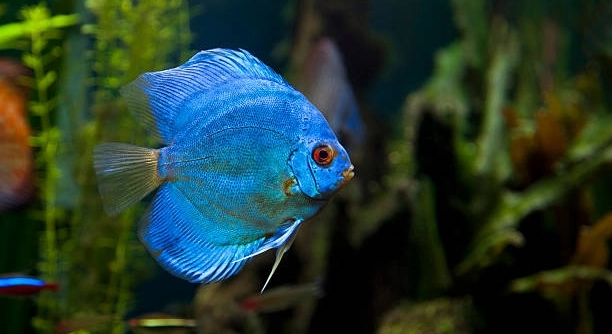
Raising discus fry is a rewarding experience for many fish keepers. Watching the young fish grow alongside their parents brings joy and challenges. Understanding when and if to separate them is an important part of caring for discus.
Separating discus fry from their parents depends on factors like fry size, parent behavior, and tank conditions. Early separation may prevent aggression and improve fry survival, while allowing parents to care for fry can promote natural development and bonding.
Learning the best approach can help you support your discus family’s health and growth. There are important details to consider for a successful discus fry journey.
When to Separate Discus Fry from Their Parents
Separating discus fry from their parents is usually considered when the fry reach about two to three weeks old. At this stage, the fry begin to swim freely and eat on their own. Parents can sometimes become aggressive as the fry grow, especially if the tank is small or overcrowded. This aggression can stress the young fish and reduce their chances of survival. However, keeping fry with parents during the early weeks helps the fry learn natural behaviors and gain protection. If the parents seem calm and the tank environment is stable, separation may not be necessary. It’s important to observe how both parents and fry behave to decide the right time. Proper tank size, clean water, and plenty of hiding spots also influence this decision.
Removing fry too early can cause stress and affect their growth. A balance between parental care and independence is best.
Careful observation helps you choose the right moment to separate discus fry to keep them healthy and safe.
Benefits of Keeping Fry with Parents Longer
Keeping discus fry with their parents for a longer time can improve the fry’s development. Parents provide natural care, such as cleaning and protecting the fry from harm. This care reduces stress on the young fish and encourages stronger immune systems. Fry that stay with parents longer often learn better social behaviors and feeding habits. Additionally, parents can help keep the tank clean by eating leftover food and waste near the fry. This natural help keeps the environment healthier. However, you need to ensure the tank is large enough and has good filtration to support this setup. If parents become too aggressive or fry show signs of stress, it’s important to intervene and separate them. Finding the right balance ensures the fry grow safely without losing the benefits of parental care.
Signs That It’s Time to Separate the Fry
When parents start chasing or nipping the fry, it’s a clear sign to separate them. Fry may hide constantly or show signs of stress like clamped fins. If fry stop eating or lose weight, separation is needed to protect their health.
Aggressive behavior from parents often begins as fry become more independent. This aggression can cause physical harm or stress, reducing survival chances. Sometimes parents mistakenly see fry as food, especially in crowded or poorly maintained tanks. If hiding spots are limited, fry have nowhere to escape, increasing danger. Monitoring tank conditions and fish behavior closely helps catch these signs early. Acting promptly by moving fry to a separate tank can prevent injuries and improve growth rates.
Creating a safe environment with enough space and hiding places can delay or reduce aggression. But when aggression becomes persistent, separating fry is the safest option.
How to Separate Fry Safely
Use a clean, well-prepared tank with stable water conditions when separating fry. Make sure temperature, pH, and water quality match the original tank to avoid stress. A sponge filter is best to protect the fry while keeping water clean. Provide hiding spots using plants or small decorations to help fry feel secure. Introduce fry gently, avoiding sudden movements or changes. Feed small amounts of high-quality fry food frequently to support growth. Regular water changes are important to maintain cleanliness and prevent disease. Keep the separated fry tank dimly lit at first to reduce stress. Monitor fry daily for signs of illness or stress, adjusting care as needed.
Keeping conditions stable helps fry adapt quickly after separation. A smooth transition can mean healthier, stronger discus as they grow.
Maintaining good hygiene and feeding routines in the separate tank supports the fry’s development. Taking these steps early can prevent problems and improve survival rates.
Preparing the Separate Tank
Choose a tank size that fits the number of fry, usually around 10 to 20 gallons. Clean the tank thoroughly before use, removing any chemicals or residues that could harm the fry.
Set up gentle filtration, like a sponge filter, to avoid sucking in fry. Add plants or hiding spots to reduce stress and help fry feel safe. Maintain stable water temperature and quality from the start.
Feeding Fry After Separation
Feed fry small, frequent meals using high-quality foods like freshly hatched brine shrimp or specialized fry pellets. Proper nutrition supports strong growth and development. Avoid overfeeding to keep water clean and reduce illness risk.
Monitoring Fry Growth
Watch for steady growth and active swimming as signs of healthy fry. If growth slows or fry seem lethargic, check water quality and feeding routines immediately.
Avoiding Common Mistakes
Avoid sudden water changes or moving fry too quickly, as stress can cause health issues. Maintain stable conditions and gentle care for best results.
How long should discus fry stay with their parents?
Discus fry usually stay with their parents for about two to three weeks. During this time, parents provide care, protect the fry, and help them learn important behaviors. After three weeks, the fry start swimming freely and eating on their own. At this stage, parents can become aggressive or stressed, so many keepers choose to separate the fry to ensure their safety. However, if the parents remain calm and the tank is large enough, some fry can stay longer without problems. It’s important to watch for signs of aggression or stress to decide the best time to separate.
Can I leave discus fry with their parents until they are fully grown?
Leaving discus fry with their parents until they are fully grown is usually not recommended. As the fry grow bigger, parents may become more aggressive or less tolerant. This aggression can cause injury or stress to the fry. Additionally, space and water quality can become issues in a smaller tank. Many keepers separate the fry once they start swimming independently and eating on their own, around three to four weeks. Keeping fry with parents too long can reduce survival chances and slow growth.
What signs show that discus parents are stressing the fry?
Signs of stress include parents chasing or nipping at the fry repeatedly. Fry may hide constantly, stop eating, or show signs of injury. Fry with clamped fins or pale coloring might also be stressed. Parents may become more territorial or restless. If you notice fry hiding all the time or losing weight, these are clear signs that the environment is not safe. It’s important to separate fry quickly when you see these signs to protect them.
Is it safe to separate fry too early?
Separating fry too early can cause stress and harm their development. Fry rely on parents for protection, cleaning, and learning social behaviors in their first weeks. Removing them too soon may leave them vulnerable to illness or poor feeding habits. Fry need stable water conditions and gentle care during separation. Early separation requires extra attention to feeding and tank setup to support growth. If done carefully, early separation is safe, but it should not happen before fry can swim and eat on their own.
What tank setup is best for separated discus fry?
A small tank around 10 to 20 gallons works well for separated fry. Use a sponge filter to keep water clean without harming fry. Provide plenty of hiding places like plants or decorations to reduce stress. Keep water temperature stable between 82–86°F (28–30°C) and maintain good water quality with regular changes. Lighting should be soft to avoid stressing the fry. Feeding small amounts frequently helps fry grow strong.
How often should I feed discus fry after separation?
Feed fry small meals four to six times a day. Use high-quality foods like freshly hatched brine shrimp, micro worms, or specially made fry pellets. Frequent feeding supports rapid growth and health. Avoid overfeeding, as leftover food can pollute the water and cause illness. Clean the tank regularly and monitor feeding to ensure fry get enough nutrition without fouling the water.
Can parents eat their own fry?
Yes, discus parents can sometimes eat their own fry. This may happen if the parents are stressed, overcrowded, or if fry show signs of illness. Sometimes parents mistake fry for food, especially if they are very small. This behavior is natural but frustrating for keepers. To prevent this, monitor parents closely and be ready to separate fry if aggression or eating occurs. Providing enough space and hiding spots can help reduce this risk.
What are the benefits of keeping fry with parents longer?
Keeping fry with parents longer offers natural protection and cleaning, which can reduce stress and disease. Parents help fry learn feeding habits and social behavior. The close care helps fry develop stronger immune systems. However, the tank must be large, clean, and parents must not show aggression. When conditions are right, longer parental care improves fry health and survival.
How do I know if fry are healthy after separation?
Healthy fry swim actively, respond to food, and show steady growth. Their fins should be open and they should have bright colors. If fry become lethargic, stop eating, or show physical signs like spots or damaged fins, health may be poor. Regularly test water quality and adjust feeding if needed. Keeping conditions stable helps maintain fry health.
Can I keep fry with other fish after separation?
It’s best to keep discus fry separate from other fish, especially aggressive or larger species. Other fish can stress or eat the fry. If you want to keep fry with other peaceful species, ensure they are small and won’t harm the fry. Monitor interactions carefully. A dedicated fry tank or breeding tank is safest to avoid risks.
Deciding whether to separate discus fry from their parents is an important step in keeping these beautiful fish healthy. Each situation is different, and the right choice depends on how the parents behave, the size of the fry, and the conditions in the tank. Keeping fry with their parents can help the young fish grow stronger by receiving care and protection. However, if the parents start showing signs of aggression or the tank becomes crowded, separating the fry may be the best option. It’s important to watch your fish carefully and be ready to act when needed to keep everyone safe.
When separating discus fry, the new tank setup should be calm and stable. Fry need gentle filtration, steady water temperature, and hiding spots to feel secure. Feeding small amounts of food several times a day helps them grow well. Even after separation, fry still require careful care and observation to avoid stress and illness. Changing the water regularly and keeping the tank clean are also key to maintaining a healthy environment. The transition can be smooth if done thoughtfully and slowly, reducing any shock the fry might feel.
Overall, there is no single answer that fits every discus breeding experience. The health and safety of both parents and fry should guide your decisions. Some keepers find success leaving fry with their parents longer, while others prefer early separation to avoid problems. Paying close attention to behavior and tank conditions will help you choose the best approach. Taking time to learn about discus care and watching your fish closely will improve your chances of raising strong, healthy fry. Whether you keep them together or apart, your care and attention make the biggest difference.

Hello,
If you enjoy the content that we create, please consider saying a "Thank You!" by leaving a tip.
Every little bit helps us continue crafting quality advice that supports the health, happiness, and well-being of pets around the world, for pets of all shapes, sizes, and species.
We really appreciate the kindness and support that you show us!