
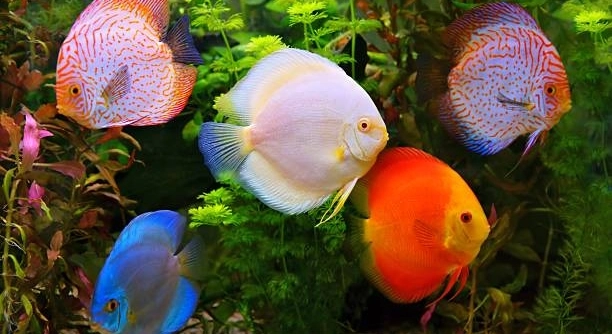
Keeping discus fish in a home aquarium can be very rewarding, especially when they grow and change over time. Many owners notice differences in size between their discus and wonder if these differences affect their care. Managing discus by size might help create a healthier and more peaceful environment for the fish.
Separating discus fish by size is generally recommended to reduce stress and competition for food. Larger discus may outcompete smaller ones, leading to uneven growth and increased aggression. Grouping by size promotes better feeding and overall well-being among the fish.
Understanding how size differences impact discus behavior and health can improve your aquarium’s balance. This article will explain why separation matters and how to do it effectively.
Why Size Matters in Discus Groups
Discus fish grow at different rates, and these differences can affect how they interact. Larger discus tend to be more dominant and can easily outcompete smaller ones when it comes to food. This can leave the smaller fish stressed and undernourished. Stress weakens their immune system, making them more prone to illness. Also, when discus vary greatly in size, the tank’s social balance can be disrupted. Smaller discus might hide more often or become aggressive out of fear, which creates tension in the group. Keeping discus separated by size can help prevent these problems. It allows the smaller fish to eat well without fear and reduces bullying. For these reasons, size matters in discus groups, and addressing it can improve the overall health and harmony of your tank.
Separating discus by size creates a more peaceful environment and promotes healthy growth in each group.
Proper management of discus based on their size helps maintain balance and reduces unnecessary stress in your aquarium. When you divide your fish into groups, feeding becomes easier because you can ensure each size group gets the right amount of food. Smaller discus won’t have to compete with bigger ones for meals, and this improves their chances to grow steadily. Additionally, when discus are closer in size, they are less likely to fight or show dominance aggressively. This reduces injuries and keeps water conditions stable since stressed fish often produce more waste. Grouping by size also makes it simpler to monitor the health of your fish and spot any problems early. Overall, organizing discus by size helps create a better environment where all fish can thrive.
How to Separate Discus by Size
Start by observing your discus carefully over a week to notice size differences and behavior. Once clear groups form, gently move fish to separate tanks or sections within the main tank. Use dividers if needed. Keep water quality and temperature consistent across groups to avoid stress. Feeding should match the size group’s needs, offering smaller food particles for tiny discus. Watch for signs of stress after separation and adjust as needed. This method improves feeding efficiency and reduces aggression.
Separating discus by size requires care but brings clear benefits in health and harmony.
Taking the time to separate your discus by size is a simple step that improves their well-being. Begin by sorting fish into small, medium, and large groups. Use separate tanks or partition your main tank with clear dividers to keep groups apart. Maintain the same water conditions for all sections to avoid shocking the fish. Feed each group the right size and amount of food to support steady growth. Regularly check that smaller fish are eating well and not stressed. If aggression continues, consider more frequent adjustments or additional hiding places. This separation method helps each discus grow healthily, reduces fights, and keeps your tank peaceful. In the end, it makes caring for your discus easier and more rewarding.
Feeding Considerations When Separating Discus
Feeding discus by size helps ensure all fish get enough nutrition without competition. Smaller discus need smaller, more frequent meals to thrive. Overfeeding or underfeeding can cause health issues.
When discus are separated by size, feeding becomes easier and more effective. Smaller fish can eat food suited to their mouth size without being pushed aside. Larger discus need bigger pellets or flakes and can eat less often. This targeted feeding reduces waste and keeps water cleaner. Feeding smaller fish more frequently supports their growth, while bigger discus can handle fewer meals without losing condition. This method helps keep all discus healthy and growing well, reducing stress from food competition.
Adjusting feeding routines by size helps maintain a stable tank environment. Proper feeding habits lower the chance of overfeeding and water pollution. Clear feeding schedules for each size group make tank management simpler. Keeping discus well-fed according to their size encourages good behavior and reduces aggression, leading to a calmer tank overall.
Tank Setup Tips for Different Sized Groups
Separate tanks or divided sections should have similar water parameters to keep discus comfortable. Consistent temperature and pH are essential for healthy fish.
Maintaining stable water conditions in each tank or section is vital when separating discus by size. Sudden changes can stress fish and cause illness. Use heaters and filters to keep water clean and at the right temperature. Keep pH levels steady and monitor ammonia, nitrite, and nitrate regularly. Each group needs enough space to swim and hide, which lowers stress and aggression. Decorations like plants and rocks create hiding spots that help shy or smaller discus feel secure. Proper tank setup encourages natural behavior and supports discus health.
Good filtration and regular water changes are critical. Use gentle water flow to avoid stressing discus, especially smaller ones. A well-planned setup helps discus adapt quickly to separation and thrive in their new space. This careful preparation makes the difference in maintaining a healthy aquarium with discus of varying sizes.
Monitoring Growth and Behavior
Watch your discus regularly to track their growth and interactions. Note any signs of stress or aggression, especially after separation. Early detection helps prevent serious problems.
Keeping a close eye allows you to adjust tank conditions or regroup fish if needed. Healthy discus are active, eat well, and show calm behavior.
Adjusting Groups Over Time
Discus grow at different rates, so group sizes may need updating regularly. Re-sort fish every few months to keep size groups balanced. This prevents bullying and helps maintain peace.
Adjusting groups is simple but important for long-term health. Keep flexible and respond to changes in your fish’s size and behavior to ensure they stay comfortable.
Signs Separation May Be Needed
If you see smaller discus hiding often or missing meals, separation might help. Frequent fights or injuries also signal the need for size-based grouping.
Separating fish early can stop stress and support better growth for all discus.
Benefits of Separation
Separation reduces stress and competition, helping discus stay healthy and grow evenly. It also lowers aggression and improves overall tank harmony.
FAQ
Why is separating discus by size important?
Separating discus by size helps reduce competition for food and lowers aggression. Larger discus often dominate smaller ones, which can lead to stress and poor health for the smaller fish. Grouping fish by size allows each to eat properly and reduces fights, making the tank environment calmer and healthier.
How often should I separate discus based on size?
It is a good idea to check your discus sizes every few months. Fish grow at different rates, so groups may become unbalanced over time. Regularly sorting your discus into similar size groups keeps competition low and helps avoid bullying or stress.
Can I separate discus in the same tank?
Yes, you can separate discus within the same tank using clear dividers. This allows different size groups to stay in the same environment without direct contact. Dividers help prevent aggression while maintaining water quality and temperature consistency across the tank.
What kind of food should I give different sized discus?
Smaller discus need tiny food particles that they can easily eat, like finely crushed flakes or baby brine shrimp. Larger discus can eat bigger pellets or flakes. Feeding the right size food helps ensure all fish get enough nutrition and supports steady growth.
Is it stressful for discus to be moved when separating?
Moving discus can cause some stress, but careful handling reduces this risk. Use a soft net and move fish gently. Keep water parameters the same in both tanks or sections to avoid shocking them. Most discus adjust quickly once settled in their new space.
Will separating discus improve their growth rate?
Yes, separating discus by size often improves growth. Smaller fish get better access to food without being pushed away by larger ones. This helps them grow more evenly and stay healthier. Reducing stress also supports better growth.
How much space do I need for each group?
Each group should have enough space to swim freely and hide if needed. Overcrowding increases stress and aggression. Aim for at least 10 gallons per discus, but more space is always better. Proper space helps maintain a peaceful and healthy tank.
Can I keep baby discus with adult discus?
It is not recommended to keep baby discus with adults. Adult discus may bully or outcompete babies for food, causing stress and slow growth. Separating babies into their own group helps protect them and ensures they get proper care.
What signs show that discus are stressed or unhealthy?
Stressed discus may hide more, refuse food, or show faded colors. Aggression and injuries also signal stress. Unhealthy fish might have clamped fins, rapid breathing, or unusual swimming patterns. Spotting these signs early helps prevent serious problems.
How can I reduce aggression in mixed-size groups without separating?
If separation isn’t possible, increase hiding spots and plants to reduce direct encounters. Feed smaller meals more often to ensure all fish eat. Monitor behavior closely and remove any overly aggressive fish if needed. However, separating by size remains the best long-term solution.
Separating discus by size is a straightforward way to improve their health and tank harmony. It requires some effort but greatly benefits your fish’s well-being over time.
Separating discus by size is an important step for maintaining a healthy and peaceful aquarium. When discus vary greatly in size, the bigger fish often take more food and may act aggressively toward smaller ones. This can cause stress, slow growth, and sometimes illness for the smaller discus. Grouping fish by similar size helps reduce these problems and makes feeding easier. It also allows each discus to grow at its own pace without feeling threatened or left out. Overall, separation creates a better environment for all your fish.
Taking care of discus means paying attention to their needs, including how they interact with each other. Separating by size is not a one-time task but something to revisit as the fish grow. Regularly checking their size and behavior lets you make adjustments when needed. It is helpful to set up separate tanks or use dividers within the same tank to keep size groups apart. Keeping water quality stable and feeding each group properly will make the transition smooth and help discus stay healthy. Small changes like these can lead to big improvements in your aquarium’s balance and the happiness of your fish.
Though separating discus by size requires some extra effort, it is well worth it. Healthy discus are more active, colorful, and easier to care for. Reduced stress means fewer diseases and less fighting, which creates a calm tank atmosphere. Paying attention to size differences and adjusting your setup shows good fishkeeping and supports the long-term success of your aquarium. With proper care and separation, your discus can thrive and become a beautiful, peaceful addition to your home.

Hello,
If you enjoy the content that we create, please consider saying a "Thank You!" by leaving a tip.
Every little bit helps us continue crafting quality advice that supports the health, happiness, and well-being of pets around the world, for pets of all shapes, sizes, and species.
We really appreciate the kindness and support that you show us!