
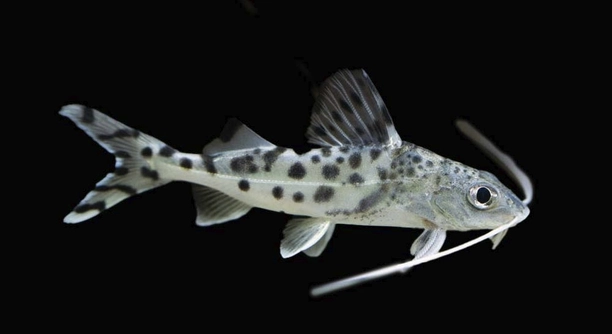
Are your new Pictus catfish swimming happily in their tank, but you’re not sure if they need to be quarantined first?
Quarantining new Pictus catfish is essential to prevent the introduction of parasites, bacteria, or other illnesses into your established aquarium. This controlled step ensures the health of both the new arrivals and your existing aquatic community.
Understanding the reasons behind quarantine can help you avoid long-term problems and keep your fish healthy and stress-free.
Why Quarantining Matters for Pictus Catfish
Quarantining new Pictus catfish is one of the most important steps you can take before adding them to your main tank. These active, social fish are often exposed to stress and varying water conditions during transport and store handling. This stress can weaken their immune system, making them more prone to illnesses like ich, bacterial infections, or internal parasites. A separate quarantine tank gives you a controlled environment to observe them, treat early signs of illness, and prevent the spread of disease. It also allows new fish time to adjust to stable water conditions before entering a shared tank with other species. Skipping this process puts your entire aquarium at risk. Even if the new fish look healthy, unseen infections can still be present.
It’s always safer to monitor your new Pictus catfish in isolation before introducing them to your established tank.
A standard quarantine period lasts two to four weeks. This gives you time to look for any signs of illness, monitor their behavior, and ensure they are eating well. Using a simple setup with a filter, heater, and hiding spots makes it easier to treat and maintain their comfort. This short-term step brings long-term peace of mind.
Setting Up the Right Quarantine Tank
A quarantine tank doesn’t need to be fancy. A clean, functional space is more than enough to keep your new fish safe.
Use a 10 to 20-gallon tank, depending on the number of new catfish you plan to quarantine. Make sure the tank is cycled and has a reliable heater and sponge filter to keep conditions stable and clean. Add a few hiding places like PVC pipes or decorations to help reduce stress. Keep lighting low and avoid placing the tank in a high-traffic area. During this period, observe your Pictus catfish closely—check for signs like flashing, clamped fins, or spots on the body. Feed them lightly and consistently, watching for any refusal to eat. If symptoms appear, you can treat them without risking the health of your main tank. Be sure to disinfect equipment used in the quarantine tank before reusing it elsewhere. Taking the time to set things up correctly will support your fish’s recovery and ease their transition later.
Signs to Watch for During Quarantine
Watch closely for early symptoms like white spots, frayed fins, labored breathing, or unusual swimming. Loss of appetite, hiding more than usual, or scratching against objects may also signal stress or illness that needs attention.
Pictus catfish are naturally active and curious, so it’s easy to notice when something feels off. During the first week of quarantine, monitor their eating habits and how they interact with their environment. If they stay at the bottom without moving much, breathe heavily, or seem disoriented, these can be early signs of internal parasites or infection. Check their skin for tiny white spots, cloudy eyes, or reddened patches. Always test water parameters to rule out poor conditions as the cause. Addressing these signs early with the proper treatment, such as antiparasitics or antibiotics, can prevent things from getting worse. Daily observation is a key part of protecting both new and existing fish.
Be consistent with lighting, feeding, and water quality during quarantine. Keep your routine simple to reduce stress. Use separate tools for this tank to avoid cross-contamination. If treatment is needed, follow dosing instructions carefully and continue monitoring for changes. Once your catfish are active, eating well, and free from visible signs of illness, they’re likely ready for transfer. Give it at least 14 full days without symptoms.
When to End the Quarantine Period
You can end the quarantine when your Pictus catfish show no signs of illness for at least two full weeks. They should be eating regularly, swimming actively, and behaving consistently in clean, stable water.
Before moving your catfish to the main tank, double-check that they are symptom-free and have not shown any stress or behavior changes for the past 14 days. Water parameters should be stable, and the fish should look alert with clear eyes and smooth skin. A total quarantine period of three to four weeks is best, especially if you had to treat any illness. Use a clean net and gently transfer the catfish, avoiding any shared water between tanks. This reduces the risk of contamination. Always observe the new additions closely during the first few days in the main tank. Even after a successful quarantine, close monitoring can help you catch and respond to any delayed issues.
What to Avoid During Quarantine
Avoid overcrowding the quarantine tank. Too many fish in a small space leads to stress, poor water quality, and increased disease risk. Keep stocking light so each fish has space to rest and recover.
Do not use decorations or gravel that are hard to clean. Bare-bottom tanks make it easier to monitor waste, spot problems, and maintain hygiene throughout the process.
Medications and When to Use Them
Only use medications if symptoms appear or if you’re following a targeted preventive treatment. Common options include aquarium salt, antiparasitics like praziquantel, or antibacterial treatments for visible infections. Follow product instructions closely, and never mix treatments unless advised by a professional. Always remove carbon from filters before adding medications, as it will absorb the active ingredients. Observe fish closely for side effects, and conduct water changes if needed. If multiple fish show symptoms, treat the entire tank. Avoid treating healthy fish without cause, as it may weaken them unnecessarily. Good water quality, stress reduction, and early detection are the most effective tools during quarantine.
Final Precaution Before Transfer
Check both tanks’ water temperature and parameters. Acclimate your Pictus catfish slowly by floating their container or using a drip method to prevent shock.
FAQ
How long should I quarantine my new Pictus catfish?
The standard quarantine period is two to four weeks. If your fish show no signs of illness or stress for at least 14 days straight, they may be ready for transfer. However, a full four weeks is recommended if you had to medicate or noticed any suspicious behavior earlier. Extending the period helps prevent delayed symptoms from spreading to your main tank. Always base the timing on consistent observation and not just the calendar. Healthy appearance, regular eating, and active swimming are good indicators of readiness.
Can I skip quarantine if the store says the fish are healthy?
Even if the fish look healthy or come from a trusted store, skipping quarantine is risky. Pictus catfish often carry hidden parasites or bacterial infections from transport and shared tanks. These can quickly spread to your main aquarium. A short quarantine can prevent major issues, even if no symptoms are immediately visible. It’s a small step that protects your existing fish and saves time and effort later. Never rely on appearance alone. A stress-free fish may still carry something contagious.
Do I need a filter in the quarantine tank?
Yes, a filter is important. A sponge filter is a great choice because it provides biological filtration while being gentle on fish. It also doesn’t create strong currents, which is ideal during recovery. The filter helps keep ammonia and nitrite levels under control, which is essential in a smaller space. You should still test water daily and do partial water changes regularly. Stable water quality is just as important in a quarantine tank as it is in your main tank.
What should I feed quarantined Pictus catfish?
Feed a balanced diet of sinking pellets, bloodworms, or brine shrimp. Stick to small portions once or twice a day. Overfeeding leads to poor water quality, especially in a small tank. Watch how much they eat and remove uneaten food after a few minutes. If a fish refuses food for more than a couple of days, take note—it could signal a health problem. Keeping their diet simple and consistent during quarantine supports immune strength and helps you monitor their condition more easily.
Is it okay to use plants or decorations in a quarantine tank?
Use only easy-to-clean items like plastic plants or PVC tubes. Avoid gravel or porous decorations that can trap waste or bacteria. Keep things minimal so you can monitor the fish easily and clean the tank without much effort. Bare-bottom tanks work best for this reason. If you do use plants, make sure they’re disease-free and easy to remove if needed. You want a stress-free setup that allows for easy observation and fast response to any changes.
Can I quarantine multiple fish together?
You can quarantine several Pictus catfish together if they were purchased at the same time from the same tank. They are social fish, so having tankmates can reduce stress. However, don’t mix fish from different sources. If one group is infected, it can affect the rest. Monitor all fish closely and treat the entire group if symptoms appear. Avoid overcrowding to keep water quality stable and give each fish space to hide and rest.
What are signs that treatment is working?
Clear skin, active swimming, regular eating, and relaxed behavior are good signs. If you treated for parasites, a reduction in flashing or scratching is a positive sign. After antibiotic treatment, you should see healing of wounds or improvement in fin condition. Just make sure there are no new symptoms developing during or after the treatment. If behavior improves within a few days, and the fish return to normal habits, treatment is likely working. But continue the full course as directed to avoid relapse.
Should I isolate a sick fish from the quarantine tank?
If one fish becomes very sick or aggressive, it may be safer to move it to a separate hospital tank. This avoids disturbing the rest of the group and allows more focused treatment. Use water from the quarantine tank to reduce shock, and keep the environment quiet. However, if multiple fish show symptoms, continue treating them all in the same tank. Always use separate nets and tools for each setup to prevent cross-contamination.
Do I need to disinfect the quarantine tank after use?
Yes, once the quarantine period ends, clean the tank thoroughly. Remove all water, scrub the surfaces, and rinse with hot water. Avoid using soap or chemicals. Disinfect tools with a mild bleach solution if needed, and rinse well. This step prevents lingering bacteria or parasites from affecting future fish. Always dry everything fully before storing or reusing. Regular disinfection keeps your equipment safe and ready for the next use.
Can I quarantine other fish species with Pictus catfish?
It’s not recommended. Even if other fish seem healthy, different species may react differently to treatments or stress. Mixing species during quarantine can make monitoring harder. Keep species separate when possible, and treat them based on their individual needs. This approach helps avoid complications and ensures each group gets the proper care. Once quarantine ends and all fish are healthy, you can introduce them gradually to the main tank following proper acclimation steps.
Final Thoughts
Quarantining new Pictus catfish may feel like an extra step, but it’s one of the most important things you can do to protect your aquarium. Fish from pet stores often come from shared tanks and transport systems, which means they’re exposed to a mix of bacteria, parasites, and other stress factors. Even if they seem healthy at first glance, symptoms can take days or weeks to show. A separate tank gives you time to monitor their health in a controlled setting. This helps you spot any issues early, treat them if needed, and avoid spreading anything to your main tank.
A good quarantine setup doesn’t have to be fancy. A basic tank with a sponge filter, heater, and hiding spot is enough to meet your fish’s needs. Daily observation is key during this time. Watch how they swim, eat, and react to their surroundings. Look for physical signs like spots, damaged fins, or changes in color. Pay attention to their behavior too—resting too much, scratching, or avoiding food could mean something is wrong. If you catch these problems early, treatment is usually simple and effective. Consistency in feeding, lighting, and water changes also helps the fish stay calm and adjust faster.
Once your Pictus catfish are active, eating well, and free of symptoms for at least 14 days, they’re likely ready for their new home. Acclimate them slowly to avoid temperature shock or stress. Continue observing them closely in the main tank, especially during the first week. While quarantine takes a little extra time, it saves you from bigger problems later. Healthy fish are more enjoyable to care for, and your entire tank benefits from that stability. Taking this small step shows that you’re not just adding a new fish—you’re protecting the environment you’ve worked hard to build.

Hello,
If you enjoy the content that we create, please consider saying a "Thank You!" by leaving a tip.
Every little bit helps us continue crafting quality advice that supports the health, happiness, and well-being of pets around the world, for pets of all shapes, sizes, and species.
We really appreciate the kindness and support that you show us!