
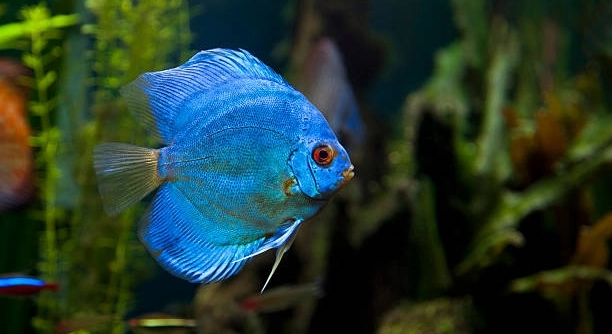
Do you keep discus fish in a shared tank and wonder about their health? Many discus owners want to know if quarantining fish from the same aquarium is necessary to prevent disease. Proper care helps maintain a healthy environment for these delicate fish.
Quarantining discus from the same tank is generally not required if the fish have shown no signs of illness and have been in stable, clean conditions. However, newly introduced or sick fish should always be isolated to avoid spreading potential infections.
Understanding the right approach to quarantine can protect your discus and keep your tank balanced. This article will explain when quarantining is important and how to manage it effectively.
Why Quarantine Matters for New Discus
When new discus fish arrive, they may carry unseen illnesses or parasites that can quickly spread to your existing tank. Quarantining new arrivals in a separate tank for at least two to four weeks helps protect your main aquarium. During this period, you can observe the fish closely for any signs of stress or disease. Proper quarantine also allows time to treat infections before introducing the fish to others. Skipping this step can put your entire discus community at risk, especially since discus are sensitive to water quality and stress. A quarantine tank should have stable water parameters similar to the main tank to reduce shock. Feeding and monitoring are easier in quarantine, making treatment more effective. This precaution saves you from costly treatments and loss of fish later on.
Quarantine helps ensure new discus do not bring illness into your established tank.
Setting up a quarantine tank requires patience and attention to detail. The quarantine environment should mimic the main tank’s temperature and water conditions as closely as possible. Using a sponge filter will prevent strong water flow that could stress the fish. Monitor water quality daily and perform regular partial water changes to keep ammonia and nitrite at zero. It is important to feed quarantined discus a high-quality diet to maintain their strength and immune system. Watch for symptoms such as unusual spots, clamped fins, or lethargy, which indicate potential health problems. If any issues arise, consult with a veterinarian or experienced aquarist for proper medication. After the quarantine period, gradually acclimate the new discus to the main tank water to reduce stress. This process helps protect your discus community from disease and promotes a healthier tank environment.
Quarantine for Healthy Tank Maintenance
Quarantine is not just for new fish; it also helps when fish show signs of illness or unusual behavior.
Quarantining sick discus separately can prevent disease outbreaks and allow targeted treatment. Even healthy-looking discus can carry diseases that stress triggers may reveal later. A routine quarantine practice is a wise precaution, especially when adding multiple fish or changing sources. Keeping a dedicated quarantine tank prepared saves time and effort when health concerns arise. It also reduces the risk of losing fish in your main display tank, which can be costly and upsetting. Proper quarantine practices contribute significantly to maintaining a stable and healthy aquarium, giving your discus the best chance to thrive in a clean, safe environment.
How to Set Up a Quarantine Tank
A quarantine tank should be small but spacious enough for discus to swim comfortably. It needs a heater, gentle filtration, and stable water conditions matching the main tank.
Start with a clean tank and cycle it before adding fish. Use a sponge filter to provide gentle water flow and avoid stressing the discus. Maintain a temperature between 82°F and 86°F, which is ideal for discus. Monitor water parameters daily to keep ammonia and nitrites at zero. Provide hiding spots with plants or decorations to reduce stress. Feed the fish a nutritious diet to support their immune system. Regular water changes are essential to keep the environment healthy and stable during quarantine.
Keeping the quarantine tank well-maintained helps discus recover from travel stress and prevents disease transmission. This controlled environment allows better observation and early treatment if needed. Proper setup and care during quarantine increase the chances of a smooth transition to the main tank.
Signs Your Discus Need Quarantine
If your discus show signs of illness such as lethargy, loss of appetite, or unusual spots, quarantine is necessary.
Quarantining sick discus protects others and helps you address health issues quickly. Observe for clamped fins, white patches, or rapid breathing, which often indicate infection or parasites. Quarantine allows for focused treatment without affecting the main tank’s stability. Early isolation minimizes the spread of diseases and reduces stress for both sick and healthy fish. Maintaining good quarantine habits ensures that your discus remain healthy and your tank stays balanced, even when health problems arise.
When to Skip Quarantine
If discus have lived together for months without signs of illness, quarantining them again is usually unnecessary.
Stable tank conditions and healthy fish reduce the risk of disease spreading, making repeated quarantine less critical unless new fish arrive or illness appears.
Common Quarantine Treatments
Common treatments during quarantine include antiparasitic baths, antibiotics, and water conditioners. These address infections and parasites without harming discus if used correctly. It is important to follow dosage instructions and observe fish for side effects.
Quarantine Duration
The typical quarantine period ranges from two to four weeks.
This timeframe allows for thorough observation and treatment to ensure fish health before introduction to the main tank.
How long should discus be quarantined before adding them to the main tank?
Quarantine for discus typically lasts between two to four weeks. This period allows enough time to observe any signs of illness or parasites that might not be immediately visible. It also gives time for any necessary treatments to work effectively. Two weeks is the minimum, but four weeks provides a safer margin, especially for new or wild-caught discus.
Is it necessary to quarantine discus if they come from the same tank?
Generally, quarantining discus already living together in the same tank is not necessary unless there is a health concern. If the discus have been together for a while with no illness or stress, the risk of spreading disease is low. Quarantine should be reserved for new arrivals or fish showing signs of illness.
Can I quarantine discus in the same tank by isolating them with a divider?
Using a divider inside the main tank can provide some isolation, but it is not a true quarantine. Disease and parasites can still pass through the water, and stress may increase due to limited space and visibility of other fish. A separate quarantine tank is better for effective isolation and treatment.
What are the key signs that indicate discus need quarantine?
Look for signs such as lethargy, loss of appetite, clamped fins, white spots or patches, rapid breathing, or unusual swimming behavior. These symptoms often indicate infections, parasites, or stress. Early quarantine and treatment help protect other fish in the main tank.
How should I treat discus in quarantine?
Treatment depends on the specific illness but commonly includes antiparasitic baths, antibiotics, and water conditioners. Always follow dosage instructions carefully. Maintain stable water conditions and monitor the fish closely for side effects or improvement. If unsure, seek advice from a vet or experienced aquarist.
Can quarantine stress discus fish?
Yes, quarantine can stress discus if water conditions are unstable or the tank is too small. To reduce stress, maintain clean water, proper temperature (82°F to 86°F), and provide hiding spots. Feeding nutritious food also helps fish recover from transport stress and build immunity.
How often should I change water in a quarantine tank?
Daily or every other day partial water changes of 20-30% are recommended. This keeps ammonia and nitrite levels low and maintains water quality. Clean water is essential to help discus heal and stay strong during quarantine.
What equipment is needed for a quarantine tank?
A quarantine tank requires a heater to maintain stable temperatures, a gentle sponge filter to avoid strong currents, and a thermometer. Plants or decorations can offer hiding places. The tank should be cycled before use to ensure beneficial bacteria are established.
Can I skip quarantine if the discus looks healthy?
Skipping quarantine increases the risk of introducing diseases to your main tank. Even healthy-looking fish can carry parasites or infections not yet visible. Quarantine is a simple precaution to keep your entire discus population safe and healthy.
What is the best way to introduce quarantined discus to the main tank?
Acclimate discus slowly by gradually mixing tank water with quarantine water over several hours. This helps the fish adjust to new water parameters and reduces stress. Avoid sudden changes in temperature or chemistry, which can cause shock.
Is it safe to treat discus directly in the main tank?
Treating sick discus in the main tank is risky because medication can harm beneficial bacteria and other fish. It is better to isolate and treat sick discus in quarantine to avoid upsetting the tank’s balance.
How do I know if quarantine was successful?
If after the quarantine period the discus show no signs of illness, behave normally, and have a good appetite, quarantine was successful. Introduce them slowly to the main tank, continuing to watch for any delayed symptoms.
Can quarantine tanks be used for other fish species?
Yes, quarantine tanks can be used for any fish species when introducing new fish or treating illness. The same principles of stable water, gentle filtration, and observation apply regardless of the species.
What water parameters should I maintain during quarantine?
Maintain a temperature of 82°F to 86°F, pH around 6.5 to 7.0, and keep ammonia and nitrite at zero. Stable water conditions reduce stress and support immune function in discus.
How do I prevent diseases when buying new discus?
Buy from reputable breeders or stores with good fish care practices. Observe the fish carefully for signs of illness before purchase. Always quarantine new fish before adding them to your main tank to prevent disease spread.
Quarantining discus fish is an important step to protect the health of your aquarium. When new discus arrive or if a fish shows signs of illness, isolating them in a separate tank helps prevent disease from spreading. This process allows you to observe the fish closely and provide treatment if needed. Skipping quarantine can lead to costly health problems in your main tank, so it is better to take the time to set up a proper quarantine system.
A quarantine tank does not need to be large but must have stable water conditions similar to the main tank. Keeping the temperature steady between 82°F and 86°F, using gentle filtration, and providing hiding places reduces stress for the fish. Regular water changes and close monitoring of water quality help maintain a healthy environment during quarantine. Feeding high-quality food supports the discus’s immune system, helping them recover from travel or illness. This controlled environment is the best way to ensure your discus are healthy before introducing them to your display tank.
Not all discus need quarantine all the time. If fish have lived together for a long time without any signs of sickness, there is less risk of spreading disease between them. However, quarantining new arrivals and sick fish is always a good practice to keep your tank safe. Understanding when and how to quarantine your discus will improve their chances of staying healthy and thriving in your care. Taking these precautions makes maintaining a discus tank easier and more enjoyable in the long run.

Hello,
If you enjoy the content that we create, please consider saying a "Thank You!" by leaving a tip.
Every little bit helps us continue crafting quality advice that supports the health, happiness, and well-being of pets around the world, for pets of all shapes, sizes, and species.
We really appreciate the kindness and support that you show us!