
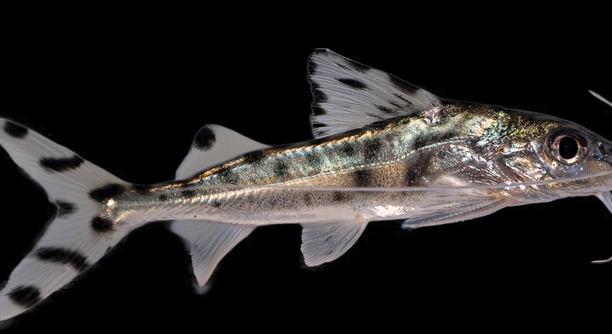
A lone Pictus catfish can be an interesting addition to a home aquarium. These fish are known for their peaceful nature and unique appearance. Many aquarium keepers wonder if quarantine is necessary for a single Pictus catfish before introducing it to a tank.
Quarantining a lone Pictus catfish is generally recommended to prevent disease introduction and stress. Isolating the fish allows for health monitoring and treatment if needed, ensuring the safety of existing tank inhabitants and promoting overall aquatic well-being.
Understanding the reasons behind quarantine helps maintain a healthy environment for your fish. The following details explain best practices for caring for your Pictus catfish safely.
Why Quarantine Matters for a Lone Pictus Catfish
Quarantine is an important step when introducing any new fish to your aquarium, including a lone Pictus catfish. Even a healthy-looking fish can carry diseases or parasites that may not be immediately visible. Keeping the fish in a separate tank for observation helps catch any signs of illness early before they spread to other fish. Stress from new environments can weaken the immune system of the catfish, making it more vulnerable to infection. Quarantine also allows you to monitor feeding habits and behavior closely. This careful approach protects the established tank community and supports the well-being of your lone Pictus catfish. It may feel like extra work, but it can save a lot of trouble in the long run.
Quarantine periods typically last between two to four weeks, depending on the situation and the fish’s condition.
Proper quarantine care involves keeping water clean and stable, using appropriate medication if necessary, and avoiding overcrowding to reduce stress. Monitoring water parameters like temperature, pH, and ammonia levels is essential during this time. Providing hiding spots can help the fish feel secure and reduce stress. Observing for unusual behavior such as lethargy, loss of appetite, or spots on the skin gives clues about potential health problems. Once the quarantine period is over and the fish shows no signs of illness, it can be safely introduced to the main tank. This cautious process ensures the health of both the lone Pictus catfish and any existing fish in your aquarium.
Quarantine Setup Tips for a Lone Pictus Catfish
A separate tank with similar water conditions is necessary for quarantine.
The quarantine tank should be easy to clean and maintain. Use a simple filter and perform regular water changes. Avoid strong currents, as Pictus catfish prefer calm environments. Keep the tank dimly lit and provide places to hide, such as plants or decorations. This setup helps reduce stress and promotes recovery if the fish is unwell. Maintaining good water quality and monitoring daily will support the health of your lone Pictus catfish throughout quarantine. Once the fish has been cleared for introduction, gradually acclimate it to the main tank’s conditions. This slow adjustment helps avoid shock from sudden changes in water parameters.
Common Health Issues During Quarantine
Stress is a major factor affecting a Pictus catfish’s health during quarantine. Stress weakens their immune system, making them more prone to infections. Common issues include fin rot, ich, and bacterial infections. Close observation helps catch these problems early.
Fin rot often starts with frayed or discolored fins. It can result from poor water quality or injury. Treatment usually involves improving water conditions and using antibacterial medications. Ich appears as small white spots on the fish’s body and fins. It spreads quickly if untreated and requires specific antiparasitic treatment. Bacterial infections can cause redness, swelling, or ulcers on the skin. These infections respond well to antibiotics if caught early. Quarantine allows these conditions to be isolated and managed without risking other fish.
Ensuring stable water parameters is key to preventing these health issues. Avoid sudden temperature or pH changes. Clean water reduces bacteria buildup and lowers infection risk. Adding aquarium salt may support healing but should be used carefully. Feeding a balanced diet strengthens the fish’s resilience. Proper quarantine care minimizes the chance of serious illness before introducing the catfish to the main tank.
Introducing Your Pictus Catfish to the Main Tank
Before moving your Pictus catfish to the main aquarium, slowly acclimate it to the new environment. This reduces shock from differences in water chemistry. Begin by floating the quarantine bag or container in the main tank for about 15 to 20 minutes to equalize temperature.
Gradually add small amounts of tank water into the quarantine container over an hour or more. This helps the fish adjust to the new water parameters. After acclimation, gently release the catfish into the tank without adding quarantine water. Monitor its behavior closely for the first few days to catch any signs of stress or illness. Keep feeding routines consistent and maintain water quality to support a smooth transition. Careful introduction improves your catfish’s chances of settling in well and staying healthy.
Signs Your Pictus Catfish Is Ready for the Main Tank
Healthy appetite and active swimming are good indicators your catfish is ready. The fish should show no signs of illness or unusual behavior during quarantine.
Clear eyes, intact fins, and smooth skin also suggest the fish is well-prepared for introduction. Observing these signs helps ensure a safe move.
How to Maintain Health After Quarantine
Maintaining good water quality is vital for long-term health. Regular water changes and monitoring parameters prevent stress and disease. Keep the tank clean and avoid overcrowding to reduce competition and aggression. Feeding a balanced diet supports the fish’s immune system and vitality.
Avoiding Common Mistakes
Rushing the quarantine process can expose the tank to disease. Avoid sudden water changes or introducing untreated fish. Patience in quarantine and acclimation protects both the Pictus catfish and existing aquarium inhabitants.
FAQ
How long should I quarantine a lone Pictus catfish?
A quarantine period of two to four weeks is generally recommended. This time frame allows you to observe the fish for any signs of illness and treat problems early. If the catfish shows no health issues after this period, it is usually safe to introduce it to your main tank.
Can I skip quarantine if the fish looks healthy?
Skipping quarantine is not advisable. Many diseases or parasites can be hidden and not visible at first. Quarantine helps protect the existing fish in your tank from potential infections that may be introduced by a new fish, even if it appears healthy.
What equipment do I need for quarantine?
A simple quarantine tank or container with a filter, heater, and aeration is essential. The tank should be easy to clean and maintain. Providing hiding places like plants or decorations will reduce stress for your Pictus catfish during this period.
What are common signs of illness during quarantine?
Look for frayed fins, white spots, redness, swelling, lethargy, or loss of appetite. These signs could indicate infections like fin rot, ich, or bacterial problems. Early detection makes treatment more effective and reduces risks for other fish.
How do I treat common diseases during quarantine?
Treatment depends on the disease. Antibacterial medications are effective against fin rot and bacterial infections. Specific antiparasitic treatments are needed for ich. Maintaining good water quality, stable temperature, and clean surroundings supports recovery.
Is feeding important during quarantine?
Yes, feeding a balanced diet helps strengthen your catfish’s immune system. Offer high-quality food suitable for Pictus catfish, but avoid overfeeding, as leftover food can pollute the water and increase stress.
Can I quarantine multiple fish together?
It is best to quarantine fish individually or in very small groups to prevent the spread of disease. Overcrowding can cause stress and increase infection risk, making treatment harder. Lone quarantine ensures better monitoring of each fish’s health.
What water conditions should I maintain during quarantine?
Keep water temperature, pH, and hardness similar to the main tank. Stable parameters reduce stress and support healing. Regular water changes and good filtration are also necessary to maintain water quality and remove waste.
How do I introduce the fish to the main tank after quarantine?
Use a slow acclimation process. Float the quarantine container in the main tank to equalize temperature, then gradually mix tank water into the quarantine water over an hour or more. This helps your Pictus catfish adjust without shock.
What if my catfish shows signs of illness after quarantine?
If symptoms appear after introduction, isolate the fish again if possible and treat accordingly. Consult a veterinarian or fish health specialist for advice. Preventing illness through proper quarantine and care is always easier than treating sick fish later.
Quarantining a lone Pictus catfish is a careful step that helps keep both the new fish and the existing aquarium safe. Taking the time to observe the fish in a separate tank allows you to catch any health issues early. This period can feel like extra work, but it is important for preventing diseases from spreading. A healthy Pictus catfish will be more likely to settle comfortably in its new home when it has been properly cared for during quarantine. The process also gives you peace of mind, knowing you have done what is necessary to protect your aquarium’s balance.
During quarantine, maintaining stable water conditions and providing a stress-free environment are key. Clean water and proper temperature help the catfish’s immune system stay strong. Feeding a balanced diet supports recovery and overall health. Watching for any changes in behavior or appearance can signal problems before they worsen. Treating any illness promptly in quarantine is easier and safer than managing sickness once the fish joins other tank mates. Taking these steps thoughtfully improves the chances that your Pictus catfish will thrive after introduction.
Introducing a Pictus catfish after quarantine requires patience and care. Acclimating the fish slowly to its new environment helps reduce stress and prevents shock from sudden changes in water conditions. Observing the fish closely during the first days in the main tank helps catch any signs of discomfort or illness early. Keeping good water quality and a consistent feeding routine supports a smooth transition. Overall, quarantine is a valuable practice that benefits both the lone Pictus catfish and the entire aquarium community. Following these guidelines leads to a healthier, happier fish and a more balanced aquatic environment.

Hello,
If you enjoy the content that we create, please consider saying a "Thank You!" by leaving a tip.
Every little bit helps us continue crafting quality advice that supports the health, happiness, and well-being of pets around the world, for pets of all shapes, sizes, and species.
We really appreciate the kindness and support that you show us!