
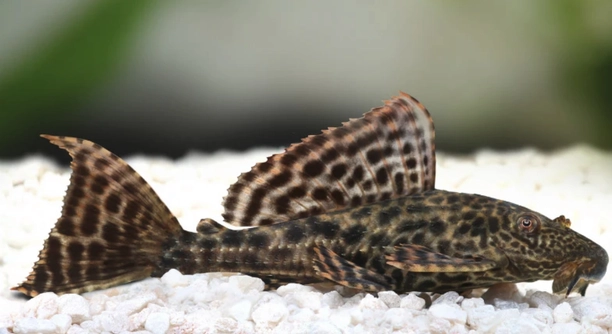
Do you ever find yourself setting up a peaceful tank for your betta fish and wondering if a pleco could fit in too?
Keeping plecos with betta fish is generally not recommended due to differences in behavior, tank requirements, and potential territorial conflicts. Compatibility depends heavily on the pleco species and individual fish temperaments.
Knowing which plecos might work and what precautions to take can help you decide if this pairing is a safe choice for your tank.
Understanding Betta and Pleco Behavior
Betta fish are known for being territorial, especially males. They do best in calm environments without much competition for space. On the other hand, plecos are bottom dwellers that usually keep to themselves. While this might seem like a perfect match, bettas can still get stressed by tankmates they don’t understand or recognize. Some plecos, especially larger species like the common pleco, can become aggressive or outgrow the tank quickly. Even smaller ones like the bristlenose pleco may cause problems if the space is too small or food is limited. Their different habits and needs can lead to stress, damaged fins, or poor water quality. Keeping them together requires careful planning and a properly sized tank. You’ll also need to keep an eye on their interactions to make sure things stay peaceful. Compatibility is possible, but not guaranteed, and depends on the specific species and tank setup.
It’s important to understand their space and dietary needs before placing them in the same tank.
When choosing tankmates, remember that even peaceful fish can create problems when space is tight or routines don’t match. Monitoring is key to preventing stress and aggression. Always start with a separate quarantine period before introducing them to the main tank.
Choosing the Right Pleco
Not all plecos are good choices for small tanks or sensitive fish like bettas.
Smaller plecos such as the bristlenose, clown, or rubber lip pleco are generally more peaceful and easier to manage in community tanks. They stay under six inches and are less likely to disturb the betta. These plecos prefer hiding spots and consistent food sources like algae wafers and vegetables. On the other hand, common plecos and sailfin plecos grow too large for most home aquariums and can become territorial. If a pleco feels threatened or competes for food, it may latch onto slower-moving fish, including bettas. That can lead to stress or injury. Tank size is also crucial—at least 20 gallons is recommended when pairing a small pleco with a betta. Good filtration, regular water changes, and plenty of hiding areas help reduce tension. Stick to one pleco per tank to avoid crowding and potential fights. A well-planned environment can improve your chances of success.
Tank Setup and Water Conditions
A clean, stable environment is important when housing both plecos and bettas. Poor water quality can stress both fish and lead to illness. A properly cycled tank with good filtration and regular maintenance will help avoid these issues.
Plecos produce a lot of waste, which can quickly affect the water quality in smaller tanks. This is why a filter that can handle extra bio-load is important. Bettas prefer still water, so choosing a filter with adjustable flow can help balance both species’ needs. Include hiding places like caves, driftwood, or decorations with smooth surfaces to keep both fish comfortable. Live plants also help by improving oxygen levels and offering natural cover. Keep the temperature between 75–80°F and pH levels stable between 6.5 and 7.5. If these conditions aren’t kept consistent, it can lead to health problems and increased aggression, especially from stressed bettas.
Lighting should be gentle and on a schedule. Bright or inconsistent lighting can stress bettas and disrupt plecos’ natural hiding behaviors. Use a timer for consistent light cycles, around 8–10 hours a day. Also, avoid strong currents and keep sharp decorations out to protect betta fins and pleco bellies from damage.
Feeding and Diet Differences
Bettas eat mostly meat-based food like pellets, brine shrimp, and bloodworms. Plecos need a plant-based diet with algae wafers and blanched veggies like zucchini or spinach. If they don’t get the right food, health issues can appear quickly.
Feeding two different species in the same tank can get tricky. Bettas are fast and often eat anything that sinks, including pleco food. This can lead to bloating or constipation for bettas. Plecos are slow eaters, often feeding at night, so they may miss out if food isn’t placed properly. To fix this, try feeding bettas on one side of the tank during the day, and drop pleco food in hidden spots closer to night. Remove any uneaten food within a few hours to prevent water quality from dropping. Overfeeding causes ammonia spikes, which affect both fish. Pay attention to how much food is actually being eaten, not just how much is being offered.
Signs of Conflict or Stress
Watch for torn fins, hiding, or lack of appetite in your betta. These can be signs of stress from tankmates or poor conditions. Plecos may act restless or hide constantly if they feel unsafe or uncomfortable.
If either fish becomes aggressive, remove one immediately. Don’t wait for injuries to appear. Betta flaring, chasing, or sudden changes in behavior mean the pairing isn’t working.
When Separation is Necessary
If stress signs continue after adjusting the environment, it’s time to separate the fish. One may need a new tank to stay healthy. Long-term stress weakens the immune system, making fish more likely to get sick. Even peaceful plecos can cause issues if the tank is too small or food is limited. Watch behavior over a few days—if aggression continues or worsens, take action. A tank divider can be a temporary fix, but a separate tank is best. Always prioritize the health and safety of your fish, even if that means changing your setup.
Final Things to Consider
Plecos and bettas have very different needs. Compatibility depends on the pleco species, tank size, and how stable the setup is.
FAQ
Can I keep a betta and pleco in the same tank?
Yes, it is possible, but it requires careful consideration. While bettas and plecos can co-exist under the right conditions, it’s important to choose the correct pleco species, provide a large enough tank, and ensure that both fish’s needs are met. Bettas are territorial and may become stressed by the presence of other fish, especially those that invade their space or move too fast. Plecos, depending on their species, are often bottom dwellers and tend to stay out of the betta’s way. However, larger plecos may still cause issues with their size, aggression, or space requirements. For a peaceful tank, ensure you have enough hiding spots, plenty of food, and a stable environment.
What pleco species are best for a betta tank?
Smaller, peaceful plecos are the best choice for a tank with bettas. Species like the bristlenose pleco, clown pleco, or rubber lip pleco tend to be calmer and don’t grow too large. These plecos will thrive in a community tank as long as the space is sufficient and there are hiding spots for both species. Avoid common plecos or sailfin plecos, as they grow too large and can become aggressive, even if they start off peaceful. Always check the full adult size of the pleco species you choose to ensure it is suitable for your tank size and setup.
How big of a tank do I need for a betta and pleco?
A minimum of a 20-gallon tank is recommended when keeping a betta and pleco together. A larger tank will give both fish enough space to establish territories and reduce stress. Plecos, especially when they grow larger, produce a lot of waste, which can quickly degrade water quality. A larger tank will provide more stable water conditions and more room for both fish to avoid each other. In a smaller tank, water parameters may fluctuate too quickly, leading to stress and potential aggression from the betta.
Will a pleco eat my betta’s food?
Plecos are primarily herbivores and won’t actively seek out meat-based food that a betta eats. However, if you feed your betta and leave leftovers, the pleco may scavenge those. Plecos are bottom dwellers and will eat anything that sinks to the bottom, but their preference is algae and plant matter. If you see your betta’s food disappearing quickly, it’s best to feed them at different times or provide food in separate areas of the tank. This ensures both fish are getting the nutrition they need without competing for the same food.
Can a betta and pleco live in a 10-gallon tank?
A 10-gallon tank is too small for both a betta and a pleco, especially when considering the pleco’s waste production and space requirements. Bettas need space to swim and explore, and plecos require room to graze on algae and move around. The small tank size would cause both fish to feel cramped, leading to stress and potentially aggressive behavior. A 10-gallon tank also has less stable water parameters, which can negatively affect the health of both species. A 20-gallon tank or larger is highly recommended for a peaceful, healthy environment.
How do I stop my betta from being aggressive towards my pleco?
Bettas are naturally territorial, so it’s important to minimize their triggers. Make sure the tank has plenty of hiding places and visual barriers, such as rocks or plants, to give both fish space. Keep the tank environment calm and avoid sudden movements or changes that could cause stress. If your betta is particularly aggressive, consider using a tank divider to separate them temporarily until they adjust. You can also add decorations or plants that block the betta’s view of the pleco, reducing territorial behavior. Finally, ensure the tank is large enough, with no overcrowding, as that can lead to more aggression.
Can I add more than one pleco with my betta?
It’s generally not recommended to add more than one pleco to a tank with a betta. Plecos, especially in small tanks, can become territorial with each other, which could lead to aggression. Bettas themselves can be aggressive and may target another pleco if they feel threatened or if resources like food or space become limited. If you want to add multiple plecos, make sure your tank is large enough, ideally over 40 gallons, to provide enough space for each fish to have its own territory. However, for the sake of simplicity and peace, one pleco is usually best.
Do plecos need special care?
Yes, plecos do need some specific care. They require regular access to algae or algae wafers, especially if there isn’t enough natural algae in the tank for them to eat. Some species also enjoy occasional vegetable matter like zucchini or cucumber. Plecos also produce a lot of waste, so it’s important to have a strong filter and to do regular water changes to keep the water clean. Some plecos may need caves or other hiding spots to feel secure, so providing them with a variety of decorations can help mimic their natural environment. If you’re keeping a pleco with a betta, it’s crucial to monitor their behavior and ensure the tank setup minimizes stress for both species.
Can plecos and bettas live with other fish?
Bettas can be kept with other peaceful fish, but their territorial nature can make it difficult to house them with aggressive species. When choosing tankmates, consider fish that are calm, non-fin nippers, and not too similar in appearance to bettas. Plecos can live with other peaceful species, but again, you’ll want to avoid other bottom dwellers or large, aggressive fish that might fight over territory. Small, peaceful community fish like tetras, corydoras, or guppies can coexist well with both bettas and plecos in a well-maintained tank.
What should I do if my pleco and betta are fighting?
If your betta and pleco are fighting, separate them immediately. If possible, use a tank divider to give them both their own space within the same tank. Fighting can lead to injuries, and prolonged stress can damage your betta’s health. Ensure your tank is large enough and has plenty of hiding spots, and consider checking the water quality to rule out any environmental stressors. If the aggression continues, it might be best to rehome one of the fish. Prioritize the well-being of both fish to avoid any long-term harm.
When considering keeping plecos and bettas together, it’s important to remember that they have different needs. Bettas are territorial and may not tolerate other fish invading their space. Plecos, while generally peaceful, can grow large or act aggressively, which can lead to conflicts in a shared tank. In smaller tanks, it’s even more challenging to keep both species happy. To minimize the risk of aggression, it’s crucial to choose the right pleco species, such as the bristlenose or clown pleco, which are smaller and less likely to cause issues. Additionally, the tank must be large enough to give both fish enough room to feel secure.
Another key consideration is water quality. Plecos are known for producing a lot of waste, which can quickly degrade the tank’s water if not managed properly. Bettas are sensitive to water conditions, and poor water quality can cause stress or illness. It’s important to have a strong filter system that can handle the extra waste load from the pleco, as well as frequent water changes to maintain a clean environment. A 20-gallon tank is the minimum recommended size, but a larger tank can help improve the chances of success. This size ensures enough space for both fish to have their own territories, reducing stress and the likelihood of aggressive behavior.
Lastly, feeding habits must be closely monitored. Bettas and plecos have different dietary needs. Bettas are carnivores, while plecos are primarily herbivores. When feeding both fish in the same tank, make sure to feed them at separate times to avoid competition. Plecos tend to scavenge food that sinks to the bottom of the tank, but they primarily eat algae and plant matter. Providing them with enough algae wafers, vegetables, and hiding spots is important for their health. Bettas should be fed their preferred meat-based foods, such as pellets or live foods. Ensuring both fish are well-fed without competing for food will help maintain a peaceful environment.
Ultimately, keeping plecos and bettas together can work if the right precautions are taken. Carefully choosing a pleco species, ensuring the tank is large enough, and maintaining water quality are all essential to their well-being. However, their compatibility isn’t guaranteed, and monitoring their behavior regularly is key. If aggression or stress becomes too high, separating the fish may be the best option. Always prioritize their health and happiness when making decisions for your aquarium.

Hello,
If you enjoy the content that we create, please consider saying a "Thank You!" by leaving a tip.
Every little bit helps us continue crafting quality advice that supports the health, happiness, and well-being of pets around the world, for pets of all shapes, sizes, and species.
We really appreciate the kindness and support that you show us!