
Many aquarium enthusiasts enjoy keeping a variety of species together to create a lively tank environment. Pictus catfish and shrimp are both popular choices due to their unique behaviors and appearances. Understanding how they interact is important for a healthy aquarium.
Pictus catfish can sometimes prey on shrimp, especially smaller or slower individuals, making their coexistence risky. While some shrimp species might survive, it is generally not recommended to keep them together without careful planning and monitoring.
This article will explain the key factors affecting their compatibility and offer advice to help you decide if keeping pictus catfish with shrimp is right for your tank.
Understanding Pictus Catfish Behavior
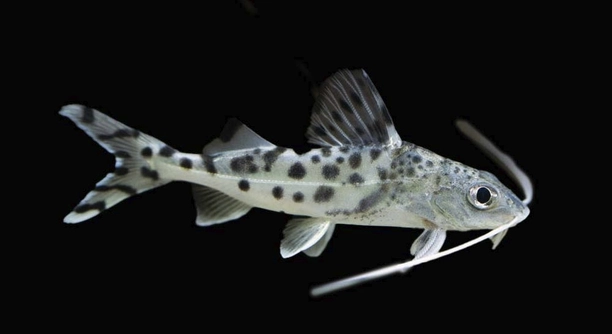
Pictus catfish are active, fast-moving fish that enjoy scavenging along the bottom of the tank. They have sharp barbels and a strong sense of smell, which helps them find food in dim lighting. Because of their speed and hunting skills, they can sometimes see smaller tank mates, like shrimp, as potential prey. While pictus catfish mostly feed on sinking pellets and small live or frozen foods, they are opportunistic eaters. This means that if shrimp are slow or weak, they might be targeted. Their natural behavior is not aggressive by nature but more about survival instincts. To keep a balanced aquarium, it’s important to consider the size and species of shrimp you want to add, as some shrimp are better at hiding or moving quickly enough to avoid being caught.
Choosing shrimp that are larger or more agile can reduce the chances of them being eaten. Hiding places and plants also help shrimp stay safe in a tank with pictus catfish.
When setting up a community tank, the tank size and complexity of the environment are important. Larger tanks with plenty of hiding spots can lower the risk of shrimp being preyed upon. Adding decorations such as plants, rocks, and caves provides shrimp with places to escape. A well-planned tank setup gives both species space to thrive without constant stress or threat.
Shrimp Species Suitable for Pictus Catfish Tanks
Not all shrimp species have the same risk level in a tank with pictus catfish. Larger species like Amano shrimp are usually more successful at coexisting because they grow big enough to avoid being eaten. Amano shrimp also move quickly and are excellent at hiding in plants and decorations. On the other hand, tiny shrimp like cherry shrimp or crystal red shrimp are more vulnerable due to their small size and slower movement. Their bright colors can make them easier to spot as well.
Amano shrimp provide a good balance because they clean algae and detritus while being less likely to be seen as food by pictus catfish.
Choosing shrimp with good survival traits, such as speed and size, can make your tank more peaceful. It’s helpful to observe how your fish behave after introducing shrimp and be ready to separate them if needed. Over time, you’ll learn which shrimp species fit best with your pictus catfish and tank setup.
Tank Setup for Pictus Catfish and Shrimp
Providing plenty of hiding places is essential when keeping pictus catfish with shrimp. Dense plants, rocks, and caves help shrimp avoid being caught. The tank should be large enough to allow each species to have its own space.
A well-structured tank reduces stress and aggression by giving shrimp places to retreat. Live plants such as Java fern or moss can offer both cover and grazing surfaces for shrimp. Adding leaf litter or driftwood can also create natural hiding spots. Avoid overcrowding, as tight spaces increase the chance of shrimp being targeted by catfish. Maintaining good water quality and stable conditions helps both species stay healthy and less stressed, which further lowers aggressive behavior.
Regular observation is important to spot any signs of stress or shrimp loss early. Adjusting the layout by adding more plants or decorations can improve shrimp survival rates. Separating shrimp temporarily is an option if predation becomes a problem.
Feeding Considerations
Pictus catfish are bottom feeders and will eat sinking pellets or frozen foods. Shrimp mostly feed on algae, biofilm, and leftover food. Feeding both species adequately helps reduce competition and stress.
Offering sinking pellets ensures pictus catfish get enough food without disturbing shrimp too much. Supplementing shrimp diet with algae wafers or blanched vegetables can keep them healthy. Feeding in different areas of the tank encourages less competition. Overfeeding should be avoided, as excess food can harm water quality. Clean the tank regularly to prevent waste buildup. Balanced feeding supports peaceful coexistence by reducing hunger-driven aggression and helping shrimp stay strong and quick.
Monitoring Tank Behavior
Regularly watching how your pictus catfish and shrimp interact is key. Early signs of stress or aggression should not be ignored. Adjustments can prevent bigger problems.
If you notice shrimp hiding too much or disappearing, it may be time to rethink tank arrangements or separate them temporarily for safety.
Common Problems and Solutions
One common issue is shrimp predation, especially with smaller shrimp species. Providing ample hiding spots and feeding properly can reduce this risk. Another problem is poor water quality, which stresses both shrimp and catfish. Regular water changes and monitoring parameters like ammonia and nitrite help keep the environment safe. Overcrowding can cause competition and aggression, so maintaining a balanced stocking level is important. Addressing these problems quickly helps maintain a peaceful tank and ensures both species thrive together.
Signs of Stress in Shrimp
Shrimp that are stressed may hide excessively, lose color, or become lethargic.
FAQ
Can pictus catfish and shrimp live peacefully together?
Pictus catfish and shrimp can sometimes live together, but it depends on several factors. Larger shrimp like Amano shrimp tend to do better because they are less likely to be eaten. Smaller shrimp, like cherry shrimp, are at higher risk. Tank size, hiding spots, and feeding habits also play big roles in their peaceful coexistence.
What shrimp species are safest with pictus catfish?
Amano shrimp are usually the safest choice because of their size and speed. They are better at escaping and hiding. Some hobbyists also have moderate success with larger ghost shrimp. Small, colorful shrimp like cherry shrimp are more vulnerable because they are easier targets due to their size and bright colors.
How can I protect shrimp from pictus catfish?
Providing plenty of plants, rocks, and caves is the best way to protect shrimp. Dense vegetation gives them places to hide. Feeding the catfish well also helps reduce their interest in shrimp. Setting up a large tank with multiple hiding spots lowers the chance of shrimp being eaten.
Is it necessary to feed shrimp separately?
Yes, feeding shrimp separately helps ensure they get enough food. Shrimp often graze on algae and biofilm, but adding algae wafers or blanched vegetables supplements their diet. Feeding in different spots reduces competition and stress between shrimp and catfish.
What signs show shrimp are stressed in a tank?
Shrimp under stress tend to hide more than usual, lose their vibrant colors, or move slowly. If they stop eating or molt poorly, it may also indicate stress. Stress can result from poor water quality, aggression from fish, or insufficient hiding places.
Can stress in shrimp lead to health problems?
Yes, stressed shrimp are more likely to get sick or die. Poor water quality or constant threat from tank mates weakens their immune system. It’s important to maintain clean water and a calm environment to keep shrimp healthy.
How often should I check water quality when keeping shrimp and pictus catfish?
Check water parameters like ammonia, nitrite, and nitrate at least once a week. Both shrimp and pictus catfish are sensitive to poor water quality. Keeping the water stable with regular changes reduces stress and disease risks.
Can pictus catfish harm shrimp eggs or babies?
Yes, pictus catfish may eat shrimp eggs and young shrimp because they are small and easy prey. If you plan to breed shrimp, consider separating eggs or babies until they grow big enough to avoid being eaten.
Are there any tank size recommendations for keeping these species together?
A tank of at least 30 gallons is recommended to give enough space for both pictus catfish and shrimp. Larger tanks allow for more hiding places and reduce stress. Overcrowding increases risks, so balance the number of fish and shrimp carefully.
What should I do if I notice shrimp disappearing?
If shrimp start disappearing, check for signs of predation or poor water quality. Add more hiding spots or consider moving shrimp to a separate tank. Observing tank behavior closely helps find the cause and protect your shrimp.
Do pictus catfish get along well with other fish besides shrimp?
Pictus catfish usually get along with other peaceful bottom dwellers but can sometimes be aggressive toward slow or small tank mates. Always research compatibility before adding new species to your tank.
Can I keep baby shrimp safely with pictus catfish?
Baby shrimp are very vulnerable to being eaten. To keep them safe, you may need a separate breeding tank or lots of dense plants for hiding. Otherwise, baby shrimp survival rates can be very low.
Is it better to introduce shrimp or pictus catfish first?
Introducing shrimp first can help them establish territory and find hiding spots before pictus catfish arrive. However, the overall tank setup and size matter more than the order of introduction.
How can I tell if my pictus catfish is stressed or aggressive?
Signs of stress or aggression in pictus catfish include hiding often, chasing tank mates, or refusing food. Stress can result from poor water conditions, overcrowding, or lack of hiding spaces. Proper care and tank maintenance reduce these behaviors.
Are there any special plants that help shrimp hide better?
Plants like Java moss, Java fern, and dense carpeting plants create excellent hiding spots for shrimp. These plants provide cover and surfaces for algae growth, which shrimp feed on, supporting their health and safety.
Keeping pictus catfish and shrimp together in the same tank can work, but it requires careful planning and attention. Both species have different needs and behaviors that must be balanced for a peaceful environment. Pictus catfish are active bottom feeders who may see smaller shrimp as food, especially if the shrimp are slow or lack hiding places. Because of this natural behavior, it is important to provide a tank setup that offers plenty of cover, like plants, rocks, and caves, where shrimp can hide. This helps reduce stress for both animals and lowers the chances of predation. Choosing the right shrimp species, such as larger or more agile ones, can also improve the chances of them coexisting peacefully with pictus catfish.
A well-maintained tank with stable water quality is essential for keeping both pictus catfish and shrimp healthy. Both species are sensitive to changes in water conditions, so regular testing and water changes should be part of the routine care. Feeding habits matter too. Offering sinking pellets for the catfish and supplementing the shrimp’s diet with algae wafers or vegetables ensures both get enough nutrition. Feeding in different spots of the tank helps reduce competition and stress. Watching the tank closely for any signs of stress, illness, or aggression will allow for quick adjustments. Sometimes separating shrimp or adjusting the tank layout becomes necessary to maintain balance.
In summary, keeping pictus catfish with shrimp is possible but not without challenges. Success depends on tank size, hiding places, shrimp species, and good maintenance. Shrimp safety improves greatly with plenty of cover and the right feeding strategy. Understanding the behavior of pictus catfish helps set realistic expectations about what is possible. If you are willing to put in the time and effort, these two species can share a tank, creating a dynamic and interesting aquatic environment. With patience and care, it is possible to enjoy the unique qualities of both pictus catfish and shrimp together.

Hello,
If you enjoy the content that we create, please consider saying a "Thank You!" by leaving a tip.
Every little bit helps us continue crafting quality advice that supports the health, happiness, and well-being of pets around the world, for pets of all shapes, sizes, and species.
We really appreciate the kindness and support that you show us!