
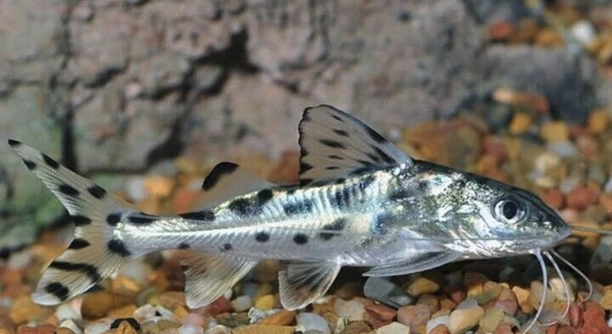
Keeping Pictus Catfish can be a rewarding experience for aquarium lovers. These small, active fish bring life and movement to a tank. Knowing how many to keep helps maintain a healthy and peaceful environment for them.
Pictus Catfish should ideally be kept in odd numbers rather than even. Odd groupings reduce territorial conflicts by disrupting pair dominance and promoting more balanced social interactions within the school. This approach supports healthier behavior and wellbeing in captivity.
Understanding the best group size can improve your tank’s harmony and your fish’s happiness. Let’s explore how numbers affect these lively swimmers.
Why Odd Numbers Work Better for Pictus Catfish
Pictus Catfish are social fish that feel more secure in groups. When kept in odd numbers, they tend to form a balanced social structure. This balance helps reduce fights and stress. In even numbers, pairs can become dominant, leading to more aggressive behavior as they compete for space or attention. Odd numbers break up these pairs, encouraging the fish to spread out their attention and avoid constant rivalry. It also allows for smoother movement in the tank, as fish are less likely to crowd or chase each other. When the group is larger and odd-numbered, the catfish share their energy more evenly, which leads to less tension. This social dynamic is crucial for their health, since stress can weaken their immune system. Keeping Pictus Catfish in odd numbers supports their natural behavior and helps them thrive in captivity.
Odd groups prevent dominance battles and promote peaceful coexistence among Pictus Catfish.
When Pictus Catfish live peacefully, their natural behaviors become more visible. They swim actively and explore their surroundings without hiding. This calm environment also makes them easier to observe and enjoy. Odd numbers provide the right balance to keep their group stable. It encourages social bonds that benefit all members. You’ll notice they spend more time together, calmly gliding through the tank. This improved social interaction makes caring for them easier and more rewarding. Understanding these subtle social needs helps maintain a peaceful aquarium.
How to Choose the Right Number of Pictus Catfish
The ideal number of Pictus Catfish depends on your tank size and setup. A small tank, under 30 gallons, should hold at least three catfish, while larger tanks can accommodate five or seven. Avoid keeping just two, as this can cause tension between the pair. Choosing odd numbers, like three, five, or seven, creates a social group that behaves more naturally. It is also important to provide plenty of hiding places and open swimming space, which helps reduce stress. With a proper environment and group size, your catfish will live healthier and show more active behaviors. The goal is to match their natural schooling instincts with your tank’s limits to keep them content and balanced.
Proper group size enhances your tank’s harmony and supports your catfish’s health.
When deciding how many Pictus Catfish to keep, always consider their social needs alongside your aquarium’s capacity. Larger groups do better in spacious tanks with good water quality and hiding spots. Smaller tanks require fewer fish but still need an odd number to prevent dominance struggles. Keeping this balance means less fighting, more natural behavior, and a happier tank overall. Planning your group size with these details in mind is the best way to enjoy Pictus Catfish at their best.
Social Behavior in Odd vs. Even Groups
Odd-numbered groups reduce aggression among Pictus Catfish by preventing the formation of strong pairs. This keeps the social dynamics more relaxed and less competitive.
In even groups, pairs may dominate and compete for resources or territory, which can cause stress and aggression. Odd groups disrupt these pairings and encourage the catfish to spread their interactions more evenly throughout the group. This creates a calmer and more cooperative environment. Each fish can focus on swimming and exploring instead of defending space or challenging a partner. The reduced tension helps maintain peace and allows natural schooling behavior to emerge.
A more balanced social structure helps fish stay healthy and active. Odd numbers encourage cooperation and reduce territorial disputes, which benefits the entire group. This is why many aquarists prefer keeping Pictus Catfish in odd numbers.
Tank Setup Considerations for Pictus Catfish
Providing enough space is essential when keeping any group of Pictus Catfish. The tank should be large enough to accommodate their active swimming and social behaviors.
A tank of at least 30 gallons is recommended for three or more catfish. Make sure to include hiding places like plants or caves to offer shelter and reduce stress. Open swimming areas are also important so the fish can move freely. Proper filtration and water quality maintain a healthy environment, which supports their social balance. A well-planned tank setup complements the benefits of keeping odd numbers of catfish by reducing conflict and promoting natural behaviors.
Feeding Behavior and Group Size
Pictus Catfish feed more confidently in groups, especially in odd numbers. This reduces fear and encourages natural foraging behavior.
When in smaller or even groups, they may become shy or competitive during feeding. Odd groups provide a sense of security, leading to healthier eating habits.
Signs of Stress in Pictus Catfish
Stress can show in erratic swimming, hiding, or loss of appetite. Odd-numbered groups help lower these signs by promoting calm interactions.
Creating a balanced social environment is key to reducing stress and keeping your catfish active and healthy.
Adjusting Group Size Over Time
As your catfish grow, consider adjusting their numbers to maintain an odd count. This keeps the social balance steady and reduces conflicts.
Adding or removing fish thoughtfully ensures your aquarium remains peaceful and the catfish stay happy and well-behaved.
FAQ
How many Pictus Catfish should I keep together?
Keeping Pictus Catfish in groups of three, five, or seven is ideal. Odd numbers reduce aggression and encourage more natural social behavior. Smaller groups may cause tension, while larger odd groups help balance dominance and create a peaceful environment.
Can I keep just two Pictus Catfish?
Two Pictus Catfish often form a dominant pair that can lead to frequent fighting or stress. This pairing creates tension as each fish tries to establish control. It is better to keep an odd number to break up pair dominance and reduce conflict.
What tank size is suitable for Pictus Catfish groups?
A minimum tank size of 30 gallons works well for three catfish. For five or seven, larger tanks with more swimming space and hiding spots are necessary. Adequate room allows the group to spread out, reducing competition and stress.
Do Pictus Catfish get along with other fish?
Pictus Catfish are generally peaceful but active fish. They do well with other community fish that are not too aggressive or territorial. Avoid keeping them with large or aggressive species that might bully or harm them.
How do I know if my Pictus Catfish are stressed?
Signs of stress include hiding more than usual, erratic swimming, loss of appetite, or faded colors. Stress can result from poor water conditions, overcrowding, or aggressive tank mates. Maintaining an odd group size helps reduce stress-related behaviors.
Can I add more Pictus Catfish later?
Yes, but add fish in odd numbers when possible to maintain balance. Introduce new fish slowly and ensure your tank can handle the increased bioload. Proper quarantine and gradual introduction reduce stress and help the group adjust smoothly.
What is the best diet for Pictus Catfish?
Pictus Catfish enjoy a varied diet that includes sinking pellets, live or frozen foods like bloodworms, and vegetables. Feeding them in groups encourages natural foraging. Ensure food reaches the bottom, where they prefer to feed.
How long do Pictus Catfish live?
With proper care, Pictus Catfish can live 8 to 10 years in captivity. Stable social groups, clean water, and good nutrition contribute to their longevity and overall well-being.
Is it okay to keep Pictus Catfish alone?
Pictus Catfish are schooling fish and tend to become stressed or shy when kept alone. They thrive best in groups where they feel secure. A solitary catfish may hide more and show less natural activity.
How do I set up a tank for Pictus Catfish?
Use a tank with soft substrate to protect their barbels. Include hiding spots like caves or plants and provide open swimming space. Maintain good filtration and stable water parameters. Group size and tank layout together promote their health and natural behavior.
Will odd numbers help if my catfish are already fighting?
If fighting occurs in even or small groups, adding an odd number of fish can help break dominance pairs and ease tension. However, it’s also important to check water quality and tank conditions, as poor environments contribute to aggression.
Are there any special care tips for Pictus Catfish?
Keep water clean and well-oxygenated, as they prefer flowing water. Avoid rough handling because their barbels are delicate. Regularly monitor their behavior and group dynamics, adjusting numbers if needed to maintain harmony.
Can Pictus Catfish reproduce in a home aquarium?
They can breed in captivity but require specific conditions, including proper water temperature and a peaceful environment. Breeding pairs are usually part of a larger odd-numbered group, where the social balance supports spawning behavior.
What should I do if my group grows too large?
If your group becomes too large, consider rehoming some fish to keep the number odd and the tank comfortable. Overcrowding increases stress and health problems. Maintaining the right group size ensures a peaceful and thriving aquarium.
How often should I feed my Pictus Catfish?
Feed them once or twice daily, offering only what they can eat in a few minutes. Overfeeding can cause water quality issues. Feeding in groups encourages natural behavior and helps monitor each fish’s appetite.
Keeping Pictus Catfish in the right group size is important for their health and happiness. Odd numbers like three, five, or seven tend to work best because they reduce fighting and stress. When catfish live in odd groups, they form better social bonds and avoid strong pairs that can cause tension. This helps the fish feel safer and act more naturally. A peaceful group means your catfish will swim freely, eat well, and show more of their interesting behaviors. Taking the time to choose an odd number can make a big difference in how your aquarium looks and feels.
The size of your tank also matters when deciding how many Pictus Catfish to keep. A tank that is too small will make any number of fish feel crowded, which increases stress and can lead to health problems. It’s best to have at least 30 gallons for a small group of three catfish, and more space if you want to keep five or seven. Providing hiding spots and open swimming areas in the tank supports their natural behavior. Clean water and good filtration also help keep your catfish healthy and active. When you match the right group size with a proper tank setup, your Pictus Catfish can thrive for many years.
Adjusting the number of catfish in your tank as they grow is another important step. Fish groups change over time, so it’s good to keep an odd number to maintain balance and reduce stress. Adding or removing fish carefully ensures that your catfish live in a calm and comfortable environment. Watching their behavior closely will help you know when changes are needed. When your group is balanced, your catfish will be more relaxed and easier to care for. Keeping these points in mind can help you enjoy your aquarium while giving your Pictus Catfish the best chance to live well.

Hello,
If you enjoy the content that we create, please consider saying a "Thank You!" by leaving a tip.
Every little bit helps us continue crafting quality advice that supports the health, happiness, and well-being of pets around the world, for pets of all shapes, sizes, and species.
We really appreciate the kindness and support that you show us!