
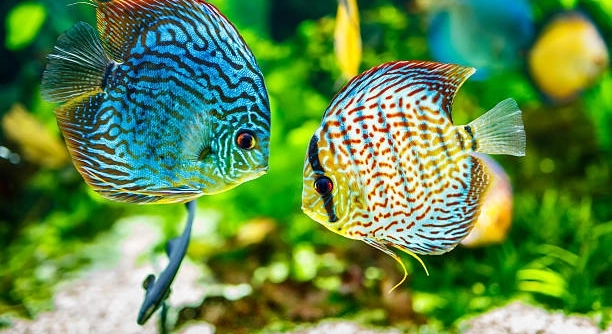
Keeping discus fish can be a rewarding experience for aquarium enthusiasts. Choosing the right group size is important for their health and social behavior. Many hobbyists debate whether to keep discus in groups of three or six for best results.
Research indicates that discus thrive better in groups of six rather than three. Larger groups promote natural social structures, reduce aggression, and support stable hierarchies, which are essential for the wellbeing and stress reduction of these fish in captivity.
Understanding group dynamics helps create a balanced environment for discus. This knowledge can improve their care and enhance the enjoyment of maintaining a healthy aquarium.
Social Behavior of Discus in Groups
Discus fish are naturally social animals that live in groups called schools. In the wild, they form groups larger than six, which helps them feel secure and reduces stress. When kept in small groups of three, discus can become territorial and aggressive because they cannot establish a clear social hierarchy. In groups of six, the fish have more room to spread out their interactions, which lowers conflict. This allows each fish to find its place within the group, maintaining balance. Additionally, a larger group encourages natural behaviors like schooling and synchronized swimming. These behaviors indicate that the fish are comfortable in their environment. Proper group size can improve overall health, reduce stress-related illnesses, and increase lifespan. This is why choosing six discus instead of three tends to be better for their well-being.
Smaller groups often lead to stress and aggression, while larger groups promote social stability and calmness.
Understanding how discus interact socially helps create a peaceful aquarium where they thrive. It also makes caring for them easier and more rewarding.
Tank Size and Maintenance
A tank with adequate space is critical for keeping discus healthy. A group of six requires more water volume and better filtration than a group of three. This is because more fish produce more waste, and discus are sensitive to water quality changes. Providing at least 50 gallons for six discus helps maintain stable water parameters and reduces stress. In contrast, three discus can be kept in a smaller tank, but the social benefits of a larger group outweigh the convenience of a smaller setup.
Choosing the right tank size is about balancing space with the number of fish and maintenance effort.
Maintaining water quality in a tank with six discus means regular water changes and efficient filtration. The larger group produces more organic waste, which can quickly affect water chemistry. Keeping water clean prevents diseases and promotes natural coloration. Besides water volume, proper tank decoration is important. Using plants, driftwood, and hiding spots allows discus to feel secure and reduces aggressive behavior. Ensuring proper temperature and pH levels also supports their health. The extra effort in tank maintenance for six discus is worthwhile since it supports their social needs and well-being better than a smaller group in a confined space. This approach creates a more natural and balanced aquarium environment.
Feeding Habits in Groups
Feeding discus in groups requires attention to ensure all fish get enough food. In smaller groups, dominant fish may eat more, leaving shy ones hungry. Larger groups spread feeding pressure more evenly.
In groups of six, discus show more natural feeding behaviors. They often feed together, which reduces competition and stress during mealtime. Providing high-quality food suited to discus nutritional needs is important to maintain their health. Feeding small amounts multiple times a day helps keep water clean and fish satisfied. Observing how each fish eats can prevent underfeeding or overfeeding, especially in bigger groups.
Smaller groups may cause some fish to miss meals due to dominance. Larger groups encourage fairness in food distribution, promoting better growth and health. Proper feeding routines contribute to a stable tank environment and happier fish overall.
Stress and Disease Management
Stress levels tend to be higher in groups of three due to increased aggression and territorial disputes. This stress weakens the immune system, making fish more susceptible to diseases. Groups of six tend to have lower stress because social roles are clearer and aggression is less frequent.
Lower stress in groups of six reduces the risk of common discus diseases such as ich and bacterial infections. A stable social structure helps maintain immune function and overall vitality. Proper quarantine procedures and regular tank maintenance further prevent disease outbreaks. Avoid overcrowding and monitor water parameters closely to keep stress minimal. Managing stress effectively supports discus longevity and quality of life in captivity.
Choosing a group size that minimizes stress directly impacts disease resistance. This reduces the need for medication and improves the success of long-term discus care.
Compatibility with Other Fish
Discus are generally peaceful but can be stressed by aggressive tank mates. Larger groups help discus feel secure and less threatened by other species.
Keeping discus in six reduces their vulnerability. They appear more confident and stable around other fish, minimizing conflict in a community tank.
Breeding Considerations
Breeding discus is easier when they are in stable groups. Groups of six allow natural pair formation without excessive competition. This improves breeding success and reduces stress on pairs.
Cost and Maintenance Effort
Maintaining six discus requires more time and money for food, filtration, and water changes. The extra effort results in healthier fish and a more natural environment.
Personal Preference
Some aquarists prefer smaller groups for simplicity, while others value the social benefits of larger groups. Choosing depends on available space and care commitment.
FAQ
Why is it better to keep discus in groups of six rather than three?
Keeping discus in groups of six supports natural social behavior. Larger groups allow fish to establish a clear social hierarchy, which reduces aggression and stress. In groups of three, fish may become territorial or aggressive due to limited social interaction options. Six discus create a balanced environment where no single fish feels pressured or isolated. This helps maintain calmer fish and improves their overall health and wellbeing.
Can discus live happily in smaller groups if space is limited?
While discus can survive in smaller groups, their social needs may not be fully met. Smaller groups increase the chances of aggression and stress because the fish have fewer companions to interact with. If space is limited, providing hiding spots and carefully monitoring behavior is essential. Regular observation and water maintenance help mitigate some risks, but larger groups remain better for natural behaviors.
Does keeping six discus require a larger tank?
Yes, six discus need a larger tank than three. A minimum of 50 gallons is recommended for six discus to maintain good water quality and provide enough swimming space. More fish produce more waste, so efficient filtration and regular water changes become more important. A larger tank also allows discus to establish territories and reduce conflicts.
How often should discus be fed when kept in groups?
Feeding small amounts multiple times daily is best for discus in any group size. Frequent feeding helps maintain water quality and prevents overeating. In groups of six, this method ensures all fish get food without competition becoming aggressive. Providing a varied diet with high-quality flakes, pellets, and frozen food supports their health.
Do discus in larger groups get along better with other fish?
Discus in larger groups tend to be more confident and less stressed, which improves their interactions with other fish. A group of six creates social stability, making discus less vulnerable to bullying or harassment from tank mates. Choosing peaceful companions that thrive in similar water conditions is also important to maintain harmony.
What are common signs of stress in discus fish?
Signs of stress include loss of color, clamped fins, reduced appetite, and erratic swimming. In small groups, these signs are often more frequent due to increased aggression. Stress can also lead to disease susceptibility. Maintaining proper group size, clean water, and a calm environment helps prevent these issues.
Is breeding discus easier in groups of six?
Breeding is generally easier in groups of six because natural pairing occurs without excessive competition. Larger groups reduce stress on breeding pairs and encourage healthier reproductive behavior. Smaller groups may cause stress or dominance issues, lowering breeding success.
How much maintenance does a tank with six discus require?
Tanks with six discus require more maintenance than smaller groups. Frequent water changes, efficient filtration, and regular monitoring of water parameters are essential. While the effort is greater, it results in a healthier and more stable environment. Good maintenance prevents disease and supports natural behavior.
Are there any disadvantages to keeping six discus instead of three?
The main disadvantages are increased cost and maintenance time. A larger tank, more food, and better filtration systems are necessary. However, these requirements come with benefits like reduced stress and improved social behavior, which often outweigh the extra effort.
Can you keep discus in groups larger than six?
Yes, discus can be kept in groups larger than six, especially in very large tanks. Larger groups can further enhance social structure and reduce aggression. However, this requires significantly more space, filtration, and care to maintain water quality and prevent overcrowding.
What tank conditions are best for keeping discus in groups?
Stable water parameters are critical. Temperatures between 82°F and 86°F, soft water with low hardness, and a slightly acidic pH (6.0–7.0) suit discus best. Consistent conditions reduce stress and support healthy social behavior. Clean, well-filtered water and gentle flow help maintain comfort.
How do you introduce new discus to an existing group?
Introduce new fish slowly by quarantining them first. Use a separate container or tank divider to acclimate them to water conditions. Adding new fish to a group of six is easier than smaller groups, as the larger social setting absorbs newcomers more smoothly. Monitor for signs of aggression during introductions.
Can discus be kept with other species in community tanks?
Discus can live with peaceful species that thrive in similar water conditions, such as tetras or corydoras. Aggressive or fast fish can stress discus, especially in smaller groups. Larger discus groups tend to be less vulnerable but careful selection of tank mates is always important.
How does tank decoration affect discus groups?
Providing plants, driftwood, and hiding places reduces stress by offering retreat spots. This is important in groups of all sizes but especially in smaller groups where social tension may be higher. Decorations help break line of sight and minimize conflicts. They also create a natural and comfortable environment.
What is the ideal group size if space or budget is limited?
If space or budget limits you, keeping at least four discus can be a compromise. This is not as ideal as six, but better than three. Ensure the tank is appropriately sized, and maintain water quality carefully. Prioritize social needs while balancing practical constraints.
How long do discus live in well-maintained groups?
With proper care and social conditions, discus can live 10 years or more. Good group dynamics, clean water, and a balanced diet contribute to longevity. Stress reduction through proper group size plays a significant role in their health and lifespan.
What are the key takeaways for keeping discus in groups?
Groups of six support natural behavior and reduce aggression. Adequate tank size and maintenance are necessary. Stress management through social balance improves health and breeding success. Careful planning helps create a stable, enjoyable aquarium for discus fish.
Final thoughts on keeping discus fish in groups center around balancing their social needs with practical care considerations. Discus are naturally social fish that thrive when kept in groups. Larger groups, such as six, generally allow them to form a more stable social structure. This reduces aggression and stress, which are common in smaller groups like three. Stress can lead to health problems and shorter lifespans, so maintaining a suitable group size supports the wellbeing of discus. When kept in groups of six, discus appear calmer, more confident, and display natural behaviors that are less likely to occur in smaller groups. This social environment is important for their overall health.
However, keeping six discus requires more space, equipment, and time. A larger tank is necessary to provide enough room for six discus to swim comfortably and establish their territories. The filtration system must be efficient to handle the increased waste produced by more fish. Regular water changes are essential to maintain clean water and stable conditions. Feeding also takes more effort to ensure all fish receive enough nutrition without overfeeding. These increased needs mean that caring for six discus demands a greater commitment from the owner. It is important to consider whether this level of maintenance fits your available time and budget before deciding on group size.
In summary, keeping discus in groups of six offers clear benefits for the fish’s behavior and health, but it also requires more resources and care. Smaller groups might be simpler to manage but often lead to increased stress and aggression among discus. Each aquarist should weigh the advantages and challenges carefully. Prioritizing the discus’ social needs while maintaining good water quality and tank conditions is the key to success. Proper planning and commitment can create a stable, healthy environment where discus can thrive over many years.

Hello,
If you enjoy the content that we create, please consider saying a "Thank You!" by leaving a tip.
Every little bit helps us continue crafting quality advice that supports the health, happiness, and well-being of pets around the world, for pets of all shapes, sizes, and species.
We really appreciate the kindness and support that you show us!