
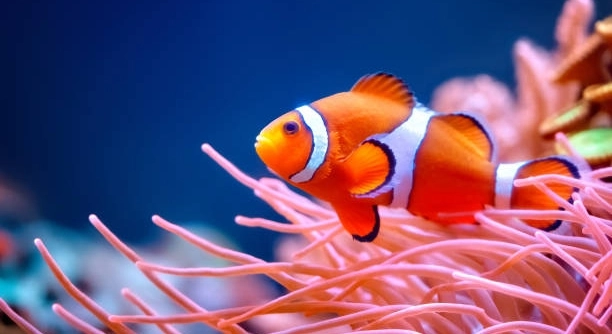
Clownfish are popular aquarium fish known for their bright colors and interesting behaviors. Many people enjoy keeping them because they add life and movement to a tank. Choosing how many clownfish to keep together is an important decision for any hobbyist.
Clownfish can be kept in pairs or groups, but their social behavior and territorial nature often make pairs more practical and less stressful for the fish. Groups require careful management to prevent aggression and ensure all fish thrive in the same environment.
Learning how to balance their social needs with tank size and care will help you create a healthy and happy home for your clownfish.
Understanding Clownfish Behavior
Clownfish are naturally territorial and often live in small groups called harems in the wild. Typically, one dominant female leads the group, with a male and several smaller males beneath her. In a home aquarium, this hierarchy can lead to competition if there are too many clownfish in a small space. When kept in pairs, clownfish usually establish clear roles and defend their territory calmly. However, if you add more fish, the dominant ones might become aggressive toward the smaller or weaker individuals. It’s important to provide enough space and hiding spots to reduce stress and conflict. Watching how your clownfish interact will help you understand their social dynamics and adjust the tank setup as needed to keep peace and health.
Clownfish show stronger pair bonds when space is limited, which reduces fights and stress between them.
Providing a tank that suits their behavior helps clownfish thrive. Too many fish in a small tank can create tension and risk their wellbeing.
Tank Size and Environment
A tank’s size plays a major role in how many clownfish can live comfortably together. For two clownfish, a minimum of 20 gallons is recommended. This allows them enough space to swim, hide, and establish their territory without feeling crowded. When adding more clownfish, the tank should be larger to reduce competition and aggression. Besides size, the tank environment should include live rock, anemones, or similar structures that offer shelter. These help clownfish feel secure and give them spots to retreat if they feel threatened. Clean water and stable conditions are also key. Monitoring water parameters and performing regular maintenance supports their health and lowers the chance of disease in both pairs and groups.
Choosing the right tank size and environment is essential for clownfish wellbeing and reduces stress in their social interactions.
Balancing tank size with the number of clownfish creates a better environment for them to live peacefully. Clownfish kept in groups need more space and resources, or else conflicts become common. On the other hand, pairs usually adapt well in smaller, well-maintained tanks. Keeping this in mind helps you plan your aquarium and care routine effectively.
Compatibility and Aggression
Clownfish tend to be more compatible when kept in pairs, especially if one is male and the other female. This pairing usually reduces aggressive behavior and helps maintain peace in the tank. Aggression becomes more common as the number of clownfish increases, particularly in limited space.
In groups, dominant clownfish may bully smaller or weaker fish, leading to stress and injury. To avoid this, it is important to observe their interactions closely and separate fish if fighting occurs. Providing plenty of hiding spots can also reduce conflicts. Some species of clownfish are more aggressive by nature, so their compatibility depends on which types you keep together. When choosing clownfish, knowing their temperament can help create a more harmonious environment.
Introducing clownfish slowly and watching their behavior helps prevent aggression. Sometimes, rearranging the tank’s layout or adding extra space can calm tensions in groups.
Feeding and Care Considerations
Feeding clownfish in pairs is simpler because they compete less for food, making it easier to ensure each fish eats enough. In groups, feeding requires more attention to prevent dominant fish from taking most of the food. Even distribution helps keep all clownfish healthy and reduces stress.
Groups may also require more frequent tank cleanings due to higher waste production. Maintaining good water quality is essential regardless of how many clownfish you keep. Overcrowding can lead to poor water conditions, which increase the risk of disease. Regular water tests and partial changes are important to support their health. Proper care means paying attention to both feeding habits and tank maintenance, which will help your clownfish thrive.
Choosing the Right Pair
Selecting clownfish that get along well is key to a peaceful tank. Picking a male and female pair usually works best. Avoid adding multiple males to prevent fighting over dominance.
Introducing new fish slowly helps them adjust to each other. Watch for signs of stress or aggression during the first days.
Signs of Stress and Aggression
Clownfish show stress by hiding, losing color, or refusing food. Aggression can look like chasing or biting. Early detection of these signs helps prevent serious injury or illness. Keeping an eye on behavior is important to maintain a healthy tank.
Adjusting Your Setup
If clownfish are aggressive or stressed, changing tank decorations or adding more hiding spots can help. Rearranging the layout disrupts established territories and may reduce fights. Regular observation allows timely adjustments for a calm environment.
Monitoring Health
Regularly check your clownfish for signs of illness or injury. Prompt care supports their wellbeing and longevity in your tank.
FAQ
How many clownfish should I keep together?
Clownfish are often best kept in pairs, especially a male and female, because they naturally form strong bonds. Groups can be kept but need a much larger tank and careful monitoring to avoid aggression. Overcrowding can lead to fighting and stress, so space and number must be balanced carefully.
Can clownfish live peacefully in groups?
Yes, but only if the tank is large enough and has plenty of hiding spots. Groups create more competition for territory and food, so dominant fish might act aggressively toward others. Managing space, tank environment, and careful species selection is necessary for peaceful group living.
What tank size is needed for clownfish pairs or groups?
A 20-gallon tank is usually enough for a pair of clownfish. If you want to keep a group, the tank should be significantly larger, ideally 40 gallons or more. More space means less stress and fewer conflicts, making it easier to care for the fish.
Are certain clownfish species better for groups?
Some species, like the Ocellaris clownfish, tend to be less aggressive and adapt better to groups. Others, like the Percula, may be more territorial. Researching species behavior helps you choose the right clownfish to keep together.
What are the signs that clownfish are stressed or aggressive?
Stress signs include hiding often, loss of color, or refusing to eat. Aggression can show as chasing, biting, or damaged fins. Early signs require action like rearranging the tank or separating fish to avoid injury.
How should I feed clownfish in groups versus pairs?
In pairs, feeding is straightforward, as both fish can eat without much competition. In groups, feeding should be spread out and timed to prevent dominant fish from taking all the food. Multiple feeding spots can help all fish get enough.
How often should I clean the tank when keeping clownfish?
For pairs, weekly water changes of 10-20% usually suffice. Groups produce more waste, so more frequent changes and cleaning may be needed. Testing water parameters often is important to keep the environment healthy.
Can clownfish switch genders in captivity?
Yes, clownfish are protandrous hermaphrodites, meaning the dominant male can change into a female if the female dies. This natural ability helps maintain the social structure in pairs or groups.
Is it okay to keep clownfish with other fish?
Clownfish can live with other peaceful species, but aggressive or large fish may stress them. Compatibility depends on tank size and species behavior. Research and planning help avoid conflicts.
What should I do if my clownfish fight?
If fighting happens, try rearranging the tank to break territories. If aggression continues, separate the fish temporarily. Giving each fish enough space and hiding places reduces tension over time.
Are anemones necessary for clownfish?
Anemones are not required but provide natural shelter and comfort for clownfish. They can reduce stress and mimic wild conditions. However, anemones need special care and may not be suitable for every tank.
How long do clownfish live in captivity?
With proper care, clownfish can live up to 10 years or more. Stable water conditions, good nutrition, and a peaceful environment contribute to their longevity.
What is the best way to introduce new clownfish?
Introduce new clownfish slowly and separately if possible. Quarantine new fish before adding them to the main tank. Adding them during feeding or rearranging decorations can help reduce territorial disputes.
Can clownfish recognize their owners?
Clownfish may become accustomed to their keepers and respond to feeding times or movements outside the tank. This recognition shows they learn from their environment but is less personal than in some pets.
Do clownfish need special lighting?
Clownfish do well under standard aquarium lighting. Lighting that supports any live plants or anemones in the tank is beneficial. Avoid sudden changes in light intensity to prevent stress.
These FAQs cover common concerns and practical advice to help you care for clownfish, whether keeping them in pairs or groups. Proper planning and attention to behavior make a big difference in their wellbeing.
Choosing whether to keep clownfish in pairs or groups depends mostly on your tank size, your experience, and how much time you want to spend managing their environment. Pairs are usually easier to care for because clownfish naturally form strong bonds between a male and female. They tend to be less aggressive in pairs, and they require less space and maintenance. If you have a smaller tank or are new to keeping clownfish, starting with a pair can be a good choice. It allows you to observe their behavior without worrying too much about fights or stress among multiple fish.
Keeping clownfish in groups can work well, but it demands more attention and effort. A larger tank with plenty of hiding spots is necessary to give each fish enough space. Without this, dominant clownfish can become aggressive and chase others, which may lead to injuries. When you decide to keep groups, you should watch them carefully and be ready to make changes, such as rearranging decorations or separating fish if fighting happens. Groups also produce more waste, so you will need to do water changes more often and test the water quality regularly. Feeding multiple clownfish requires spreading food evenly so all fish get enough to eat. These extra steps make group care more challenging but can be rewarding if you enjoy observing complex social behavior.
In the end, both pairs and groups of clownfish can be healthy and happy if their needs are met. It is important to balance their natural behaviors with your aquarium setup. Pay attention to how the fish interact, their health, and tank conditions. Keeping a peaceful environment benefits your clownfish and makes your experience more enjoyable. Whether you choose a pair or a group, proper care and observation will help your clownfish thrive over time. This makes your aquarium a vibrant and calming place to watch.

Hello,
If you enjoy the content that we create, please consider saying a "Thank You!" by leaving a tip.
Every little bit helps us continue crafting quality advice that supports the health, happiness, and well-being of pets around the world, for pets of all shapes, sizes, and species.
We really appreciate the kindness and support that you show us!