
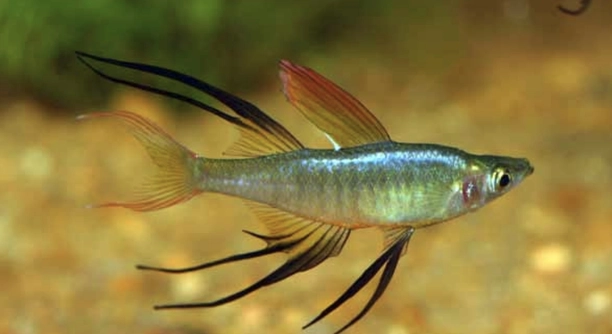
Are your Threadfin Rainbowfish showing signs of illness, such as lethargy, loss of appetite, or unusual swimming patterns? Illness in these delicate freshwater fish can be stressful for both the fish and the caretaker. Managing their health properly is essential.
Isolating a sick Threadfin Rainbowfish is often recommended to prevent the spread of disease and reduce stress. Quarantine allows for targeted treatment, observation, and ensures healthier fish remain unaffected while supporting the recovery of the ill individual.
Understanding how isolation impacts recovery and overall tank health can make a significant difference. The following guide explores best practices for keeping your rainbowfish safe and thriving during illness.
Recognizing the Signs of Illness
When my Threadfin Rainbowfish first became ill, I noticed subtle changes in behavior. They became less active, often resting near the bottom of the tank, and their bright colors seemed muted. Appetite loss was also noticeable—they ignored food they usually enjoyed. Sometimes they swam erratically, showing signs of distress that were hard to miss. External symptoms like frayed fins, cloudy eyes, or visible spots can indicate infections or parasites. Paying attention to water conditions is equally important. Poor water quality often triggers illness, so checking temperature, pH, and ammonia levels is necessary. Early recognition allows for prompt isolation and treatment. Acting quickly can prevent serious infections from spreading to other fish in the tank. Monitoring closely, even minor changes in behavior or appearance, can make a significant difference in recovery. Isolation is easier when signs are detected early, and it improves the chances of a full recovery.
Separating an ill fish early reduces stress and protects healthy fish in the main tank.
Observing fish daily helps detect illness before it becomes severe. Consistent water maintenance, careful feeding, and attention to behavior allow you to act quickly. Even small changes, such as a slight loss of color or reduced movement, can indicate a problem. By staying vigilant, you create a safer environment. Isolation is not just precaution—it’s a necessary step to ensure recovery and maintain the tank’s overall health. Implementing these steps consistently makes managing disease much simpler and reduces the risk of long-term harm.
Setting Up a Quarantine Tank
A separate tank for sick fish should be clean, properly filtered, and appropriately sized.
Creating a quarantine tank requires careful preparation. The tank should mimic the main environment in temperature and pH to reduce stress. Soft, gentle filtration is ideal, as sick fish may struggle with strong currents. Avoid overcrowding; a single fish per quarantine tank is best to prevent further stress or disease transmission. Provide hiding spots to help them feel secure. Regular water changes are essential, maintaining cleanliness without drastic chemical treatments. Monitoring the fish’s behavior and appetite daily informs treatment adjustments. Medications should be used only when necessary and according to proper dosing. Keep records of symptoms, treatment schedules, and progress to track recovery. Once the fish shows consistent improvement—normal swimming, eating, and vibrant coloration—they can be reintroduced gradually. The quarantine tank ensures that both the sick fish and the main population remain safe, while treatments are effectively administered without risking other inhabitants.
Treating Ill Threadfin Rainbowfish
Prompt treatment increases the chances of recovery. I usually start by adjusting water quality and isolating the fish immediately. Medications are applied only when necessary, following proper dosages to avoid stress or further harm.
Water quality is the most critical factor in treatment. Clean water, stable temperature, and correct pH reduce stress and help the fish’s immune system fight illness naturally. Adding stress-reducing elements like hiding spots or gentle filtration supports recovery. I always monitor behavior closely, noting appetite, swimming patterns, and coloration. If symptoms persist, I introduce targeted medications based on the type of illness—parasites, bacterial infection, or fungal growth. Each treatment is timed carefully, avoiding overmedication. Observing these signs allows for adjustments, ensuring the fish responds positively while minimizing risks to its health.
Medications alone are not enough. Maintaining a calm, clean environment and providing high-quality food supports the healing process. I feed small amounts multiple times daily, avoiding overfeeding to reduce water contamination. Recovery is gradual, requiring patience. Close monitoring and gentle care prevent relapse and improve long-term resilience, helping the rainbowfish regain strength and vibrancy efficiently.
Reintroducing the Fish to the Main Tank
Timing and observation are essential when returning a fish to the main tank. I wait until the fish shows consistent improvement and displays normal behavior.
Before reintroduction, I adjust the quarantine tank water to match the main tank’s temperature and pH. Floating the bag or slowly mixing water helps the fish acclimate. Gradual acclimation reduces shock and stress. I also inspect the main tank for any signs of lingering disease, ensuring other fish remain healthy. After reintroduction, I continue monitoring interactions closely, checking for aggression or stress. Recovery may take several days, and maintaining a calm environment with proper feeding supports the transition.
I avoid overcrowding or sudden changes during reintroduction. Stress can trigger relapse, so observation is continuous. Feeding schedules, gentle water flow, and hiding spots remain in place to ease adjustment. Any sign of unusual behavior or lingering symptoms prompts a return to isolation if necessary. I also maintain a treatment log to track progress. Proper timing and careful monitoring make reintegration smooth, safeguarding both the recovered fish and the main population.
Preventing Future Illness
Maintaining clean water and stable temperature is the foundation of prevention. I perform regular water changes and monitor pH, ammonia, and nitrate levels to keep the tank environment healthy for all fish.
Providing a balanced diet strengthens their immune system. I rotate high-quality flakes, pellets, and occasional live or frozen foods. Overfeeding is avoided to prevent water contamination. Stress reduction through proper tank size, hiding spots, and minimal disturbances also plays a role. Consistent observation allows early detection of minor health issues before they become serious. Preventative care reduces the likelihood of future illness significantly.
Monitoring Fish Health
Daily observation helps identify subtle changes in behavior, coloration, or appetite. I keep a simple log to track these signs, noting any unusual activity or feeding patterns. Consistent monitoring ensures quick responses to potential illness.
Adjusting Tank Conditions
Proper tank conditions directly affect recovery and prevention. I maintain temperature stability, gentle filtration, and adequate oxygenation. Clean substrate and regular removal of waste prevent harmful buildup. Adjusting lighting and flow according to species needs reduces stress. Healthy, stable conditions support immune function and overall fish vitality.
Recognizing Stress Signals
Unusual swimming, hiding, or color fading indicates stress. I respond immediately by checking water quality and tank dynamics, ensuring fish remain comfortable and healthy.
FAQ
How long should I isolate a sick Threadfin Rainbowfish?
I usually keep a sick rainbowfish in a quarantine tank until it shows consistent improvement. This typically ranges from one to three weeks depending on the illness. The fish should swim normally, eat well, and regain its natural coloration before returning to the main tank. Monitoring behavior daily helps determine the right timing. Rushing the reintroduction can stress the fish and risk spreading disease to healthy tank mates. Patience during this period is crucial for full recovery.
Can I treat multiple fish in the same quarantine tank?
I generally avoid placing more than one sick fish in the same quarantine tank unless they have the exact same illness and similar treatment needs. Overcrowding increases stress and can lead to faster disease spread. Each fish responds differently to medication, so individual observation is easier in separate tanks. If space is limited, I prioritize isolating the most affected fish first and monitor carefully. Proper filtration and clean water remain essential when housing more than one fish.
What are the best medications for Threadfin Rainbowfish illnesses?
Medication depends on the type of illness. I use antiparasitic treatments for external parasites, antibacterial medications for fin rot or bacterial infections, and antifungal solutions when fungal growth appears. Following proper dosing instructions is essential to avoid overdosing. I also prefer natural remedies or stress reduction techniques before turning to medication, whenever possible. Consulting a specialist or checking reliable fish care resources ensures the correct treatment for the specific condition.
How do I know if my fish is stressed or sick?
Stress and illness can look similar, but I focus on behavior and physical signs. Lethargy, loss of appetite, erratic swimming, faded colors, frayed fins, or unusual spots are red flags. Stress often occurs due to water changes, tank overcrowding, or strong currents. Illness may present alongside these symptoms, but the fish’s condition worsens over time if untreated. I track changes daily, noting both behavior and appearance, to decide if isolation or treatment is needed.
Can I prevent illness entirely in a Threadfin Rainbowfish tank?
Complete prevention isn’t possible, but I can greatly reduce risk. Consistent water changes, stable temperature, balanced diet, and minimal stress create a healthy environment. Introducing new fish slowly and quarantining them first prevents diseases from entering the main tank. Regular observation and immediate action at the first signs of trouble help maintain a thriving aquarium and reduce the chance of serious illness.
How often should I check water quality during illness?
I check water parameters daily when a fish is sick. Ammonia, nitrite, nitrate, pH, and temperature should be stable. Even small fluctuations can stress the fish and slow recovery. Regular testing helps me make prompt adjustments and ensures the quarantine tank stays safe and supportive for healing.
When can I reintroduce the fish without risk to others?
Reintroduction occurs once the fish eats normally, swims steadily, and shows no visible signs of disease for several consecutive days. I acclimate it gradually, matching water temperature and conditions between tanks to avoid shock. Close observation continues after reintroduction to catch any late signs of illness.
Should I feed differently during illness?
I feed small amounts multiple times a day to avoid overloading the tank and to encourage eating. High-quality, easily digestible foods are best. Sometimes I soften pellets or offer live/frozen foods to entice a sick fish. Overfeeding or forcing food can worsen water quality and stress the fish further.
Can isolation be stressful for a fish?
Yes, isolation can add stress, but I minimize it by providing hiding spots, gentle filtration, and stable water conditions. A calm environment reduces stress and supports faster recovery. Observing behavior daily ensures the fish remains comfortable during quarantine.
What should I do if symptoms don’t improve?
If the fish shows no improvement after proper care and treatment, I consult a specialist or experienced aquarist. Sometimes illnesses require adjusted medications, additional supportive care, or extended quarantine. Continuous monitoring and careful record-keeping help identify the next steps and avoid risking the health of other tank inhabitants.
How can I make future illness less likely?
I maintain a consistent cleaning schedule, stable water conditions, balanced diet, and low-stress environment. Quarantining new fish and observing all tank inhabitants regularly prevents early spread of disease. These practices significantly improve long-term health and reduce the likelihood of recurring illness.
Are certain illnesses more common in Threadfin Rainbowfish?
Yes, I’ve noticed fin rot, ich, and bacterial infections are the most frequent. Poor water quality, overcrowding, or sudden temperature changes often trigger these conditions. Prompt isolation and proper treatment are essential to prevent serious consequences for both the affected fish and others in the tank.
How do I know if quarantine treatment is working?
Improvement in appetite, color, swimming behavior, and fin condition signals progress. I track daily changes and adjust care if needed. A steady recovery over several days indicates the treatment is effective, allowing for safe reintroduction once full recovery is confirmed.
Is it safe to use medications in the main tank instead of isolating?
I avoid treating the main tank unless necessary because medications can harm healthy fish and disrupt beneficial bacteria. Isolation allows targeted treatment without risking the health of the entire aquarium, providing a controlled environment for faster recovery and observation.
What is the ideal quarantine tank setup?
A small, clean tank with gentle filtration, stable temperature, hiding spots, and minimal decorations works best. I avoid strong currents and bright lighting. Daily water checks and regular cleaning ensure the environment supports healing while minimizing stress for the isolated fish.
How often should I observe the fish during isolation?
I watch the fish multiple times a day for appetite, swimming, and color changes. Observing behavior consistently allows me to respond quickly to worsening symptoms or adjust treatment, ensuring the best chance for recovery.
Can stress from isolation delay recovery?
Yes, stress can slow healing. I reduce stress by keeping the environment calm, using soft filtration, providing hiding spaces, and maintaining consistent water conditions. Gentle handling and minimal disturbances are key to a smoother recovery process.
How do I safely transition a recovered fish back to the main tank?
I acclimate the fish slowly, matching temperature and water chemistry. Floating the bag and gradually mixing tank water reduces shock. Monitoring interactions with other fish afterward ensures a smooth reintegration without conflict or disease recurrence.
Should I keep a log during treatment?
I keep a simple log of symptoms, medications, and water parameters. Tracking changes helps me see progress, make informed decisions, and avoid mistakes. It’s especially useful if multiple treatments or fish are involved.
What is the most common mistake during isolation?
The biggest mistake I see is rushing reintroduction before full recovery. Returning a fish too early can spread illness, stress the fish, and undo treatment efforts. Patience, careful observation, and proper acclimation are essential for success.
Can quarantine help prevent future outbreaks?
Yes, consistent quarantine for new or sick fish significantly reduces the risk of introducing disease to the main tank. Observing and treating isolated fish before reintroduction protects all tank inhabitants and supports long-term health.
How do I know when it’s safe to stop medication?
Medication is stopped once symptoms fully resolve and the fish shows stable behavior, normal appetite, and healthy coloration. I follow recommended treatment durations and monitor closely afterward to ensure no relapse occurs.
Is a smaller quarantine tank better than a large one?
A smaller tank is easier to monitor and maintain, but it must be large enough for the fish to swim comfortably. I balance size with water quality management to ensure stress-free recovery.
Can I use the same quarantine tank repeatedly?
Yes, as long as it is thoroughly cleaned and sanitized between uses. Proper maintenance prevents leftover pathogens from affecting new fish, keeping the quarantine process effective and safe.
What should I do if the fish relapses after reintroduction?
Immediate re-isolation is necessary. I review treatment and water conditions, repeating or adjusting care as needed. Quick response prevents disease from spreading and supports a second chance at full recovery.
How long should I observe other fish after reintroduction?
I watch the main tank closely for at least one to two weeks after reintroduction. Any signs of illness, stress, or unusual behavior require prompt action to protect the overall health of the tank.
Can diet affect recovery speed?
Yes, providing high-quality, nutritious food helps the fish regain strength faster. I offer easily digestible food in small amounts to encourage appetite and prevent water contamination, supporting a smoother recovery process.
Is it safe to mix species in the quarantine tank?
I avoid mixing species unless absolutely necessary. Different species have varying requirements and stress levels, which can complicate treatment. Isolating each species or individual ensures safer, more controlled care.
How do I prevent stress during treatment?
Maintaining stable water conditions, providing hiding spots, minimizing handling, and avoiding sudden changes in temperature or light reduces stress. I also monitor behavior daily to make adjustments if needed.
Are there natural remedies that help recovery?
Some natural treatments, like salt baths or herbal additives, can reduce stress or support recovery. I use these cautiously and alongside proper quarantine practices, ensuring they do not interfere with water quality or medications.
What is the best way to acclimate a fish to quarantine?
I float the fish in a bag, gradually mixing quarantine tank water over 15–30 minutes. This prevents temperature shock and reduces stress, making the transition smoother and safer for recovery.
How important is water temperature in isolation?
Maintaining a stable, species-appropriate temperature is critical. Sudden fluctuations can stress the fish, weaken its immune system, and slow recovery. I use reliable heaters and monitors to keep conditions consistent.
How do I know if the quarantine tank is too small?
If the fish struggles to swim freely or shows signs of stress from confinement, the tank may be too small. I ensure enough space to move comfortably while keeping maintenance manageable.
Can tank decorations affect recovery?
Yes, rough or sharp decorations can injure a sick fish. I use smooth surfaces and hiding spots to reduce stress and prevent physical damage during isolation.
Is it okay to leave a fish alone in quarantine?
Yes, a solitary environment reduces stress and allows for focused observation. I ensure food, hiding spots, and proper water conditions to maintain comfort during recovery.
Should I adjust light in the quarantine tank?
Moderate, consistent lighting helps maintain normal behavior without causing stress. I avoid bright or fluctuating lights, which can agitate a recovering fish and slow healing.
How long after recovery should I continue observation?
I continue monitoring the fish for at least one to two weeks to ensure full recovery and prevent relapse. Observing feeding, swimming, and coloration confirms ongoing health.
Is stress from frequent handling harmful?
Yes, I minimize handling during treatment. Frequent disturbance can increase stress, slow recovery, and worsen symptoms. Observation without direct contact is best.
Can poor filtration in quarantine affect recovery?
Yes, inadequate filtration can allow toxins and waste buildup, stressing the fish. I maintain gentle but effective filtration to support health and recovery.
How do I handle multiple illnesses at once?
I treat each condition carefully, sometimes in stages, adjusting medication and environment. Close observation ensures the fish responds properly without being overwhelmed by treatment.
What’s the most effective way to track recovery?
I log behavior, appetite, coloration, and water parameters daily. Comparing notes over time shows improvement trends and helps decide when the fish is ready for reintroduction.
Are temperature swings more harmful than poor water quality?
Both are harmful, but sudden temperature changes often cause immediate stress and can worsen illnesses rapidly. Stable water quality and temperature together are essential for recovery.
Can isolation tanks harbor hidden pathogens?
Yes, if not properly cleaned and maintained. I sanitize the tank between uses and monitor water quality to prevent residual pathogens from affecting new or recovering fish.
How do I avoid overmedicating?
I follow recommended dosages carefully and avoid extending treatment unnecessarily. Observation and proper record-keeping help determine when medication is no longer needed.
Should I quarantine even minor injuries?
I usually isolate fish with visible wounds to prevent infection and reduce stress. Even minor injuries can worsen in the main tank, so early care is helpful.
Is it safe to reuse filter media in quarantine?
I avoid reusing media from the main tank to prevent cross-contamination. Fresh media ensures the quarantine tank stays clean and safe for recovery.
Can stress alone cause illness?
Yes, prolonged stress weakens the immune system, making fish more susceptible to infections. Stable conditions, proper diet, and minimal disturbances reduce this risk.
How can I tell if a treatment is ineffective?
No improvement in behavior, appetite, or appearance over several days signals ineffective treatment. I reassess care, water conditions, and possibly change medications under guidance.
Do water conditioners help during illness?
I use conditioners to remove chlorine, chloramine, and heavy metals. These reduce stress and support recovery, creating a safer environment for healing fish.
How long should I wait before introducing new fish?
I wait until the main tank is stable, healthy, and disease-free. Quarantining new fish first prevents illness from spreading and ensures long-term tank health.
Can diet supplements improve recovery?
Yes, vitamins or immune-boosting supplements can help. I use them cautiously, ensuring they don’t pollute the water or interfere with treatment.
Should I treat all tank fish if one gets sick?
Not always. I isolate the sick fish first, monitor others closely, and treat only if symptoms appear. This prevents unnecessary medication exposure for healthy fish.
Can light stress affect healing?
Yes, excessive or fluctuating light can stress a sick fish. I maintain consistent, moderate lighting to support recovery and normal behavior.
What is the ideal feeding schedule during quarantine?
Small portions two to three times daily prevent overfeeding and water contamination. I monitor appetite and adjust amounts to ensure proper nutrition without stressing water quality.
How do I maintain quarantine cleanliness efficiently?
I perform partial water changes, remove waste daily, and clean surfaces without disturbing beneficial bacteria. This supports recovery while keeping the environment stable.
Can social isolation affect schooling fish?
Yes, species that naturally school may experience stress when alone. I provide hiding spots and gentle environmental enrichment to reduce stress during quarantine.
How do I prevent cross-contamination between tanks?
I use separate nets, tools, and containers for each tank. Cleaning hands and equipment before contact prevents disease transfer and maintains tank health.
Is it necessary to track water parameters daily?
Yes, daily monitoring ensures stability, detects harmful changes early, and supports faster recovery. I record pH, ammonia, nitrite, nitrate, and temperature consistently.
Can quarantine prevent future outbreaks entirely?
While not foolproof, consistent quarantine of new or sick fish greatly reduces the risk of spreading disease. Early detection and treatment keep the main tank healthier.
How do I manage aggressive behavior during quarantine?
I separate aggressive individuals or provide hiding spaces. Stress and injury from aggression can worsen illness, so careful observation and environmental adjustments are key.
Should I change the quarantine tank setup for each illness?
Minor adjustments may help, such as adding hiding spots or adjusting water flow. Overall, stable conditions are more important than frequent changes.
Can poor diet worsen illness?
Yes, low-quality or inappropriate food can weaken immunity. I provide nutrient-rich, species-appropriate diets to support healing and overall health.
Is observation more important than medication sometimes?
Yes, monitoring behavior, feeding, and water quality can be as critical as medication. Early detection allows timely intervention and reduces the need for excessive drugs.
How long should recovery logs be kept?
I maintain records until the fish fully recovers and is stable in the main tank. Logs help track past issues and inform future care decisions.
Can temperature adjustments speed recovery?
Slightly increasing temperature within safe limits can boost metabolism and immunity, but I avoid drastic changes to prevent stress and complications.
Are some fish more prone to illness than others?
Yes, weaker or stressed individuals are more vulnerable. I focus on prevention and close observation for fish showing sensitivity or unusual behavior.
What’s the best quarantine routine for multiple fish species?
Separate quarantine tanks for each species or individual fish are safest. This ensures tailored care, reduces stress, and prevents cross-species disease transmission.
Can handling a sick fish spread disease?
Yes, handling can transfer pathogens. I minimize contact, use clean nets and equipment, and wash hands thoroughly between tasks.
How do I balance treatment and stress reduction?
I provide proper medication, maintain stable water, and reduce disturbances. Gentle care, hiding spots, and consistent feeding help the fish heal efficiently.
What is the biggest mistake in quarantine management?
Rushing reintroduction, neglecting water quality, or overcrowding are the most common mistakes. I prioritize patience, careful observation, and stable conditions to ensure full recovery.
How do I know when isolation has been long enough?
Once behavior, feeding, and coloration are normal for several consecutive days, and water conditions remain stable, the fish is ready for safe reintroduction.
Can stress from quarantine cause relapse?
Yes, excessive stress can trigger relapse or weaken the immune system. I minimize stress through stable conditions, hiding spaces, and gentle observation.
Should I adjust water parameters for a sick fish?
I ensure parameters are within optimal ranges for the species. Sudden changes are avoided, as stability supports immune function and recovery.
How often should I clean the quarantine tank?
Partial cleaning every one to two days removes waste while maintaining stable conditions. Over-cleaning can stress the fish or disrupt beneficial bacteria.
Can small changes in behavior indicate serious illness?
Yes, even minor changes like slight color fading or reduced swimming can signal the onset of illness. Early detection allows for faster isolation and treatment.
Are quarantine tanks necessary for new fish?
Yes, I always quarantine new fish for at least two weeks to prevent introducing disease to the main tank. Observation during this period ensures they are healthy before joining the community.
Can isolation alone cure illness?
Isolation helps prevent disease spread and reduces stress but may not cure all illnesses. Proper treatment, water maintenance, and supportive care are usually required.
How do I manage water changes during treatment?
I perform small, frequent water changes to maintain cleanliness without altering parameters drastically. This supports recovery and prevents stress or chemical shock.
Is it okay to leave a recovering fish unattended for a few days?
No, I check daily to monitor progress and detect worsening symptoms. Consistent observation ensures timely adjustments in care and treatment.
How do I know if the fish has fully recovered?
Full recovery is indicated by normal swimming, healthy appetite, vibrant coloration, and absence of disease symptoms. Continuous observation confirms stability before reintroduction.
Can isolation stress affect appetite?
Yes, stress can reduce eating. I offer enticing food in small portions and maintain a calm environment to encourage proper
Final Thoughts
Caring for a sick Threadfin Rainbowfish requires patience, attention, and a steady approach. Illness in these fish can develop quickly, and even minor signs should not be ignored. Overlooking subtle changes in behavior or appearance can lead to more serious health issues, making isolation and careful observation essential. Maintaining clean water, proper temperature, and a stable environment is the foundation of recovery. I have learned that early intervention, combined with supportive care, dramatically increases the chances of a full recovery. Each fish responds differently, and understanding their normal behavior and appearance allows me to identify problems before they escalate. By focusing on the basic needs of the fish—nutrition, water quality, and stress reduction—I can provide the conditions they need to heal without unnecessary complications. Isolation is not simply a precaution; it is a critical step that protects both the sick individual and the rest of the tank.
During quarantine, consistent monitoring and care make a significant difference. I check behavior, appetite, and coloration daily, making notes of any changes. Adjusting feeding schedules and maintaining clean, stable water helps reduce stress and supports the immune system. Medications should be used carefully and only when necessary, following proper dosing guidelines. I avoid sudden changes in lighting, temperature, or water chemistry, as these can further stress a recovering fish. Providing hiding spots and gentle filtration creates a calm environment that encourages natural behavior and movement. The quarantine tank is a safe space, allowing the fish to recover without interference from other inhabitants. Recovery can take time, and it is important to remain patient and consistent throughout the process. Watching the fish regain strength and color is rewarding and demonstrates the effectiveness of careful care and attention.
Reintroducing a recovered fish into the main tank requires careful planning. I ensure the fish has fully regained appetite, coloration, and normal swimming behavior before gradually acclimating it to the main environment. Floating the bag or slowly mixing tank water helps reduce shock during the transition. I continue to monitor interactions with other fish to prevent stress or aggression. Maintaining regular water changes, proper filtration, and a balanced diet after reintroduction supports long-term health. Preventative measures, such as routine observation, quarantine for new fish, and stable tank conditions, reduce the likelihood of future illnesses. Ultimately, managing illness in Threadfin Rainbowfish is a combination of vigilance, patience, and thoughtful care. By prioritizing the fish’s health and creating a supportive environment, recovery becomes smoother, and the overall well-being of the aquarium is preserved. A consistent, careful approach ensures that these colorful fish can thrive and remain healthy for years to come.

Hello,
If you enjoy the content that we create, please consider saying a "Thank You!" by leaving a tip.
Every little bit helps us continue crafting quality advice that supports the health, happiness, and well-being of pets around the world, for pets of all shapes, sizes, and species.
We really appreciate the kindness and support that you show us!