
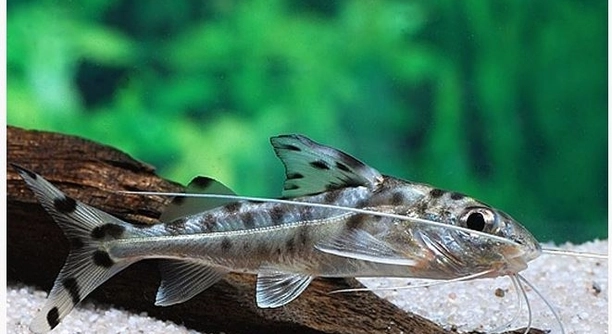
Do you ever find yourself wondering when the best time is to feed your nocturnal fish, especially the active little Pictus catfish?
Feeding Pictus catfish after lights out is recommended, as they are primarily nocturnal. Offering food during their active hours ensures they eat properly and reduces the chance of other tank mates taking their share.
Learning when to feed your Pictus catfish can make a real difference in their health, energy levels, and overall behavior.
Why Timing Matters for Pictus Catfish
Pictus catfish are most active at night. Their instincts guide them to search for food when it’s dark and quiet. Feeding them during daylight hours can lead to uneaten food sitting in the tank or getting taken by other fish. Uneaten food can quickly affect water quality and cause health problems. By feeding after lights out, you’re working with their natural behavior. You’ll notice them becoming more active and ready to eat. This approach helps ensure your catfish are well-fed and more relaxed in their environment. You also reduce stress and improve their digestion, which supports their long-term health. It’s a small adjustment that makes a real difference.
Feeding at the wrong time can lead to your catfish missing meals or hiding from tank mates during feeding, which leaves them undernourished.
Late evening, right after turning off the tank lights, is an ideal time. The catfish are more comfortable, and you’ll see them become more active. Offering food during this time helps them establish a healthy feeding routine. It also allows you to keep track of how much they’re eating. Consistent feeding in low light conditions helps reduce competition and ensures every fish gets a fair share of food without stress.
How to Feed Pictus Catfish Properly
Feed them small portions once a day after lights out. This keeps the tank clean and meets their nighttime habits.
Use sinking pellets, frozen bloodworms, or soft protein-rich foods. These are easier for Pictus catfish to eat as they tend to stay near the bottom of the tank. Drop the food shortly after lights are turned off and keep the room dim. You can observe their activity using a dim red light or moonlight LED, which won’t disturb them. Avoid overfeeding—give only what they can finish in a few minutes. Uneaten food should be removed quickly to keep the water clean. Keep a feeding schedule and try to feed at the same time every evening. This builds consistency, which helps them feel safe. You might not always see them eat, but you can monitor leftovers to adjust amounts. Feeding properly supports a calm, active, and healthy tank environment for these energetic little fish.
Common Feeding Mistakes to Avoid
Feeding during the day is one of the most common mistakes. It often leads to uneaten food, especially if the Pictus catfish are hiding or inactive, which can impact water quality and attract pests in the tank.
Another mistake is overfeeding. Even though these catfish are active and seem hungry, giving them too much food causes waste buildup and cloudy water. Uneaten food breaks down quickly, leading to ammonia spikes that can harm your fish. It’s better to give small portions and observe how much they actually eat. Also, avoid feeding floating pellets or flakes, as these often go untouched. Sinking foods are a better match for their bottom-dwelling behavior. Stick to a routine and clean up leftovers after a few minutes. This helps prevent poor water conditions and keeps your catfish healthy and active in the long run.
Skipping feeding days too often can cause stress and lead to weakened immune systems. These fish thrive on routine, especially when they rely on you to provide food in sync with their nocturnal patterns.
Tank Setup Tips for Better Feeding
Use low lighting in the evening to match their natural schedule. A soft red or blue light can make it easier to watch them eat without stressing them out.
Add caves, driftwood, and plants to give your Pictus catfish places to hide during the day and feel safe at night. This setup helps them come out more often when it’s time to feed. Keeping the tank calm and dim in the evening encourages them to search for food confidently. Avoid strong currents during feeding, as it can push the food around too much, making it harder for them to eat. Use a filter with adjustable flow if possible. Monitor food waste regularly and clean the tank often. Proper feeding depends not only on the food and timing, but also on how comfortable they feel in the tank. A stress-free space means they’re more likely to eat well and stay active.
Signs Your Pictus Catfish Is Eating Well
You’ll notice they become more active after dark and swim around searching the bottom of the tank. This behavior shows they’re alert and expecting food at the right time.
A healthy, well-fed Pictus catfish will have a smooth, full body and steady movement. They shouldn’t look thin or hide constantly.
What to Do if They Refuse to Eat
If your Pictus catfish isn’t eating, check the water conditions first. Poor quality can cause stress and affect appetite. Make sure ammonia and nitrate levels are low, and the temperature is stable. Try offering different foods like frozen bloodworms or brine shrimp to encourage interest. Feeding too early or in bright light might also be the reason. Wait until the tank is dim and quiet before offering food again. If they still refuse to eat for more than a few days, it could be a sign of illness. In that case, look for other symptoms like spots, bloating, or odd swimming behavior, and consider speaking to a vet or aquarium expert.
Feeding Juvenile vs Adult Pictus Catfish
Juvenile Pictus catfish may need smaller, more frequent meals while they grow. Adults usually do fine with one daily feeding after lights out.
How often should I feed my Pictus catfish?
Feeding once a day after the tank lights go off is usually enough. Pictus catfish are nocturnal and do most of their feeding at night. Giving small portions during their active hours helps prevent leftover food, which can spoil water quality. If you notice your catfish still seems hungry, you can split their food into two small meals, but avoid overfeeding to keep the tank clean and your fish healthy.
Can I feed Pictus catfish during the day?
While it’s possible, feeding during the day is not ideal because Pictus catfish are shy and less active when the lights are on. Daytime feeding often leads to food going uneaten or being eaten by other tank mates, which might cause your catfish to miss meals. Feeding after lights out supports their natural feeding habits and helps maintain a balanced aquarium environment.
What types of food do Pictus catfish prefer?
They enjoy sinking pellets designed for bottom feeders, frozen or live bloodworms, brine shrimp, and occasional blanched vegetables. Protein-rich foods are best since Pictus catfish are carnivorous. Avoid flakes or floating foods, as these often don’t reach the bottom where they feed. Rotating their diet helps keep them interested and ensures good nutrition.
How do I know if my Pictus catfish is overfed?
Signs include leftover food sinking to the bottom, cloudy water, and excess algae growth. Your catfish may also appear bloated or sluggish. Overfeeding can lead to poor water quality and health issues. Give only as much food as they can eat within a few minutes and remove leftovers promptly.
Is it okay to skip a feeding if my Pictus catfish is not hungry?
Skipping a feeding now and then is not harmful. Pictus catfish can tolerate occasional fasting better than being overfed. However, consistent feeding after lights out helps keep their metabolism steady and their energy up. If your fish refuses food for several days, check water quality and health to rule out problems.
Can Pictus catfish eat plant-based foods?
Pictus catfish mainly need protein from animal sources. They may nibble on soft plants occasionally, but plant-based foods alone won’t meet their dietary needs. Including small amounts of vegetables like zucchini or cucumber can add variety, but should not replace protein-rich meals.
How do I feed Pictus catfish in a community tank?
Feed your catfish after lights out when they are most active. Use sinking pellets or drops of frozen food placed near the bottom. This helps reduce competition with faster, more aggressive feeders. Monitor feeding time to make sure your catfish is getting enough and adjust the quantity if needed.
What should I do if my Pictus catfish stops eating suddenly?
Check water parameters immediately, as poor water quality is a common cause. Also, observe for signs of illness like spots or abnormal swimming. Try offering a variety of foods at night, including live or frozen options to stimulate appetite. If the problem continues, seek advice from an aquarium specialist or vet.
Is feeding after lights out better for all catfish species?
Not all catfish share the same habits, but many nocturnal species benefit from feeding during low light. Pictus catfish are specifically nocturnal and thrive when fed after dark. It’s important to research the feeding behavior of your specific catfish species to match their natural patterns.
Can I use automatic feeders for Pictus catfish?
Automatic feeders can work if programmed to dispense food after the lights go off. Make sure the feeder drops sinking food that reaches the tank bottom. Regularly check that food isn’t accumulating and affecting water quality. Manual feeding allows better control but automatic feeders add convenience for busy schedules.
How much food is too much for Pictus catfish?
Only offer what your catfish can consume in about 2-3 minutes. Overfeeding leads to waste buildup and poor water conditions. Observing their eating habits over time helps you adjust portions. Remember, less is often more when it comes to healthy feeding practices.
Do Pictus catfish need supplements or vitamins in their diet?
A varied diet with high-quality protein foods usually provides all necessary nutrients. Supplements aren’t generally required if you offer a balanced mix of pellets, frozen, and live foods. If you notice dull colors or low energy, consider adding occasional supplements after consulting an expert.
Can feeding at night affect other fish in the tank?
Feeding after lights out favors nocturnal species like Pictus catfish, but some daytime fish may not be as active or may miss meals. This is normal in mixed tanks. Ensure all species receive appropriate feeding times and food types to meet their needs. Adjust feeding routines as needed to keep all fish healthy.
How can I tell if my Pictus catfish is stressed during feeding?
If your catfish hides excessively, refuses food, or swims erratically during feeding times, it may be stressed. Stress can come from poor water conditions, aggressive tank mates, or improper feeding times. Creating a calm environment with proper lighting and hiding spots encourages natural feeding behavior.
Is it necessary to feed live food to Pictus catfish?
Live food can be a great treat and helps stimulate natural hunting instincts. However, it’s not necessary every day. Frozen or high-quality pellets can meet their dietary needs. Use live food occasionally to add variety and enrich their diet. Always source live food from reputable suppliers to avoid introducing diseases.
Feeding Pictus catfish at the right time plays an important role in keeping them healthy and active. These fish are naturally more active during the night, so feeding them after the lights go out matches their behavior best. Offering food during their active period helps make sure they get enough to eat without leftover food piling up in the tank. When food stays in the water too long, it can cause water quality problems, which may harm the fish. Feeding after lights out also reduces competition with other fish that are more active during the day. This simple change in feeding time can make a big difference in the well-being of your Pictus catfish and the overall tank environment.
The type and amount of food you offer are also very important. Pictus catfish prefer sinking pellets or protein-rich frozen foods like bloodworms and brine shrimp. These foods reach the bottom of the tank where they naturally feed. Avoid floating foods or flakes because they often go uneaten and pollute the water. It is better to feed small amounts that your fish can finish in a few minutes rather than overfeeding. Overfeeding leads to waste buildup, which can quickly reduce water quality and stress the fish. Watching how much they eat and adjusting portions accordingly will keep the tank cleaner and the catfish healthier. Keeping a consistent feeding schedule helps the fish stay calm and active.
Creating a tank setup that supports their natural habits makes feeding easier and more effective. Pictus catfish like dim lighting and places to hide, such as caves or plants. Using soft red or blue lights after the main lights are off helps you observe their feeding without disturbing them. Also, a gentle water flow near the bottom makes it easier for them to find and eat their food. Maintaining good water conditions and cleaning up leftover food regularly is key to a healthy tank. By feeding at the right time, giving the right food, and providing a comfortable environment, you help your Pictus catfish thrive. Small changes in how and when you feed can lead to happier, more energetic fish.

Hello,
If you enjoy the content that we create, please consider saying a "Thank You!" by leaving a tip.
Every little bit helps us continue crafting quality advice that supports the health, happiness, and well-being of pets around the world, for pets of all shapes, sizes, and species.
We really appreciate the kindness and support that you show us!