
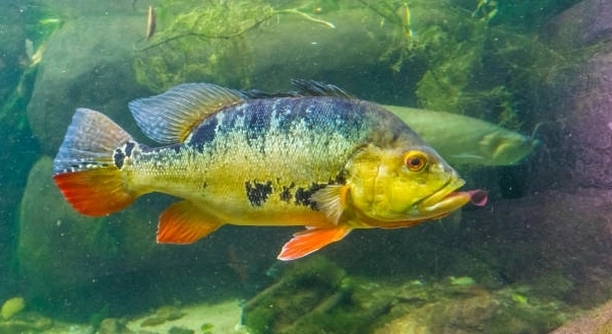
African cichlids are popular aquarium fish known for their vibrant colors and active behavior. Many hobbyists want to provide the best diet to keep these fish healthy and thriving. Feeding habits can impact their growth and overall well-being.
Feeding African cichlids live food can be beneficial as it mimics their natural diet and stimulates their hunting instincts. However, live food carries risks such as disease transmission and nutritional imbalance if not properly managed. Careful selection and preparation are essential.
Understanding the benefits and risks of live food will help you make informed choices for your cichlids’ diet. This article explores practical tips to keep your fish healthy and happy.
Benefits of Feeding African Cichlids Live Food
Live food offers several advantages for African cichlids. It closely resembles what they eat in the wild, which helps keep their natural hunting behaviors active. This stimulation is important for their mental and physical health. Live food such as brine shrimp, bloodworms, and daphnia provide high protein levels, essential for growth and vibrant coloration. Additionally, live food can be more easily digested compared to some processed options, which helps prevent digestive problems. Offering a varied diet that includes live food can improve overall vitality and strengthen the immune system, reducing susceptibility to disease. However, it is important to ensure that live food is sourced from reliable suppliers to avoid introducing harmful pathogens or parasites into the aquarium. Proper handling and occasional quarantine of live food also help maintain a safe feeding environment. Balancing live food with other types of nutrition supports a well-rounded diet for African cichlids.
Not all live food is suitable for every type of African cichlid. Matching the food to the fish’s size and species is crucial.
Choosing the right live food requires attention to the species’ natural diet and feeding habits. Some cichlids prefer smaller prey, while others can handle larger, more active options. Overfeeding live food can lead to water quality issues, so portion control is necessary. Incorporating live food along with pellets or flakes ensures balanced nutrition. It’s also important to observe the fish during feeding to confirm they accept and digest the food well. By selecting appropriate live food and feeding responsibly, the fish’s health and coloration will improve. Maintaining a clean tank and monitoring water parameters reduce risks associated with live feeding, making it a rewarding practice for aquarium care.
Risks of Feeding Live Food to African Cichlids
Live food carries the risk of introducing diseases or parasites into the aquarium. Contaminated food can lead to infections or upset the tank’s balance. It is essential to source live food from trusted suppliers and inspect it carefully before feeding. Quarantining live food before introducing it to the tank is a useful precaution to prevent spreading pathogens. Another risk is overfeeding, which can cause poor water quality due to leftover food decaying in the tank. This impacts the health of all fish. Maintaining proper feeding amounts and ensuring good filtration helps avoid these problems. Live food may also lack some nutrients, so relying solely on it can cause deficiencies.
By using live food responsibly and combining it with other nutrition, you can reduce risks while supporting your cichlids’ health and natural behavior.
How to Safely Introduce Live Food
Start by choosing high-quality live food from reputable sources to minimize contamination risks. Always inspect the live food closely before feeding. Quarantine live food in a separate container for a few days to observe any signs of disease or parasites.
Introducing live food gradually helps your African cichlids adjust without causing stress. Begin with small amounts and monitor how your fish respond. If they accept the food easily, you can increase the portions slowly. Make sure the tank environment is stable and water quality is optimal before introducing new food types. This reduces the chances of illness and helps maintain healthy fish behavior.
Proper hygiene is critical when handling live food. Rinse live food with clean water to remove debris or potential contaminants. Avoid overfeeding, as leftover live food can pollute the tank and harm fish health. Regularly clean feeding areas and observe fish for any unusual reactions or digestive issues after feeding live food. Taking these steps ensures a safe and beneficial feeding routine.
Alternatives to Live Food for African Cichlids
Frozen and prepared foods offer safer, convenient alternatives to live food. They reduce disease risks while still providing necessary nutrients. Many frozen options, like brine shrimp or bloodworms, retain good nutritional value.
Pellets and flakes formulated specifically for African cichlids can provide a balanced diet without the risks associated with live food. These options are easy to store and feed, making them a practical choice for daily feeding. Combining these with occasional live or frozen food helps maintain diet variety and stimulates natural feeding behaviors. Properly balanced alternatives reduce stress on your aquarium ecosystem while supporting your fish’s health and growth.
Best Types of Live Food for African Cichlids
Brine shrimp and bloodworms are popular live food choices for African cichlids. Both are rich in protein and easy for fish to digest, supporting growth and coloration.
Daphnia is another good option, offering natural movement that stimulates hunting behavior. These foods are widely available and generally safe when sourced properly.
Feeding Frequency and Portion Control
Feeding live food too often can upset your tank’s balance. It’s best to offer live food no more than two or three times per week. This prevents overfeeding and keeps water quality stable. Small, controlled portions help reduce waste and keep fish healthy.
Signs Your Cichlids Need Live Food
If your African cichlids show reduced activity or dull coloration, introducing live food might help stimulate them. Healthy fish usually display vibrant colors and active behavior, which live food can encourage.
Monitoring Water Quality
Live food can affect water conditions if not managed carefully. Regular water testing and maintenance are necessary to keep the environment safe and clean for your fish.
FAQ
Is live food necessary for African cichlids?
Live food is not absolutely necessary but can greatly benefit African cichlids. It helps simulate their natural diet and encourages natural hunting behavior. However, a balanced diet that includes quality pellets or flakes can also keep them healthy if live food is not an option. Live food is an extra source of protein and stimulation, but it should be used alongside other foods for best results.
How often should I feed live food to my cichlids?
Feeding live food two to three times per week is ideal. This frequency provides nutritional benefits without overloading the tank or causing water quality problems. Live food should complement, not replace, regular feeding with pellets or flakes. Overfeeding live food can lead to uneaten leftovers that pollute the water and stress the fish.
Can live food carry diseases to my aquarium?
Yes, live food can introduce diseases or parasites if not sourced or handled properly. Always buy from reputable suppliers and quarantine live food before feeding. Rinsing or briefly freezing live food can reduce risks. Observing fish behavior and water quality after feeding helps detect any health issues early.
What are some safe live food options?
Brine shrimp, bloodworms, and daphnia are common safe live foods for African cichlids. These provide good nutrition and are widely available. Make sure these foods are from trusted sources and properly cleaned. Avoid wild-caught food, which may carry more risks.
Can I feed live food every day?
Daily feeding of live food is not recommended. It can cause nutrient imbalances and water quality issues. Live food should be part of a varied diet and limited to a few times weekly. Overfeeding may also lead to obesity or digestive problems in fish.
How do I store live food?
Live food should be kept in a clean, aerated container at the proper temperature. Some live foods like brine shrimp hatch from eggs and need fresh saltwater conditions. Others, like bloodworms, should be stored in a cool place and fed regularly. Avoid storing live food for too long, as poor conditions can reduce its nutritional value.
What if my cichlids refuse live food?
If your fish refuse live food, try smaller or different types of live prey. Sometimes fish need time to adjust or may prefer frozen or prepared foods. You can also mix live food with pellets or flakes to encourage acceptance. Observing their feeding behavior helps identify preferences.
Are there any risks to the tank from live food leftovers?
Yes, uneaten live food can decay and pollute the tank water, leading to ammonia spikes and harmful bacteria growth. This affects water quality and fish health. Remove leftover food promptly and avoid overfeeding. Proper tank maintenance is important when using live food regularly.
Can live food improve my cichlids’ coloration?
Live food often contains nutrients and pigments that enhance cichlid coloration. The natural proteins and fats help maintain bright, vibrant colors. Feeding live food occasionally supports their natural appearance, especially during breeding or growth phases.
Is it necessary to quarantine live food before feeding?
Quarantining live food is a good safety practice to detect parasites or diseases. Keep live food in a separate container with clean water for a few days before offering it to fish. This reduces the chance of introducing harmful organisms into your tank.
What are some signs of poor health related to live food feeding?
Signs include sluggish behavior, loss of appetite, cloudy eyes, or unusual spots on the fish. These can indicate infections or digestive problems caused by contaminated or poor-quality live food. If symptoms appear, stop feeding live food and test water quality.
Can I breed live food at home?
Breeding live food like brine shrimp or daphnia at home is possible and can be cost-effective. It requires proper containers, water conditions, and care. Home-bred live food reduces risks related to contaminants and ensures freshness.
Does live food help during breeding season?
Live food is especially useful during breeding as it provides extra nutrition and encourages natural behaviors. It supports egg production and fry development. Offering live food in moderation during breeding periods can improve breeding success and fry survival.
Are frozen foods as good as live food?
Frozen foods retain many of the nutritional benefits of live food without the disease risks. They are a safer alternative and easier to store. Many aquarists feed a combination of frozen and live foods to balance convenience and nutrition.
How do I balance live food with other diet types?
Feed live food as a supplement to a base diet of pellets or flakes. Rotate between food types to provide a range of nutrients. Avoid relying solely on live food to prevent nutritional gaps or water quality issues. Monitoring fish health helps adjust the diet as needed.
African cichlids benefit from a varied and balanced diet that supports their health and natural behavior. Live food can play an important role in this diet by providing high protein and stimulating their hunting instincts. However, it is not the only option available. Many well-formulated pellets and frozen foods also offer essential nutrients without the risks associated with live food. Understanding the benefits and potential drawbacks of live feeding helps you make the best choices for your aquarium. When introduced properly and in moderation, live food can enhance your cichlids’ diet and contribute to their overall well-being.
It is important to consider safety when feeding live food. The risk of introducing diseases or parasites means that live food should always be sourced from trusted suppliers and handled carefully. Quarantining live food before offering it to your fish helps reduce the chance of contamination. Additionally, avoiding overfeeding is crucial to maintaining good water quality and preventing health problems. Careful portion control and regular tank maintenance will help create a safe environment for your cichlids. Balancing live food with other types of nutrition ensures they receive all the necessary nutrients without putting your aquarium at risk.
Ultimately, feeding live food to African cichlids requires attention and care but can be rewarding. It supports natural behaviors, improves coloration, and adds variety to their diet. Choosing the right types of live food, feeding in appropriate amounts, and maintaining a clean tank are key factors to success. Combining live food with pellets, flakes, or frozen options offers a practical and balanced approach. By making informed decisions and observing your fish’s response, you can provide a healthy and stimulating diet that keeps your African cichlids thriving.

Hello,
If you enjoy the content that we create, please consider saying a "Thank You!" by leaving a tip.
Every little bit helps us continue crafting quality advice that supports the health, happiness, and well-being of pets around the world, for pets of all shapes, sizes, and species.
We really appreciate the kindness and support that you show us!