
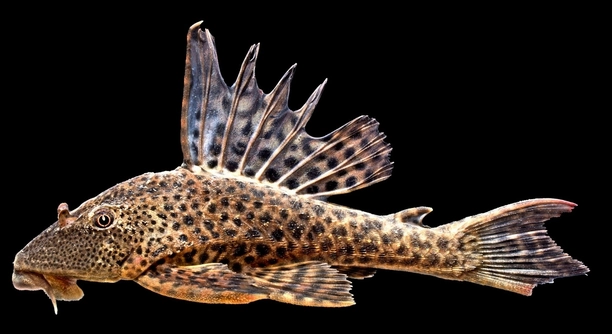
Moving a plecostomus in your aquarium may seem like an easy task, but it requires careful consideration. Their size and behavior can make relocation tricky. Understanding when and how to move them is essential for their well-being.
Moving a plecostomus can disrupt their natural environment and stress them. Given their size and territorial behavior, relocating them should only be done if necessary. Proper acclimation is crucial to prevent shock and ensure their health post-move.
The following steps will help ensure a smooth transition for your plecostomus. Proper preparation can minimize stress and support their adaptation to a new environment.
Why Relocating a Plecostomus Can Be Challenging
Plecostomus, also known as plecos, are bottom-dwelling fish that are often crucial to maintaining a clean tank. However, their size and territorial nature can make moving them difficult. When you need to move a pleco, it is essential to do so with care to avoid causing them unnecessary stress. Stress can impact their health and even lead to long-term issues such as reduced appetite or illness. Moreover, their large size, sometimes growing up to 24 inches, means they require more space than many other fish in your aquarium. Relocating them without proper planning can result in damage to their environment and even to other fish. The challenge lies not just in physically moving the pleco, but also in adjusting their habitat for a smooth transition. Ensuring that the water temperature, pH levels, and other water parameters remain stable is key to reducing stress for the pleco.
When preparing to move your plecostomus, make sure to first consider the new tank setup. Ensure it is adequately filtered and provides the necessary hiding spots to mimic their natural environment.
By making sure the new habitat matches their current conditions, you reduce the chances of causing further stress to your plecostomus. It is also important to slowly acclimate them to the new water parameters. Plecos are sensitive to sudden changes, and an abrupt shift in their surroundings can make them more vulnerable to diseases and stress-related issues. Slowly adjusting the water temperature and pH levels to match the new tank will help the pleco adapt more easily. When moving them, it is best to avoid direct handling as much as possible. Using a container or net to gently scoop them will reduce the risk of injury. After the move, monitor them closely for signs of stress, such as rapid breathing, loss of appetite, or abnormal swimming behavior.
Considerations Before Moving Your Plecostomus
Before moving your plecostomus, take some time to evaluate the new environment. Check if the new tank has adequate space for them to swim freely. Since plecos are large, they need an area where they won’t feel cramped. You should also ensure that the filtration system can handle the increased waste load. Plecos are known for their high bioload, so proper filtration is crucial. If the new tank lacks proper filtration, it can lead to water quality issues that may harm your plecostomus. Make sure to monitor the new tank’s ammonia and nitrate levels closely.
You should also ensure that the water temperature in the new tank is stable and falls within the range that your plecostomus is accustomed to. Sudden temperature changes can stress them, making them more vulnerable to diseases. A heater can help maintain a consistent temperature, but it must be set at the proper range. Aim for a water temperature between 75-80°F (24-27°C) for most plecostomus species. If the new tank has fluctuating temperatures, it can increase stress, leading to health issues.
Lighting in the new tank should also be considered. Plecos generally prefer dim environments and are nocturnal. Too much light during the day can stress them and affect their feeding habits. Ensure the lighting is soft or adjustable so that they have some respite from bright lights. If the new tank has strong lights, provide hiding spots where they can retreat. A piece of driftwood or a cave can offer comfort to your pleco and help it adjust better to the new space.
How to Move Your Plecostomus Safely
When it’s time to move your plecostomus, the process should be slow and careful. Avoid using your hands to catch the fish, as it can lead to stress or injury. Instead, use a soft fish net to gently scoop the pleco out of the tank. Be sure not to squeeze the fish during the process, as this can cause physical damage. Once it’s in the net, place the pleco in a container with the water from the current tank. This helps minimize shock and ensures the pleco is transported with water that has the same parameters.
It is also essential to prepare the new tank in advance, so it is ready for the plecostomus as soon as it arrives. Make sure that the water conditions, such as temperature, pH, and salinity, are stable. It can be helpful to test the water before introducing your pleco, just to be sure everything is ideal. Adding the pleco to the new tank slowly can help reduce stress. If the new tank has been running for a while, ensure it is fully cycled before moving your plecostomus. If the tank is still maturing, ammonia spikes could occur, which are harmful to your pleco’s health.
Potential Stress and Health Issues
Moving a plecostomus can lead to stress, which may cause them to stop eating or become more susceptible to illness. The stress could also trigger abnormal swimming patterns or hiding behaviors. It’s crucial to monitor them closely in the days following the move to ensure they are adjusting well to their new environment. If stress continues, it could affect their immune system, leading to potential health issues like skin lesions or fungal infections.
If you notice your plecostomus hiding more often than usual, it could be a sign of stress. Ensure they have access to hiding spots and dark areas in the new tank. This helps them feel secure.
Acclimating Your Plecostomus to the New Environment
After the move, allow your plecostomus time to acclimate to its new surroundings. Avoid interacting with them too much during the first few days. Let them explore the new space at their own pace. During this period, you should limit feeding to prevent water contamination. Providing small amounts of food will also help you monitor how the pleco is adjusting. Overfeeding can lead to water quality problems, which may further stress your pleco.
Maintaining Water Quality Post-Move
Once your plecostomus is settled in its new tank, it’s vital to maintain excellent water quality. Regular water testing is necessary to ensure the ammonia, nitrate, and pH levels stay within safe ranges. Plecos can be sensitive to poor water quality, especially after a move, so consistent monitoring is key.
FAQ
How can I tell if my plecostomus is stressed after the move?
Signs of stress in plecostomus include hiding more often than usual, erratic swimming patterns, or loss of appetite. They may also have a duller appearance or swim near the surface of the water more than they did before. If the pleco appears lethargic or unresponsive to feeding, these can be signs that they are adjusting poorly to the move. Monitoring water quality is crucial, as stress can worsen if water conditions are not optimal.
Can I move my plecostomus by myself, or do I need help?
Moving a plecostomus can generally be done by one person. However, you should be cautious and gentle. Using a soft fish net is the safest option for handling them. If the pleco is very large or you feel unsure about handling them alone, asking for help can ensure the process goes smoothly and reduces the risk of injury.
How long should I wait before feeding my plecostomus after the move?
It’s best to wait at least 24 hours before feeding your plecostomus after the move. This gives them time to adjust to the new environment without the added stress of food introduction. After that period, you can start offering small amounts of food and monitor their response. Overfeeding during the adjustment phase can lead to poor water quality and further stress.
Should I use the same water from the original tank when moving my plecostomus?
Yes, it is a good idea to use the same water from the original tank when transporting your plecostomus. This helps minimize shock by keeping the water parameters consistent. Transferring the pleco to completely new water, especially if it differs significantly in temperature or pH, could cause unnecessary stress or harm. However, once the pleco is in its new tank, it’s important to acclimate it to the new water conditions gradually.
What should I do if my plecostomus stops eating after being moved?
If your plecostomus stops eating after the move, it could be due to stress. Give them some time, but monitor the situation. If the behavior continues for several days, check water quality and ensure the tank’s conditions are stable. You may also try offering a variety of foods, such as algae wafers, vegetables, or sinking pellets, to encourage feeding. If the issue persists, you may need to consult with a vet or aquatic specialist.
Can moving a plecostomus cause it to die?
While moving a plecostomus can cause stress, it is not likely to cause death if done correctly. However, improper handling, poor water quality, or sudden changes in tank conditions can lead to health issues that may result in a weakened immune system or even death. To avoid this, always ensure that the new tank is properly prepared and that the pleco is moved carefully to minimize stress. It’s also vital to monitor their health closely after the move.
What are the best hiding spots for a plecostomus in a new tank?
Plecostomus appreciate hiding spots, especially after a move, to help them feel secure. Use driftwood, caves, or PVC pipes placed in a quiet area of the tank to provide them with hiding options. These structures should be large enough for the pleco to fit comfortably but not too small, as they need room to move around. It’s important to avoid sharp edges in any decorations to prevent injury.
How do I maintain water quality after moving my plecostomus?
Maintaining water quality after moving a plecostomus involves regular water testing to ensure that the ammonia, nitrite, nitrate, and pH levels are within acceptable ranges. Perform partial water changes regularly to keep the tank clean. Use a high-quality filter and ensure it is appropriate for the size of the tank. Consistently monitor the filtration system to ensure it is working effectively, as plecostomus contribute to a higher bioload due to their waste output.
Is it necessary to quarantine my plecostomus before moving it to the new tank?
While not strictly necessary, quarantining your plecostomus before moving it to a new tank can help reduce the risk of introducing disease into the new environment. Quarantining allows you to check the pleco for any signs of illness, such as unusual spots, lesions, or changes in behavior. It also gives the pleco time to adjust to new water conditions before being placed in the main tank.
Can I move my plecostomus into a tank with other fish right away?
It’s generally recommended to wait a few days before introducing your plecostomus to other fish in the new tank. After the move, let the pleco settle into its new environment first. Adding new tankmates too soon can increase stress and lead to conflicts. Plecos are territorial and may need some time to adjust before interacting with other fish.
How can I minimize the risk of my plecostomus getting sick after the move?
To minimize the risk of illness, ensure the new tank is properly cycled, and the water conditions are stable. Avoid handling the plecostomus more than necessary during the move. Keep the tank clean and monitor water parameters closely in the weeks following the relocation. Also, make sure your plecostomus is not stressed, as stress can compromise their immune system and make them more susceptible to disease.
Final Thoughts
Moving a plecostomus is a delicate process, and while it can be done safely, it requires careful planning and attention. Plecos are sensitive creatures, and any changes to their environment, such as a new tank or water conditions, can cause them stress. This stress can affect their eating habits, behavior, and overall health. It is important to ensure that the new tank is fully prepared before moving the pleco. This includes setting up the proper filtration system, maintaining water quality, and providing hiding spots where the pleco can feel secure during the adjustment period. With proper care, the plecostomus should eventually settle in and thrive in its new environment.
Monitoring the plecostomus after the move is essential. Keep an eye on its behavior for signs of stress or illness. If the pleco starts hiding more than usual, swimming erratically, or refuses to eat, these could be indicators of stress or poor water quality. Regular water testing is key to ensuring that ammonia, nitrate, and pH levels remain within safe ranges. If issues arise, making adjustments to the water quality or providing a more stress-free environment can help improve the situation. Offering a variety of food types can also encourage the plecostomus to start eating again if it’s having trouble adjusting.
In conclusion, while moving a plecostomus is not without risks, the process can be successful with the right precautions. Being mindful of their stress levels, providing a comfortable new environment, and monitoring their health are all crucial steps. By giving the pleco time to acclimate and ensuring that its new home is safe, you can help it thrive in its new tank. With patience and careful attention, your plecostomus will likely adjust to its new surroundings and continue to contribute to the tank’s overall balance.

Hello,
If you enjoy the content that we create, please consider saying a "Thank You!" by leaving a tip.
Every little bit helps us continue crafting quality advice that supports the health, happiness, and well-being of pets around the world, for pets of all shapes, sizes, and species.
We really appreciate the kindness and support that you show us!