
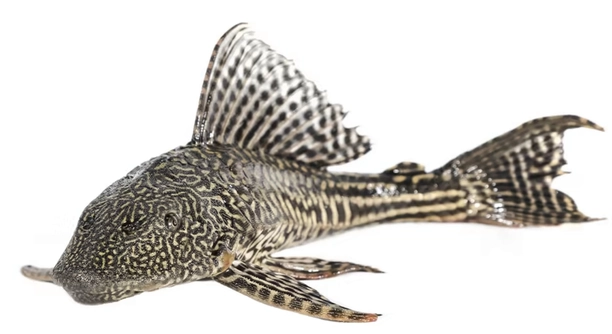
Handling plecos with bare hands is a concern for many fish keepers. While these fish are relatively hardy, there are certain risks associated with touching them directly. Understanding when and why it may be safe to handle a pleco is important.
It is not recommended to handle a pleco with bare hands. Plecos have sensitive skin, and handling them can cause stress, injuries, or release harmful oils from your hands that could negatively affect the fish. Proper tools should be used.
Knowing when it is safe and how to handle a pleco properly ensures both your safety and the well-being of your fish.
Why Handling Plecos with Bare Hands Isn’t Ideal
Plecos, while tough in their own right, have delicate skin that can be easily damaged when handled improperly. Their skin is covered in a protective layer of mucus, which helps keep harmful bacteria and parasites at bay. When you touch them with bare hands, you risk disrupting this protective barrier, leaving them vulnerable to infection and stress. Plecos also have very sensitive eyes, which can be harmed if touched or exposed to oils on your skin. In addition, they are known to be shy and can become stressed when handled, which can affect their health.
Though they are commonly kept as aquarium fish, plecos don’t enjoy being touched. They are naturally solitary and prefer to stay in their hiding spots. Handling them can be disruptive, causing them to become more anxious. Over time, repeated stress from handling can weaken their immune system, leaving them more prone to illness. Their well-being is best maintained when they are left to swim and explore their environment without interference.
If you need to move a pleco, consider using a soft net or another suitable tool to avoid physical contact. This will help prevent stress and keep your fish healthy.
The Risks of Touching Plecos with Bare Hands
Using bare hands on a pleco can cause unintentional harm, affecting the fish’s skin and overall well-being. The oils and residues on your hands can damage their delicate mucus layer.
Stress plays a major role in fish health, and touching them can have lasting effects on their physical condition. Even if handled carefully, the pressure of human hands may injure a pleco’s body or fins. When handled repeatedly, these fish can experience health complications, including weakened immune systems and more frequent illnesses. Using proper tools to transfer or care for them ensures they stay in the best possible condition. If you have no choice but to touch your pleco, make sure to thoroughly wash and rinse your hands to minimize harmful oils and bacteria. However, handling should still be avoided whenever possible.
What to Do Instead of Handling a Pleco
If you must interact with your pleco, use a soft, fine mesh net. This minimizes stress and prevents any harm to their skin. Gently guiding them into the net allows you to move them safely without physical contact. Always ensure that the water conditions remain stable during any handling.
When using a net, make sure it is large enough to accommodate the pleco’s size, avoiding any sudden movements that could startle the fish. It’s important to keep the pleco submerged in water while moving them, as they rely on water pressure to breathe. This reduces stress and prevents them from being exposed to air for too long. If the pleco is to be placed into another tank, ensure the water temperature is consistent to avoid thermal shock. Handling plecos should only occur in cases of emergency, such as when moving them to a quarantine tank.
Consider using tools like a fish scoop or cup for smaller plecos. These tools can help gently guide your fish without causing harm.
Keeping Your Pleco’s Tank Safe and Clean
Proper tank maintenance is key to keeping your pleco healthy without the need for handling. Regular water changes, keeping the filtration system in good working condition, and ensuring the tank is free from debris all contribute to a stress-free environment for your pleco.
A pleco’s habitat should have plenty of hiding spots, such as caves or driftwood, where they can feel secure. This reduces stress and helps them feel comfortable in their environment. Regularly monitor water quality, testing for ammonia, nitrites, and nitrates to ensure safe levels. A stable environment is vital for their long-term health. Pay attention to the tank’s temperature, as plecos are sensitive to fluctuations. Keeping the tank clean without disturbing the fish too much ensures they stay healthy and reduces the risk of needing to handle them unnecessarily.
The Importance of Water Quality for Your Pleco
Maintaining water quality is crucial for plecos. These fish are sensitive to changes in water chemistry, and poor water conditions can lead to stress and disease. Regular water testing ensures safe ammonia, nitrite, and nitrate levels for their health.
Water changes should be done regularly, about 20-30% weekly, to keep the pleco’s environment clean. A good filtration system helps remove debris and maintain clear water. Additionally, make sure the pH and hardness levels suit the pleco species you keep. Over time, neglecting water quality can lead to health issues, so it’s essential to monitor and maintain proper conditions.
Diet and Feeding Habits
Plecos are herbivores, and their diet should primarily consist of algae, vegetables, and specially formulated sinking pellets. Fresh vegetables like zucchini and cucumber are great additions to their diet. Providing a variety of food ensures they get the necessary nutrients.
It’s also important not to overfeed, as uneaten food can decay and pollute the water. Plecos will graze on algae if left undisturbed, and supplemental food should only be offered when necessary. Be mindful of portion sizes and remove any leftover food to prevent it from affecting water quality.
Handling Plecos During Cleaning or Tank Maintenance
While cleaning the tank or changing the water, it’s essential to minimize disruption to the pleco. Use a net or scoop to move them temporarily, ensuring the environment remains calm. Avoid touching them directly to prevent stress or injury.
Plecos can be sensitive to vibrations or rapid movements during tank maintenance. To reduce this, try to be gentle and avoid sudden changes in water levels. If you need to move the pleco, do so carefully and as briefly as possible. Your goal is to maintain a stable and stress-free environment while performing maintenance tasks.
FAQ
Can you handle a pleco with bare hands?
It’s not recommended to handle a pleco with bare hands. Plecos have sensitive skin and a mucus coating that protects them from infections. Handling them with bare hands can damage this protective layer, leaving them vulnerable to bacteria. The oils and dirt on your hands can also irritate their skin. If you must move them, use a net to avoid physical contact. This helps minimize stress and potential harm.
How do you safely move a pleco?
To safely move a pleco, use a soft net or scoop, ensuring the fish remains in the water. Gently guide the pleco into the net, avoiding sudden movements that could startle them. Keeping the fish submerged during the transfer prevents stress and ensures the pleco doesn’t struggle for air. If transferring to another tank, ensure the water conditions are similar to minimize shock.
What is the best way to keep a pleco in a tank without handling it?
The best way to keep a pleco is by creating a stable, healthy environment that doesn’t require handling. Regular water changes, appropriate filtration, and monitoring of water parameters like pH, temperature, and hardness are essential. Additionally, provide plenty of hiding spots in the tank for the pleco to feel secure. Avoiding unnecessary interaction will keep the pleco stress-free and healthy.
How often should you clean a pleco’s tank?
Cleaning a pleco’s tank depends on the size of the tank and the number of fish. In general, it’s good practice to clean the tank every 1-2 weeks by performing a partial water change (20-30%). If the tank is heavily stocked, more frequent cleaning may be needed to prevent debris build-up. Always clean the filter regularly to ensure it’s working properly.
What is the best food for a pleco?
Plecos are primarily herbivores and thrive on a diet of algae, vegetables, and specially formulated sinking pellets. Offer fresh vegetables like zucchini, cucumber, and spinach. Algae wafers are a good option, but be cautious not to overfeed, as excess food can pollute the water. A balanced diet will keep your pleco healthy and active.
How do you prevent algae from growing in a pleco’s tank?
While plecos help keep algae under control, it’s not always enough to prevent algae growth entirely. To reduce algae, limit the amount of light exposure to the tank—especially direct sunlight. Clean the tank regularly, remove any visible algae, and avoid overfeeding. A well-maintained filtration system can also help keep the water clean and reduce nutrient levels that encourage algae growth.
Can a pleco live with other fish?
Yes, plecos can live with other fish, but it’s important to choose compatible tank mates. Plecos are peaceful and generally do well with other non-aggressive fish. Avoid keeping them with very small fish that might be viewed as food, or overly aggressive fish that could stress the pleco. It’s also important to provide enough space and hiding spots for all the fish in the tank.
Why is my pleco not eating?
If your pleco isn’t eating, it could be due to several factors, including water quality issues, stress, or illness. Make sure the water conditions (temperature, pH, hardness) are optimal for the species. Stress from overcrowding, inappropriate tank mates, or poor tank conditions can also affect feeding habits. If water quality is good and stress is minimized, try offering a variety of foods to entice your pleco to eat.
What kind of environment does a pleco need?
A pleco needs a well-maintained tank with plenty of space, hiding spots, and suitable water conditions. Provide driftwood, caves, or rocks for the pleco to hide in, as they prefer secure spaces. The water temperature should be stable, and the pH level should match the pleco’s species. Good filtration is essential to keep the water clean and prevent waste build-up. Plecos are nocturnal, so ensure they have plenty of places to rest during the day.
Can a pleco live without a filter?
A pleco can survive without a filter, but it’s not ideal. Plecos produce waste that can quickly build up in the tank, leading to poor water quality. A filter helps keep the water clean, reducing the risk of ammonia and nitrate buildup, which can be harmful to your pleco. If you choose not to use a filter, you must perform more frequent water changes and carefully monitor water quality to ensure the pleco’s health.
Do plecos need a heater?
Yes, most plecos need a heater, especially if you live in a cooler climate. Plecos are tropical fish that prefer warmer water temperatures between 74-80°F (23-27°C). A stable water temperature is essential for their health and comfort. If the tank temperature fluctuates too much, the pleco may become stressed and more susceptible to illness. A reliable heater will ensure the water remains at a consistent temperature, promoting a healthy environment for your fish.
Why is my pleco swimming upside down?
If your pleco is swimming upside down, it may be a sign of a health issue, such as a swim bladder problem. Swim bladder issues can be caused by overfeeding, constipation, or bacterial infections. Check your pleco’s diet and ensure you’re not overfeeding. If the problem persists, it’s a good idea to check water quality and consider consulting an aquarium vet to address the issue.
Can plecos live in cold water?
Plecos are tropical fish and require warm water temperatures to thrive. While some species can tolerate slight variations, cold water is not ideal for plecos. Exposure to temperatures below 70°F (21°C) can weaken their immune system and cause stress. For optimal health, ensure your pleco’s tank is heated to maintain a stable, warm environment.
How big do plecos get?
Plecos can vary in size depending on the species. Some species, like the common pleco, can grow up to 24 inches (60 cm) long. Others, like the bristlenose pleco, remain smaller, usually around 4-6 inches (10-15 cm). Always check the specific requirements for your pleco species, as larger fish require bigger tanks and more space.
Why is my pleco hiding all the time?
It’s normal for plecos to hide, especially during the day, as they are nocturnal fish. However, if your pleco is hiding more than usual, it could be due to stress, illness, or poor water conditions. Ensure that the tank provides adequate hiding spots, and check the water parameters to make sure they’re ideal for the pleco. If the behavior continues, consider observing the pleco for signs of illness or consulting an expert.
How long do plecos live?
Plecos can live for a long time, with many species reaching 10-15 years in captivity. Some species, like the common pleco, can live up to 25 years if given proper care. To ensure a long, healthy life, maintain stable water conditions, provide a balanced diet, and keep stress levels low. Regular water changes and tank maintenance also play a role in their longevity.
Final Thoughts
Handling a pleco with bare hands is not recommended due to the potential harm it can cause to their delicate skin and protective mucus coating. Plecos rely on this layer to keep infections at bay, and touching them with bare hands can remove this protective layer. Even though they are hardy creatures, they can easily become stressed by handling, which can have negative effects on their overall health. It’s best to avoid physical contact unless absolutely necessary and to use a net for transferring them to a different tank or cleaning their environment.
Creating a healthy environment for your pleco is the most important aspect of keeping them. Maintaining proper water conditions, providing plenty of hiding spots, and offering a well-balanced diet will ensure they live a long and healthy life. Stress is a major factor in the health of your pleco, and limiting handling and other stress-inducing activities will help your fish thrive. A well-maintained tank with good filtration, regular water changes, and temperature stability is key to keeping your pleco comfortable. A good habitat will allow your pleco to exhibit natural behaviors, which is important for their well-being.
Ultimately, the goal is to provide a comfortable, low-stress environment for your pleco. While handling them may seem like a way to interact or care for them, it’s important to consider their needs as a species and minimize any actions that could cause harm or unnecessary stress. By keeping your pleco’s environment in check and avoiding unnecessary contact, you’ll be helping them live a healthier, happier life. Proper care, patience, and respect for their natural behavior are essential for ensuring that your pleco remains a vibrant and active part of your aquarium.

Hello,
If you enjoy the content that we create, please consider saying a "Thank You!" by leaving a tip.
Every little bit helps us continue crafting quality advice that supports the health, happiness, and well-being of pets around the world, for pets of all shapes, sizes, and species.
We really appreciate the kindness and support that you show us!