
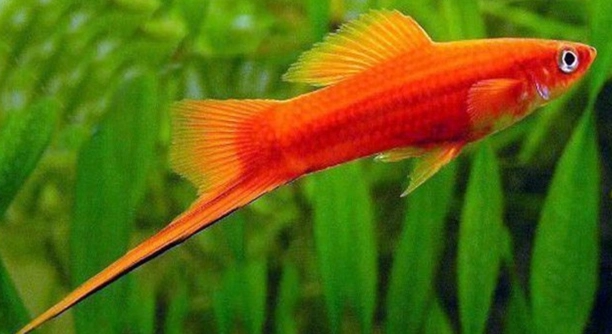
Adding salt to a swordtail tank is a topic that often comes up among aquarium enthusiasts. While it can be beneficial in certain situations, it’s important to understand the effects it can have on your tank’s ecosystem and your fish.
Adding salt to a swordtail tank is generally safe in small amounts and can help treat certain health conditions. However, it is not always necessary and should be used with caution, as excessive salt can harm aquatic plants and other tank inhabitants.
Salt may have benefits, but its impact on your tank’s balance should be considered before adding it.
Benefits of Adding Salt to a Swordtail Tank
Salt can be beneficial in certain situations, such as treating specific illnesses in swordtails like ich or external parasites. It can also help with osmoregulation, supporting fish health by improving their ability to maintain proper internal salt balance. In small doses, salt can assist in relieving stress and help swordtails recover from minor injuries or infections. Additionally, it can promote healing by reducing the growth of harmful microorganisms in the tank.
Although salt has its advantages, it’s essential to understand its role. The wrong dosage or frequent use can cause more harm than good. Excessive salt can lead to the depletion of essential minerals, harming your tank’s ecosystem. Swordtails are hardy, but salt can stress them out if used improperly. If you choose to use salt, ensure it’s freshwater aquarium salt, not table salt, as the latter can contain harmful additives.
Salt should be added only for short periods and used with caution. Understanding its benefits and limitations is crucial for maintaining the overall health of your swordtails and their environment.
How to Use Salt Properly in Your Tank
Using salt appropriately is key to ensuring that your swordtail tank remains balanced and healthy. Start with a small amount to monitor the effects.
The most common way to add salt is by dissolving it in water before adding it to the tank, ensuring it’s evenly distributed. The salt should be added gradually, and its concentration should be carefully measured. Typically, one teaspoon per gallon of water is a safe amount. However, this should only be done when necessary, such as when treating a fish for a specific illness. Be mindful that salt can affect your plants, so it’s vital to monitor the overall health of your tank during this process. Overuse can lead to long-term problems, including altering the pH and salinity balance, which could stress other species in the tank.
Potential Risks of Adding Salt to a Swordtail Tank
Adding too much salt can harm your swordtails and the entire tank environment. Overuse can alter water chemistry, leading to stress and even death for sensitive species. Excessive salt can also disrupt the beneficial bacteria in your tank, which are essential for maintaining a healthy nitrogen cycle.
Swordtails are hardy, but their tolerance for salt is limited. Adding salt frequently can lead to imbalances, especially in a tank with other fish or plants that do not tolerate salt. It’s important to monitor your tank regularly if you choose to use salt. Keeping salt levels low is crucial to avoid any long-term damage to your ecosystem. Salt is not a long-term solution and should only be used as a temporary measure when dealing with specific health concerns.
Salt also increases the likelihood of dehydration in certain species. If not properly monitored, swordtails may experience stress that weakens their immune system, making them more susceptible to diseases. Maintaining balance is critical to keeping the fish and overall tank healthy.
How to Monitor Salt Levels in Your Tank
You can test the salinity of your aquarium water using a hydrometer or a refractometer. These tools will help you ensure that salt levels stay within a safe range for your fish. Regular water changes can help maintain balance, and it’s important to keep a close eye on the health of both your swordtails and any plants in the tank.
Monitoring salt levels is crucial because too much can affect the fish’s ability to thrive. To avoid problems, always test your water before adding any salt. It is best to keep the salinity levels as low as possible. If your swordtails are healthy and you don’t need to treat any illnesses, you should avoid adding salt altogether. Regularly check the behavior of your fish. Signs of stress like rapid gill movement or erratic swimming patterns may indicate that salt levels are too high. Keeping salt levels at a safe level can help ensure a stable environment for all your tank’s inhabitants.
Alternatives to Salt in a Swordtail Tank
If you’re hesitant about adding salt, there are other ways to support swordtail health. Regular water changes, maintaining good filtration, and keeping the tank clean can help prevent diseases without the need for salt. Natural remedies like herbal treatments can also be effective in some cases.
Regular maintenance, such as checking water parameters (pH, temperature, and ammonia levels), ensures a stable environment for your fish. Healthy swordtails thrive in clean water and stable conditions. Additionally, some aquarium plants, like Indian almond leaves, can help create a more natural, soothing environment without the need for added salt.
When to Add Salt
Adding salt should be done carefully and only when necessary, such as treating a specific illness like ich. Make sure to only use salt as a short-term treatment. Overuse can harm your tank’s balance, so use it sparingly and monitor its effects on your fish and plants closely.
Managing Salt After Use
Once the issue is addressed, it’s essential to remove any remaining salt from the tank. You can do this by performing frequent water changes, which will help dilute the salt. It’s important to keep monitoring water conditions to ensure everything stays in balance after treatment.
FAQ
Is salt safe for swordtails?
Salt can be safe for swordtails when used in moderation and for specific purposes, such as treating illnesses like ich or external parasites. However, it should be used carefully as overuse can harm both the fish and the tank’s ecosystem. Swordtails are hardy, but excessive salt can stress them and lead to long-term health issues.
How much salt should I add to my swordtail tank?
The general recommendation is to add one teaspoon of aquarium salt per gallon of water. This dosage can be increased for treating certain diseases, but it’s essential to monitor the tank closely. Always dissolve the salt in water before adding it to your tank to ensure even distribution. Keep in mind that salt should only be added when necessary and for short periods.
Can salt affect my tank’s plants?
Yes, salt can harm aquatic plants. Many plants, especially freshwater varieties, are sensitive to salinity. Salt can dehydrate plants, causing them to wilt and eventually die. If you have plants in your tank, it’s important to be cautious when using salt, as it can negatively affect their health. If you need to use salt, consider removing plants temporarily or choosing plants that are salt-tolerant.
How do I remove salt from the tank?
To remove salt from the tank, perform regular water changes. Replacing 20-30% of the water each time will gradually dilute the salt. If the salt was added for treatment, ensure that the fish have recovered before starting water changes. Continue monitoring water parameters to ensure proper salinity levels.
Can salt be used for all fish in the tank?
No, not all fish tolerate salt. Salt is best suited for species like swordtails, which are relatively hardy. However, some freshwater fish, such as certain species of tetras or loaches, may be more sensitive to salt. Before adding salt, check the needs and tolerances of all species in your tank to avoid stress or harm.
How long can salt stay in the tank?
Salt should not stay in the tank for extended periods. It is best used as a short-term treatment to address specific health concerns. Once the treatment is complete, it should be removed through water changes. Prolonged salt exposure can lead to imbalances in water chemistry and harm your fish.
Will adding salt improve water quality?
Salt can help with specific issues, such as reducing the growth of harmful microorganisms, but it does not improve overall water quality. Maintaining clean water with regular water changes, proper filtration, and appropriate water parameters is crucial for keeping your swordtails healthy. Salt should not be used as a substitute for good tank maintenance practices.
Is salt necessary for swordtail health?
Salt is not necessary for the general health of swordtails. Swordtails are hardy fish that do not require salt for daily living. Salt can be useful in treating specific conditions, but it should only be used when needed and for short periods. Regular tank maintenance and a clean environment are the best ways to ensure swordtail health.
Can I add salt to a tank with other fish species?
If you have a tank with multiple fish species, it’s important to consider their salt tolerance before adding salt. Some species may not tolerate salt at all, while others may require higher concentrations. If you choose to add salt, ensure it is safe for all tank inhabitants and use it only for short-term treatments.
What are the signs that salt is harming my swordtails?
Signs of salt-related stress in swordtails include erratic swimming, rapid gill movement, lethargy, and decreased appetite. If you notice any of these symptoms, it may indicate that the salt concentration is too high. If this happens, perform water changes to reduce the salt levels and monitor your fish closely.
Can I use salt for tank cleaning?
Salt should not be used for tank cleaning as it can harm the beneficial bacteria that help maintain a healthy nitrogen cycle. Instead, focus on regular water changes and cleaning the tank with appropriate non-toxic cleaning agents. Salt is not a cleaner and should only be used for treating fish health issues.
Can salt treat all fish diseases?
Salt can be effective in treating certain external fish diseases, like ich, velvet, and external parasites. However, it is not effective for all conditions. For internal infections or more severe illnesses, salt may not be enough, and you may need to use specialized medications. Always research the condition you are treating before using salt as a remedy.
How does salt affect the nitrogen cycle?
Salt can disrupt the nitrogen cycle if used in excessive amounts. Salt can harm beneficial bacteria, which play a key role in breaking down harmful toxins like ammonia and nitrites. This disruption can lead to poor water quality and unhealthy tank conditions. It is important to monitor the tank’s water parameters and avoid excessive salt use to protect the nitrogen cycle.
Is it okay to add salt during a tank’s cycling process?
Adding salt during the cycling process is not recommended. The beneficial bacteria needed to cycle the tank properly may be harmed by the salt. It’s best to wait until the tank is fully cycled and stable before considering adding salt. If you need to treat an illness during cycling, it’s crucial to monitor the tank carefully.
How can I prevent diseases in my swordtail tank without using salt?
Preventing diseases in your swordtail tank can be achieved through proper tank maintenance. Ensure the water parameters (temperature, pH, ammonia, nitrites, and nitrates) are within ideal ranges. Regular water changes, good filtration, and maintaining a stable environment can prevent many common fish diseases. Quarantine new fish before introducing them to your tank to prevent the spread of any potential illnesses.
Final Thoughts
When considering whether to add salt to a swordtail tank, it’s important to weigh the pros and cons. Salt can be useful for treating certain fish diseases and providing temporary relief for specific health issues, such as ich or external parasites. However, it’s not a necessity for the daily care of swordtails. These fish are generally hardy and can thrive in a well-maintained, clean environment. Overuse of salt can lead to complications, particularly if used improperly or for extended periods. Ensuring that the tank is stable and properly maintained is often a better approach to supporting the health of your fish.
Maintaining a swordtail tank involves more than just adding salt when necessary. Regular water changes, proper filtration, and keeping the water parameters stable are key factors in ensuring the health of your fish. Swordtails, like other fish, are sensitive to changes in their environment, and stress from imbalanced water conditions can lead to health problems. The focus should be on creating an optimal environment, one that mimics the natural conditions swordtails thrive in. This can prevent the need for salt as a regular treatment, keeping your tank and its inhabitants healthy without relying on additives.
If you do decide to use salt for treating your swordtails, it’s important to do so cautiously. Always follow the correct dosage and use salt for short-term treatment only. Be aware that salt can affect plants, beneficial bacteria, and other tank inhabitants. Once treatment is complete, perform water changes to dilute any remaining salt. By carefully managing the salt levels in your tank, you can support your swordtails’ health without compromising the balance of your aquarium.

Hello,
If you enjoy the content that we create, please consider saying a "Thank You!" by leaving a tip.
Every little bit helps us continue crafting quality advice that supports the health, happiness, and well-being of pets around the world, for pets of all shapes, sizes, and species.
We really appreciate the kindness and support that you show us!